
The stained glass
Scenes of food production.
Photograph by Mike Peel (www.mikepeel.net). — CC BY-SA 4.0 · Photograph by Mike Peel (www.mikepeel.net). — CC BY-SA 4.0 · Photograph by Mike Peel (www.mikepeel.net). — CC BY-SA 4.0 · Photograph by Mike Peel (www.mikepeel.net). — CC BY-SA 4.0
The Municipal Market, the Mercadão to paulistanos, is a large covered food market in old central São Paulo, opened on 25 January 1933 to a design from the office of the architect Ramos de Azevedo, behind a front of classical columns. It is known for its stained glass: 72 panes in 32 windows by the artist Conrado Sorgenicht Filho, showing not religious scenes but the stages of food production in the São Paulo countryside. The ground floor holds some 290 stalls of tropical fruit, vegetables, meat, cheese and spices, and a mezzanine of restaurants looks down on the market. Its most famous dishes are the huge mortadella sandwich, which is pork, so avoid it, and the pastel filled with salt cod. Watch out at the fruit stalls: sellers offer tastings of exotic fruit and then present boxes at very high prices, so ask the price per kilo before anything else. The market is busiest on Saturday mornings and is close to the shopping street of 25 de Março.
Scenes of food production.
Rare varieties.
A fish-filled pastry.
Rua da Cantareira, old central São Paulo
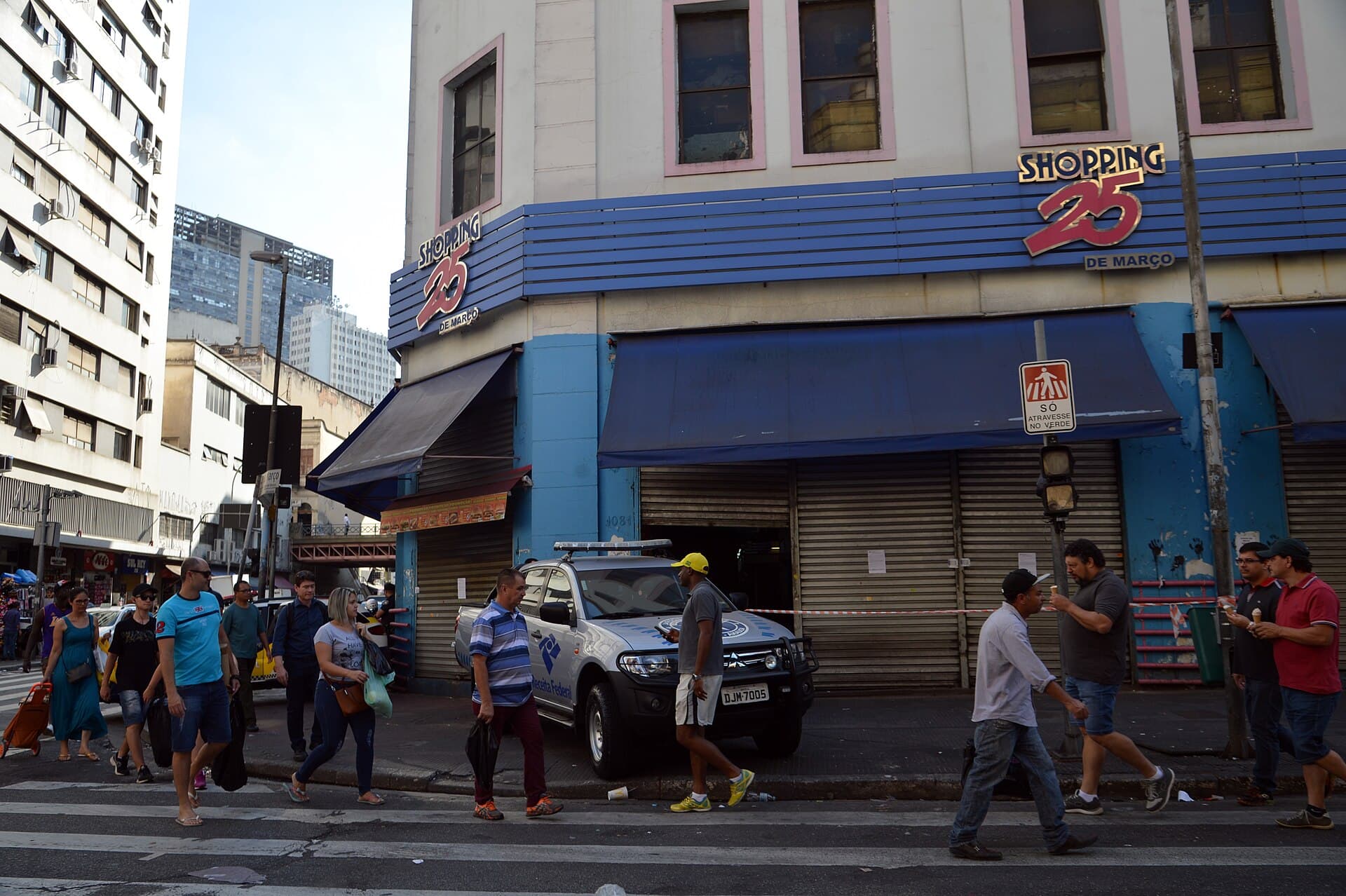 Rua 25 de MarçoRua 25 de Março is São Paulo's best-known street for popular shopping, and its s5 minutes walk4.4
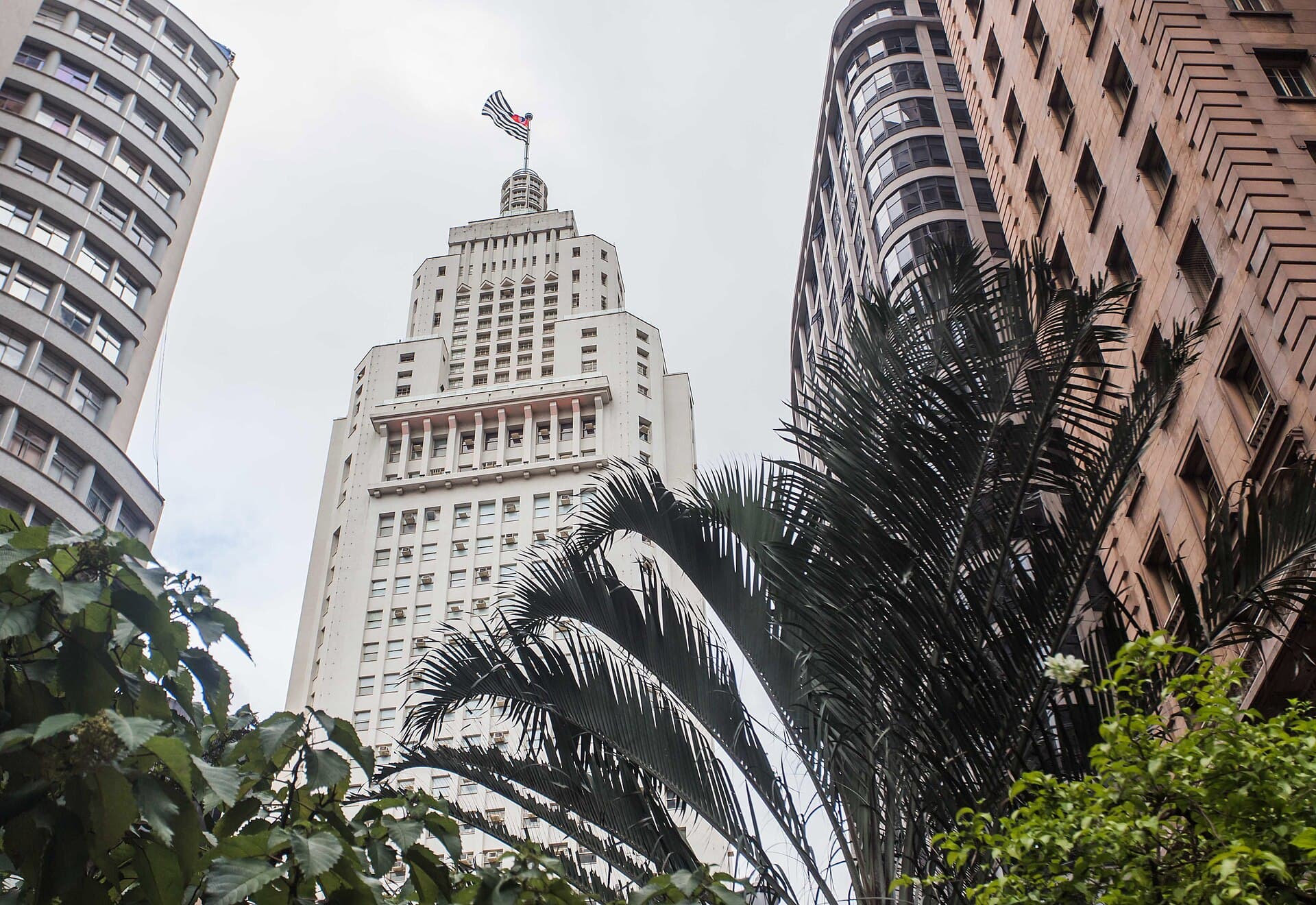 Farol Santander (Altino Arantes Building)Farol Santander is the present name of the Altino Arantes Building, the Art Deco8 minutes walk4.6
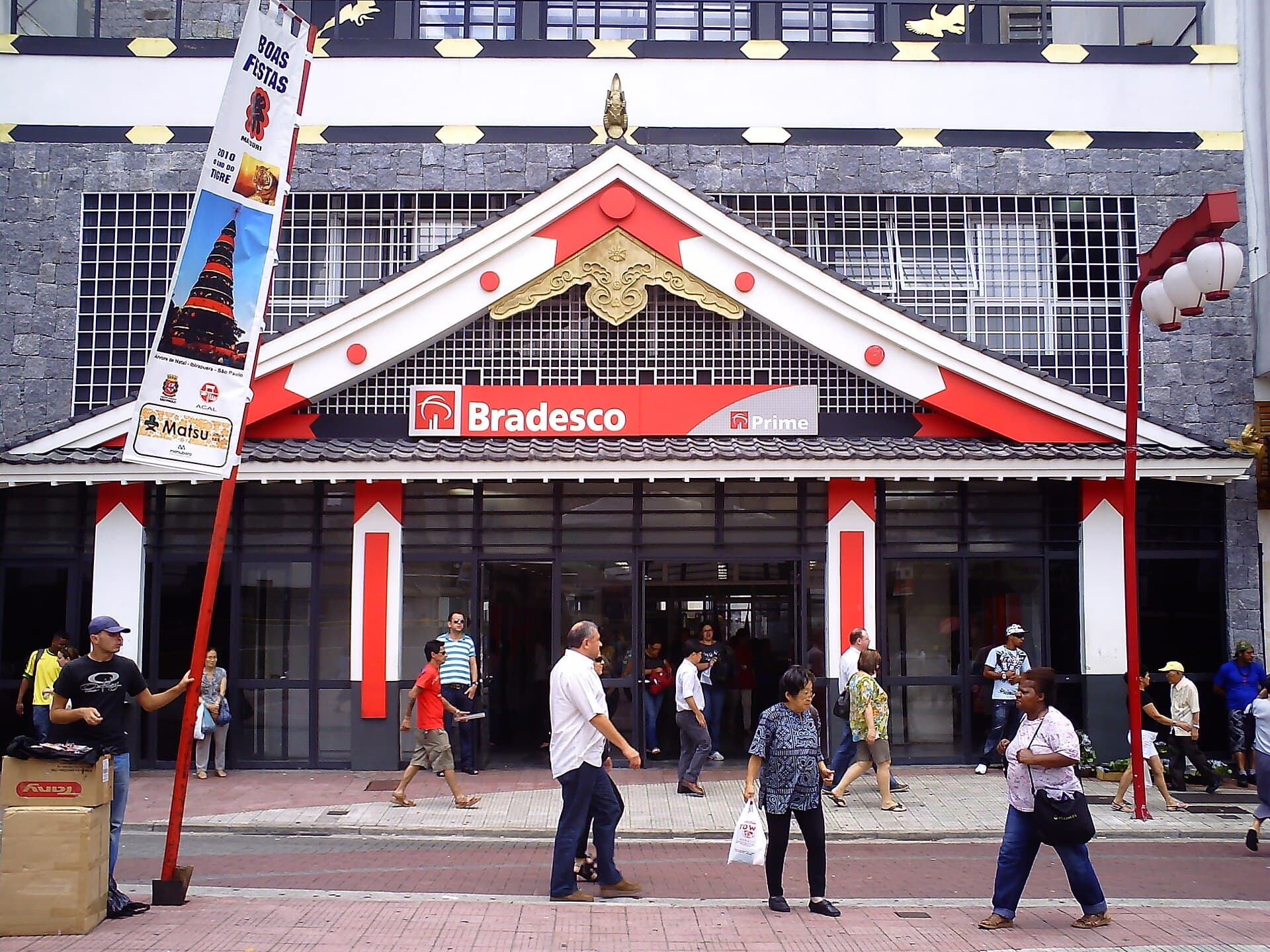 LiberdadeLiberdade is São Paulo's Japanese quarter, in the city with the largest Japanese25 minutes walk
Meat at the market is generally not halal, and the famous mortadella sandwich is pork. Fruit, cheese and fish pastries are the safer choices; ask about ingredients.