
Victorian houses
An English lane.
Daniel Gelbaum — CC BY-SA 4.0 · Daniel Gelbaum — CC BY-SA 4.0 · Daniel Gelbaum — CC BY-SA 4.0 · Eli Kazuyuki Hayasaka from São Paulo, Brazil — CC BY-SA 2.0 · Daniel Gelbaum — CC BY-SA 4.0 · Daniel Gelbaum — CC BY-SA 4.0
The Vila dos Ingleses, the «English Village», is a group of 28 two-storey houses in the Luz district of central São Paulo, built between 1915 and 1919 to house the English engineers working on Luz station and the Santos–Jundiaí railway, hence its name. The houses are Victorian in origin with Brazilian colonial touches, so it feels like a small English lane in the middle of the city. The land was previously the garden of the Marchioness of Itu's mansion, which she gave in 1913 to her great-niece Eliza de Aguiar D'Andrada, whose husband was an engineer with the São Paulo Railway Company and converted the site to house the English engineers and their families. Around 1930, as the reliance on foreign engineers declined, São Paulo families moved in, and in the 1950s the houses became boarding houses and staff clubs. The village has been commercial since 1988, with architecture and design offices and a restaurant, and it is provisionally listed by the national heritage institute. It is seen from Rua Mauá and makes a short stop on a walk between Luz station, the Museum of the Portuguese Language and the Pinacoteca.
An English lane.
The railway story.
In the village.
Rua Mauá 836, Luz, São Paulo
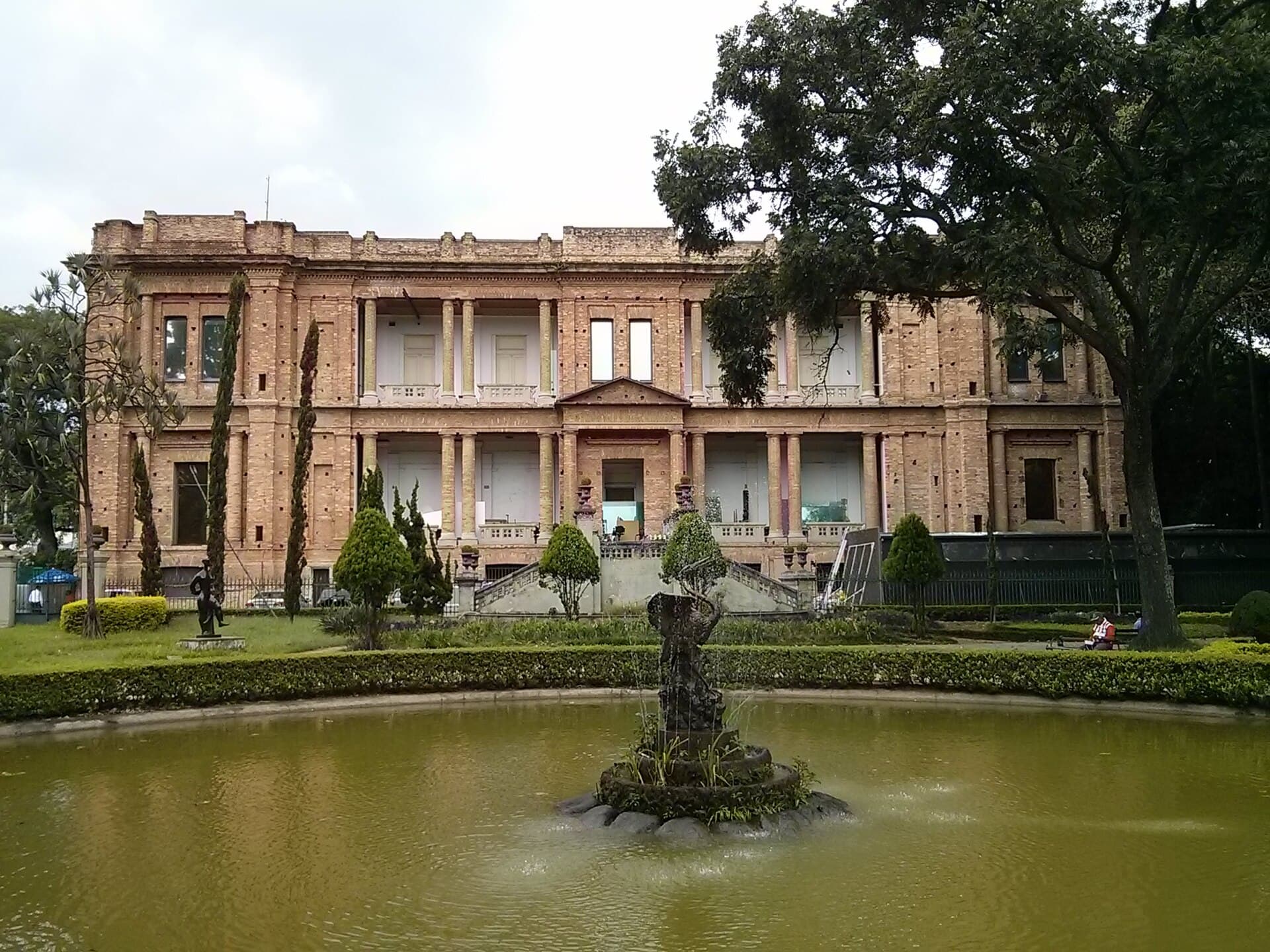
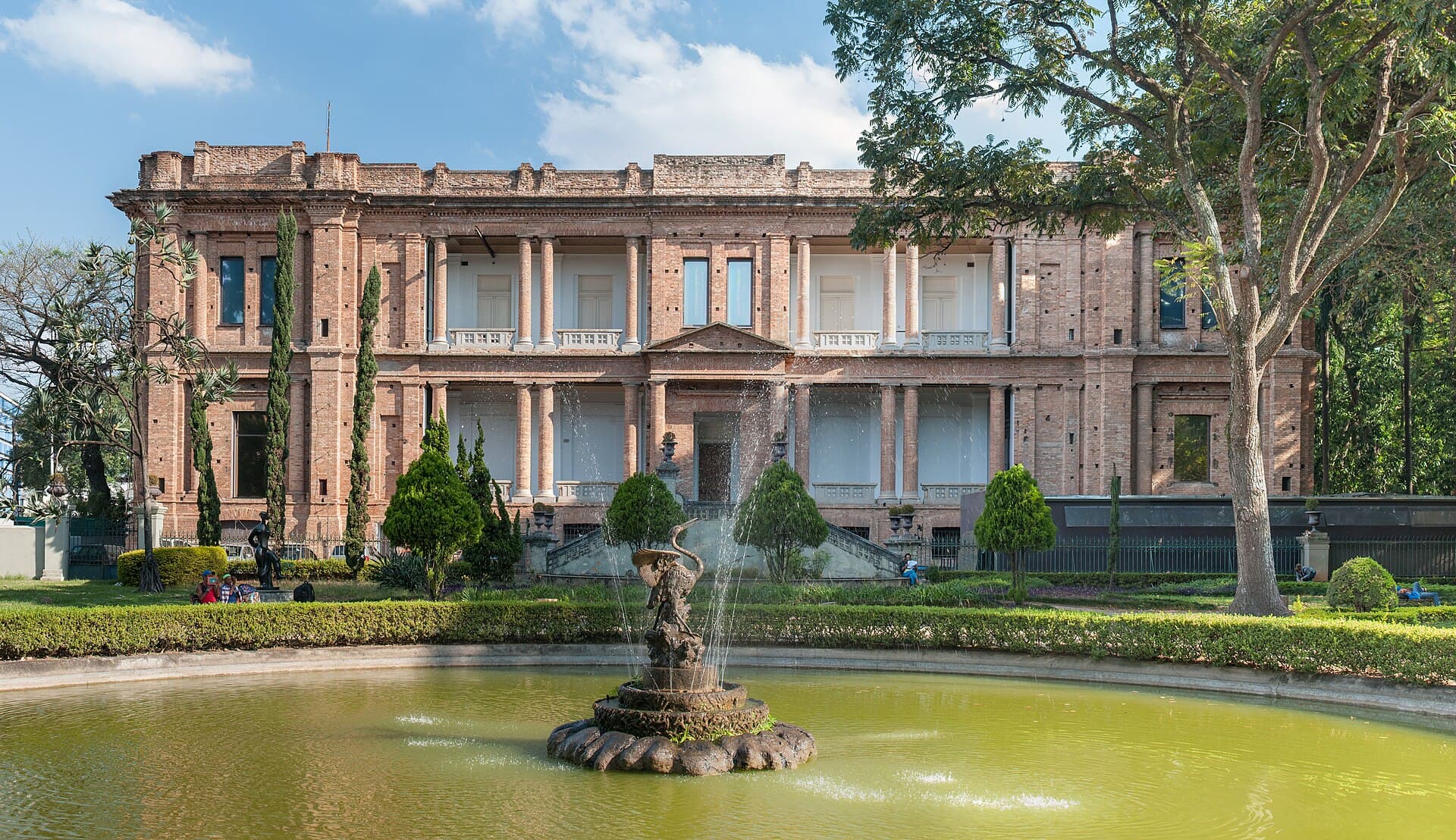 Pinacoteca de São PauloThe Pinacoteca de São Paulo is the city's oldest art museum, founded by the stat4 minutes walk4.7
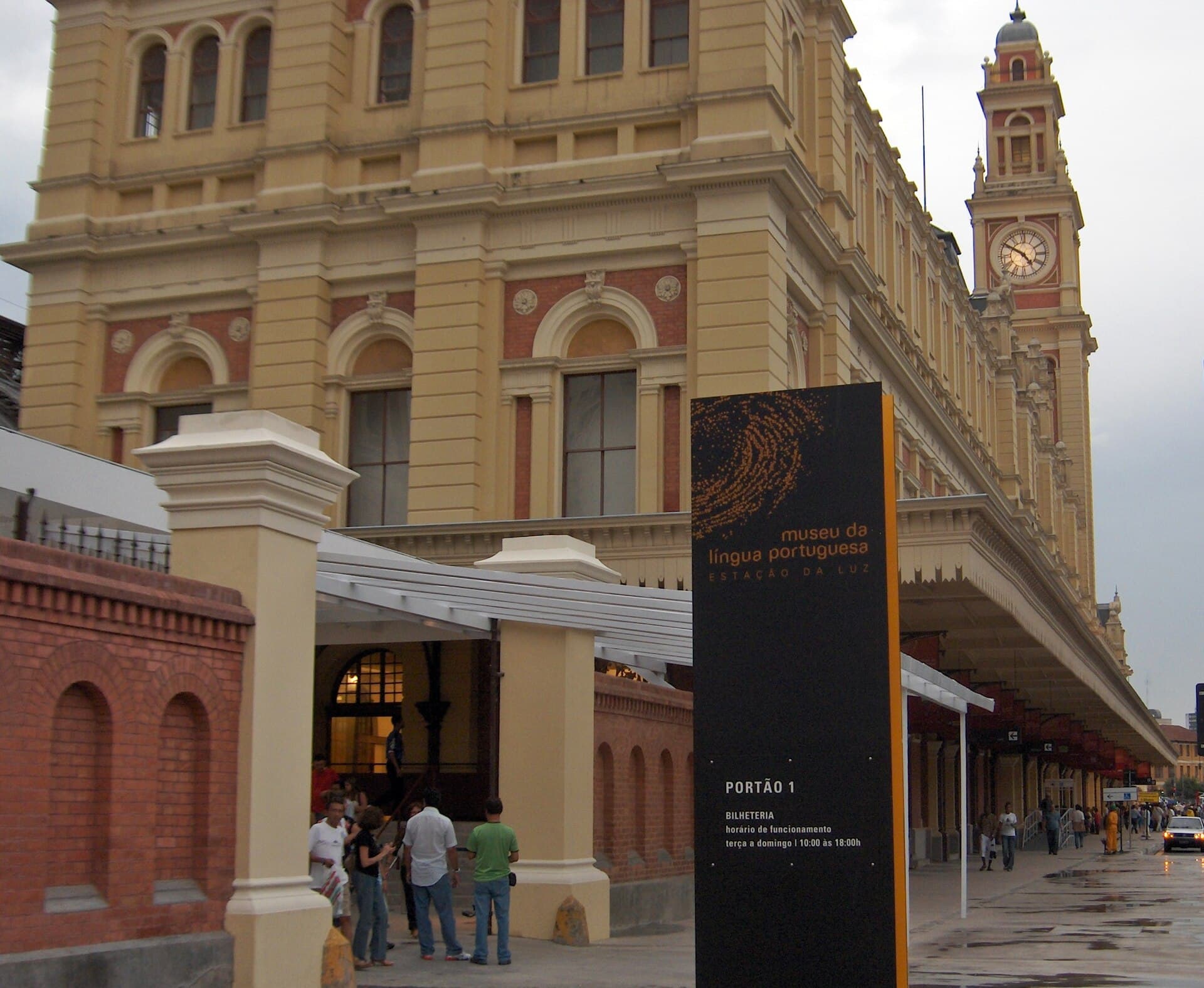 Museum of the Portuguese LanguageThe Museum of the Portuguese Language is an interactive museum of language, desc4 minutes walk4.7
 Jardim da LuzJardim da Luz is São Paulo's oldest public garden: it began as a botanical garde6 minutes walk4.3
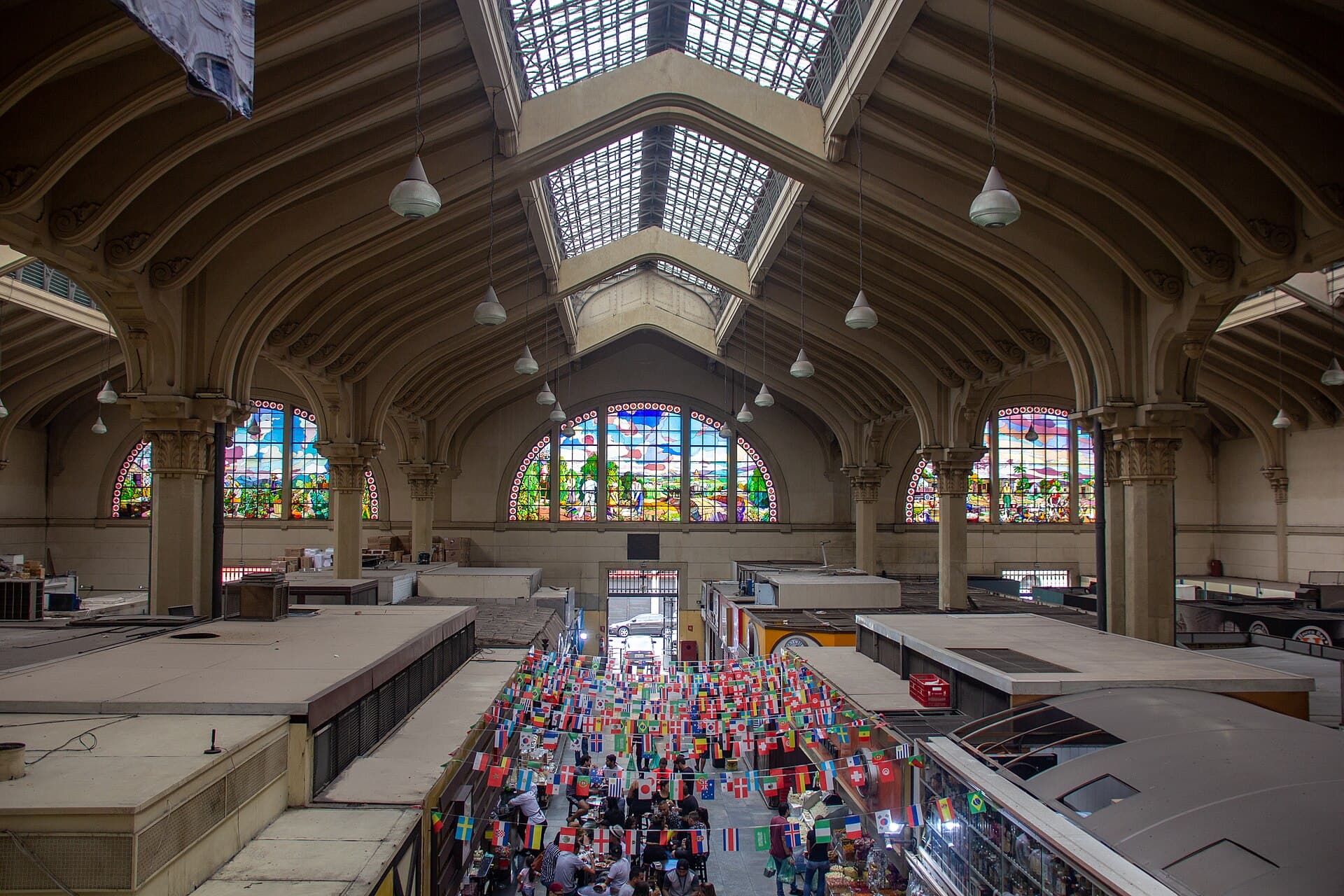 São Paulo Municipal Market (Mercadão)The Municipal Market, the Mercadão to paulistanos, is a large covered food marke8 minutes walk4.6
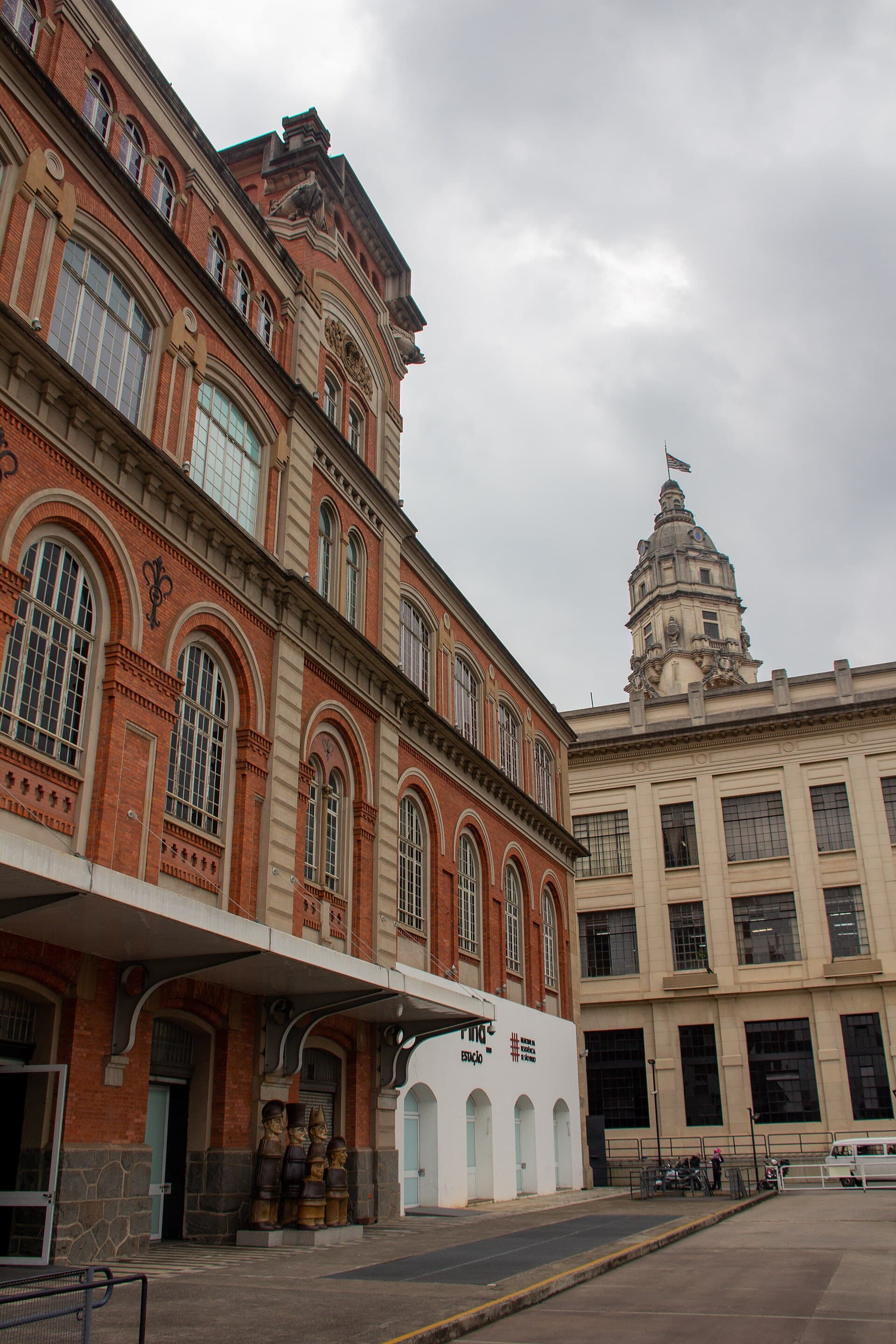 Memorial da ResistênciaSão Paulo's Resistance Memorial is a museum that keeps the memory of political r9 minutes walk4.8
For the English engineers building Luz station and the Santos–Jundiaí railway, between 1915 and 1919.