
Art Nouveau
Ornate iron.
Photograph by Mike Peel (www.mikepeel.net). — CC BY-SA 4.0 · Luiz coelho — CC BY-SA 3.0 · Srleite — CC BY-SA 4.0 · Luiz coelho — CC BY-SA 3.0 · Photograph by Mike Peel (www.mikepeel.net). — CC BY-SA 4.0
The Santa Ifigênia Viaduct is a pedestrian-only iron bridge crossing the Anhangabaú Valley and Avenida Prestes Maia in central São Paulo, linking the «Old Centre» with the «New Centre». It starts at Largo São Bento, beside São Bento metro station, and ends at Largo Santa Ifigênia, joining two of the city's historic landmarks. It was designed by the architect Giulio Micheli and engineered by Giuseppe Chiapori and Mário Tibiriçá, its ironwork made in Belgium, to ease the flow of cars, carriages and trams across the valley in the early 20th century. Built between 1910 and 1913, it was opened by mayor Raymundo Duprat on 26 July 1913, and its Art Nouveau style makes it one of São Paulo's best-known images. Today pedestrians cross it in minutes, with views over the valley and its skyscrapers, and beyond it lies Rua Santa Ifigênia, famous for shops selling electronics, musical instruments and sound equipment. Cross by day and keep an eye on belongings.
Ornate iron.
Below the bridge.
Beyond the bridge.
From Largo São Bento to Largo Santa Ifigênia, central São Paulo
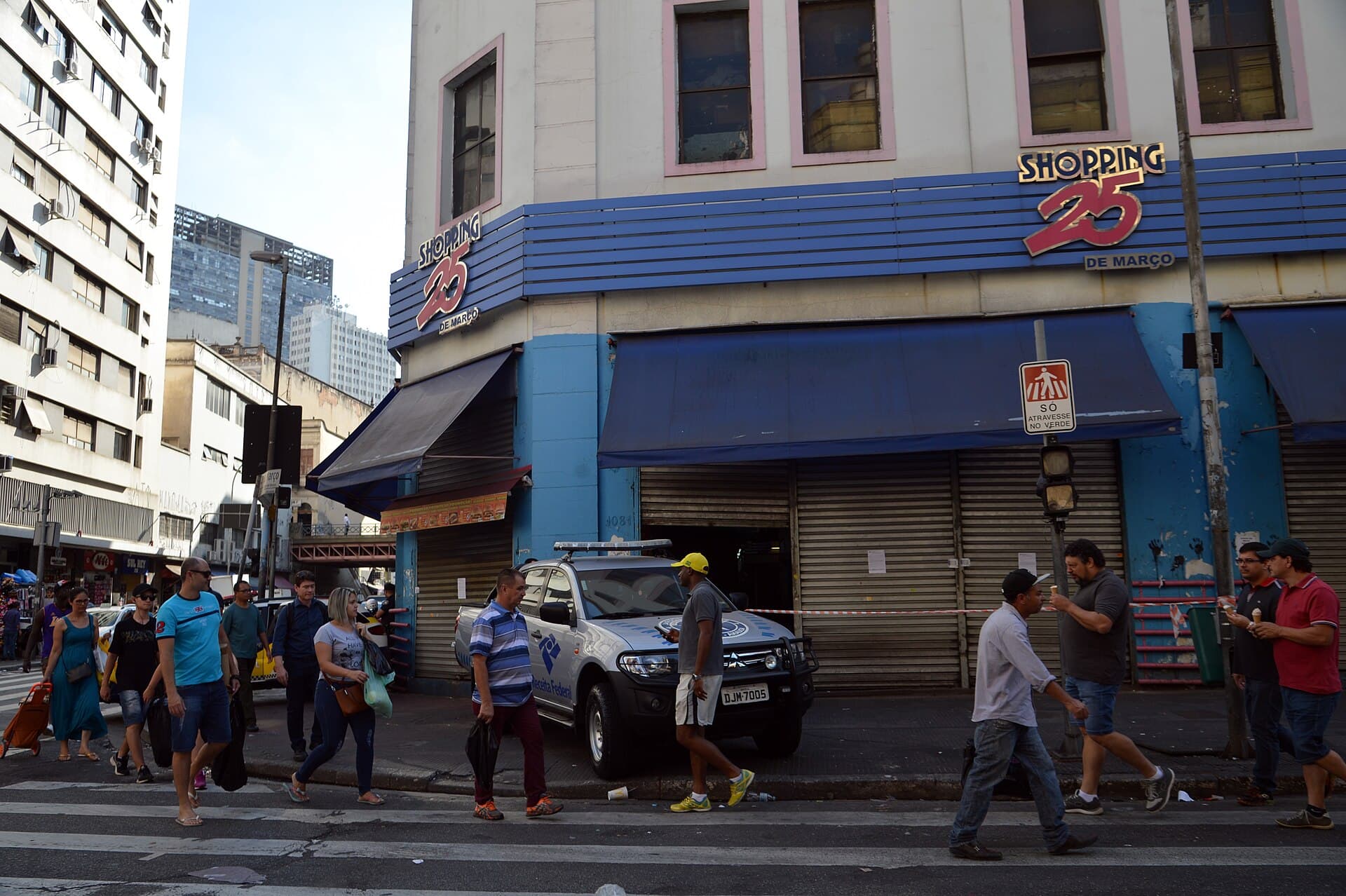 Rua 25 de MarçoRua 25 de Março is São Paulo's best-known street for popular shopping, and its s3 minutes walk4.4
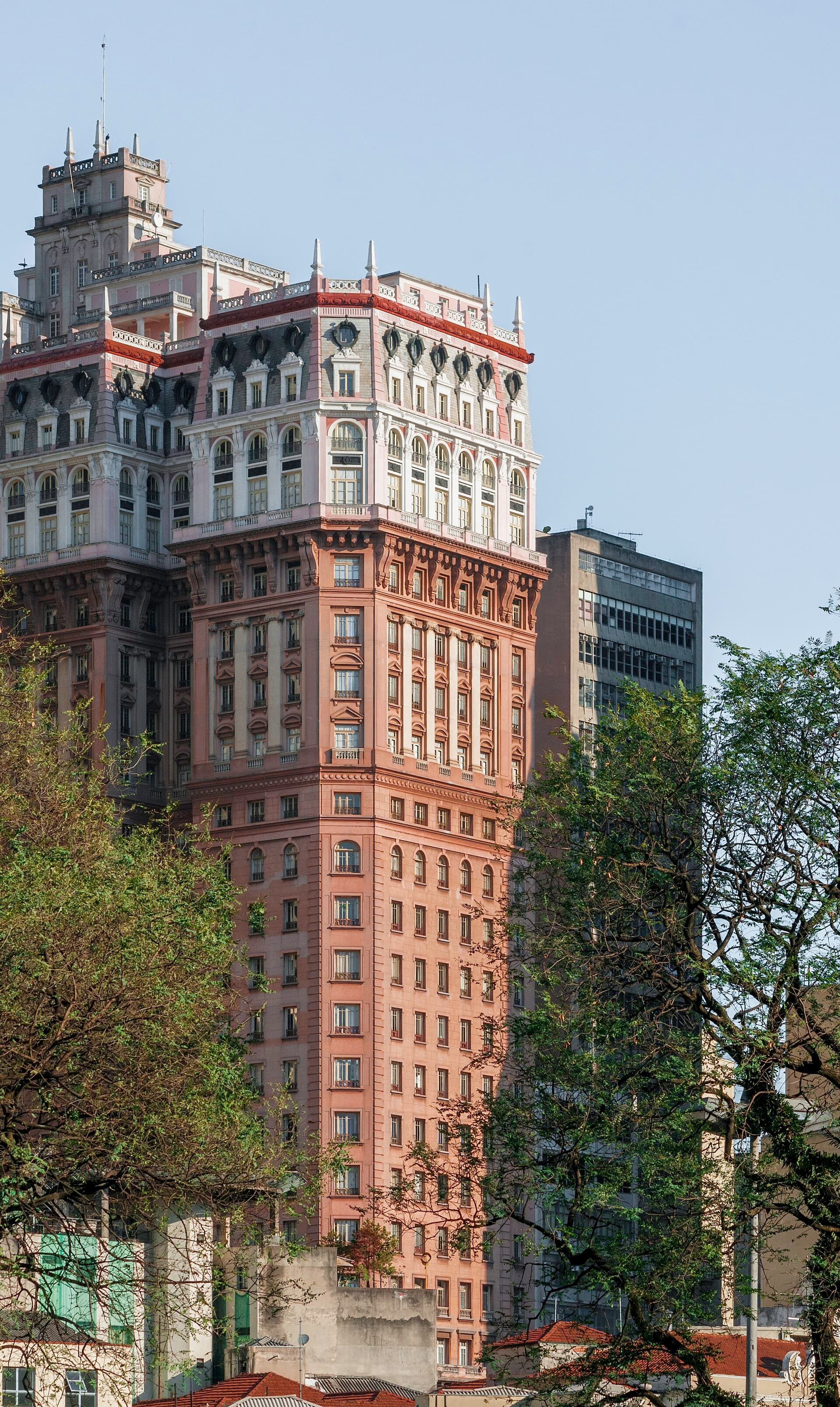 Edifício MartinelliThe Edifício Martinelli was Brazil's first skyscraper, built by the Italian busi3 minutes walk4.4
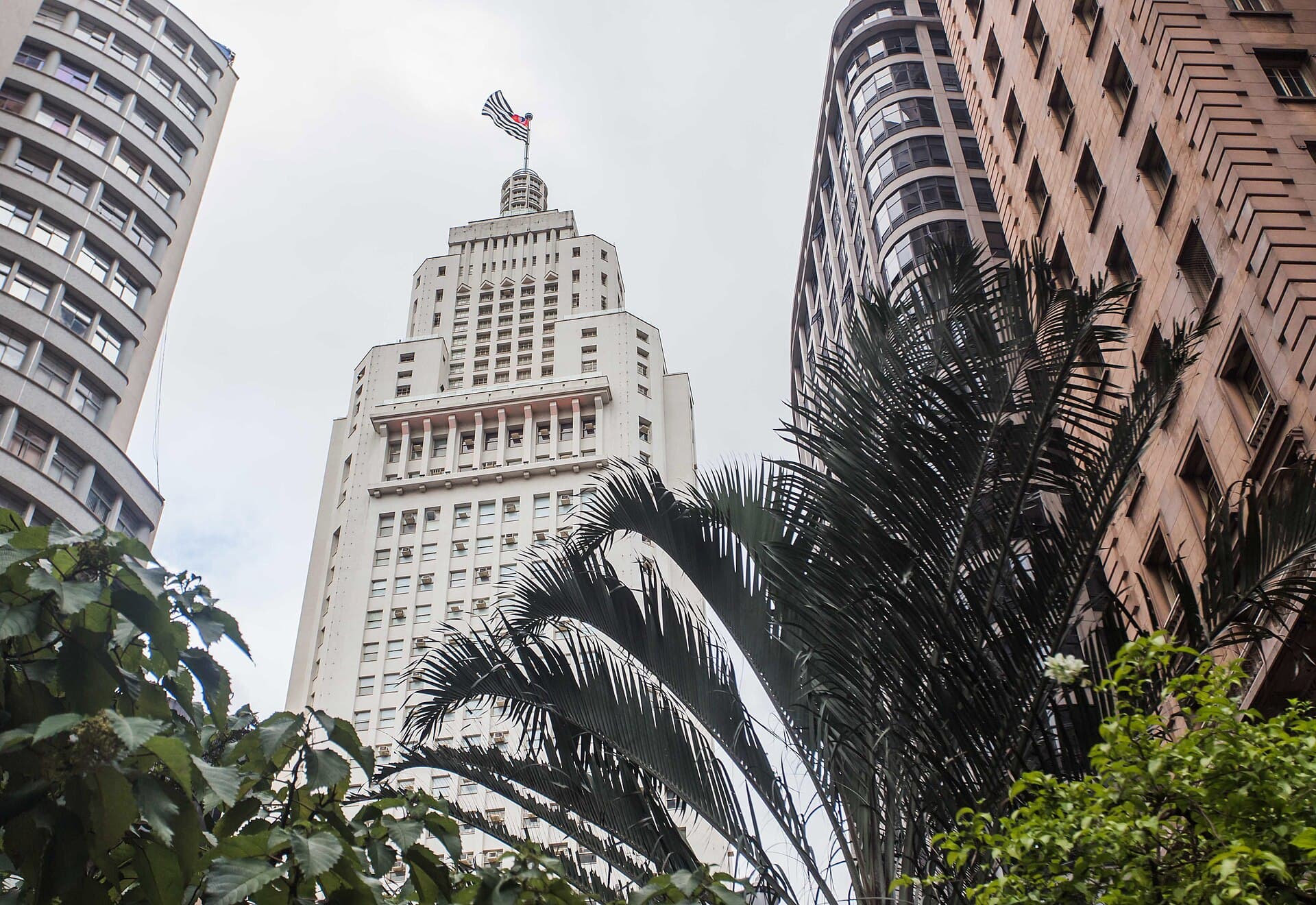 Farol Santander (Altino Arantes Building)Farol Santander is the present name of the Altino Arantes Building, the Art Deco3 minutes walk4.6
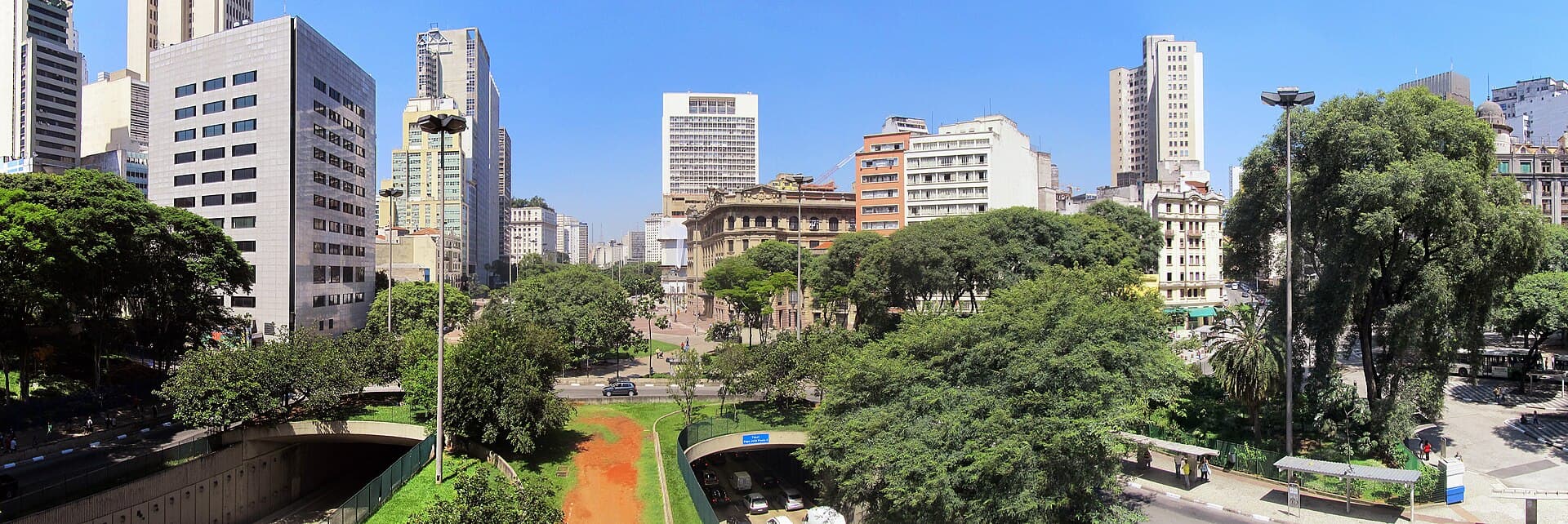 Vale do AnhangabaúThe Anhangabaú Valley is a wide open space at the heart of historic São Paulo, c3 minutes walk4.5
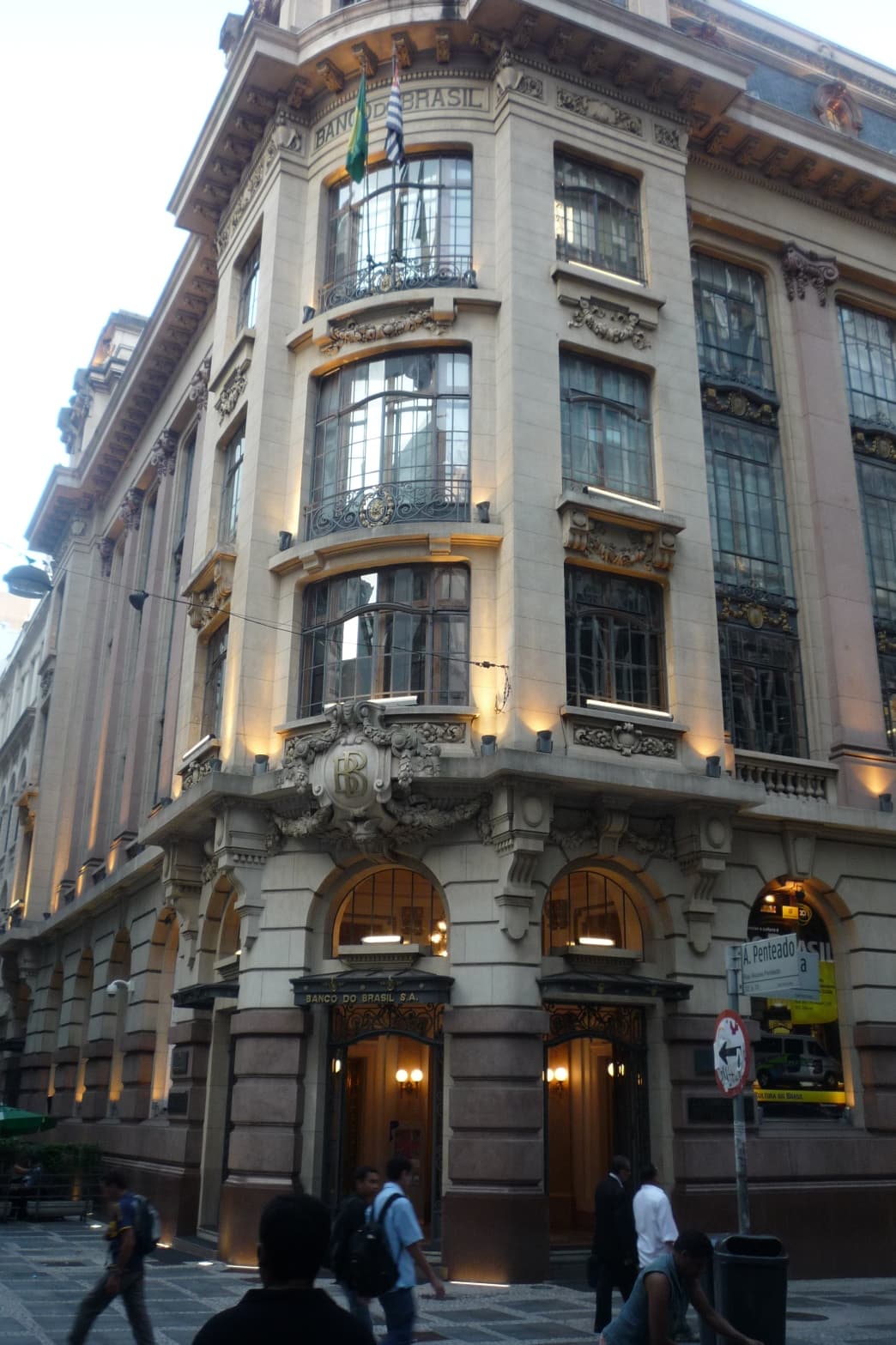 CCBB São Paulo (Banco do Brasil Cultural Centre)On a narrow pedestrian street in São Paulo's historic centre stands a building o5 minutes walk4.7
Yes, pedestrians only, linking Largo São Bento with Largo Santa Ifigênia over the Anhangabaú Valley.