
A building from Maximilian's day
A small sixteenth-century castle retaining original wall paintings.
Böhringer Friedrich — CC BY-SA 2.5 · Wilfredor — CC0 · Rijksmuseum — CC0 · Alpenzoo1000 — CC BY-SA 4.0
A sixteenth-century noble seat on the slope north of the river Inn, looking down on Innsbruck, and today housing the sections of the neighbouring Alpenzoo devoted to aquatic life and reptiles. The building is half the reason: a small Renaissance castle built in the time of Emperor Maximilian I, retaining elements of its original architecture including wall paintings. Its position on the slope gives it a view over the city and the valley. The other half is the content: aquarium tanks and displays on the aquatic species of Alpine rivers and lakes, a part of the zoo that a quick visit skips even though the ticket usually covers it. Practical points: access is through the zoo, and the easiest route is the Hungerburgbahn funicular from the centre followed by a short walk, or a bus. The ticket is normally the zoo's own rather than a separate one. Reckon half an hour to an hour within a zoo visit rather than a destination on its own.
A small sixteenth-century castle retaining original wall paintings.
Tanks showing the fish and life of the region's rivers and lakes.
Many pass through the zoo without entering it although their ticket covers it.
On the Hötting slope north of the river, at the Alpenzoo
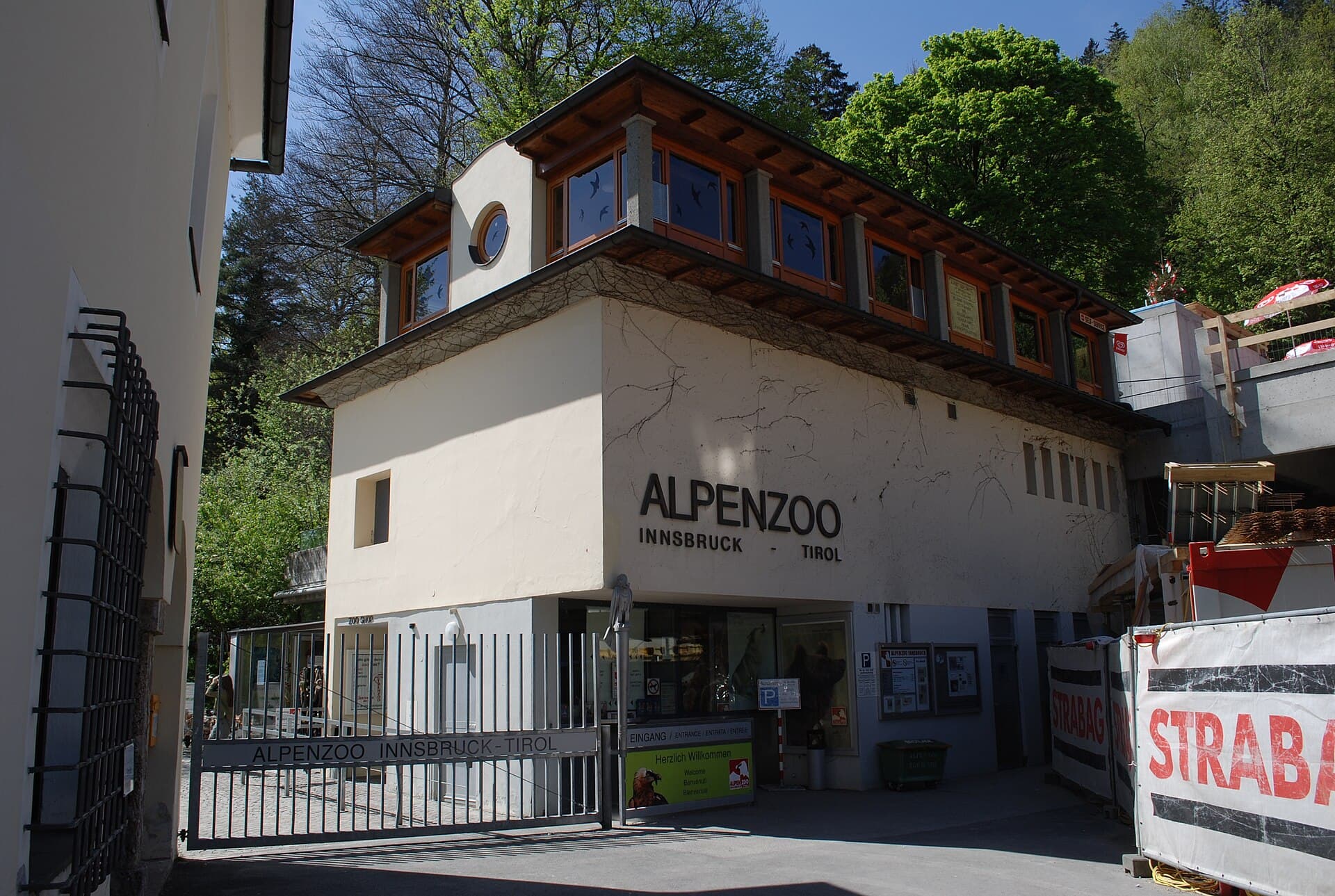 The AlpenzooThe Alpenzoo is Europe's highest-set zoo (750m) and its most specific in idea: A1 minute walk4.5
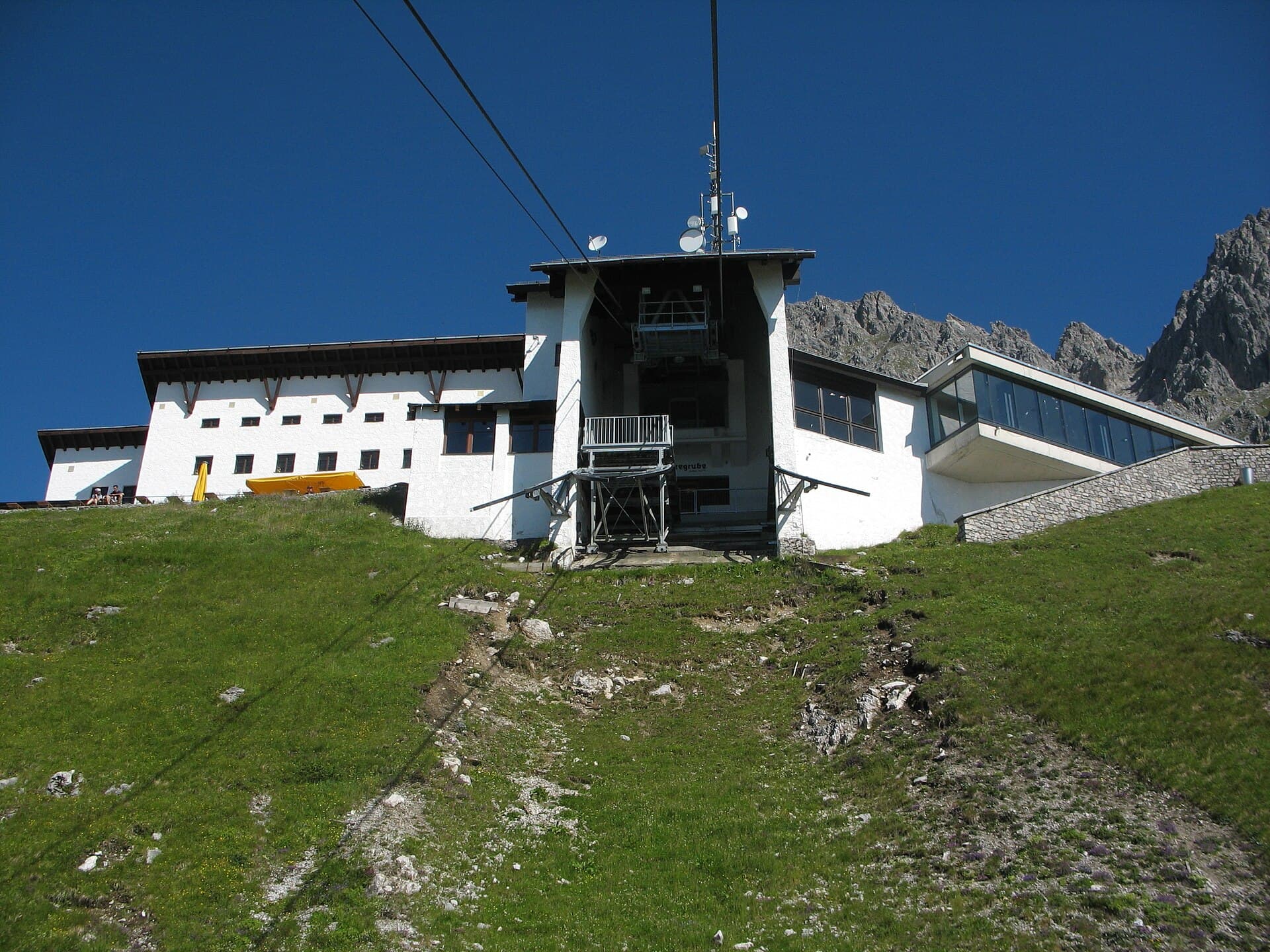 The Nordkette — Innsbruck's MountainThe Nordkette is Innsbruck's geographic miracle: city heart to 2,300 metres in h7 minutes walk4.5
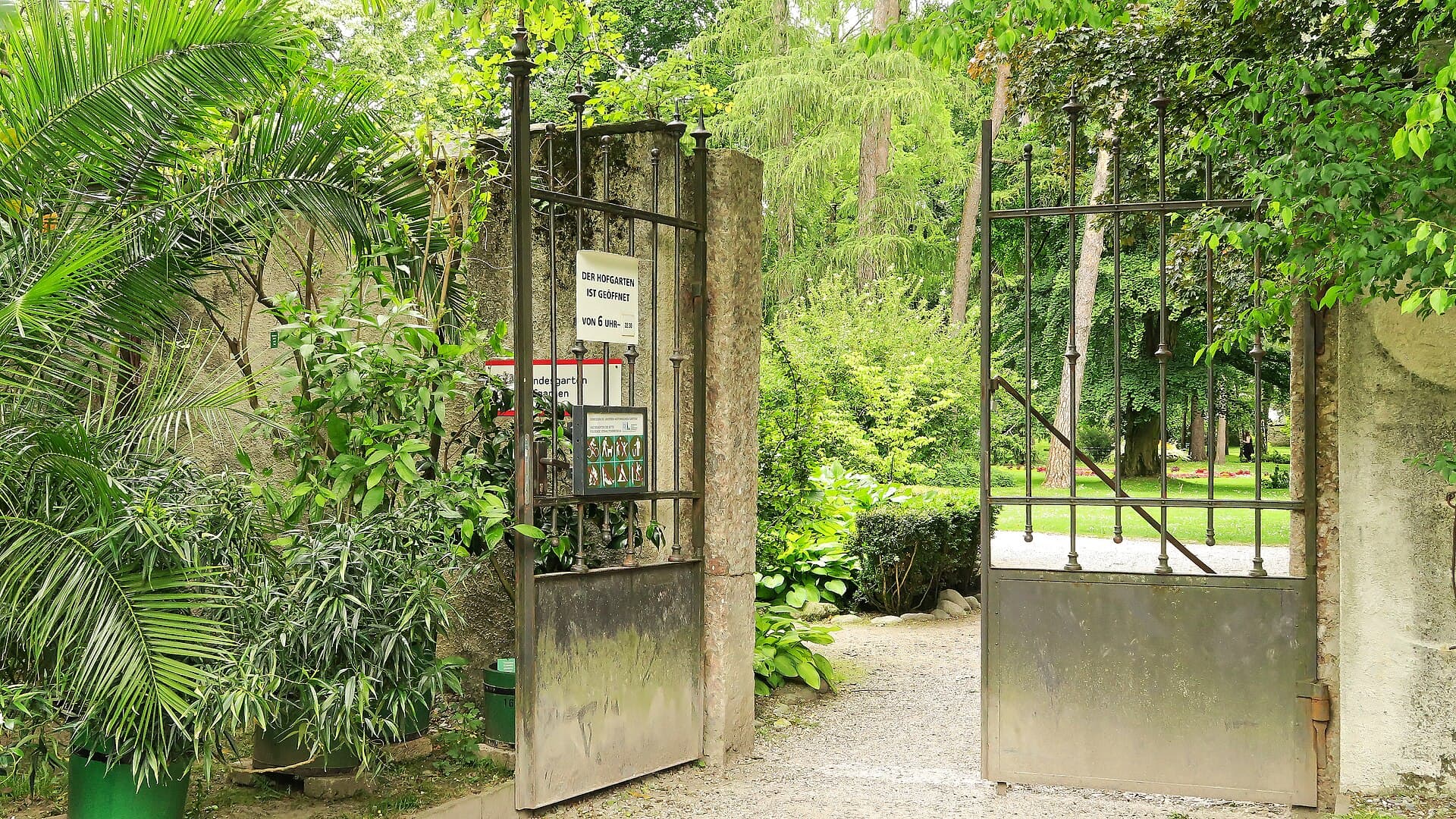 The HofgartenThe Hofgarten extends north-east of the Hofburg palace in central Innsbruck, and14 minutes walk4.7
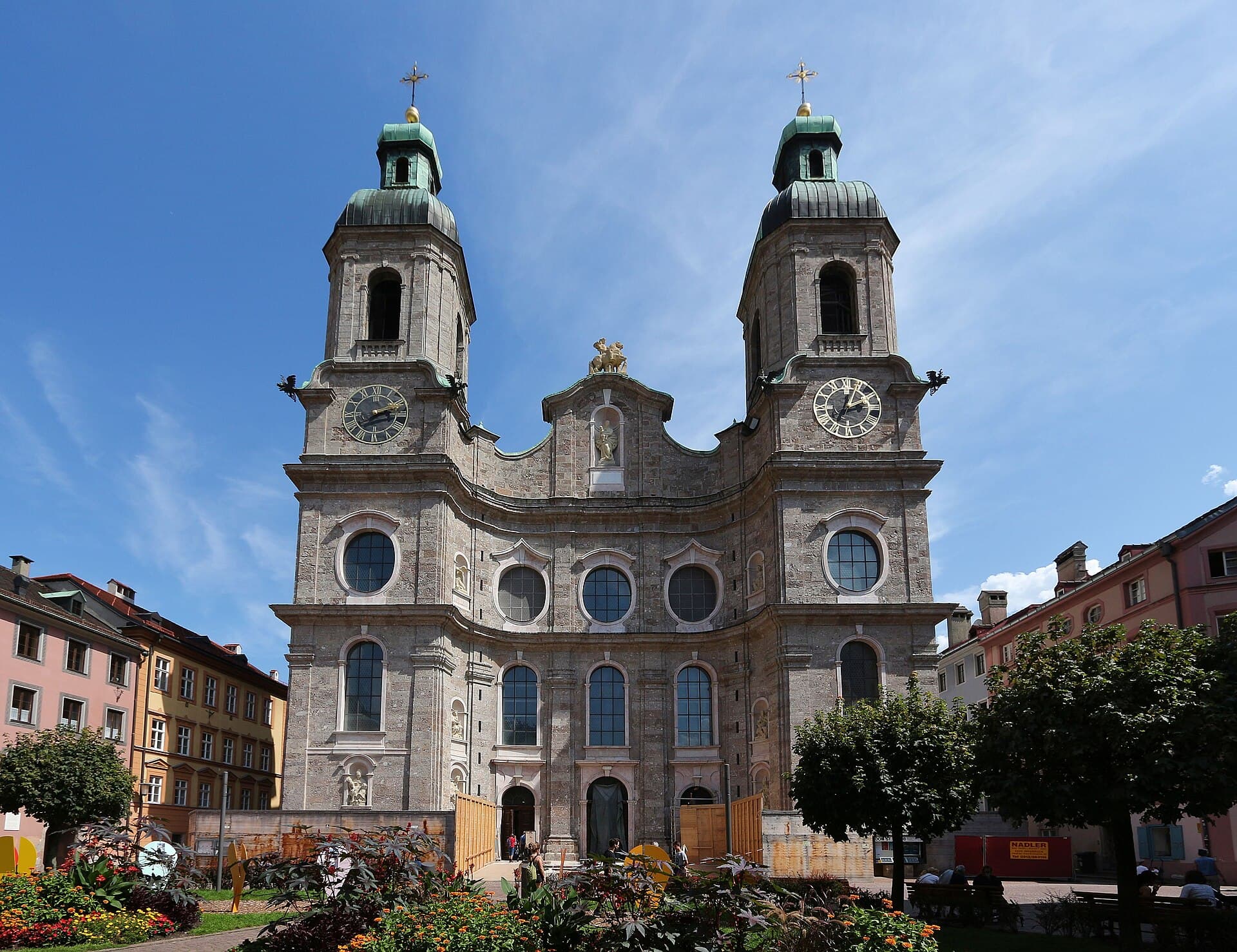 St. James's CathedralInnsbruck's Dom is complete Tyrolean baroque behind a quiet twin-towered face: a16 minutes walk4.7
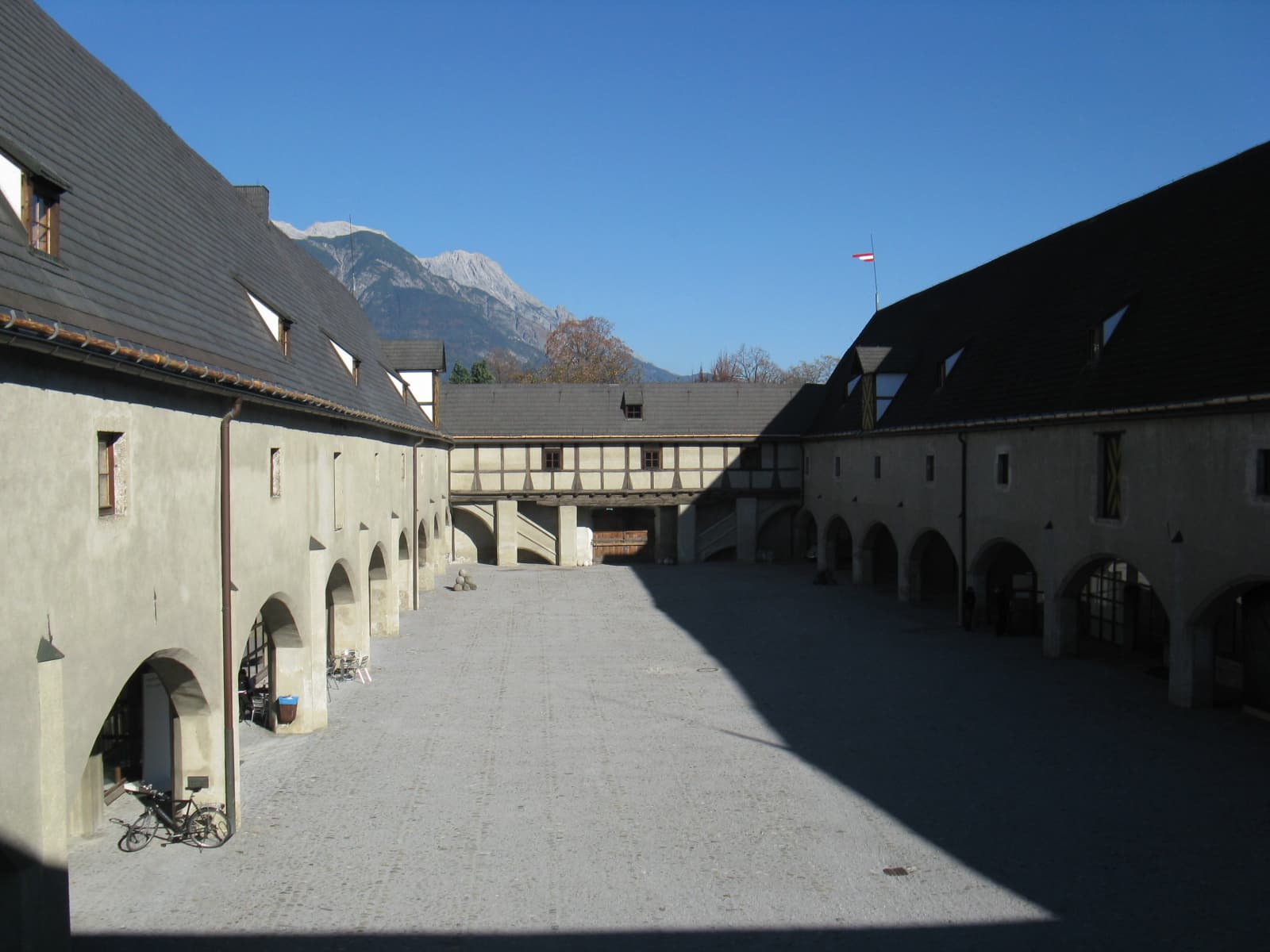 The ZeughausThe Zeughaus is an arsenal built by Emperor Maximilian I between 1500 and 1510, 17 minutes walk4.3
Not practically. Access and entry go through the zoo and the ticket is the zoo's. Treat it as a section within it worth not skipping rather than a destination to plan on its own.
The Hungerburgbahn funicular from central Innsbruck to the Alpenzoo stop, then a short walk. It beats the bus, since the ride itself gives you a view over the city.