
The stone arches
A 16th-century industrial space.
hafelekar — CC BY-SA 3.0 · Asurnipal — CC BY-SA 4.0 · Asurnipal — CC BY-SA 4.0 · Asurnipal — CC BY-SA 4.0
The Zeughaus is an arsenal built by Emperor Maximilian I between 1500 and 1510, and in its day among the largest military installations in Europe — a central store of artillery, armour and munitions for an empire reaching from the Netherlands to Italy. Innsbruck was not chosen by chance: the city sits at the junction of the mountain roads between northern Europe and Italy, and Maximilian made it the centre of his rule. Storing weapons here meant being able to move them in any direction through the Brenner pass. The building today holds the Tyrolean history museum of the state collections: a display covering the region from prehistory to the twentieth century — the salt and silver mining that funded the region's wealth, maps, crafts, mountain life, and the history of Alpine tourism itself. The vast building with its stone arches is half the experience.
A 16th-century industrial space.
The source that funded Tyrol's wealth.
Zeughausgasse, 6020 Innsbruck
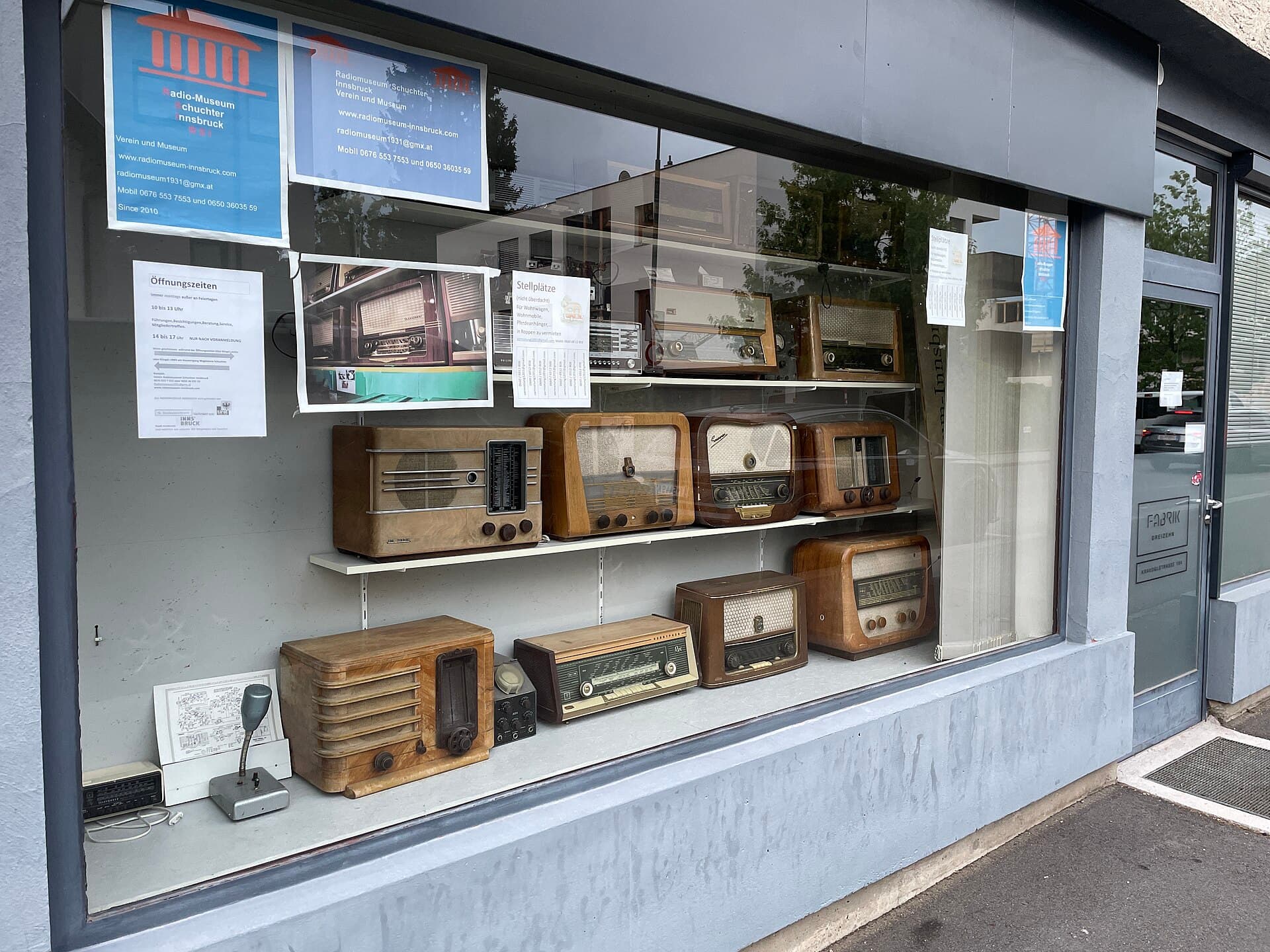 Innsbruck Radio MuseumA private collection of radio and television sets and broadcasting equipment in 8 minutes walk4.5
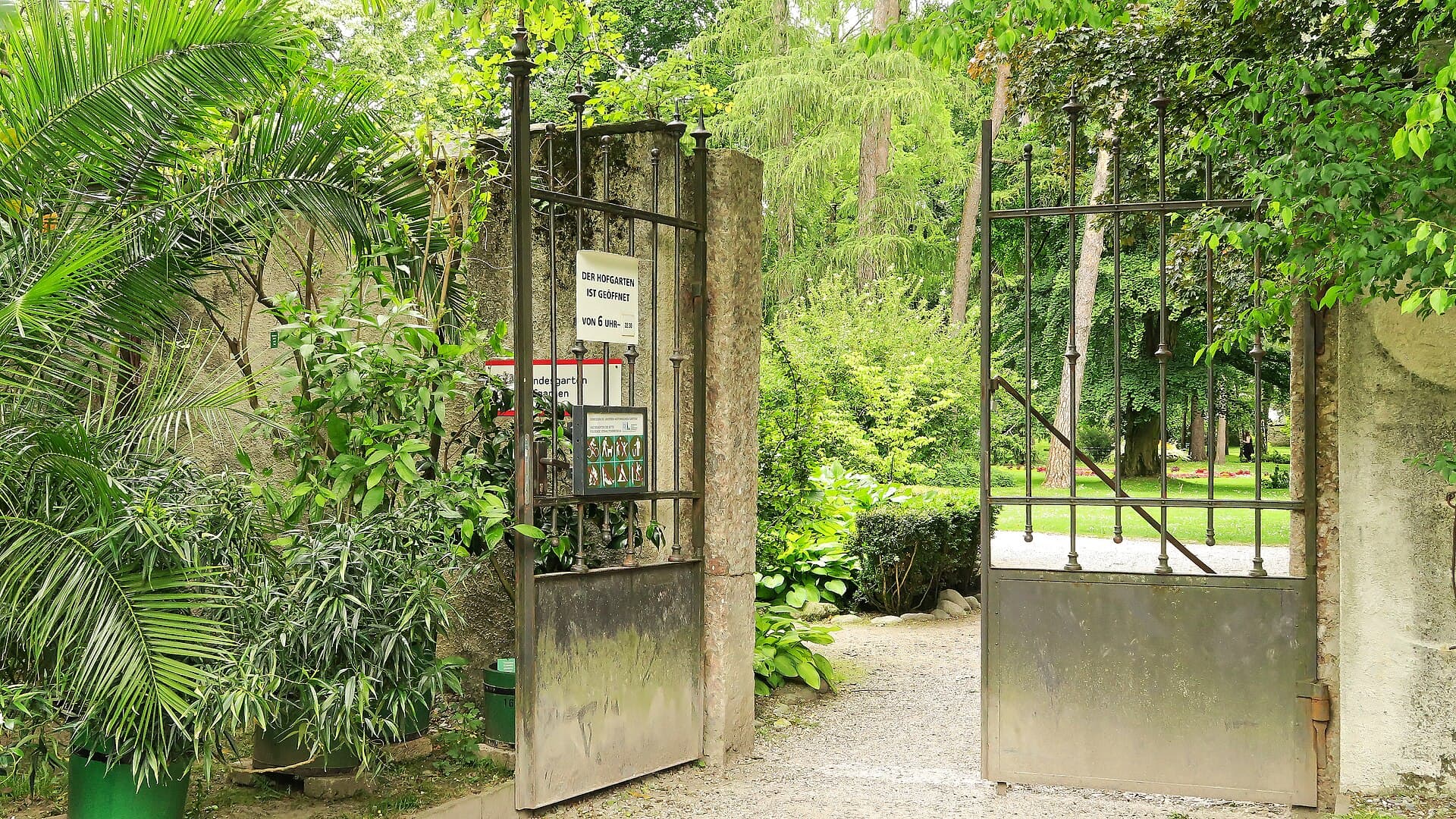 The HofgartenThe Hofgarten extends north-east of the Hofburg palace in central Innsbruck, and10 minutes walk4.7
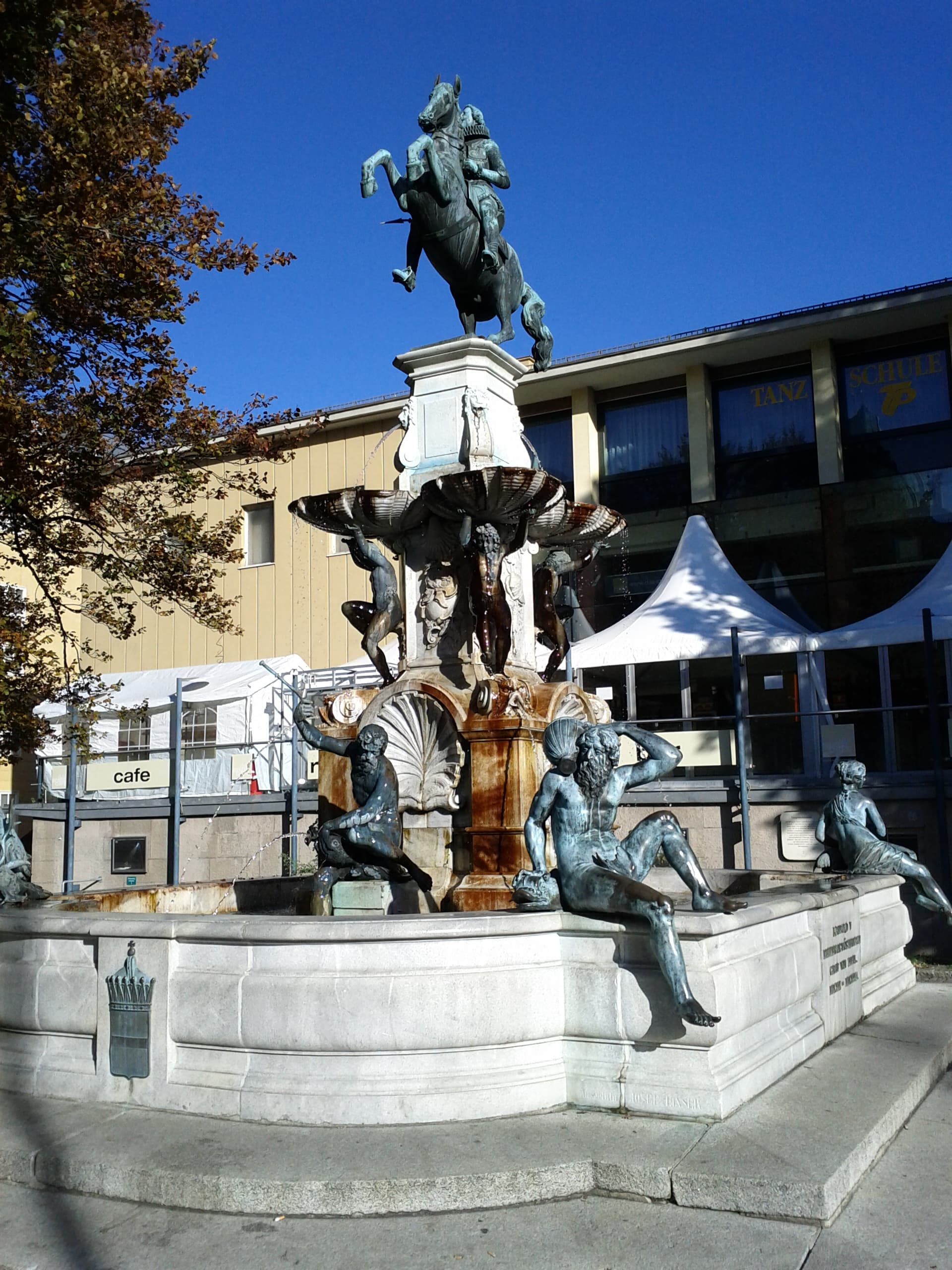 The Leopold FountainThe Leopold Fountain stands on Rennweg between the Hofburg palace and the state 11 minutes walk4.7
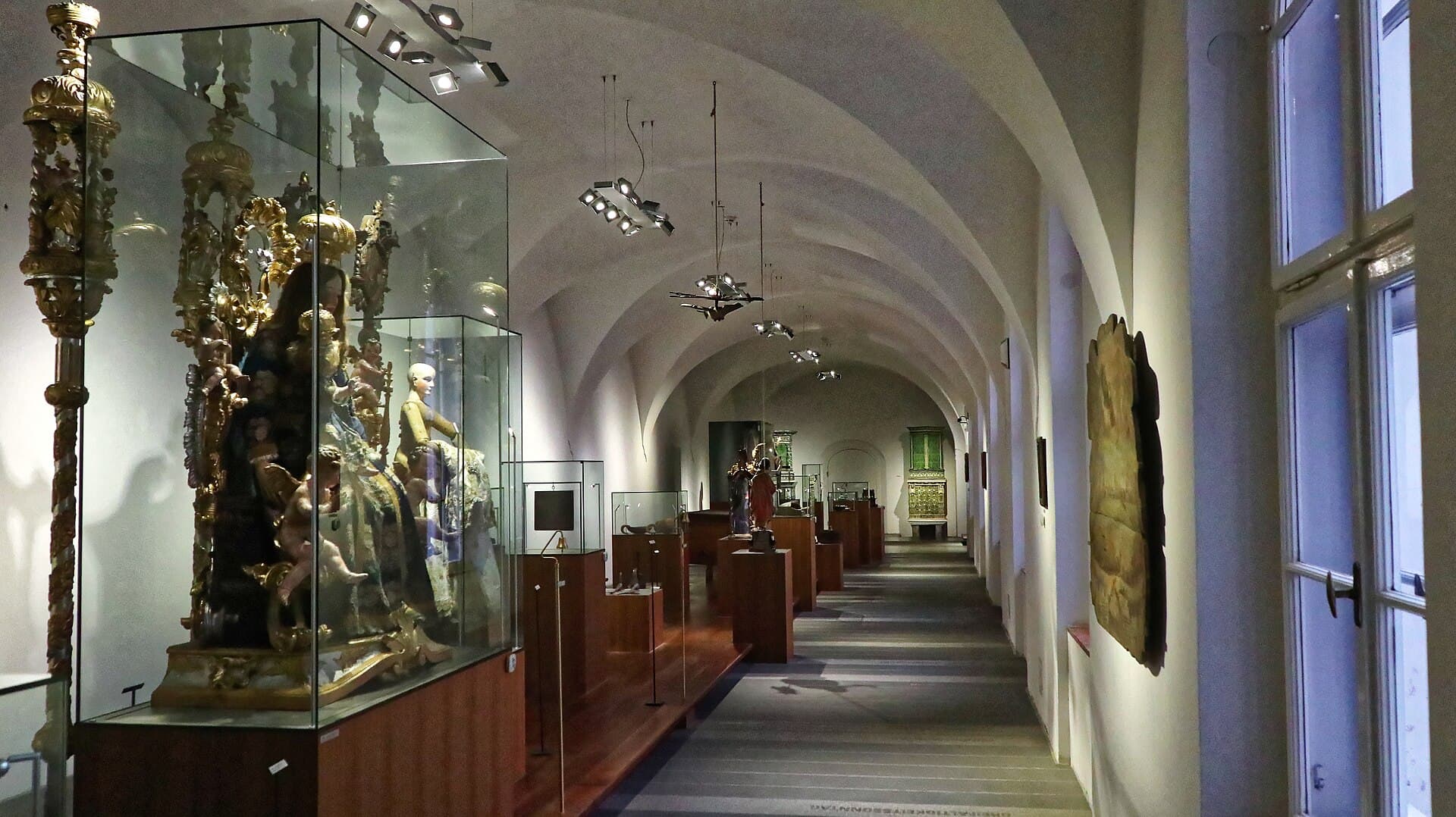 The Tyrolean Folk Art MuseumThe Tyrolean Folk Art Museum occupies the former Franciscan monastery adjoining 11 minutes walk4.5
 The Hofkirche & Black KnightsThe Hofkirche guards Europe's strangest empty tomb: Maximilian I's marble cenota12 minutes walk4.7
One ticket covering the five state museums: the Ferdinandeum (fine arts), the Zeughaus, the Folk Art Museum with the Hofkirche, Das Tirol Panorama, and the city's folk art holdings. It is worth it if you plan two or more, which is likely, since the Folk Art Museum and the Hofkirche alone justify it. It is normally valid across consecutive days rather than one — check the duration when you buy.