
A buried river
The main central boulevards follow the course of a river that still flows.
No machine-readable author provided. Ben2~commonswiki assumed (based on copyright claims). — CC BY-SA 3.0 · Trougnouf (Benoit Brummer) — CC BY 4.0 · Chatsam — CC BY-SA 3.0 · Chatsam — CC BY-SA 3.0
A museum about Brussels's sewer network, inside the network itself at the Porte d'Anderlecht. The visit includes descending into working channels beneath the street. The subject is less novelty than it sounds. In the nineteenth century the river Senne ran open through central Brussels and had become an open sewer, causing repeated cholera epidemics that killed thousands. The decision to cover the river entirely and bury it under the present boulevards was taken in 1867, and it reshaped the city and saved its people. That means Brussels's river still runs beneath its streets, and the main central boulevards follow its course. This museum is the only place to see that. The visit is sensory: damp, smell and the sound of running water, and that is intended. It is not for every visitor, but it is among the best explanations of how European cities actually worked. Not suitable for anyone uncomfortable in confined spaces.
The main central boulevards follow the course of a river that still flows.
Covering the river from 1867 ended the recurring cholera epidemics.
Damp, smell and running water — intended, and not for everyone.
Porte d'Anderlecht, Brussels
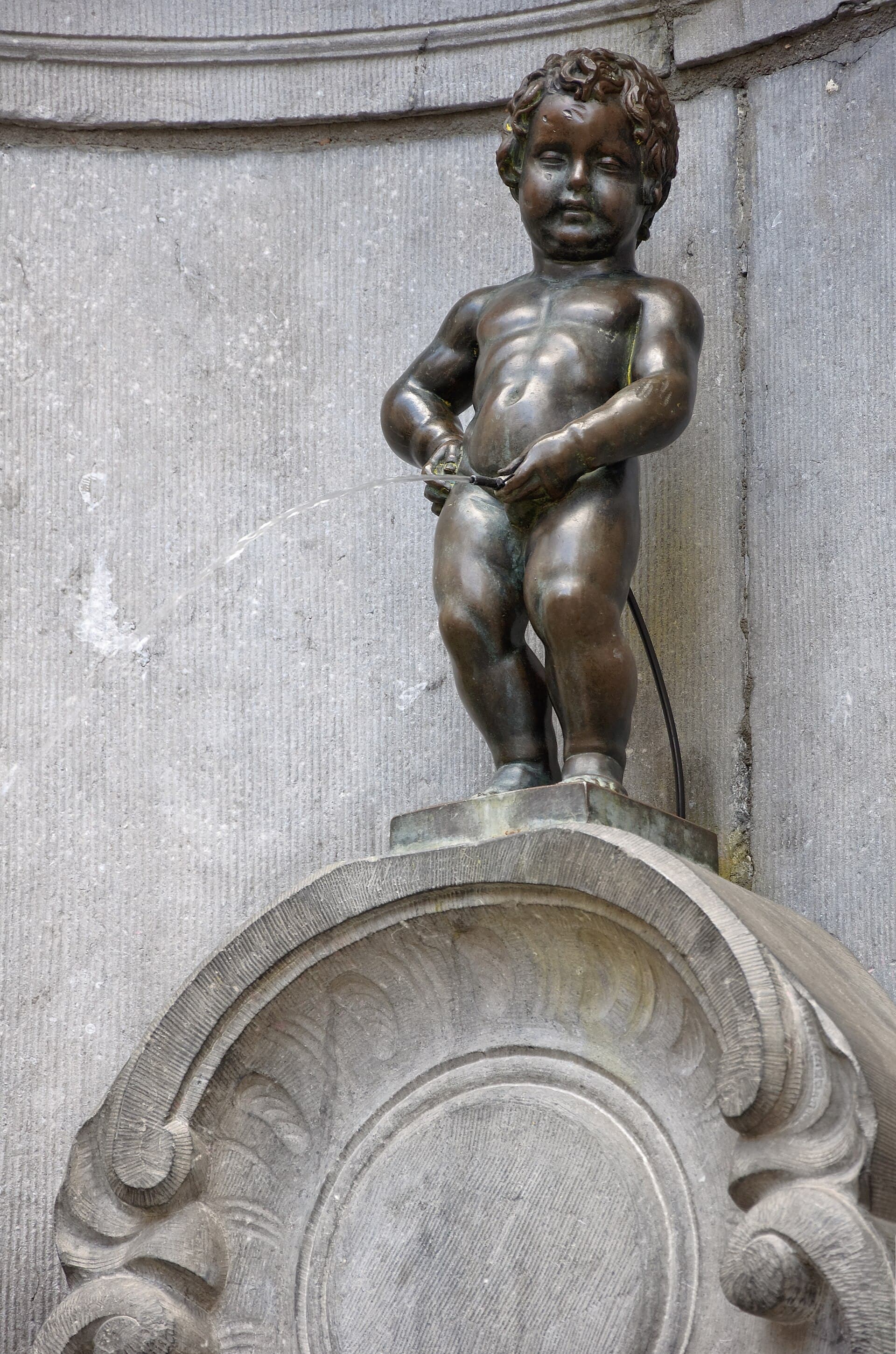 Manneken PisManneken Pis is Brussels' most famous citizen and its smallest: a bronze statue 10 minutes walk3.9
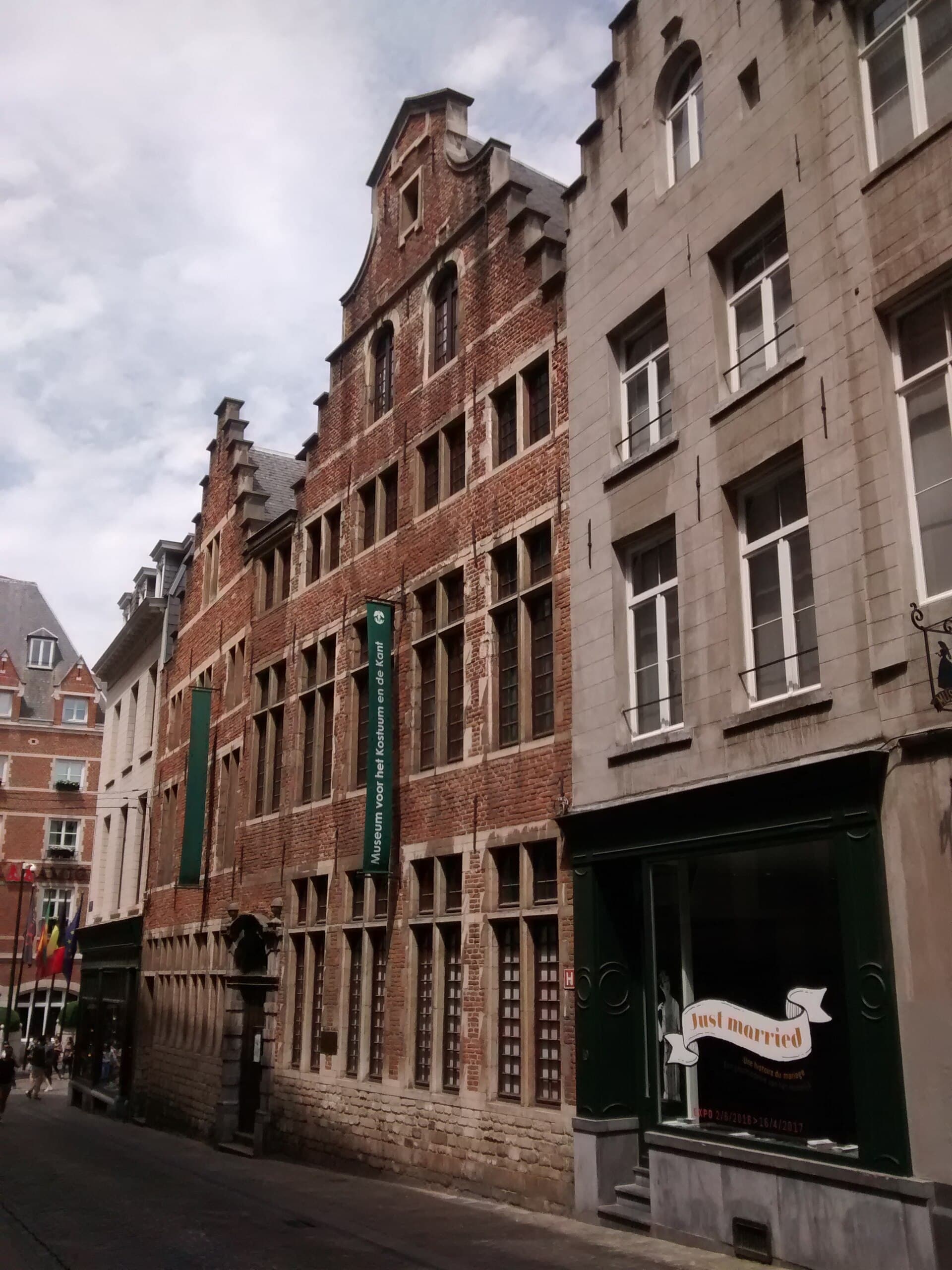 Fashion and Lace MuseumA municipal museum near the Grand Place showing costume and textiles, its most i12 minutes walk3.8
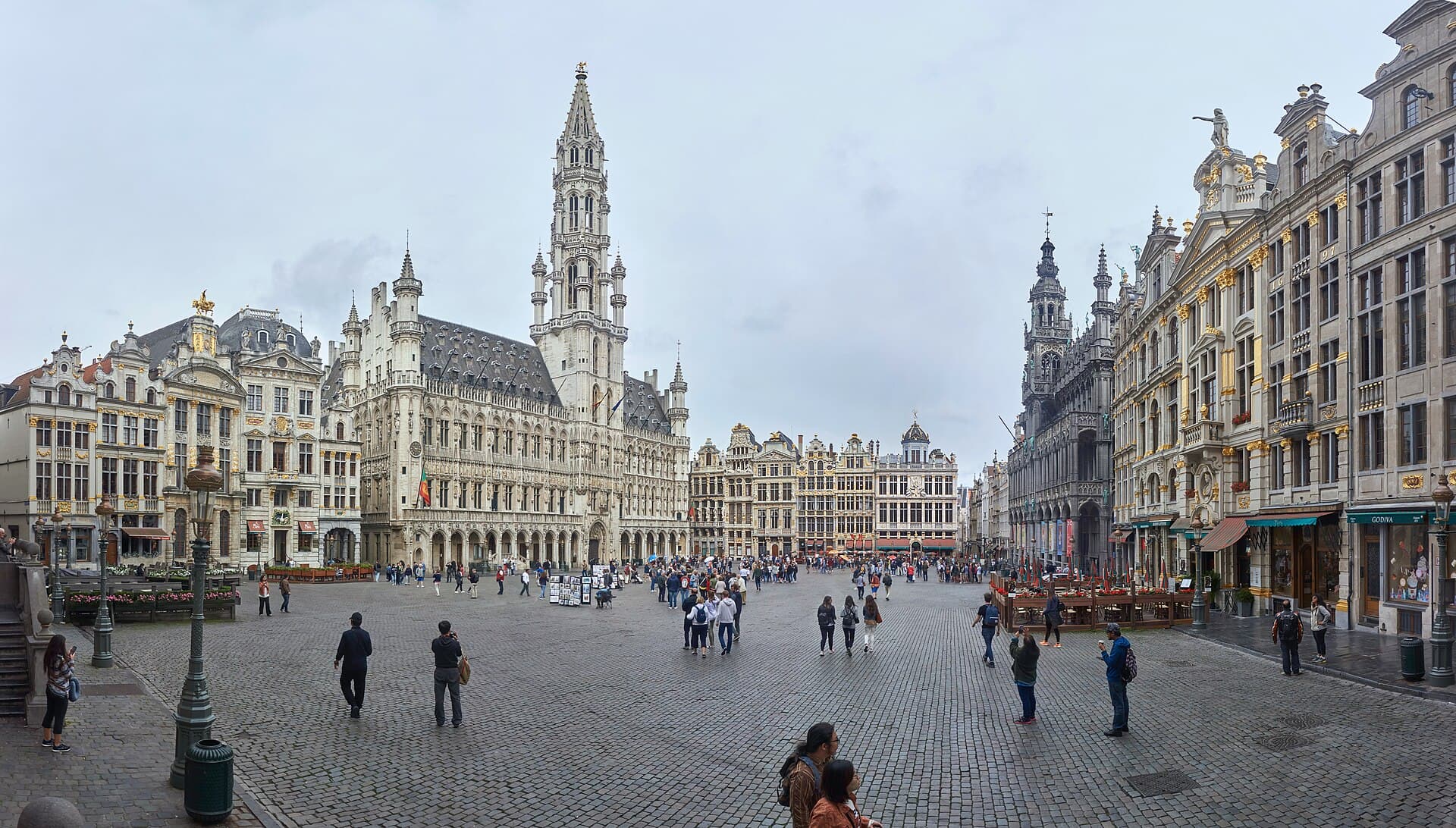 Grand-PlaceThe Grand-Place is the heart of Brussels and one of the world's most beautiful s12 minutes walk4.8
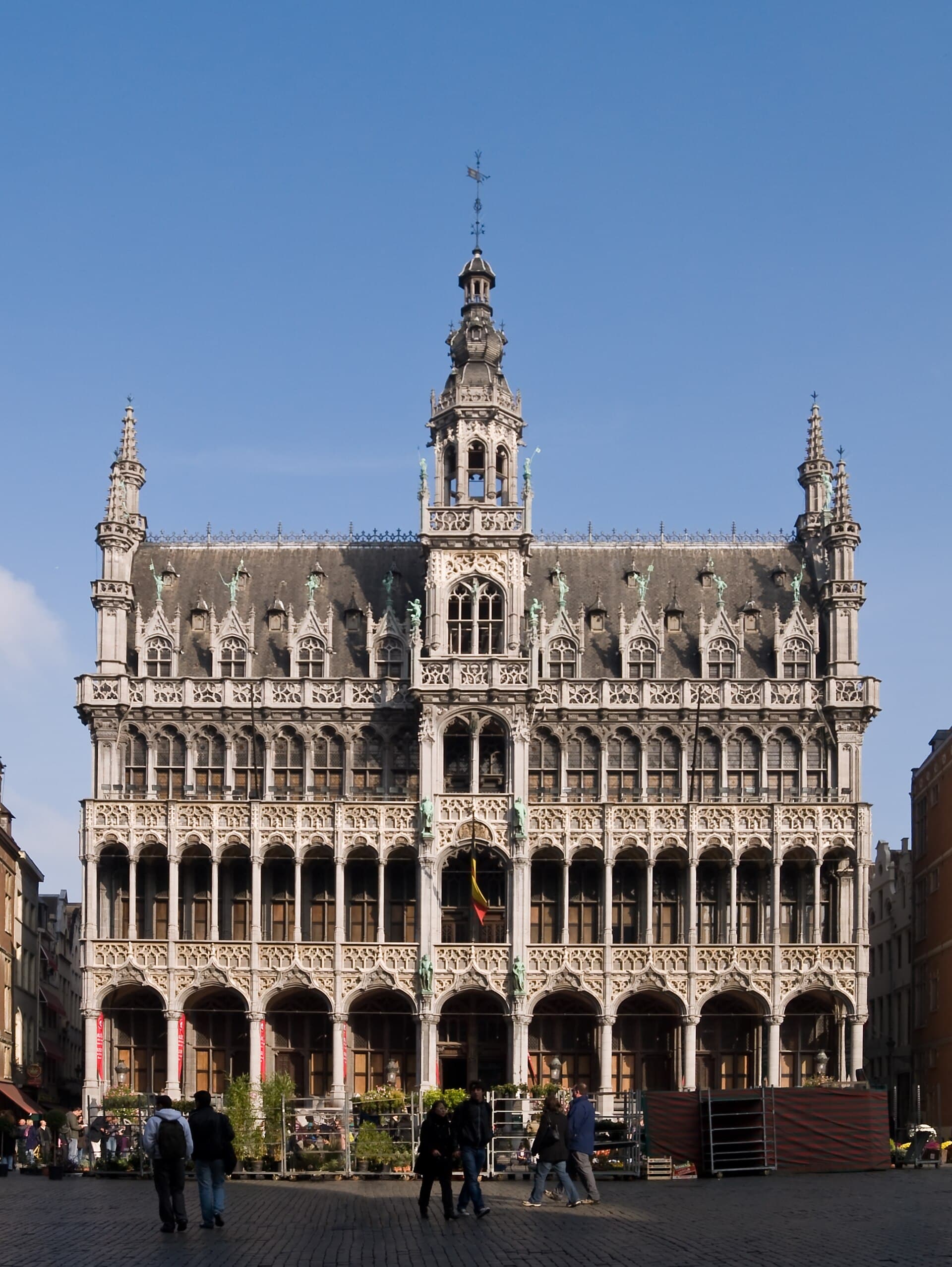 Brussels City Museum (King's House)The Brussels City Museum occupies the "King's House" — the imposing neo-Gothic b13 minutes walk4.5
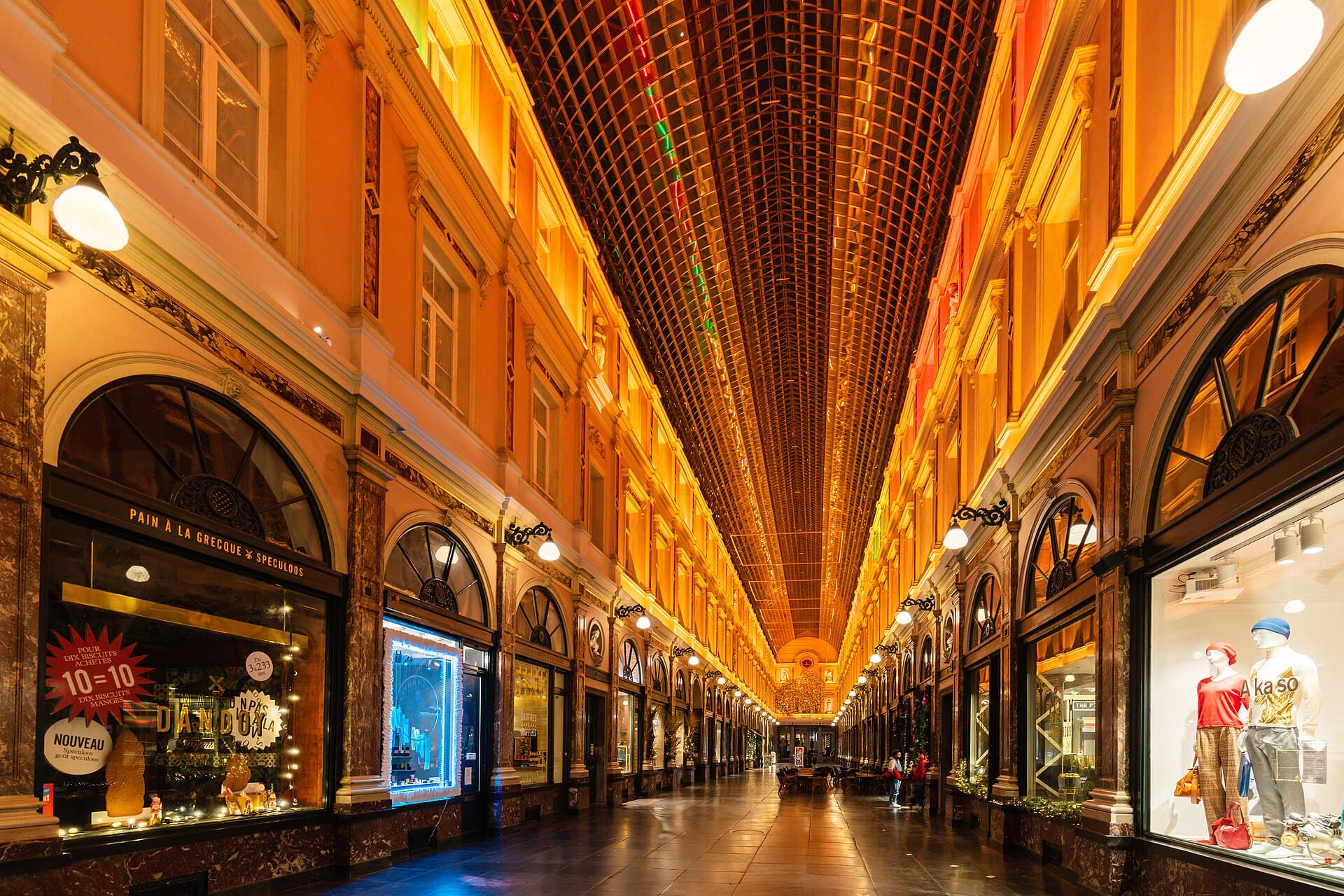 Galeries Royales Saint-HubertThe Galeries Royales Saint-Hubert are among Europe's first covered shopping arca15 minutes walk4.6
There is damp, smell and the sound of running water, and that is part of the point rather than a failing of the presentation. The routes are safe and equipped, but anyone who finds such conditions distressing or who is claustrophobic should skip it. Anyone who can take it comes out with an entirely different understanding of how a city works.
A river that ran open through central Brussels and, as the city grew, became an open sewer that caused cholera epidemics killing thousands in the nineteenth century. It was covered over from 1867 and the present central boulevards built above it. That is why you see no river in central Brussels although the city grew up on one.