
The Saur of Iskandar
A petrified trunk by the sheikh's tomb.
St. Christofor — CC BY-SA 4.0 · Panpanchik — CC BY-SA 4.0 · Humoyun Mehridinov — CC BY-SA 4.0 · Panpanchik — CC BY-SA 4.0 · Jamshid Nurkulov — CC BY-SA 4.0
The Sheikhantaur Complex gathers three mausoleums in central Tashkent, what remains of the cemetery around the grave of Sheikh Khovendi at-Tahur. A Sufi of Khoja Ahmed Yasawi's path, born in the late 13th century near today's Charvak Reservoir, he died between 1355 and 1360, and his shortened name, Sheikhantaur, now names a city district. Legend tells of a spring of eternal life where Alexander the Great rested, and of Amir Timur healing a wounded leg in its water and raising the first tomb. By the 16th century this was Tashkent's favourite holy place, where its nobility were buried; in Soviet times the cemetery was closed and most of its buildings demolished. The sheikh's mausoleum, rebuilt on its old foundations around 1800, has two domes of unequal height; beside his tombstone stands a petrified trunk, the Saur of Iskandar, said to be the last of 48 trees Alexander planted. North of it, the Kaldirgochbiy mausoleum, from the first half of the 15th century, wears a twelve-sided conical dome unusual in Uzbekistan; by tradition the Kazakh judge Tole bi lies here. To the west, on the Islamic academy's grounds, stands the largest, the mausoleum of Babur's maternal grandfather Yunus Khan, built after his death in 1487 as a khanqah, on a plan rare in Central Asia. The complex lies some 600 m north-east of Alisher Navoiy metro station and 2 km east of Chorsu Bazaar as the crow flies; enter by the lane east of the tombs, off Abdulla Qodiriy. The sheikh's and Kaldirgochbiy's tombs are open; allow 20 to 40 minutes.
A petrified trunk by the sheikh's tomb.
Conical and twelve-sided, unusual in Uzbekistan.
A late-15th-century khanqah of rare plan, on closed grounds.
Between Navoi and Abdulla Qodiriy streets, Shaykhontohur district, Tashkent
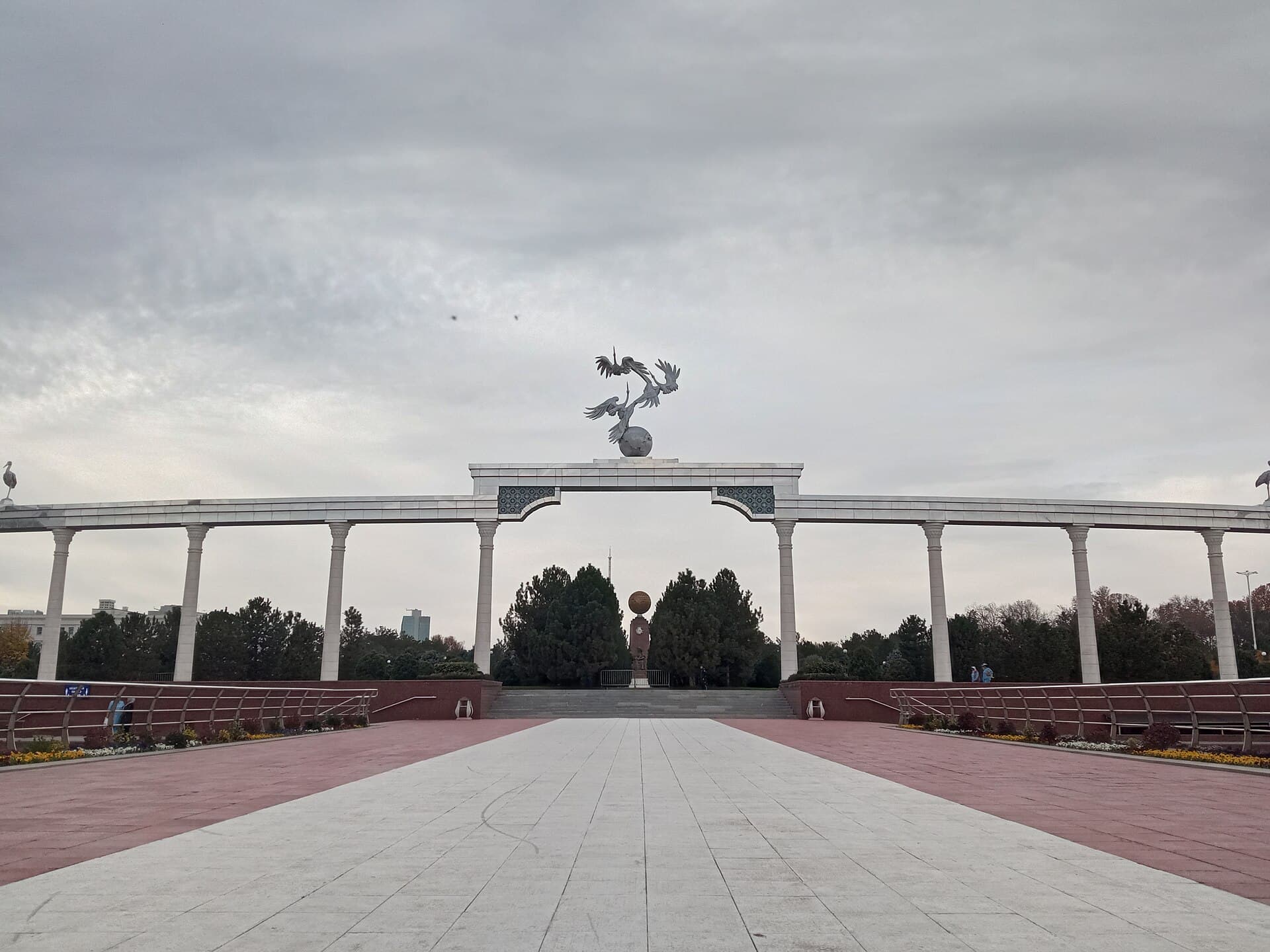 Independence Square, TashkentTashkent's largest square, more a vast park than a plaza. Once Lenin Square, it 15 minutes walk
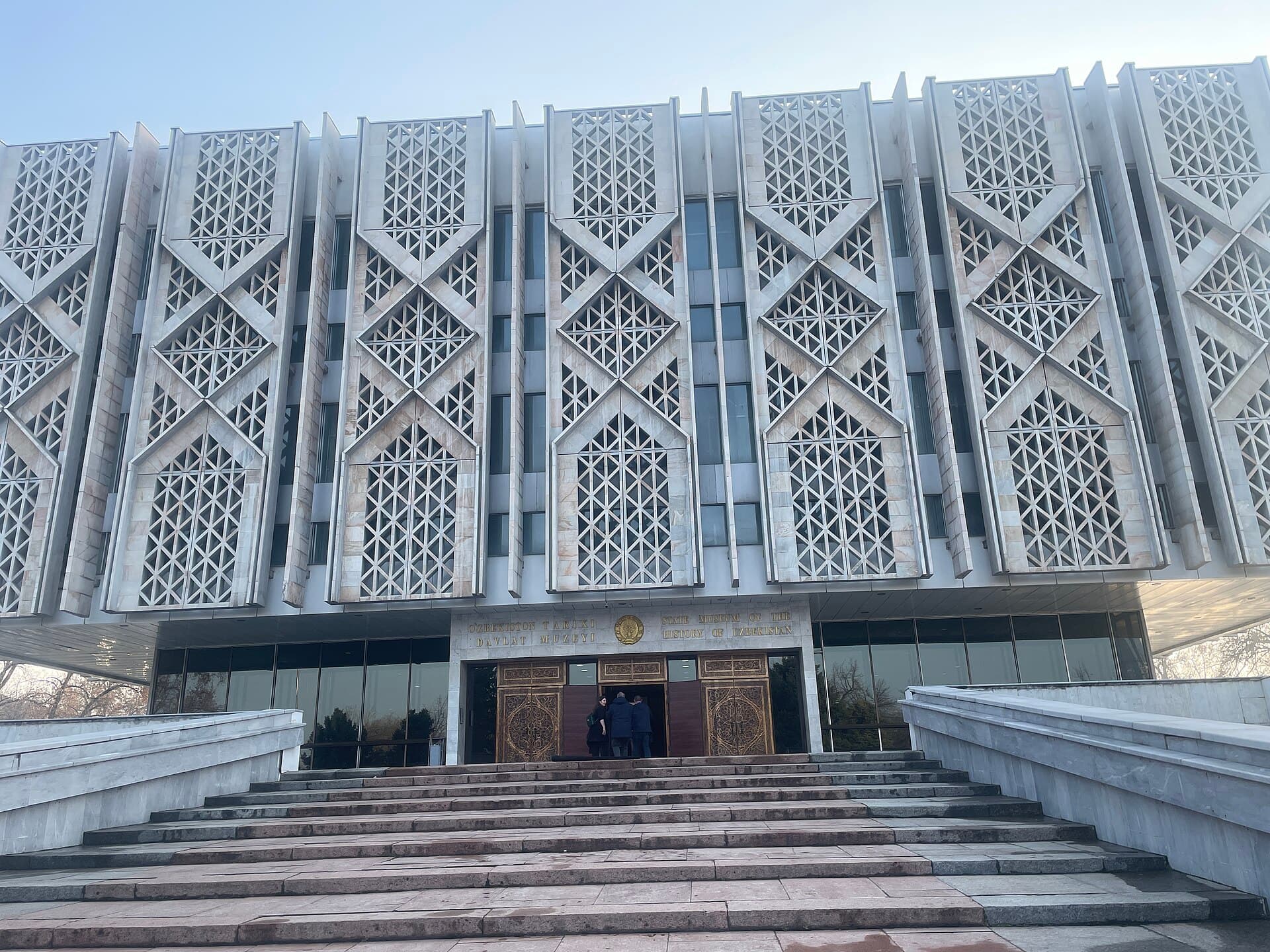 State Museum of History of UzbekistanCentral Asia's oldest museum and Uzbekistan's main history museum, founded in 1819 minutes walk4.1
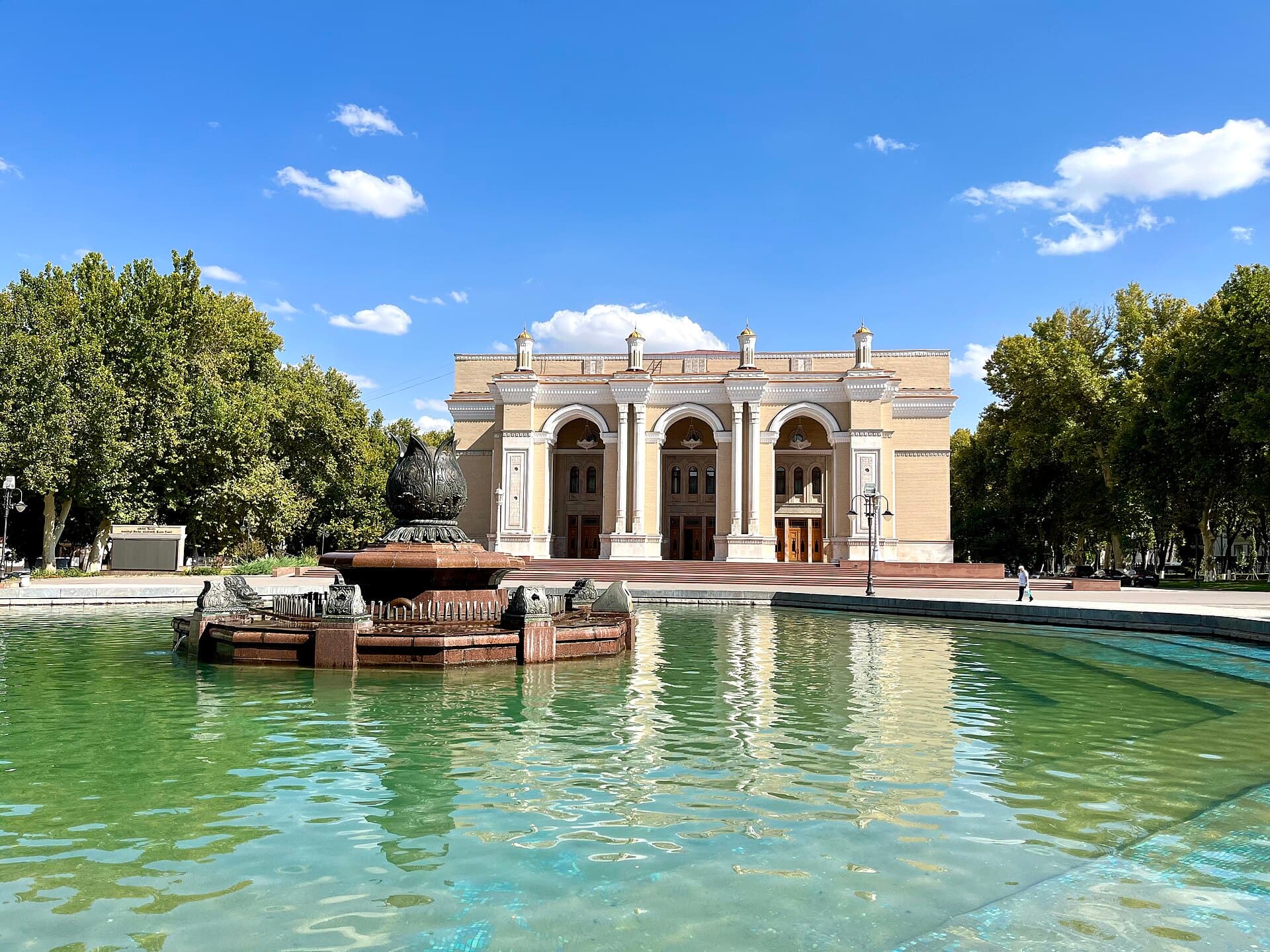 Alisher Navoi TheatreUzbekistan's national opera and ballet house, officially the Alisher Navoi State23 minutes walk4.6
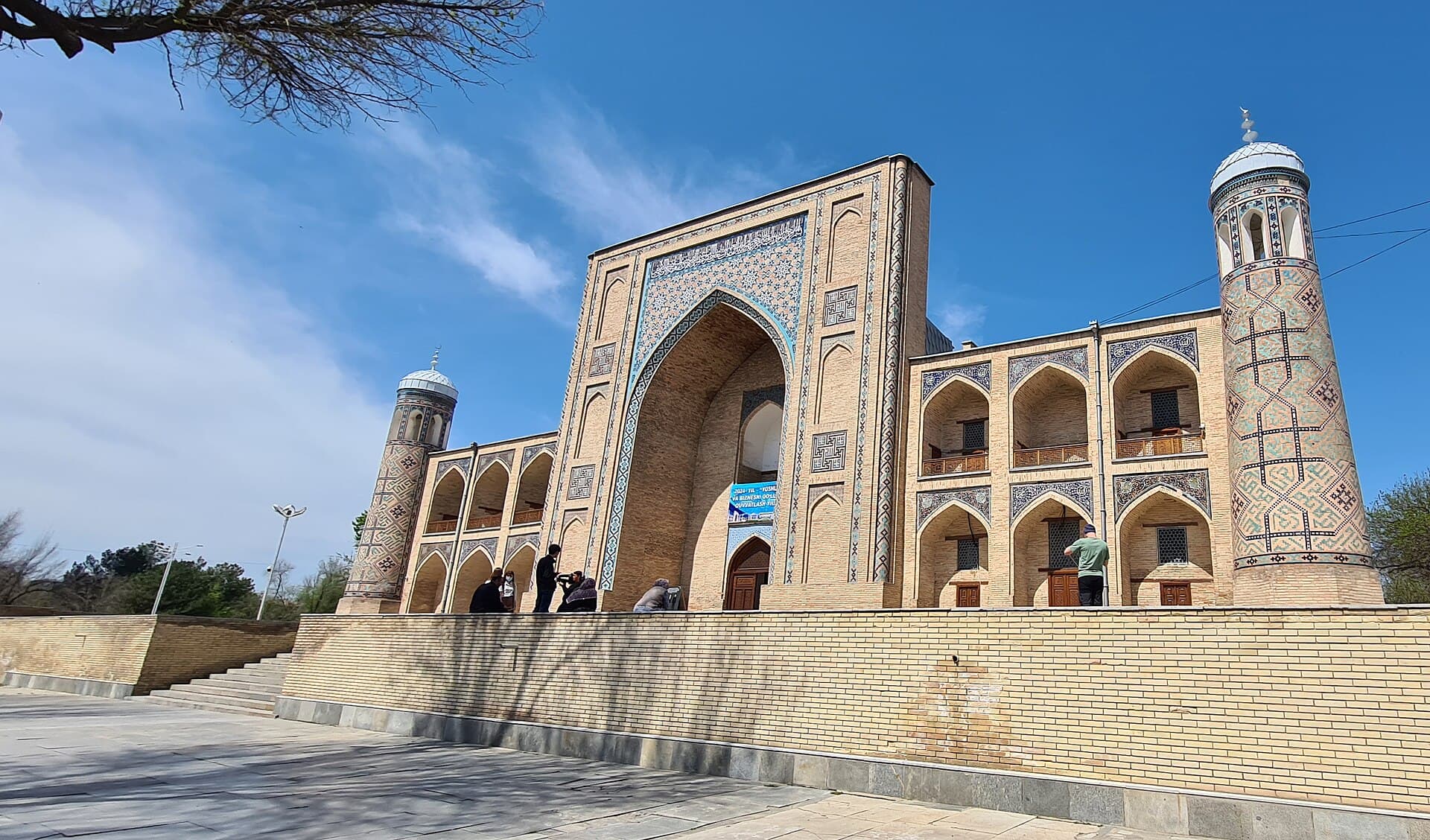 Kukeldash Madrasa, TashkentOne of Tashkent's oldest surviving madrasas, built around 1570 by the Shaybanid 24 minutes walk
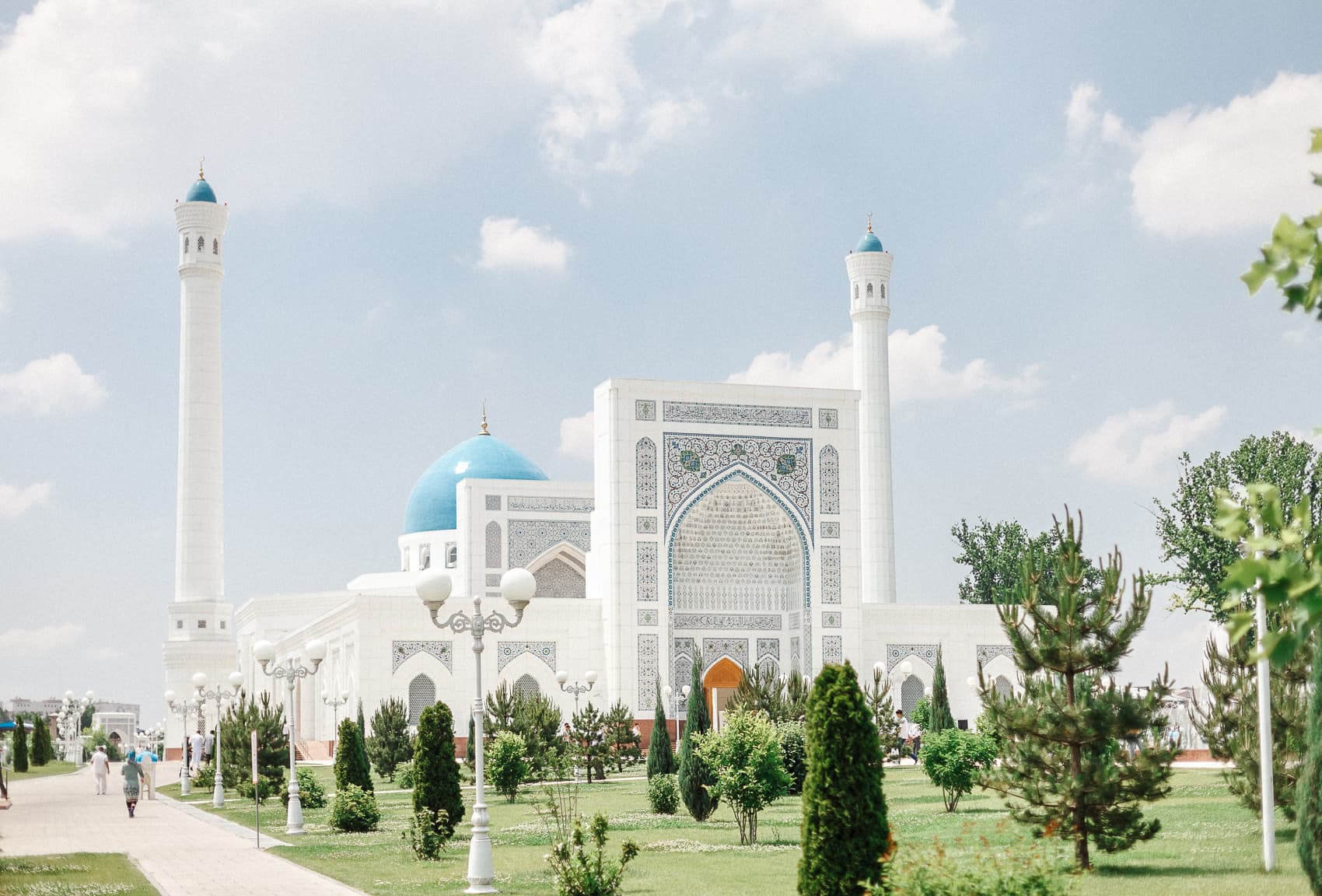 Minor MosqueA modern mosque built between summer 2013 and October 2014 on the bank of the An24 minutes walk
Usually not: it stands on the restricted grounds of the Islamic academy, formerly Tashkent Islamic University, per the city's official site, and guides say outsiders are seldom let in. Despite its name, no burial has been found inside, though his grandson, the historian Mirza Haidar Dughlat, wrote that he was buried near the sheikh's tomb.
A Kazakh judge (1663–1756), one of the authors of the Kazakh law code known as the Seven Codes, who governed Tashkent in the 1740s. Legend says he would not flee a Dzungar invasion for fear of destroying a swallow's nest in his home, and the invaders spared him, hence his nickname Kaldirgoch, the swallow.