
The gold and gems
More than a thousand precious stones and antique carvings set into the casket.
Arabsalam — CC BY-SA 4.0 · Anteeru — CC BY-SA 3.0 · -wuppertaler — CC BY 4.0 · Vassil — CC0
The Shrine of the Three Kings is a large golden casket set behind the high altar of Cologne Cathedral, believed to hold the remains of the three Magi who visited Christ in the Christian account. It was made between 1180 and 1225 and is the largest reliquary of its kind in Europe. This casket is the reason the cathedral exists at all. When the relics arrived in Cologne in 1164 the city became a major pilgrimage destination, so its people resolved to build a church worthy of them — and the result was the largest Gothic cathedral in northern Europe. The shrine is worked in gold and silver and set with more than a thousand gems and antique carved stones.
More than a thousand precious stones and antique carvings set into the casket.
The relics that arrived in 1164 are what drove the city to build northern Europe's largest cathedral.
Late twelfth-century goldwork, among the finest medieval art to survive.
Inside Cologne Cathedral, 50667 Köln
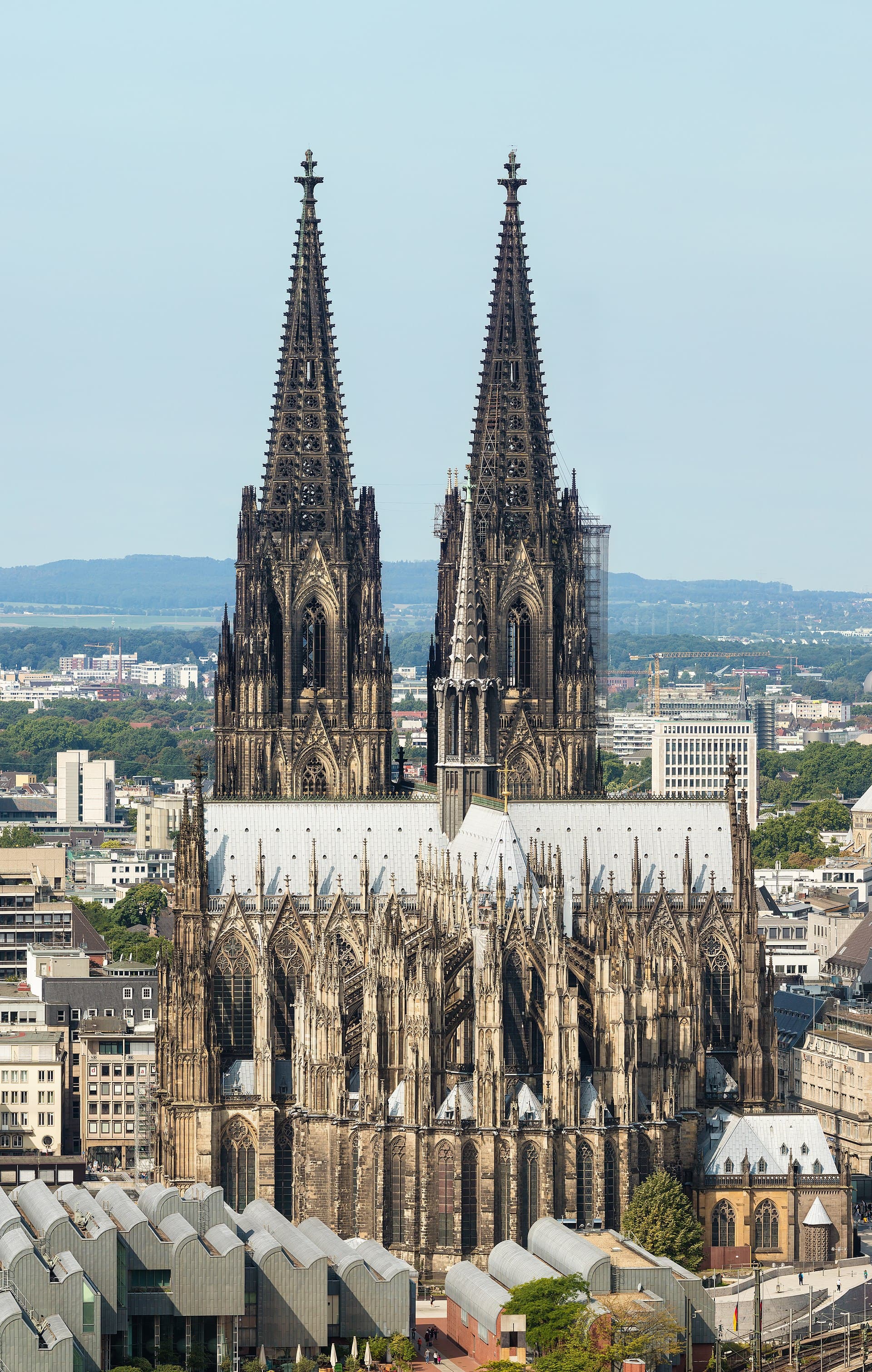 Cologne CathedralCologne Cathedral is Germany's most famous and most visited building. Work began1 minute walk4.4
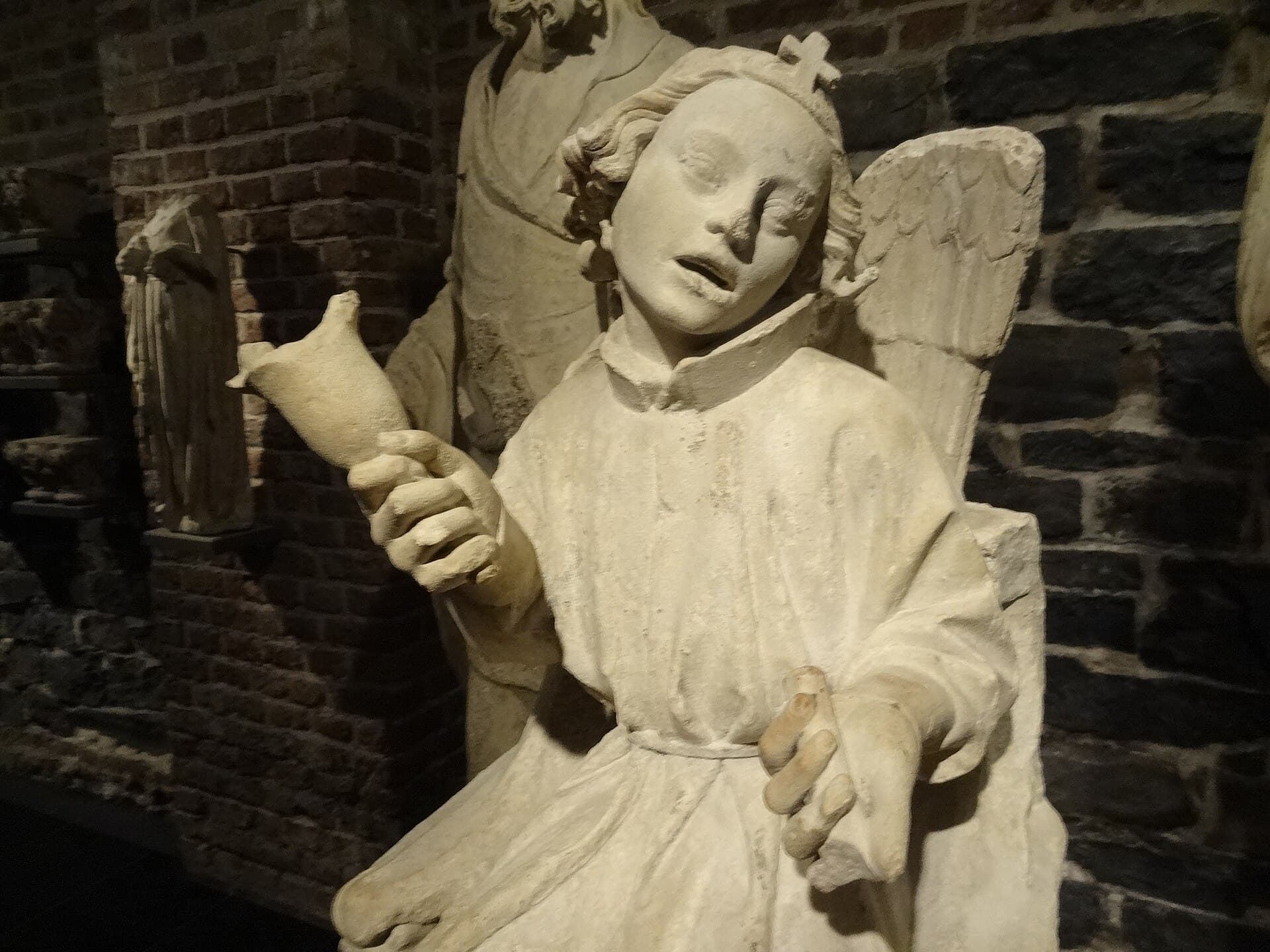 Cologne Cathedral TreasuryThe Cathedral Treasury is a small museum in stone vaults beneath the north side 1 minute walk4.7
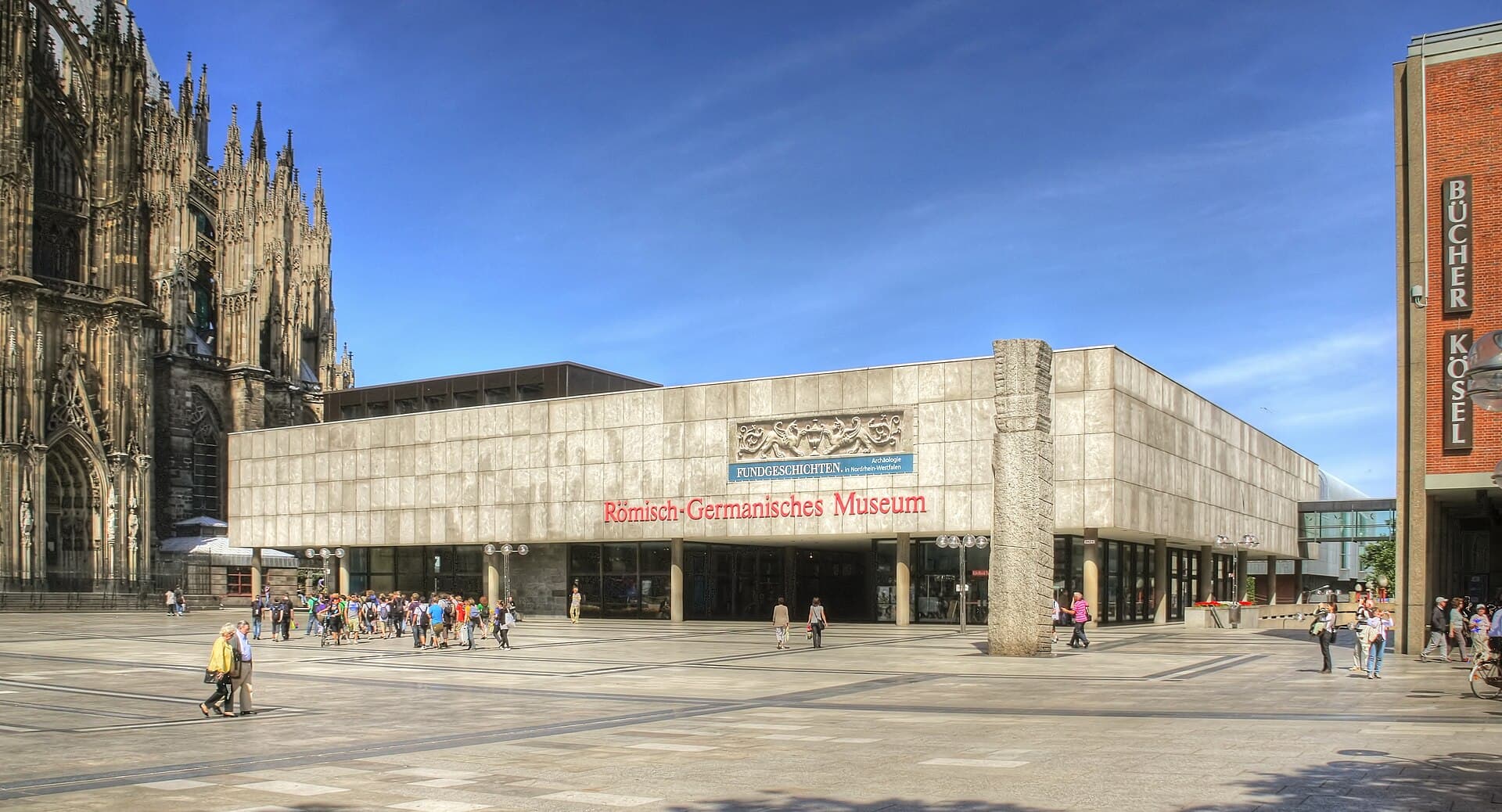 Romano-Germanic MuseumCologne is a Roman city before it is anything else: the Romans founded it as a c1 minute walk3.9
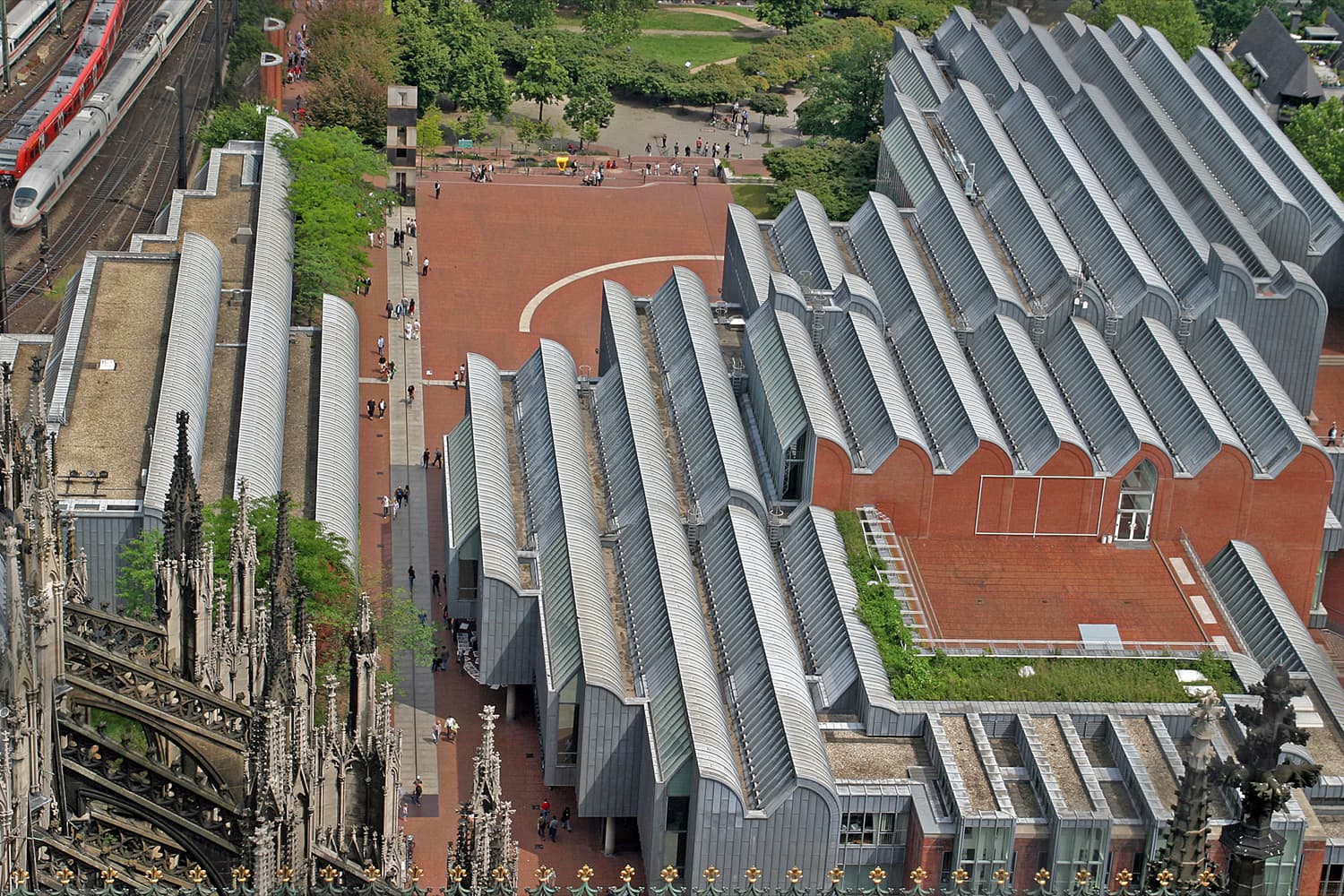 Museum LudwigMuseum Ludwig is Cologne's museum of modern and contemporary art, standing direc1 minute walk4.6
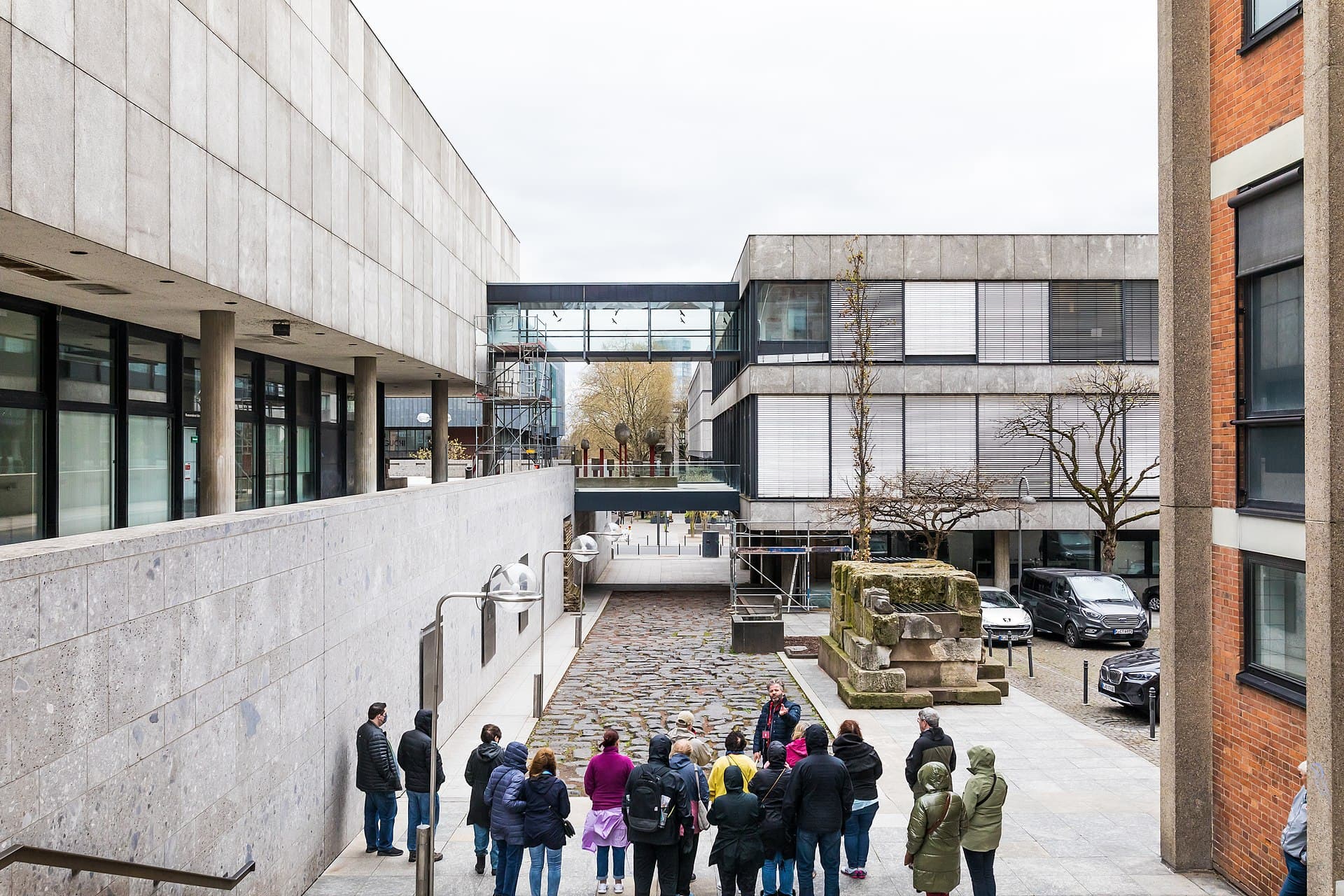 The Roman Harbour StreetThe Roman harbour street is the remains of a paved road that connected Roman Col1 minute walk4.7
On ordinary days it is seen from a distance behind the high altar and a barrier. Closer access comes on certain guided tours and on particular occasions in the year. Ask at the cathedral information desk about that day's tours.
That is a Christian religious belief rather than an established historical fact. What is certain is that the relics were brought from Milan to Cologne in 1164, and that their arrival genuinely changed the city's history and made it a pilgrimage destination. The shrine itself is a masterpiece regardless of its contents.
Fifteen minutes within a cathedral visit. It is a stop inside the church rather than a separate outing, so fold it into your cathedral tour.