
The basalt paving
Stone brought from afar for an important road.
Raimond Spekking — CC BY-SA 4.0 · Raimond Spekking — CC BY-SA 4.0 · Palickap — CC BY 4.0 · Raimond Spekking — CC BY-SA 4.0
The Roman harbour street is the remains of a paved road that connected Roman Cologne with its harbour on the Rhine. The original stone paving is exposed in place today, and the ruts worn by cart wheels are still visible cut into the stone after two thousand years — and that detail specifically is what makes the site worth stopping for. The Rhine was the artery of the entire city: Cologne rose as a river port and trading centre on the empire's northern frontier, and goods were unloaded at the bank and carried along this road inside the walls. The road was paved in basalt brought from a considerable distance, which indicates how important it was. The site is small and open, part of the archaeological excavations in the city centre, and it is seen free in a few minutes. It is a stop rather than a destination — but combining it with the Roman sewer and the Romano-Germanic Museum gives a coherent picture of Roman Cologne in half a day.
Stone brought from afar for an important road.
The link between the Roman town and the Rhine.
Central Cologne, 50667 Cologne
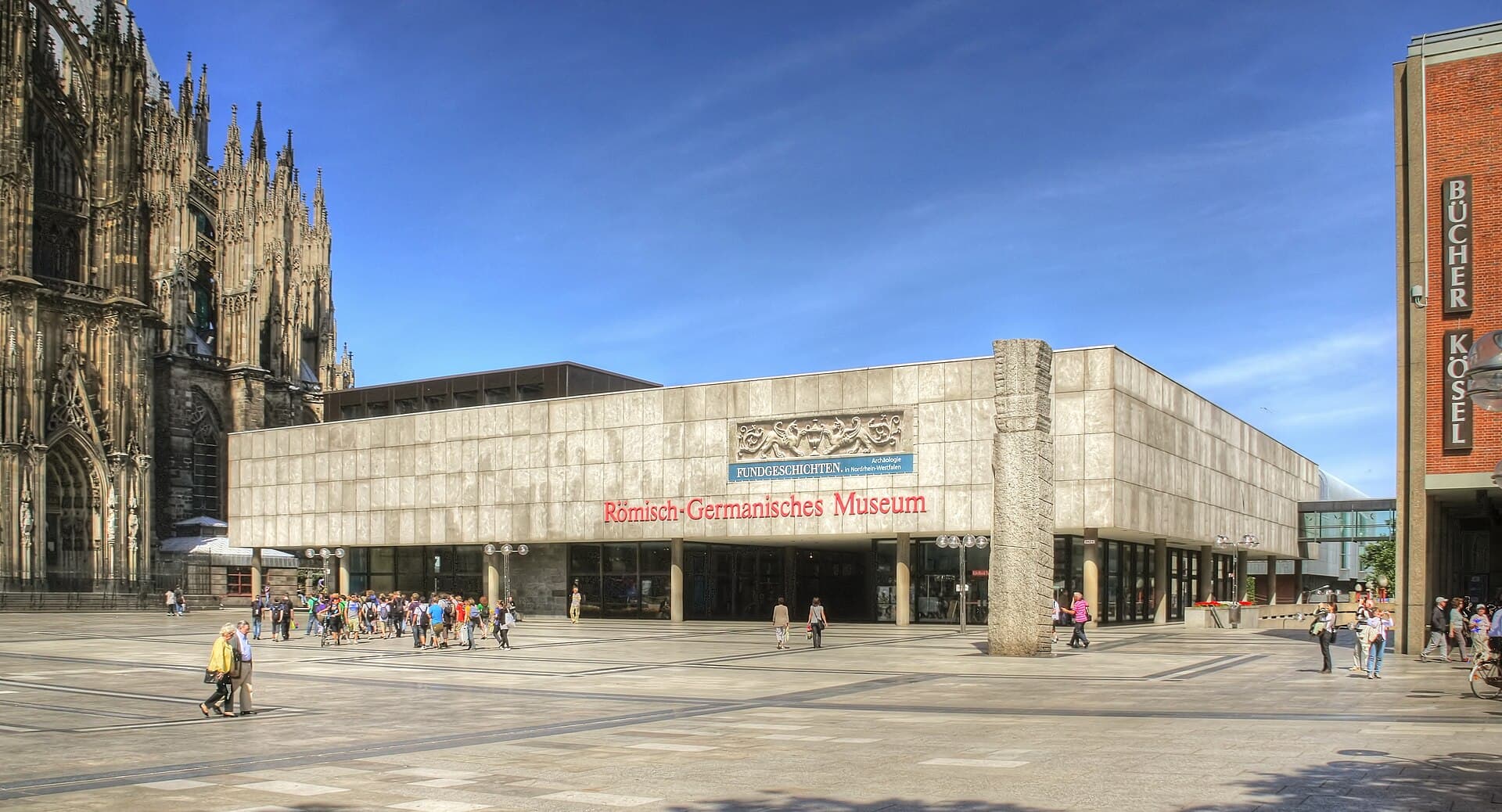 Romano-Germanic MuseumCologne is a Roman city before it is anything else: the Romans founded it as a c1 minute walk3.9
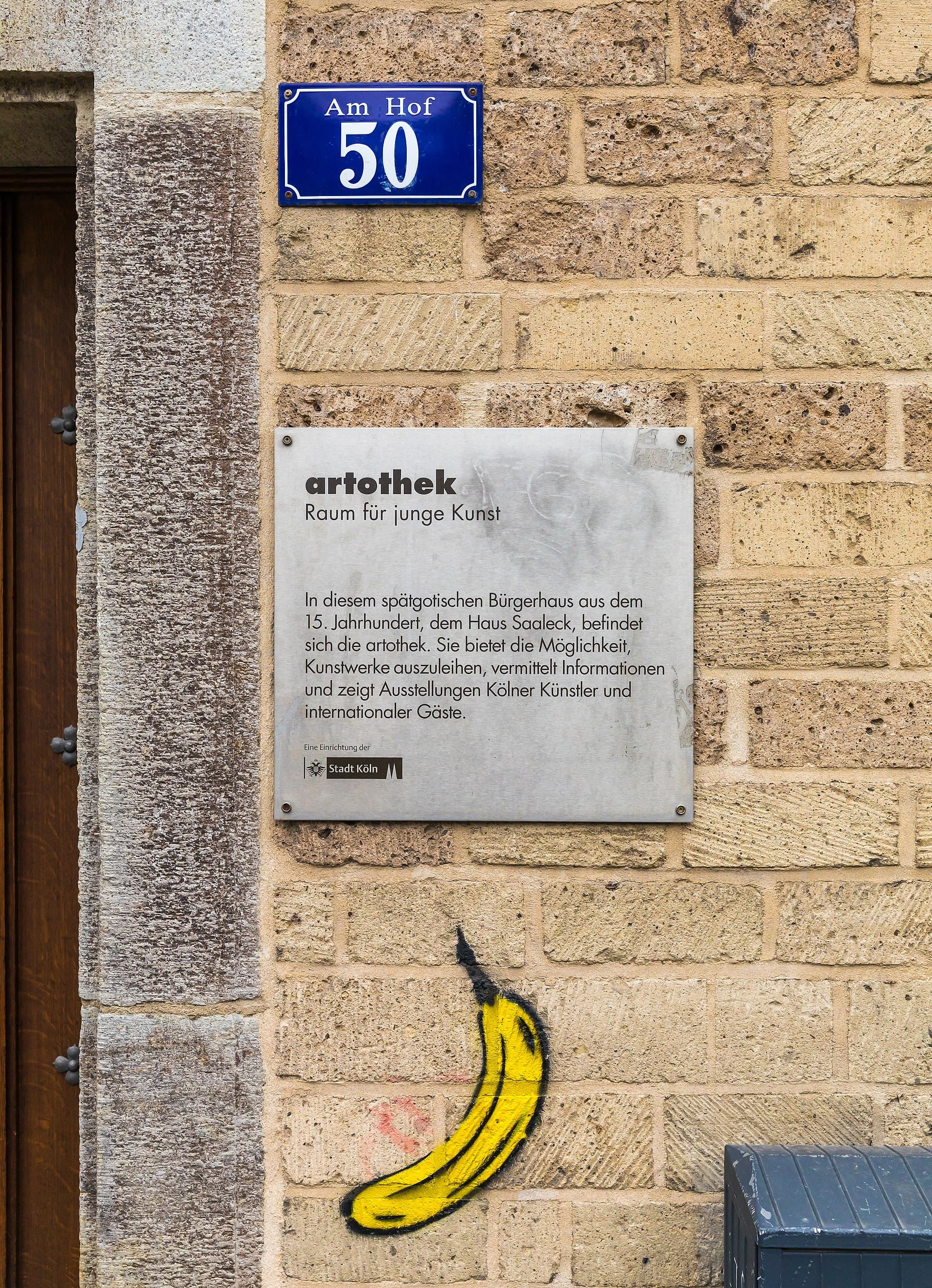 The Artothek — art lending libraryA municipal art institution in central Cologne working on an unusual principle: 1 minute walk4.6
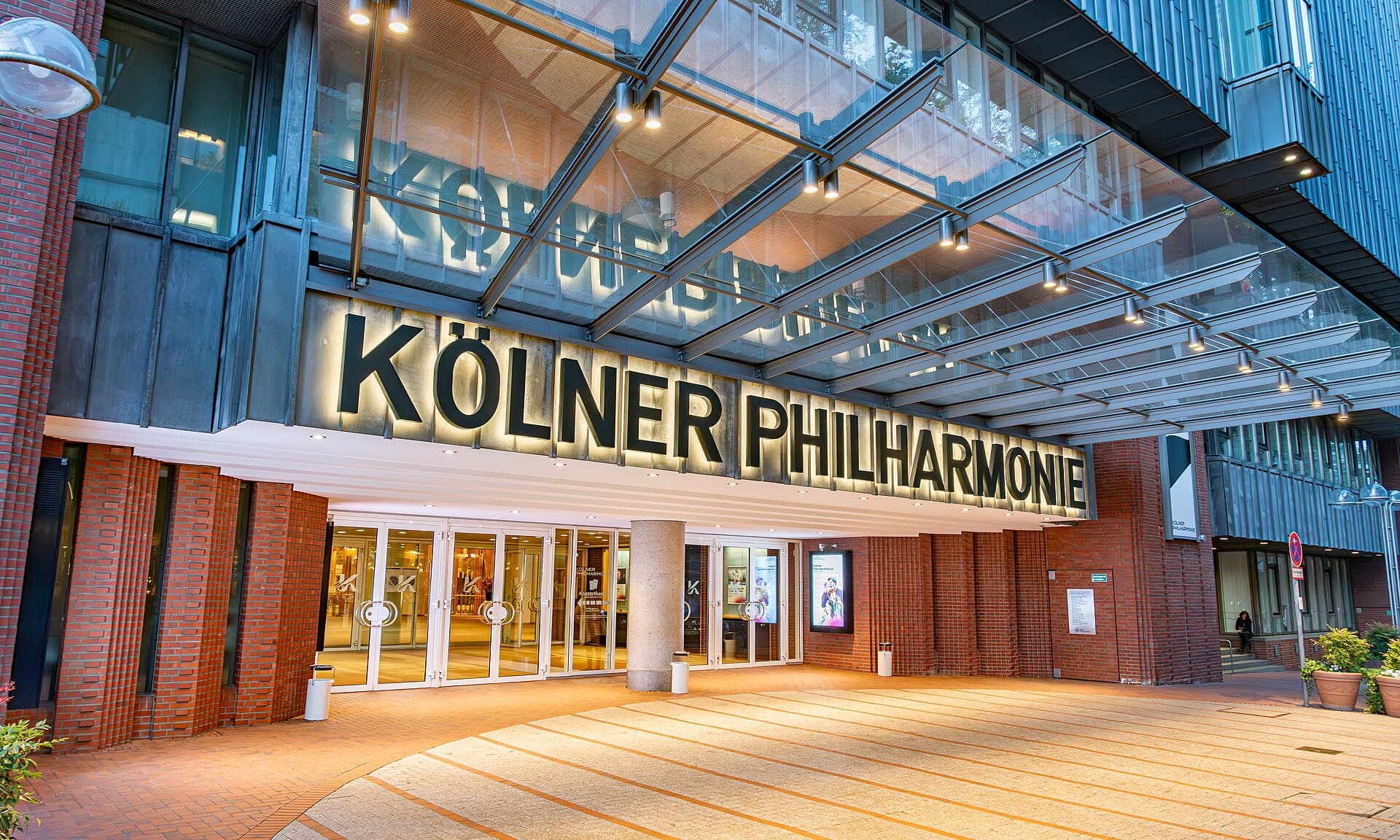 Cologne PhilharmonieCologne's principal concert hall opened in nineteen eighty-six, sunk into the gr1 minute walk4.7
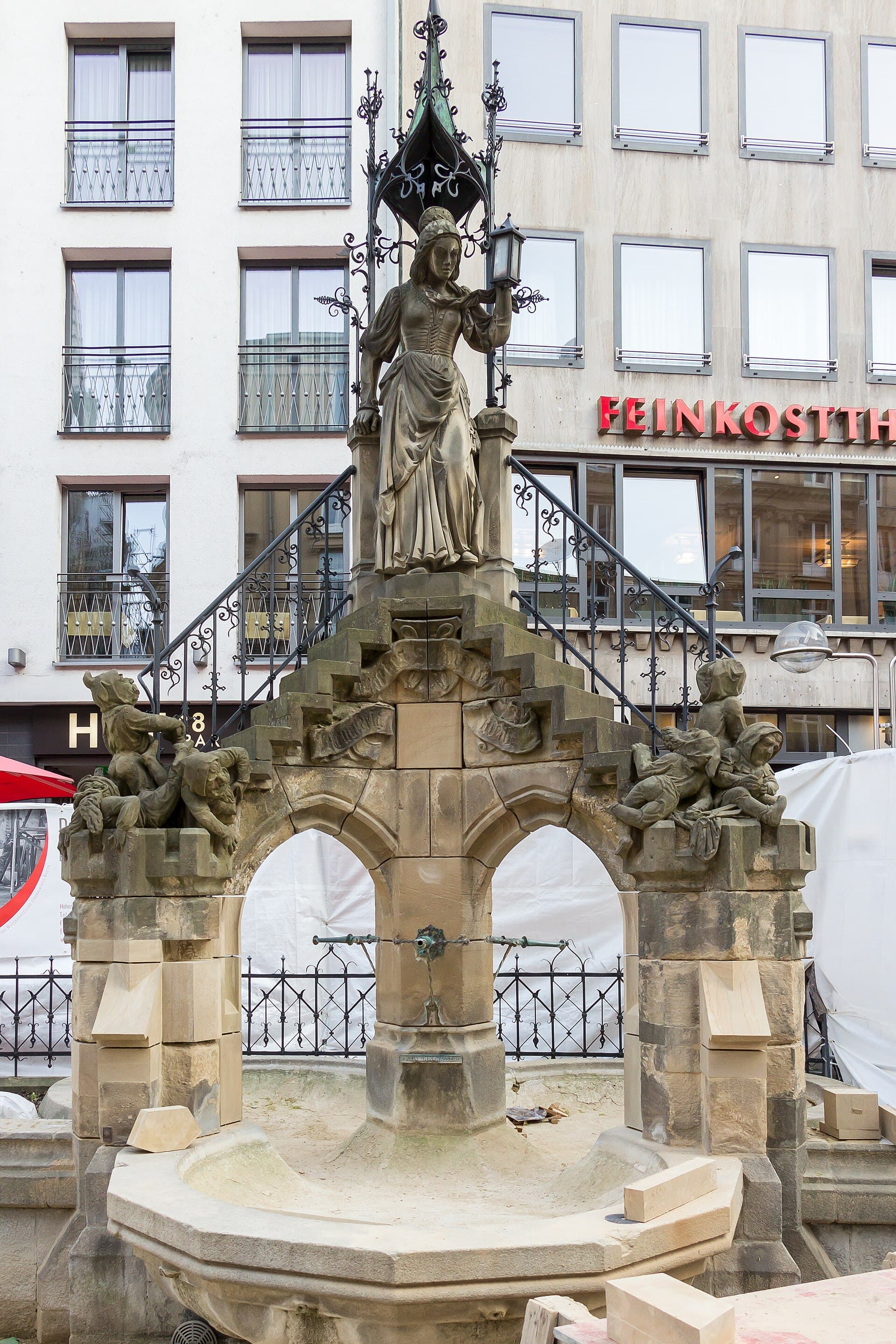 Heinzelmännchen FountainThe Heinzelmännchen Fountain is a small stone fountain near the cathedral that t1 minute walk4.4
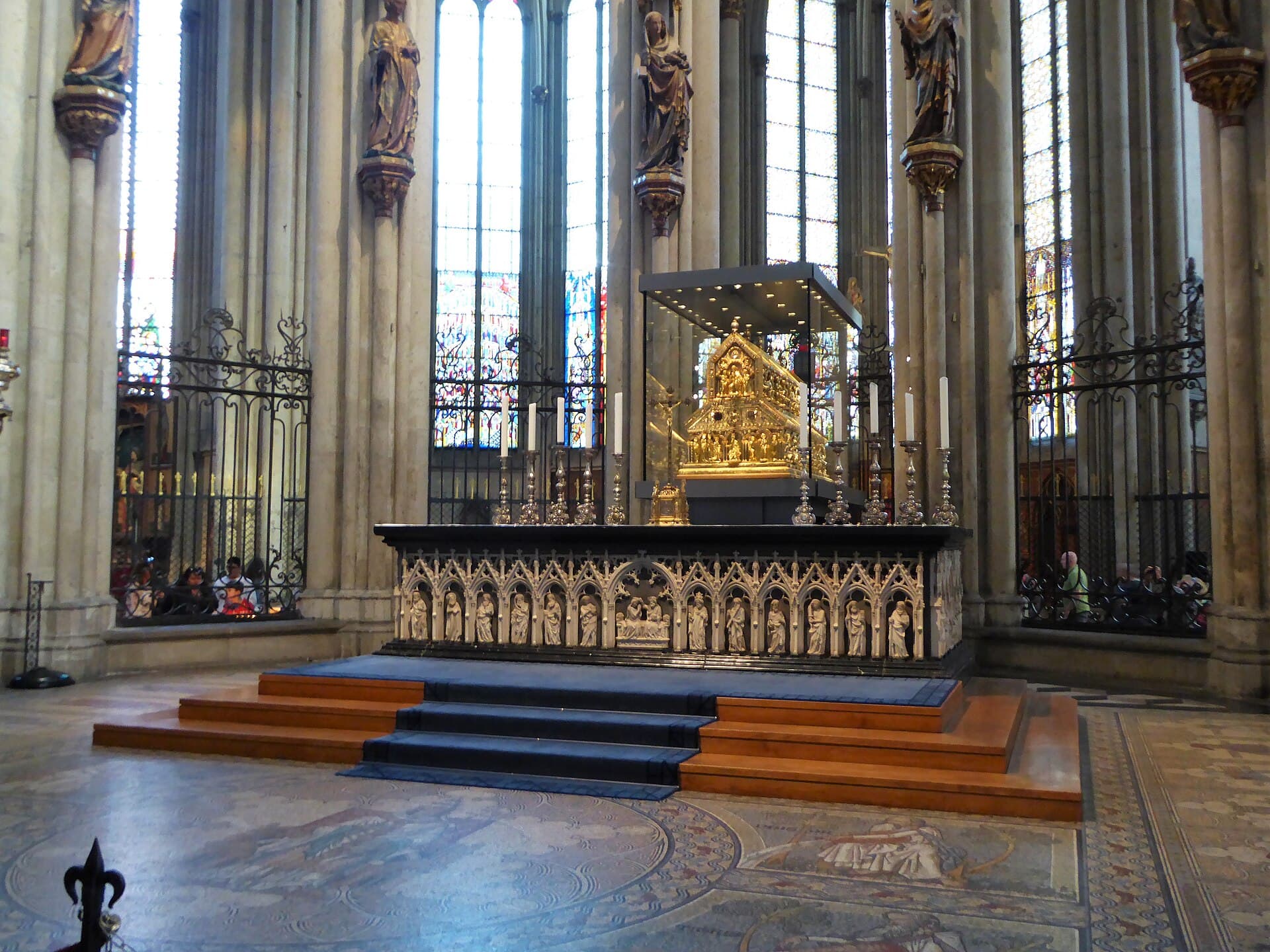 Shrine of the Three KingsThe Shrine of the Three Kings is a large golden casket set behind the high altar1 minute walk4.7
Because it sat on the western bank of the Rhine, the empire's northern boundary and its transport axis. It became the capital of the province of Germania Inferior, the base of a river fleet and a military station, then a trading and manufacturing centre known particularly for glassmaking. That explains the density of Roman remains beneath the modern city, among the richest in Germany.