
Roman Cologne glass
Among the finest ancient glass anywhere.
Raimond Spekking — CC BY-SA 4.0 · Dietmar Rabich — CC BY-SA 4.0 · Raimond Spekking — CC BY-SA 4.0 · Raimond Spekking — CC BY-SA 4.0
Cologne is a Roman city before it is anything else: the Romans founded it as a colonia in the year fifty, and that is where the name comes from. This museum is that city's storeroom — glass, mosaic, gravestones and gold jewellery pulled from beneath the streets of the modern centre, a great deal of it turning up by accident during wartime and post-war digging. The original building on Roncalliplatz beside the cathedral was put up in nineteen seventy-four directly over the Dionysos mosaic, found in nineteen forty-one while an air-raid shelter was being excavated: some seventy square metres of coloured tesserae left where they lay, with the museum built around them. Beside it stands the tomb of Poblicius, about fifteen metres high. The difficulty is that this building has been shut since twenty nineteen for a full refurbishment, and the mosaic and the tomb are locked inside it with no confirmed reopening date. The collection is meanwhile shown at the Belgisches Haus near Neumarkt, roughly ten minutes' walk away: about a thousand well-presented objects — but the museum's two most famous pieces are not among them.
Among the finest ancient glass anywhere.
Heavy gravestones and fine gold rings.
Temporary home: Belgisches Haus, Caecilienstrasse 46, 50667 Cologne
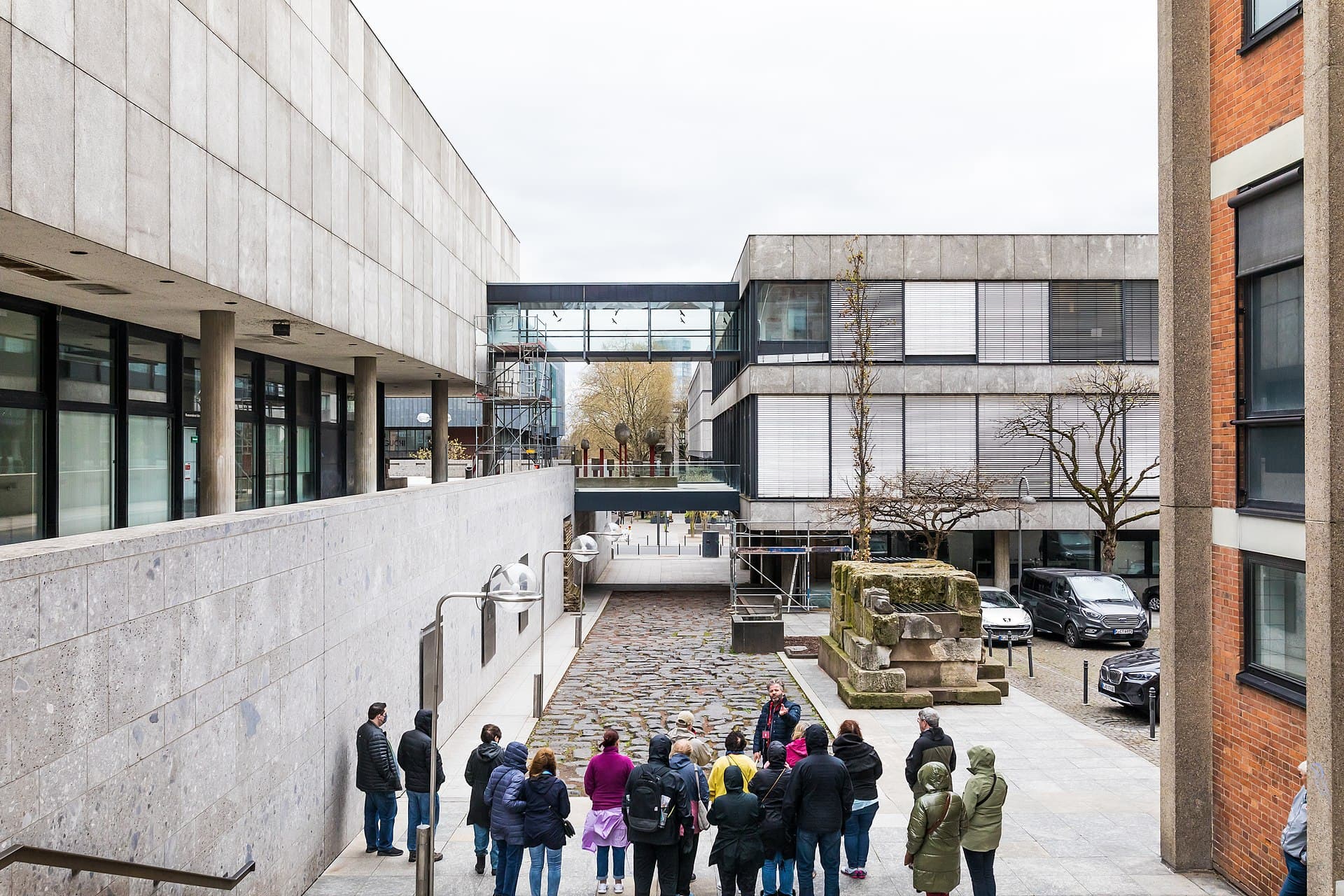 The Roman Harbour StreetThe Roman harbour street is the remains of a paved road that connected Roman Col1 minute walk4.7
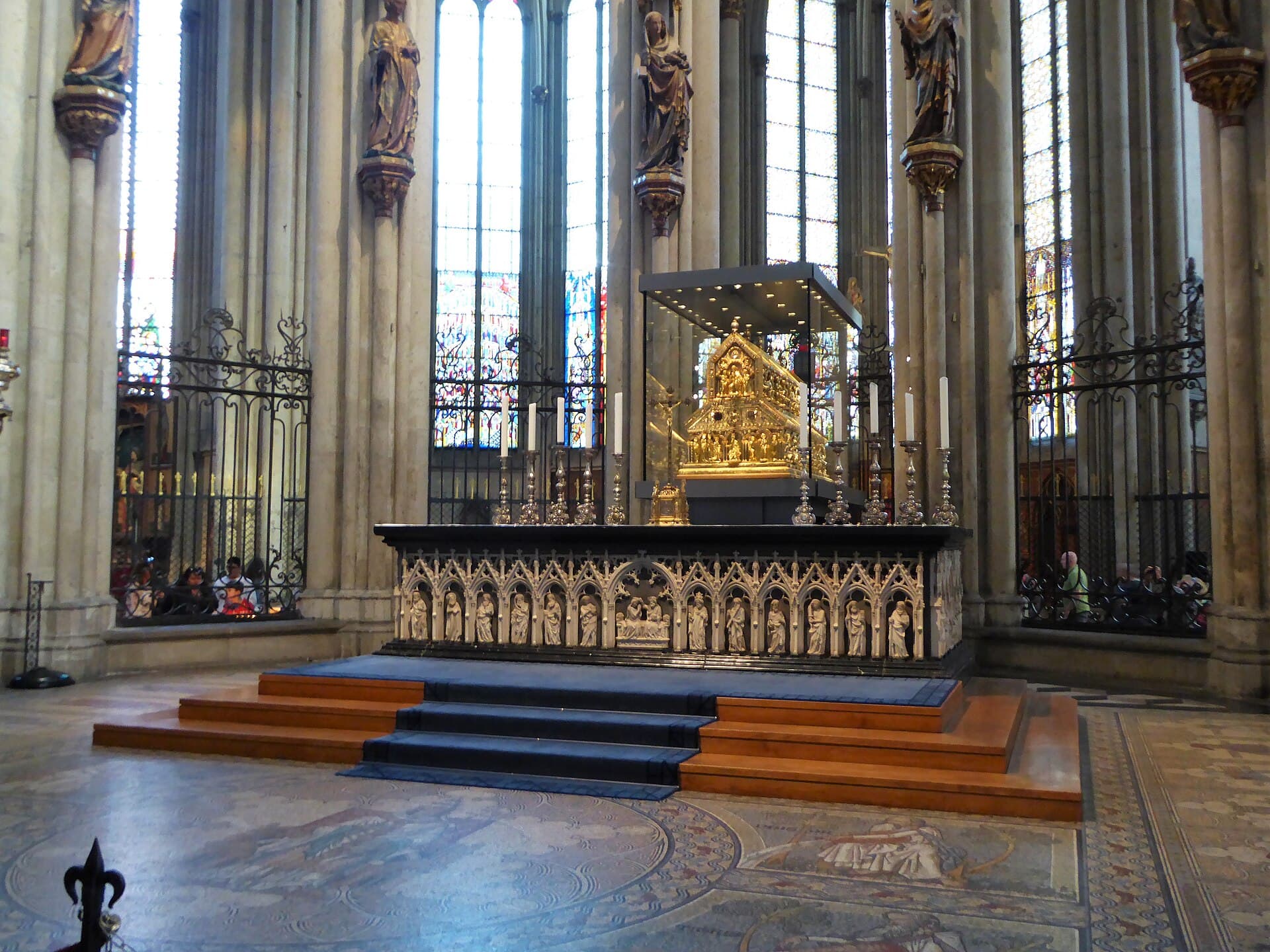 Shrine of the Three KingsThe Shrine of the Three Kings is a large golden casket set behind the high altar1 minute walk4.7
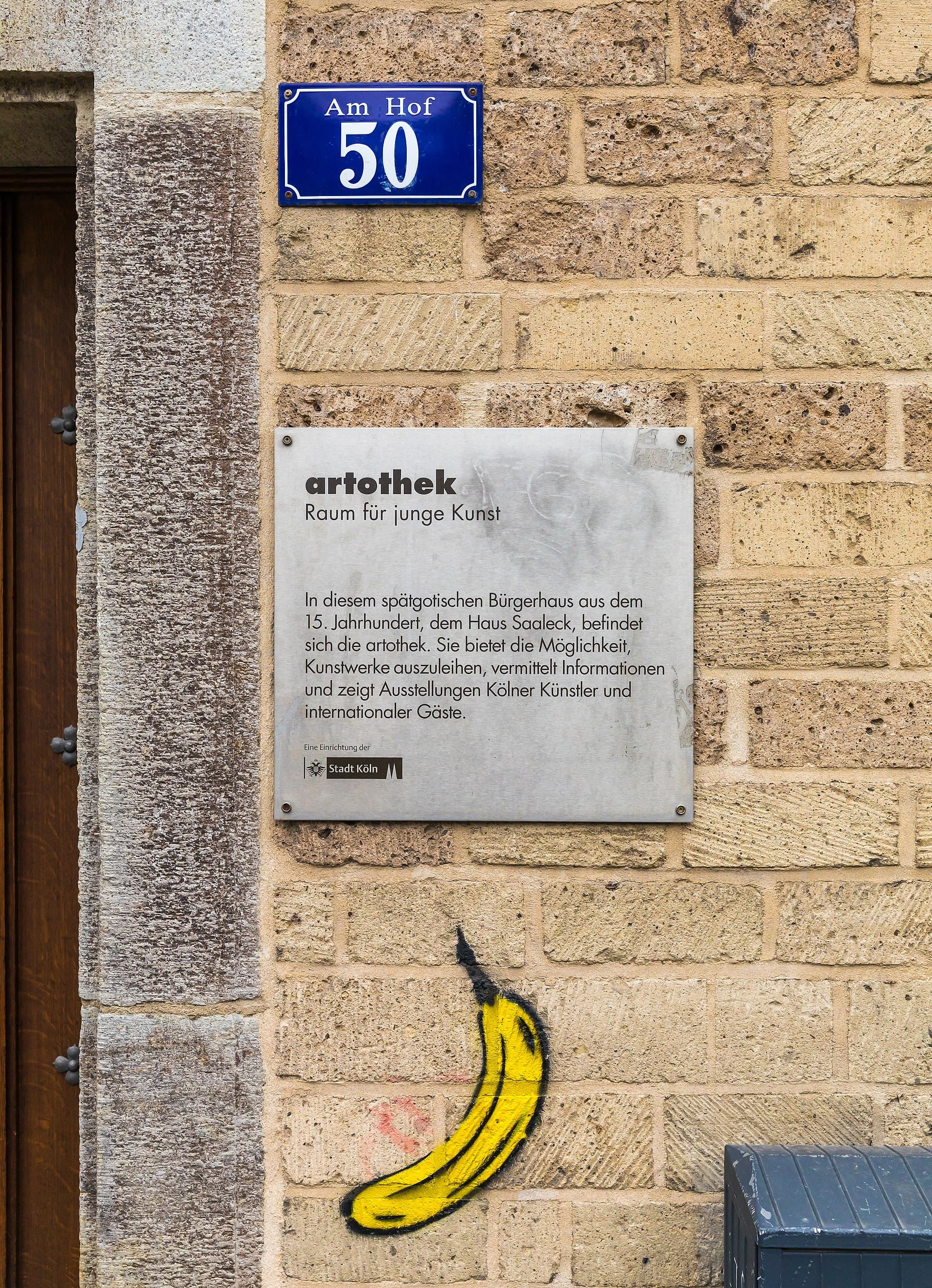 The Artothek — art lending libraryA municipal art institution in central Cologne working on an unusual principle: 1 minute walk4.6
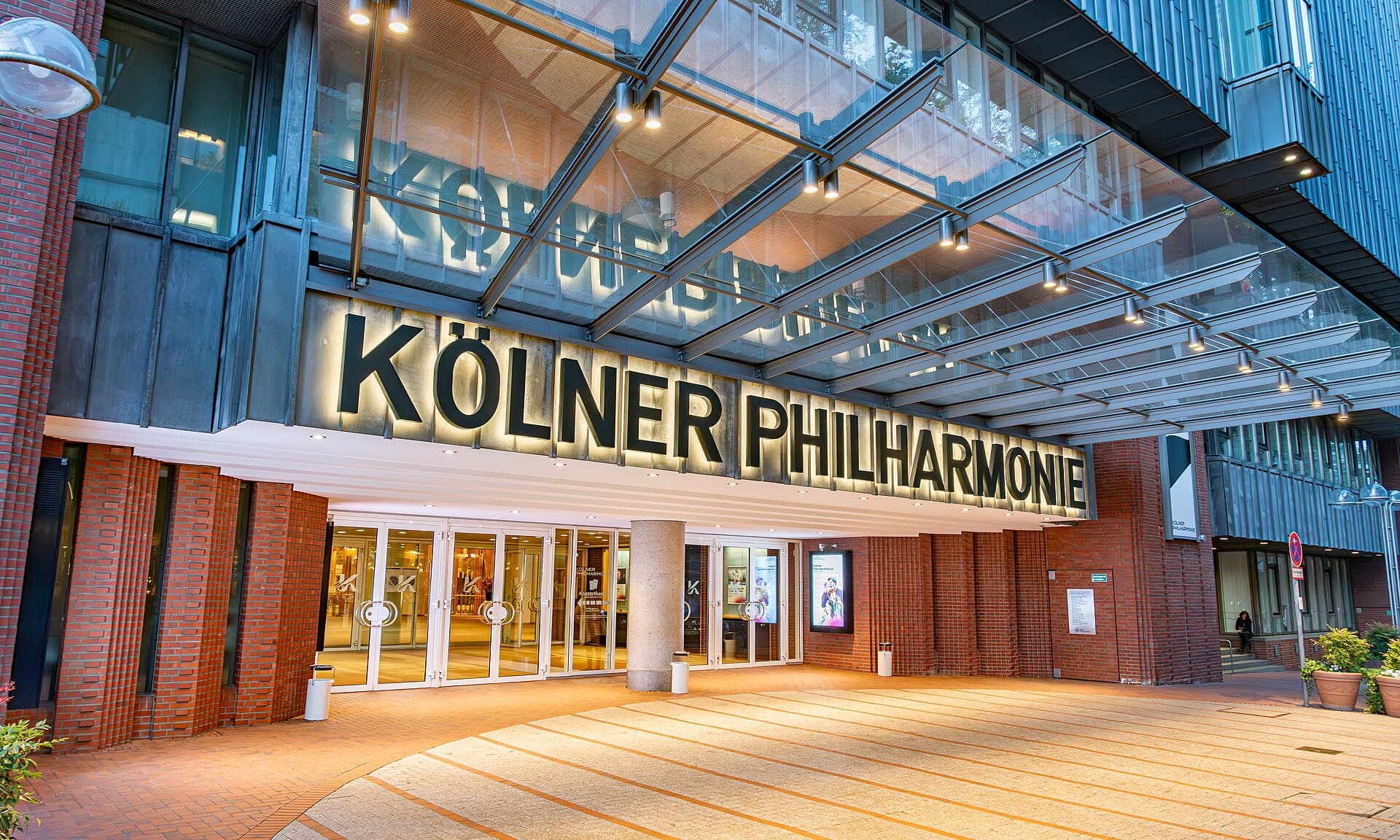 Cologne PhilharmonieCologne's principal concert hall opened in nineteen eighty-six, sunk into the gr1 minute walk4.7
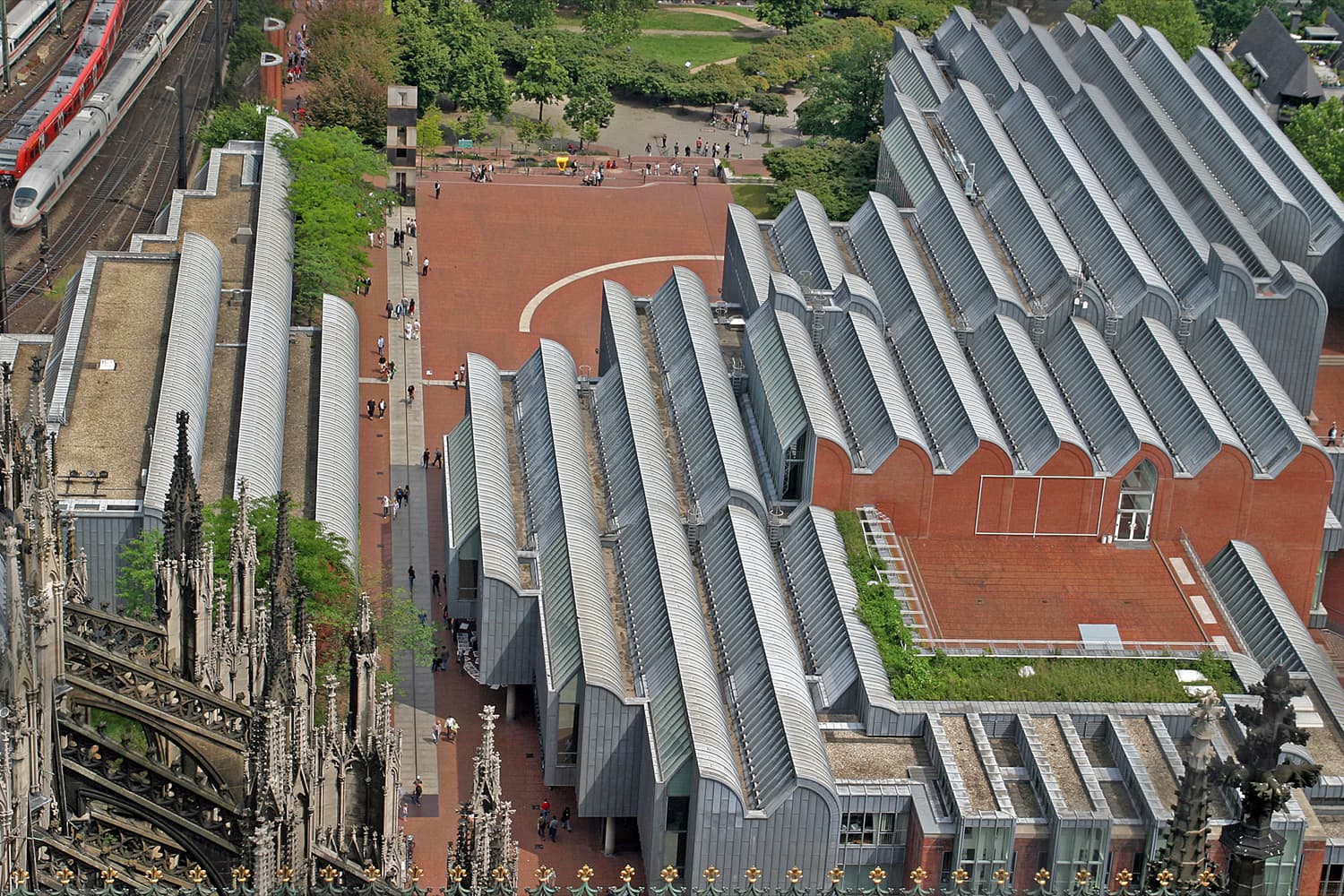 Museum LudwigMuseum Ludwig is Cologne's museum of modern and contemporary art, standing direc1 minute walk4.6
Not at present. The mosaic is fixed where it was found inside the building that has been closed since 2019, it cannot be moved, and the city has announced no firm reopening date. If you want visible Roman Cologne for nothing, the arch of the Roman north gate stands in the open beside the cathedral, and stretches of Roman wall survive along Burgmauer.