
The Creation of Adam
The two fingers that never quite meet, at the ceiling's centre — the most famous detail in Western art, and smaller than you expect among nine Genesis panels.
Westerdam — CC BY-SA 4.0 · Deb Nystrom from Ann Arbor, Michigan, USA — CC BY 2.0 · Michelangelo — CC BY-SA 3.0 · Fallaner — CC BY-SA 4.0
A plain rectangular hall — whose ceiling changed the history of art. Between 1508 and 1512 Michelangelo painted five hundred square metres of it standing on scaffolding with his head tilted back. He did not consider himself a painter but a sculptor, took the commission reluctantly, and produced the most famous image in Western art: Adam's hand almost touching his Creator's. A quarter-century later he returned for the altar wall: the Last Judgement, four hundred figures in a rising and falling vortex, controversial the moment it was unveiled — draperies were ordered painted over some bodies after his death. The chapel remains an active sacred space: this is where the conclave meets to elect a pope. Hence the silence and the absolute ban on photography, with guards calling "Silenzio!" whenever voices rise. It is reached only through the Vatican Museums at the end of their long route — no separate entrance, no separate ticket. Take a side bench, look up, and give yourself twenty minutes without a phone.
The two fingers that never quite meet, at the ceiling's centre — the most famous detail in Western art, and smaller than you expect among nine Genesis panels.
The whole altar wall: four hundred bodies in a vortex — and Michelangelo himself painted as the flayed skin in Saint Bartholomew's hand.
Painted a generation earlier by Botticelli, Perugino and others — works that would make any other chapel famous, and which most visitors hurry past.
Inside the Vatican Museums, Vatican City
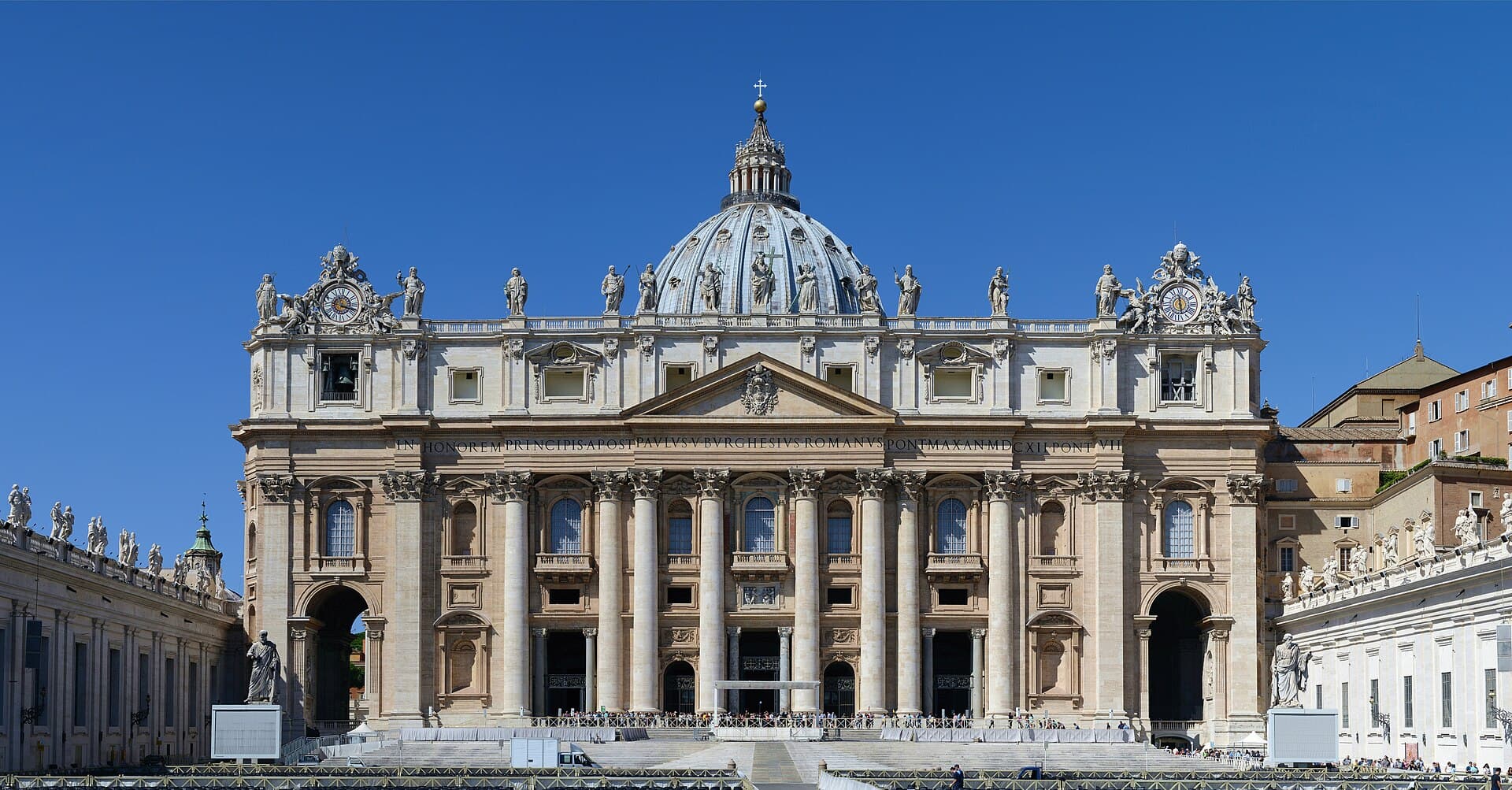 St. Peter's BasilicaThe largest church in the world, and the building that shaped Western architectu2 minutes walk4.9
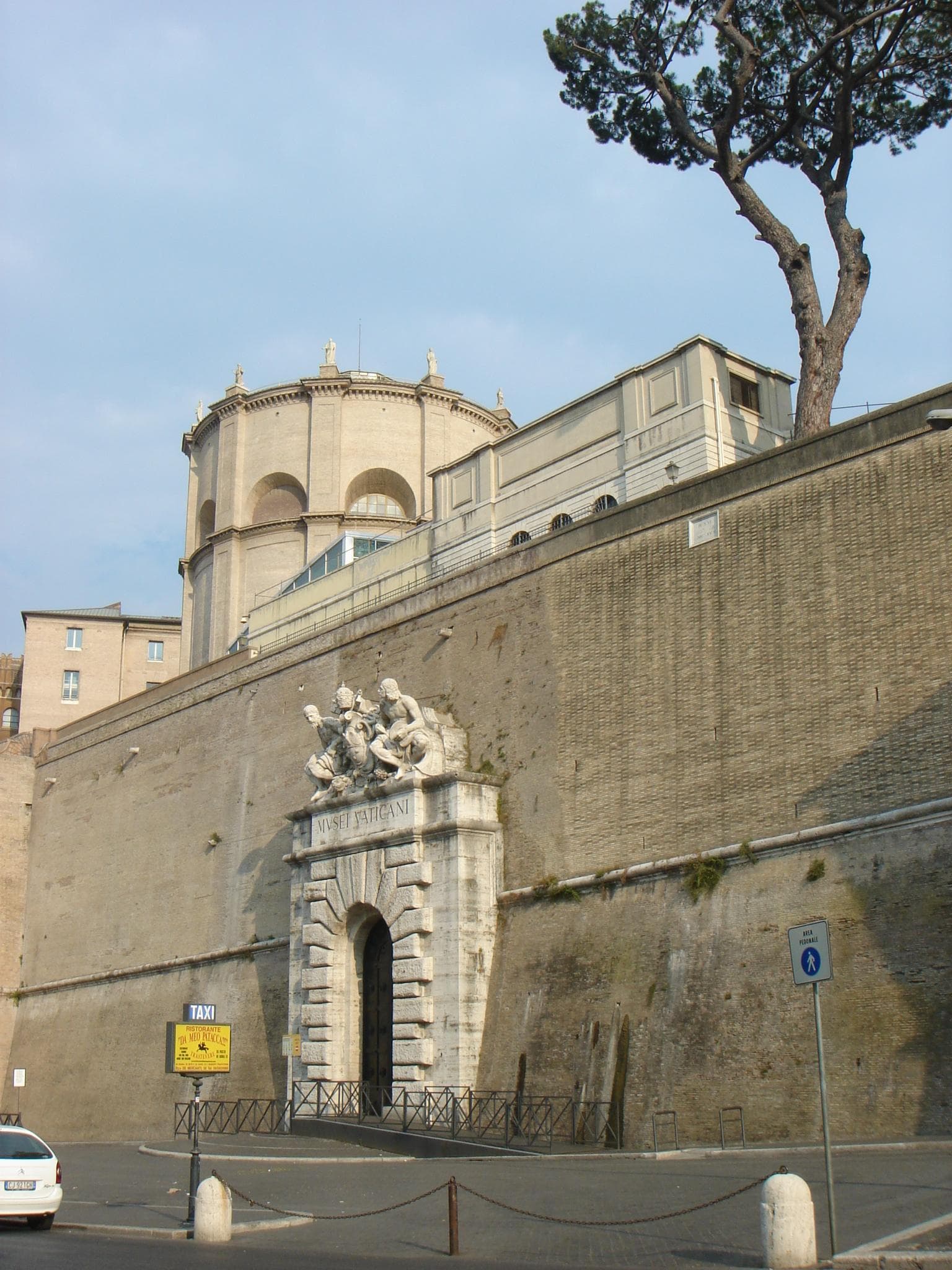 Vatican MuseumsSeven kilometres of galleries and two thousand years of art gathered by popes ac5 minutes walk4.5
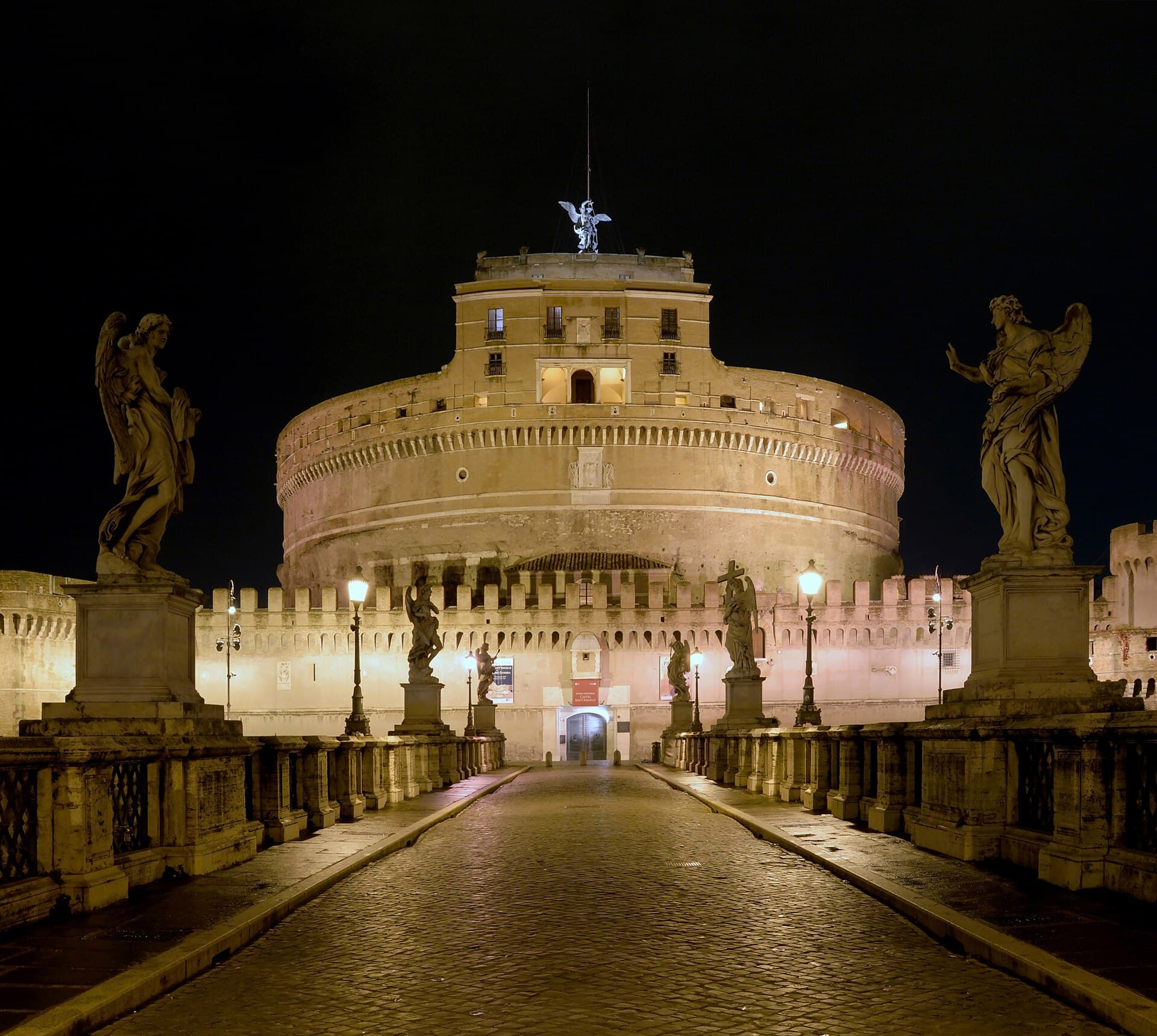 Castel Sant'AngeloOne building with four lives: begun in AD 139 as Hadrian's mausoleum, then a for12 minutes walk4.8
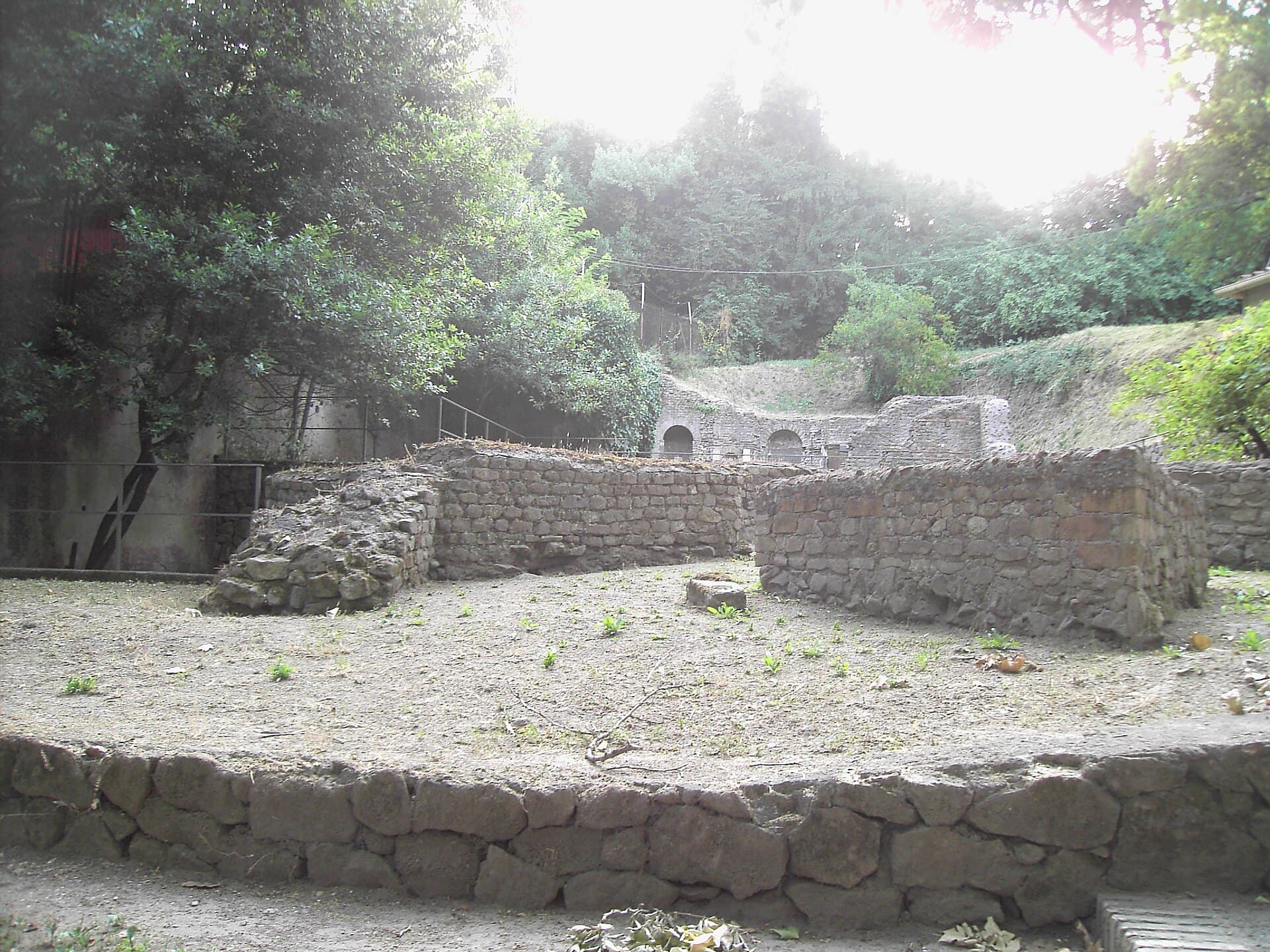 JaniculumThe highest hill in central Rome (and not one of the classic seven), with the ci17 minutes walk4.8
 Cloister of Bramante (Chiostro del Bramante)The best thing here is not for sale. On the upper floor a small window opens thr18 minutes walk4.6
No. The museums' route is the only public way in, two to three hours before you reach it. You can walk it fast if the chapel is all you want — but that means skipping the Raphael Rooms on the way.
A legacy of the 1980s ceiling restoration (funded by a Japanese firm in exchange for image rights) hardened into standing policy — and it now serves a practical purpose: keeping crush and flash out of an active sacred space.
A side passage from the chapel to the basilica exists for groups with an official guide — individual visitors return via the spiral staircase and enter the basilica from the square.