Raphael through a cafe window
The upper Sala delle Sibille looks through an opening in the wall straight at Raphael's Sibyls inside the church next door, and entry is free and independent of the exhibition.
1municipio — CC BY-SA 4.0 · gaspa — CC BY 2.0 · NateBergin — CC BY 4.0 · NateBergin — CC BY 4.0
The best thing here is not for sale. On the upper floor a small window opens through the wall of the neighbouring church of Santa Maria della Pace, directly onto Raphael's fresco of the Sibyls. You sit in the cafe with a coffee, look up, and see the painting from a distance and an angle no visitor standing in the church below will ever get. The room is called the Sala delle Sibille, and the venue's own site says entry to it is free and independent of whatever exhibition is on. The cloister itself is Bramante's first Roman building, commissioned by Cardinal Oliviero Carafa around 1500 and finished in 1504, years before St Peter's swallowed the rest of his life. Two storeys around a square court: arches on columns below, and above them a covered loggia where Bramante set a slim column over the middle of each arch beneath rather than lining it up on the support, breaking the old rule that void goes over void and solid over solid. It is a small decision architects have discussed ever since, and it is still taught as a hinge between the rulebook and the freedom of the High Renaissance. Now the honest part. The cloister is not a museum of itself; it is an exhibition venue run privately. The ticket buys the show, not the building, the programme changes completely every few months, and between shows the galleries shut for the changeover, when the cloister alone is not always separately visitable. Look up what is actually on before you book. If the show does not appeal, the cafe on its own still justifies the walk, and that costs nothing. Who is it for? Not the first-timer with three days; the Colosseum and the Vatican have a stronger claim on that time. It is for the repeat visitor, and for anyone who needs a quiet twenty minutes out of the Navona crush: shade, seats, clean bathrooms, and somewhere children can sit without being shushed. Halal restaurants are not really a feature of this quarter — the nearest cluster is around Termini and Esquilino — so plan lunch elsewhere.
The upper Sala delle Sibille looks through an opening in the wall straight at Raphael's Sibyls inside the church next door, and entry is free and independent of the exhibition.
A two-storey cloister begun around 1500 and finished in 1504, in which the architect set a column over the middle of each arch below, breaking the old rule of void over void.
Shade, seats and quiet a few steps from Rome's most crowded square, which makes it useful for families halfway through a long day.
Arco della Pace 5, 00186 Rome, beside the church of Santa Maria della Pace, two minutes on foot from Piazza Navona
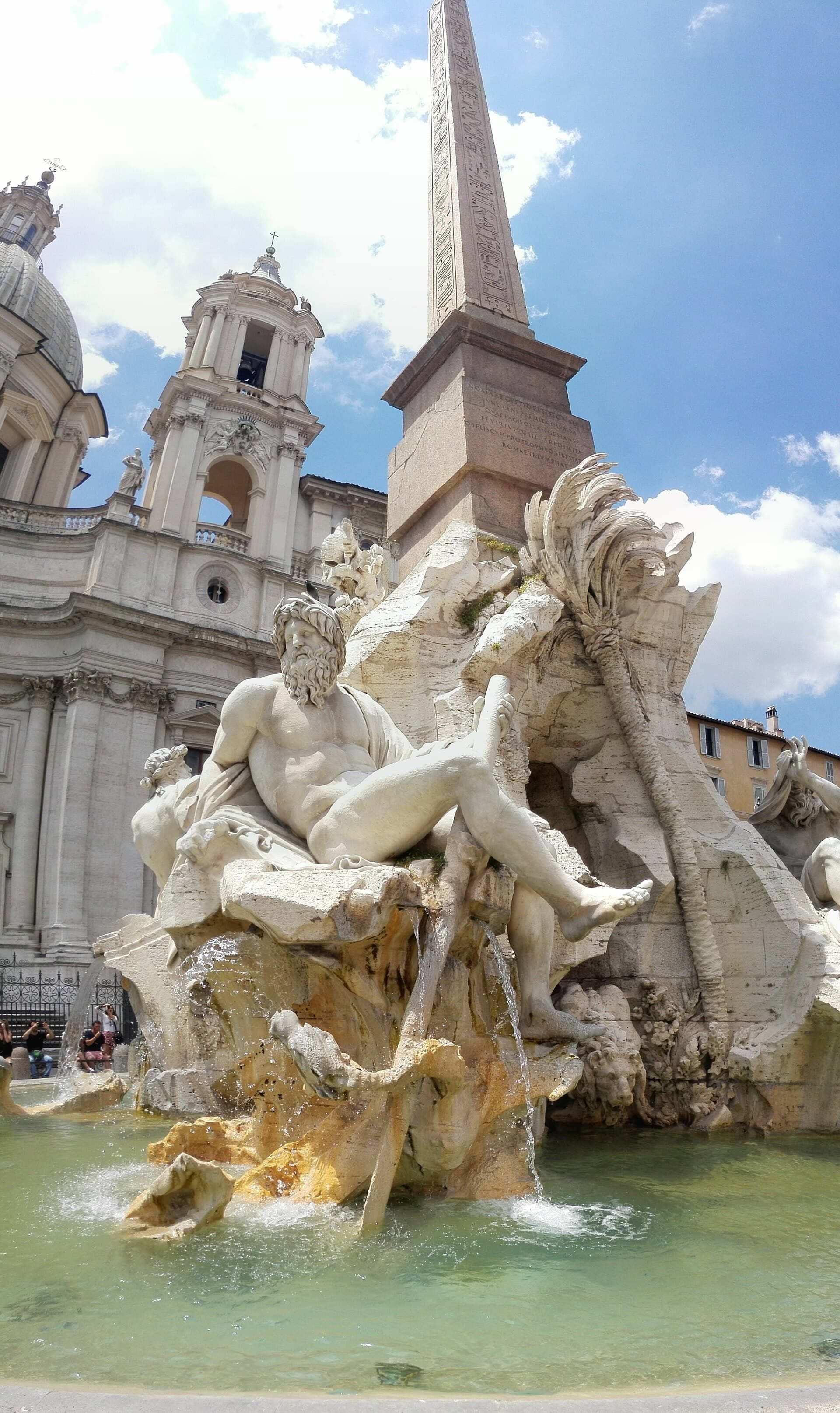 Piazza NavonaThe square's shape tells its story: a long rectangle with two curved ends, becau2 minutes walk4.8
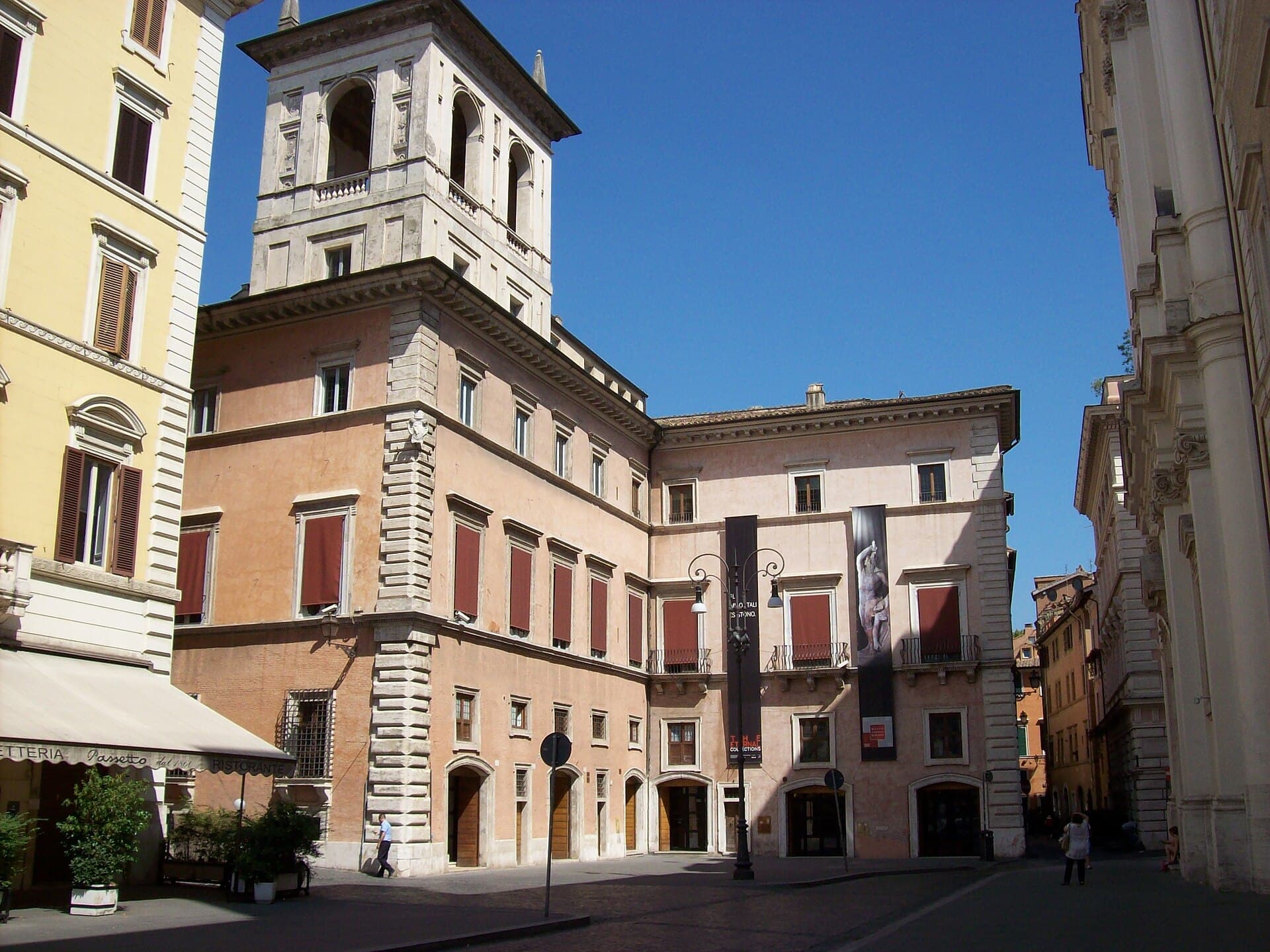 Palazzo AltempsIn one of the upstairs rooms the god of war sits naked and at ease, his sword se3 minutes walk4.7
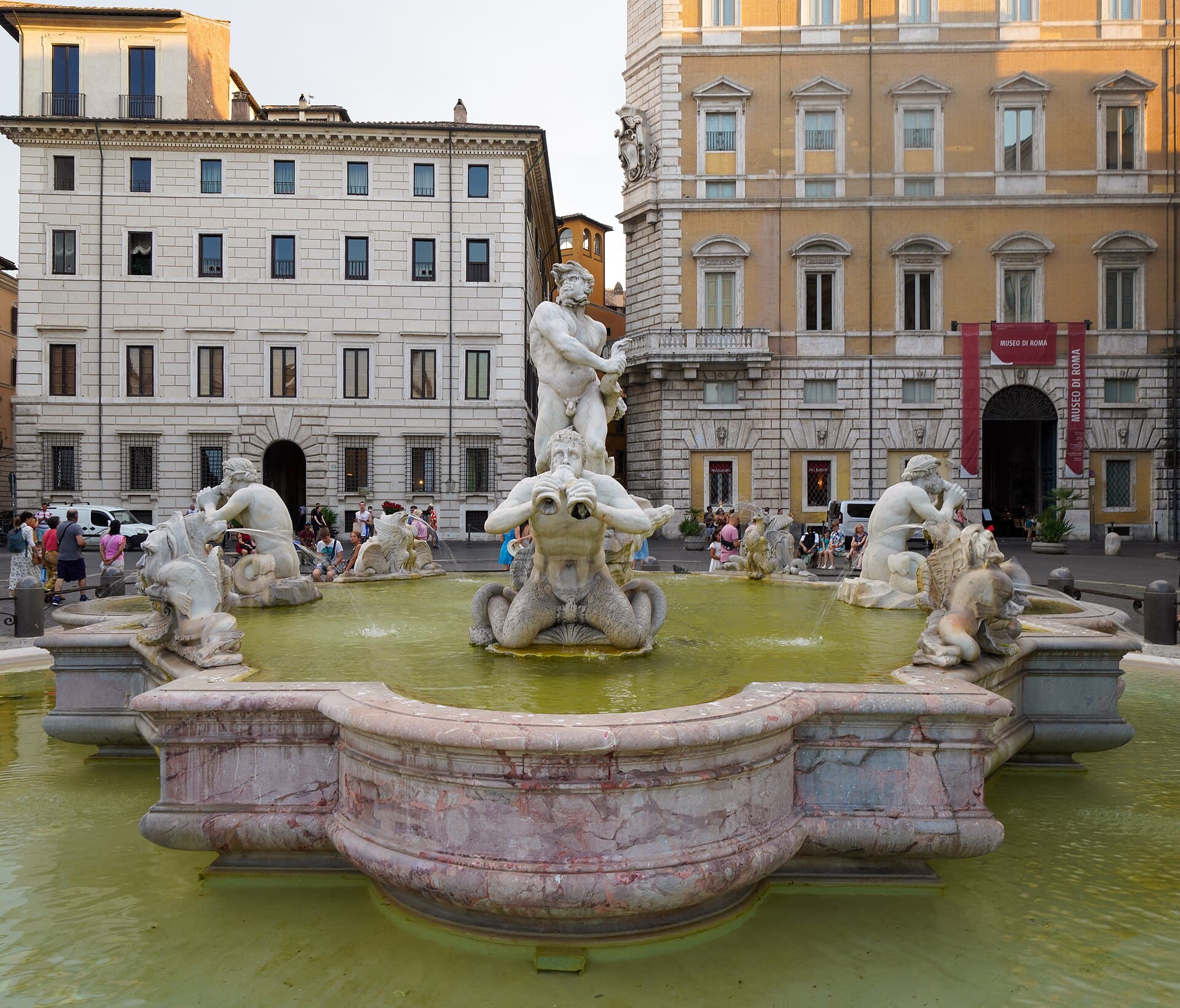 Fontana del MoroThree fountains punctuate Piazza Navona, and the most famous stands at its centr3 minutes walk4.9
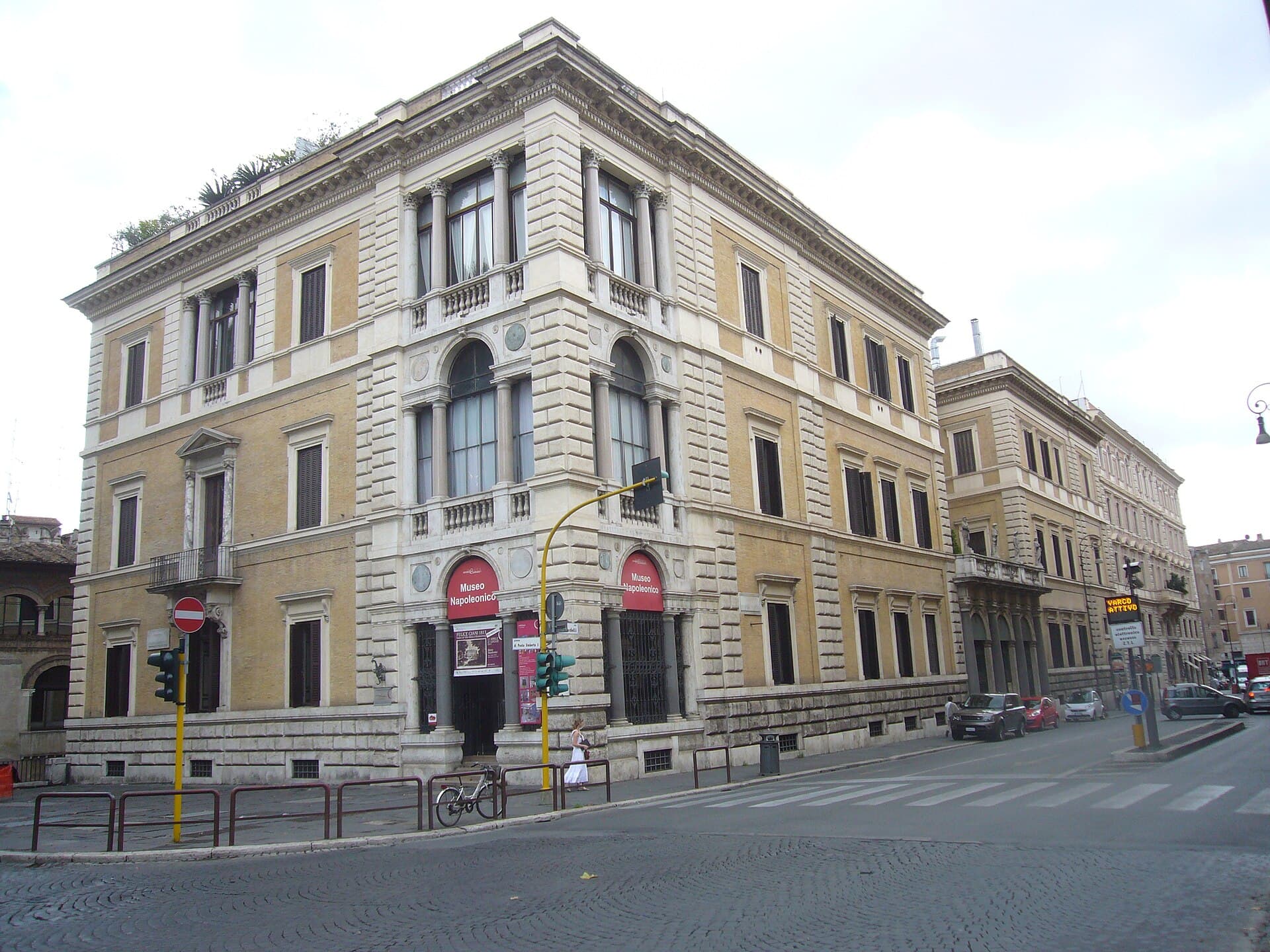 The Napoleonic MuseumA museum on the ground floor of the Palazzo Primoli near Piazza Navona, devoted 3 minutes walk4.6
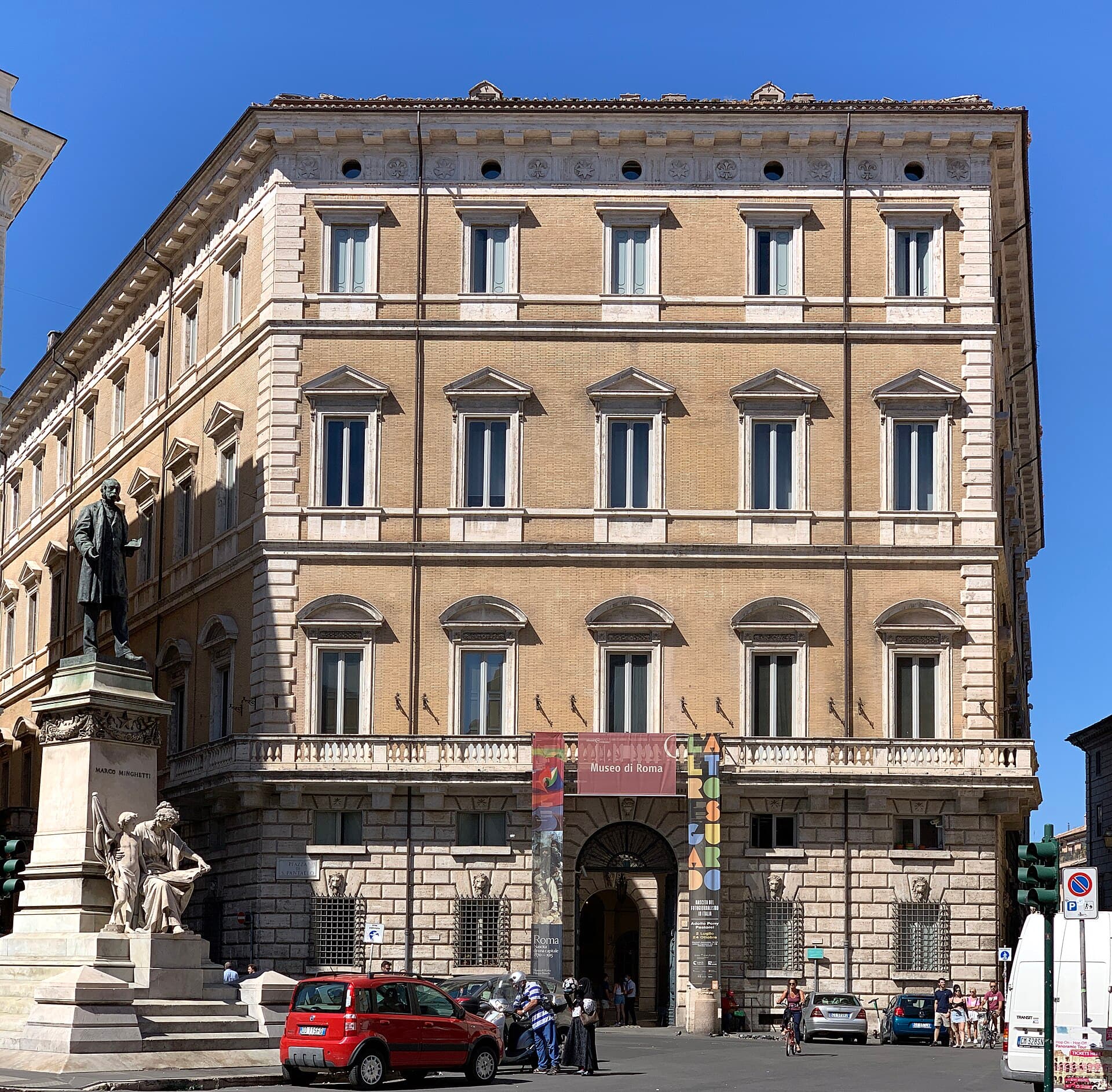 Palazzo BraschiA late eighteenth-century palace on the edge of Piazza Navona, built by Pope Piu3 minutes walk4.4
Looking for halal food near Cloister of Bramante (Chiostro del Bramante)? There are several options nearby, from Moroccan and Indian kitchens to quick casual spots and places with a view. Confirm the halal status and opening hours before you go — these can change.
No. The cafe, the upper loggia and the Sala delle Sibille are free and separate from the exhibition, and the fresco is visible from there through the window; just order a drink. The ticket is only for the exhibition galleries. If you want to see it from inside the church, hours for Santa Maria della Pace are usually given as about 9:30 to 18:00, but it is often shut outside service times, so getting in is not guaranteed — which is precisely why the cafe window became famous.
Honestly, no — not as a destination in its own right. On a short first visit the Colosseum, the Vatican and the Pantheon come first. But since it sits two minutes from Piazza Navona, treat it as a stop on the way, not a destination: walk in free, go up to the loggia, look at the fresco, drink a coffee in twenty minutes and carry on. Save the paid exhibition for a second trip to the city.