
Northern animals
Moose, reindeer, seals and Gotland ponies.
BIL — CC BY-SA 3.0 · BoneheadElsewhere — CC BY-SA 4.0 · Alicia Fagerving — CC BY-SA 3.0 · Alicia Fagerving — CC BY-SA 3.0
Slottsskogen is Gothenburg's largest park at close to a hundred and thirty-seven hectares, and the space by which the city's residents measure daily life. It opened in 1874 on woodland that had belonged to the castle — hence its name, the castle forest — and kept its natural character instead of being turned into a manicured garden. It contains an entirely free zoo focused on northern animals: moose, reindeer, seals, owls, Gotland ponies and rare local sheep — a deliberate decision to show what belongs to the place rather than a tropical collection. There is also a lake with waterfowl and a house for tropical birds. The rest is broad meadows, hills, running trails, playing fields, barbecue areas and seasonal cafes. The park hosts the Way Out West music festival each year, and it connects directly to the botanical garden by a footpath — meaning you can walk from a zoo to Sweden's largest botanical garden without leaving green space.
Moose, reindeer, seals and Gotland ponies.
A path to Sweden's largest botanical garden.
Slottsskogen, 414 76 Gothenburg
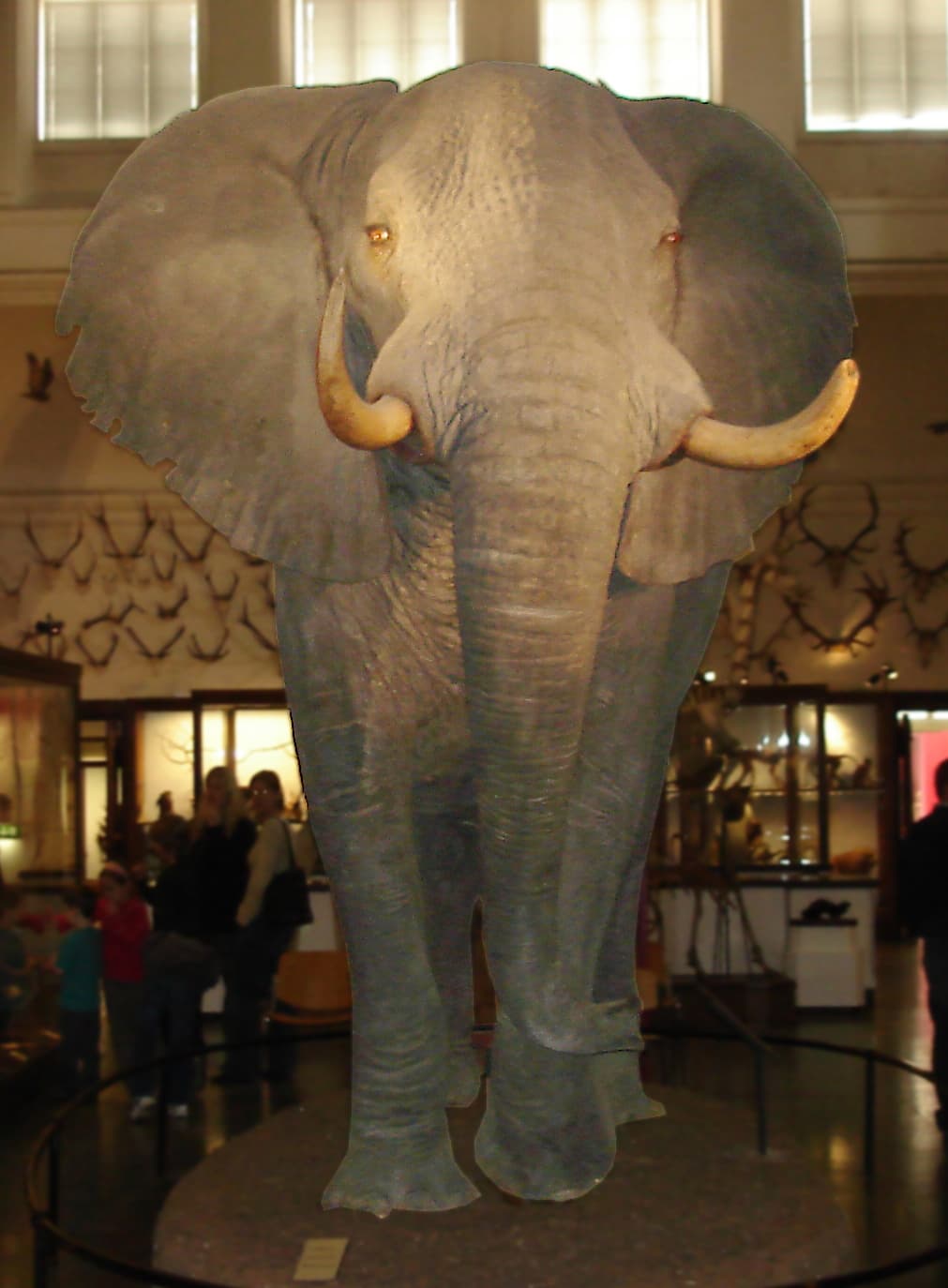 The Gothenburg Museum of Natural HistoryGothenburg's Museum of Natural History is **the oldest museum in the city**, fou7 minutes walk4.6
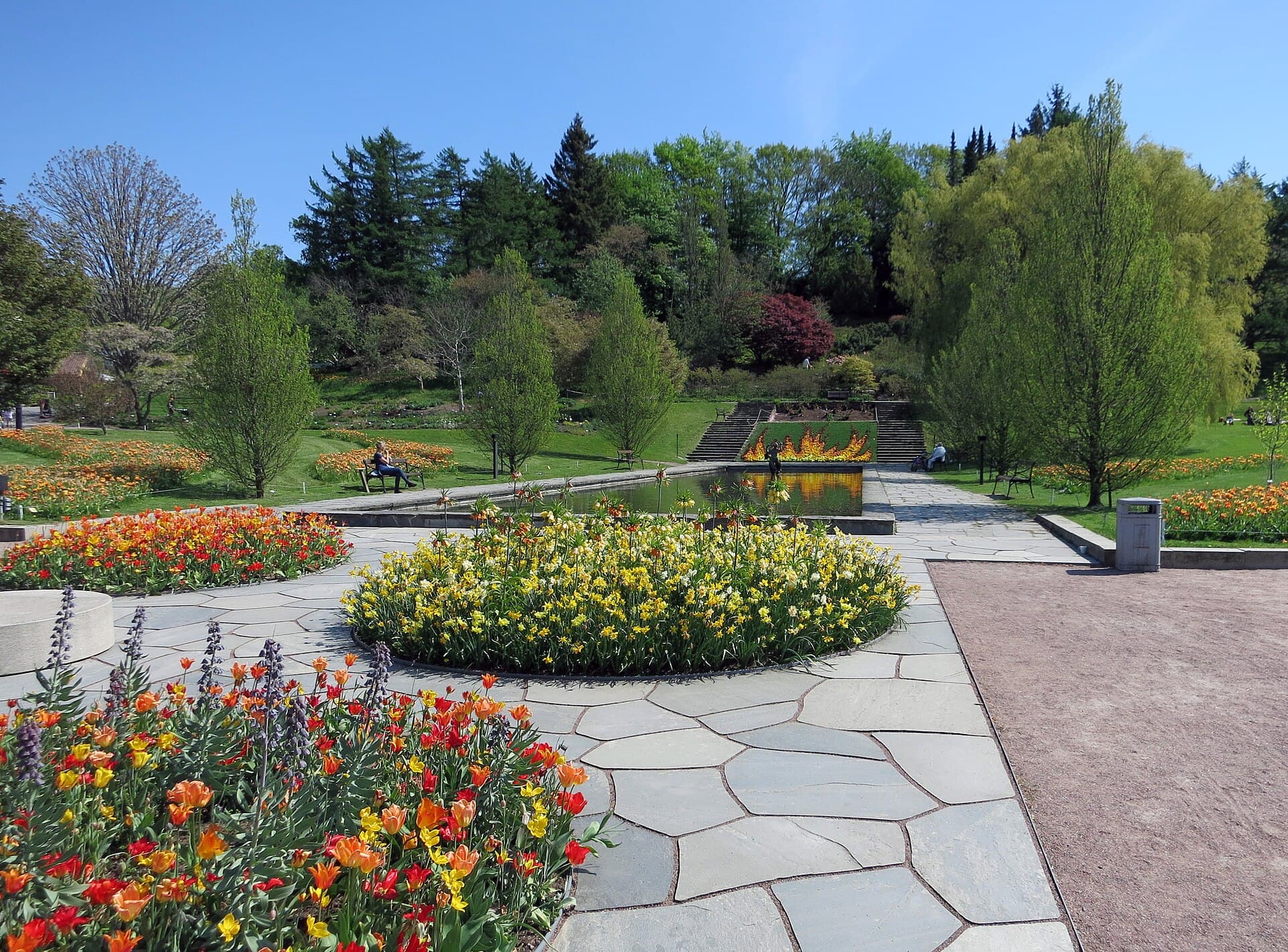 Gothenburg Botanical GardenGothenburg's botanical garden is the largest in Sweden and among the largest in 7 minutes walk4.6
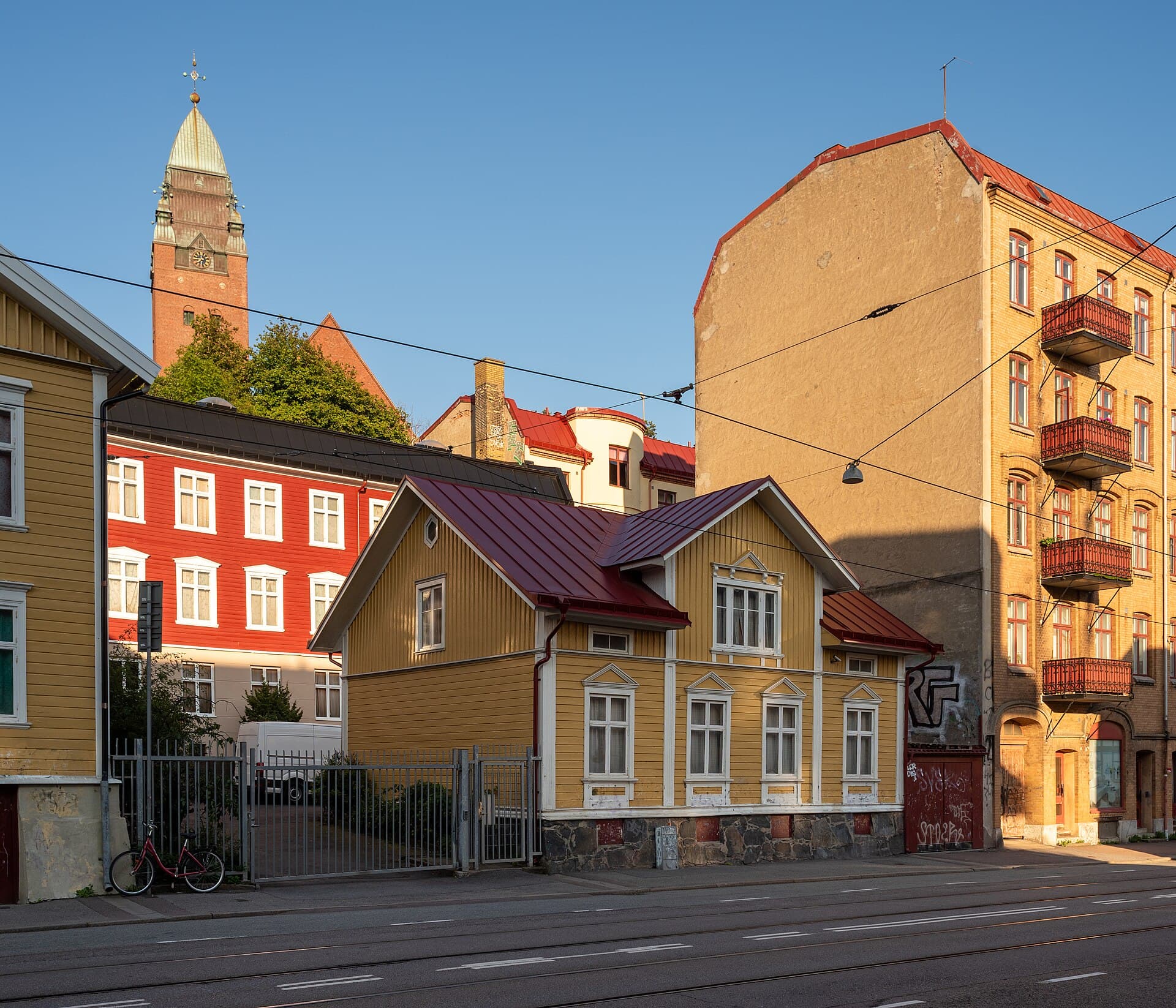 Masthugg ChurchMasthugg Church stands on a rock hill west of central Gothenburg, and its red br16 minutes walk4.4
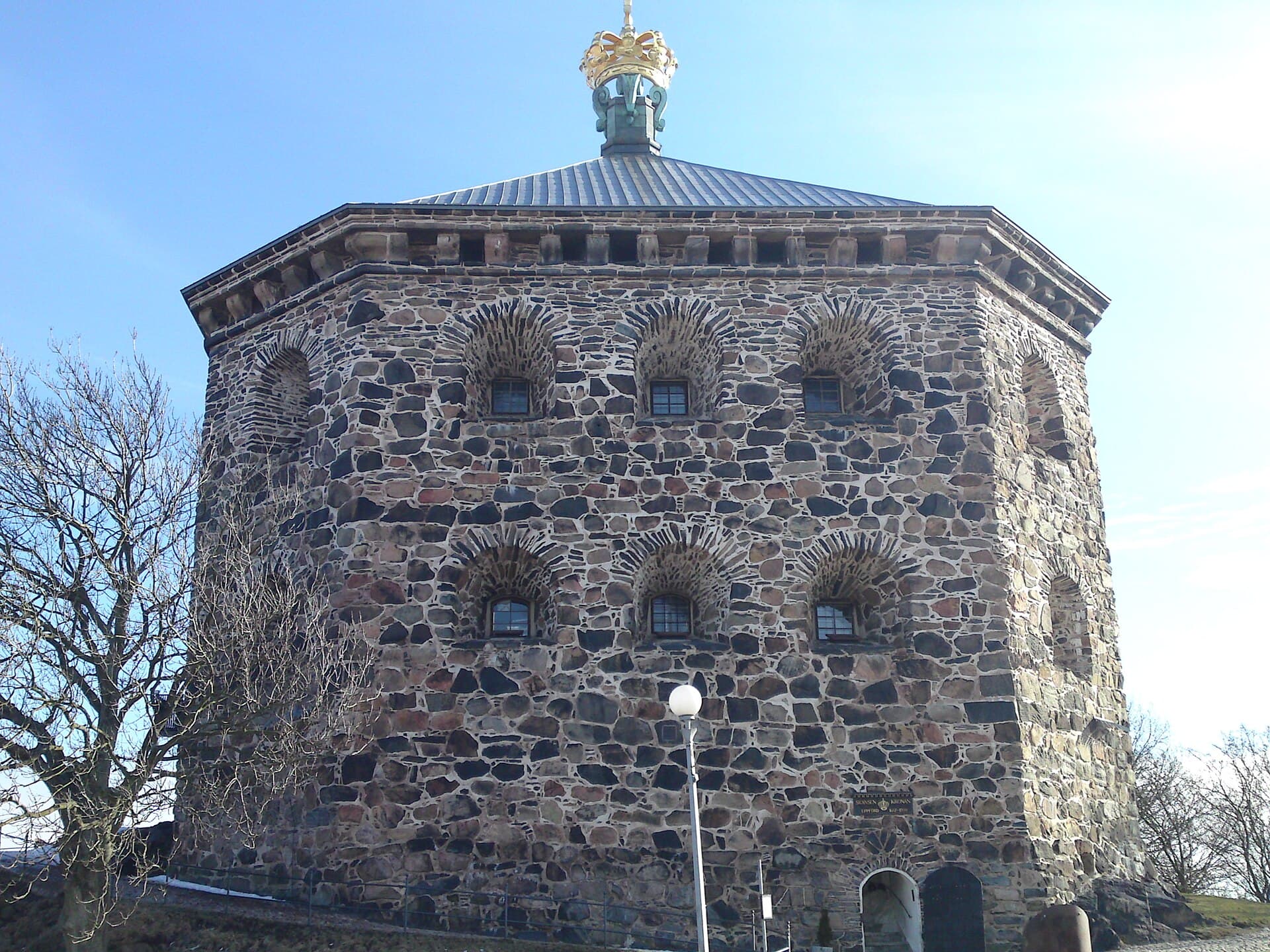 Skansen KronanSkansen Kronan is an octagonal stone redoubt standing on a rocky hilltop above t17 minutes walk4.6
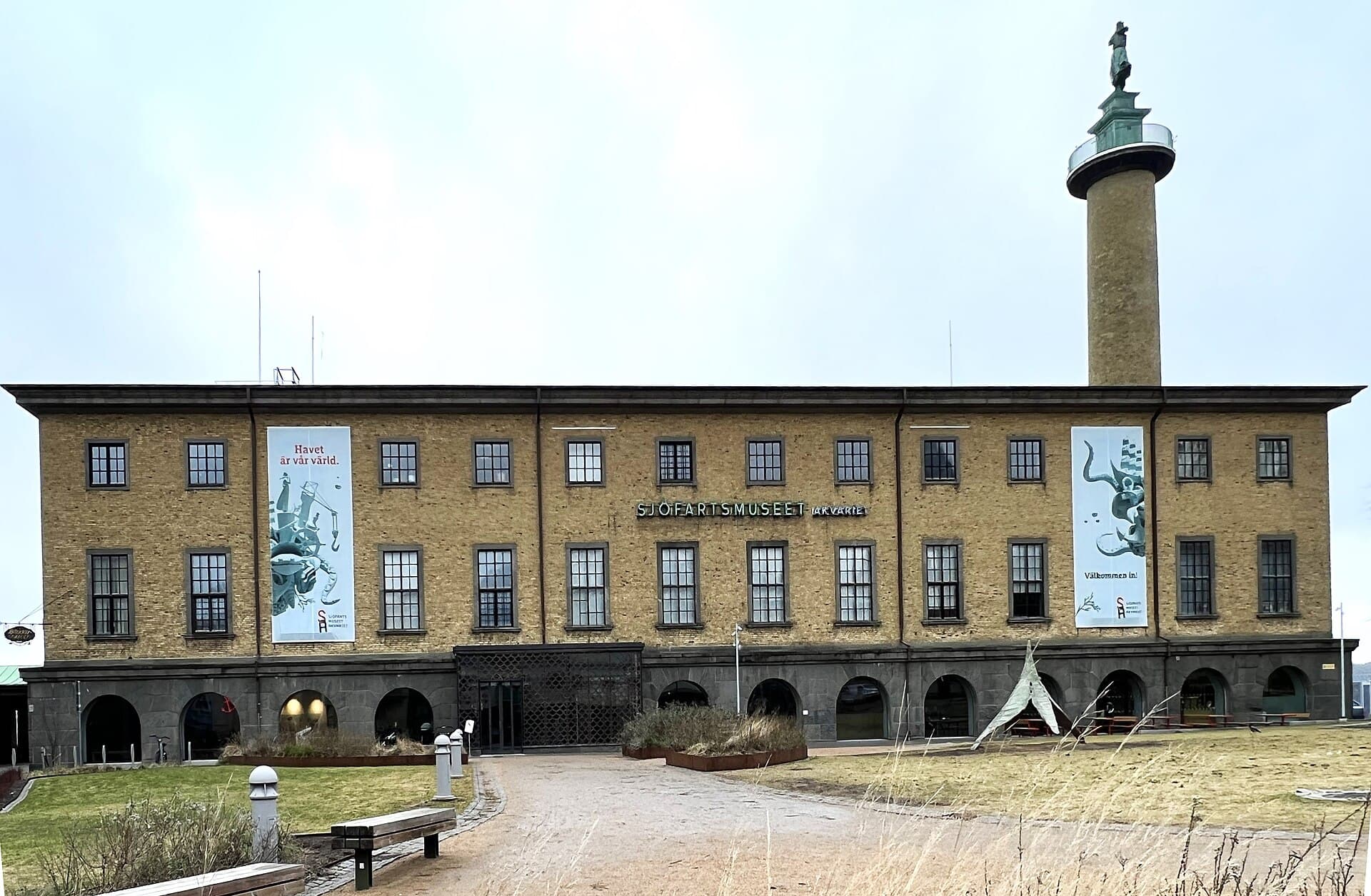 The Maritime Museum and AquariumSjöfartsmuseet Akvariet combines two things in one building: a **maritime museum20 minutes walk4.2
By size and variety, no — it is small with limited species and holds no African or Asian animals. By another measure, yes: it is entirely free, the animals are in generous enclosures close to their natural habitat, and you see moose and reindeer at close range, species you will not find in southern European zoos.