
The falcon market
Specialist shops and a falcon hospital — a living Qatari sport, not a display.
Diego Delso — CC BY-SA 3.0 · Chainwit. — CC BY-SA 4.0 · Palácio do Planalto from Brasilia, Brasil — CC BY 2.0 · P. Hughes — CC BY 4.0
Doha's old market and its social heart, and the liveliest place in the city after sunset. The name means the standing market: traders once stood with their goods on the bank of the wadi that ran here, selling before the flood swept it away. One thing should be stated plainly: the souq as it stands is a reconstruction. The old fabric decayed until the 1970s, then was restored and substantially rebuilt in the 2000s using traditional materials — mud, timber and gypsum — with everything added after the 1960s stripped out. The result is not a preserved old market but a very well rebuilt one, which is said without disparagement: the craftsmanship is real and the place works. The goods are genuinely varied: spices, perfumes, textiles, crafts, carpets and traditional tools, plus a bird market and a falcon market. The last is remarkable — shops dealing solely in falcons with a falcon hospital next door, a living Qatari sport rather than something staged for visitors. The cafés and restaurants on the inner streets run late, and Qataris sit in them, not only visitors. The Arabian horse stables in the souq hold the mounts of the Doha police. Entry is free and it is always open; its real life is after dinner, particularly in the winter months.
Specialist shops and a falcon hospital — a living Qatari sport, not a display.
Open late, and filled with Qataris themselves.
The Doha police mounts, kept inside the souq itself.
Central Doha
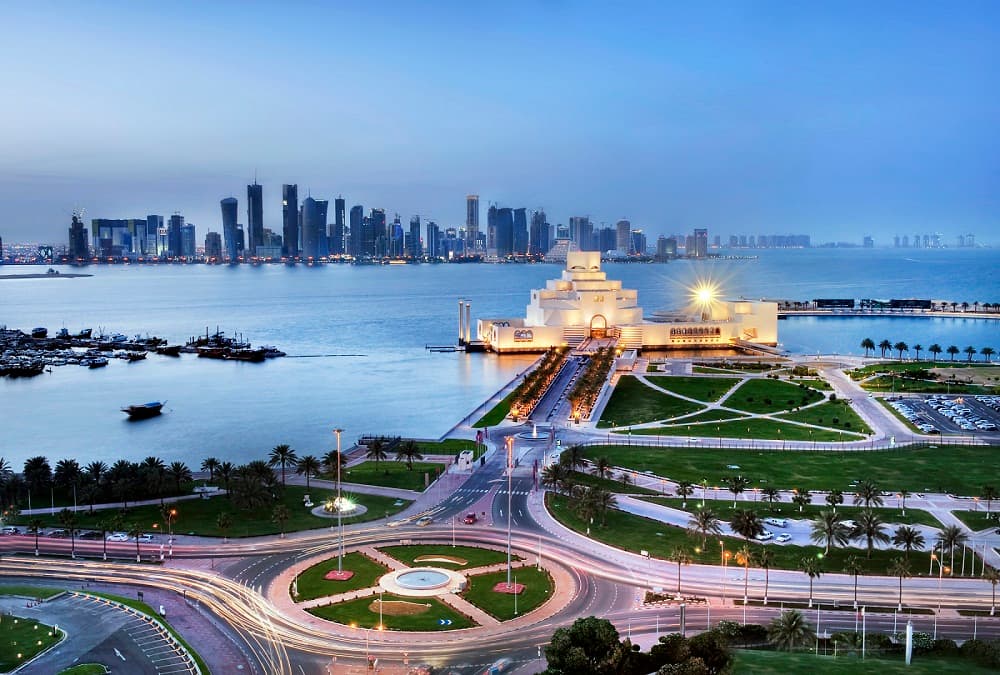 Museum of Islamic ArtThe most important museum of Islamic art in the world outside Istanbul and Cairo13 minutes walk4.8
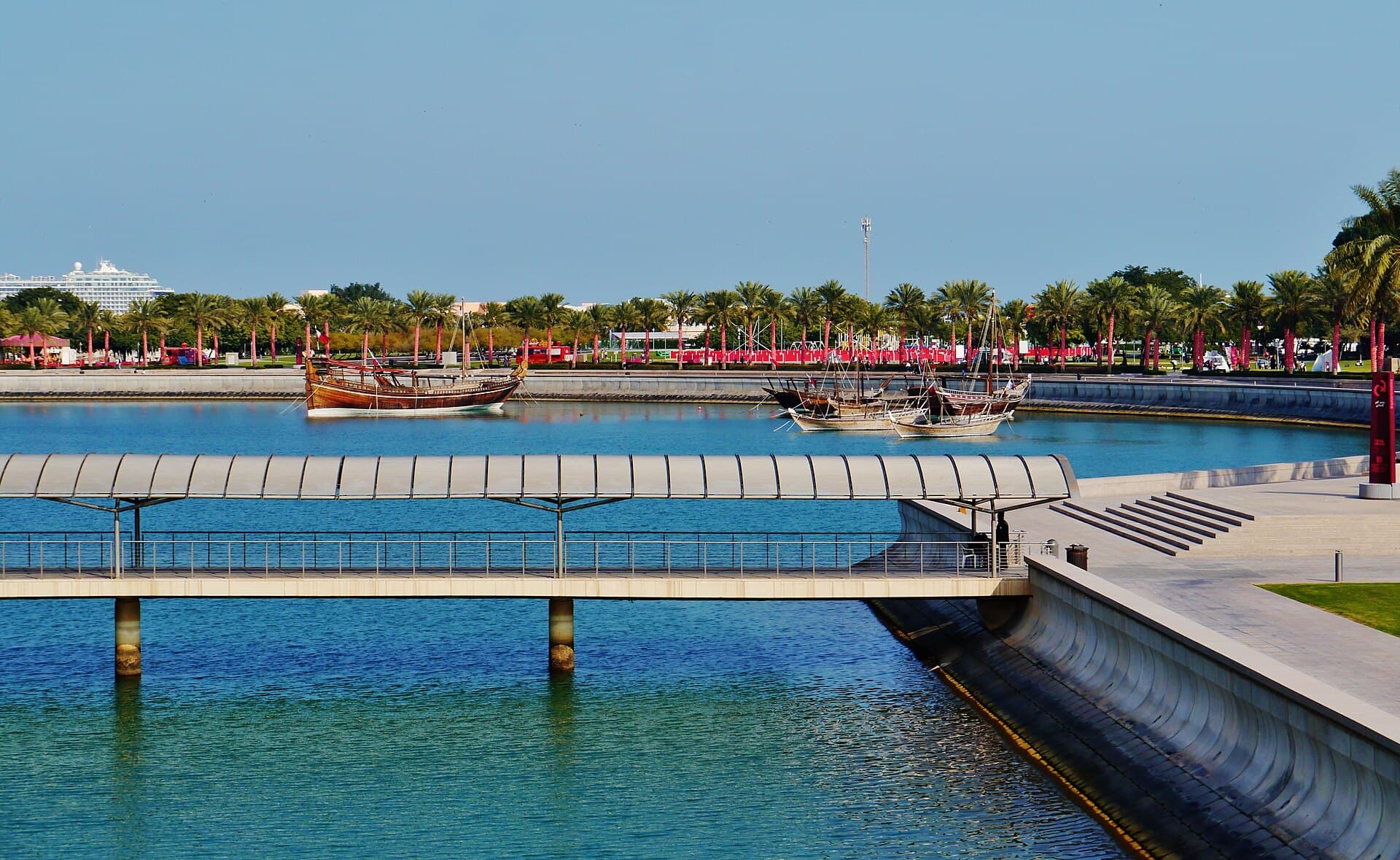 MIA ParkA large seaside park around the Museum of Islamic Art at the southern end of the15 minutes walk4.8
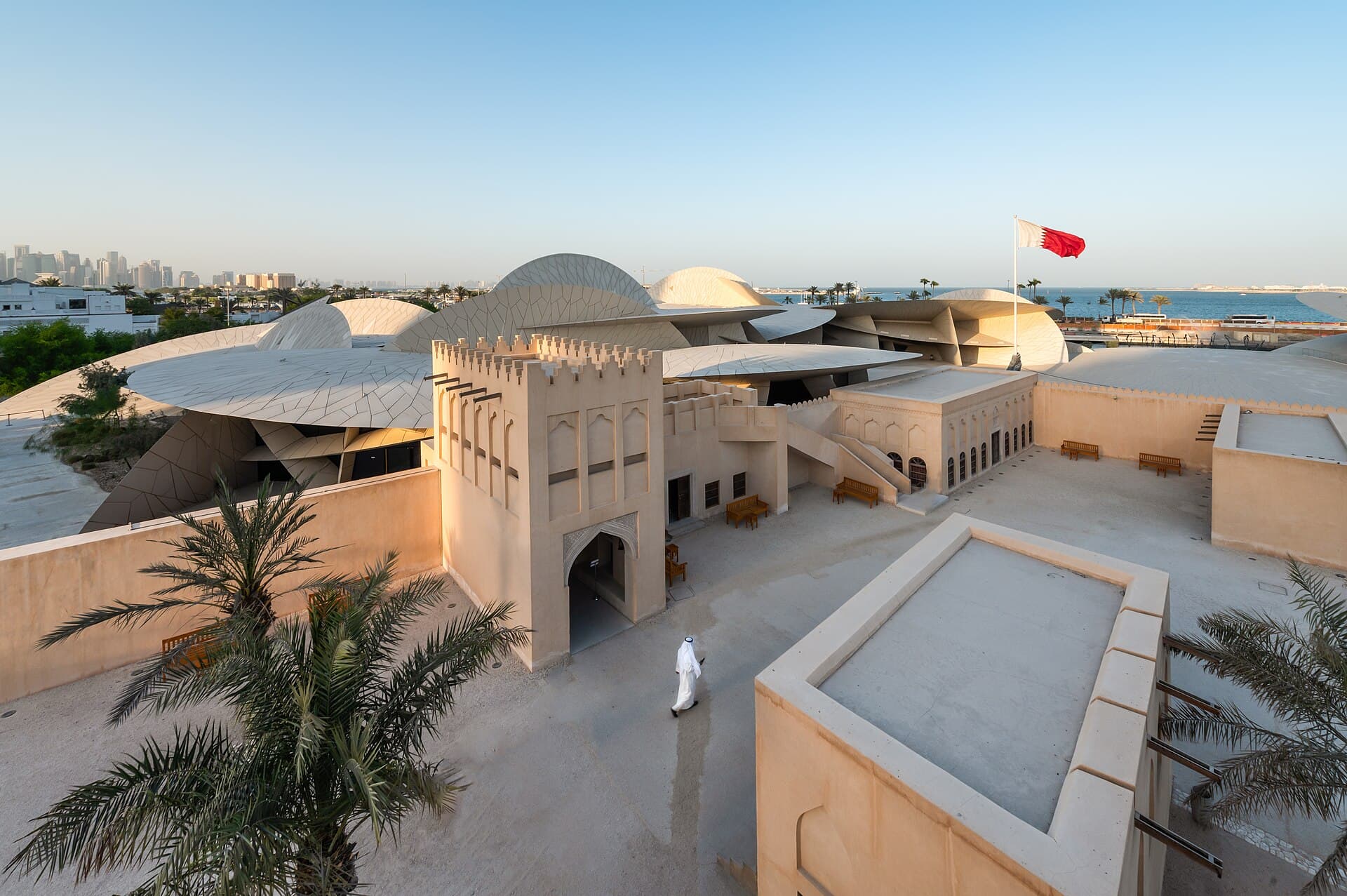 National Museum of QatarThe building shaped like a desert rose, and the boldest piece of architecture in21 minutes walk4.8
Yes. The reconstruction used traditional materials and methods and the result is finely done, and more importantly it is a working souq that Doha's own residents use rather than an empty display. Anyone comparing it with Khan el-Khalili will find that older, messier and more authentic — but Souq Waqif is cleaner, easier and far better for sitting out in the evening.
After dinner, and in the winter months especially. Mornings are quiet with half the shops shut, midday hot and empty. From November to March the evenings are ideal and the souq is full until midnight.