
The Poggenmühlen bridge
The district's best-known photo spot: a straight canal between two rows of warehouses, finest at night.
Thomas Wolf, www.foto-tw.de — CC BY-SA 3.0 · User:Wmeinhart - Wolfgang Meinhart, Hamburg — CC BY-SA 3.0 · Frank Schulenburg — CC BY-SA 4.0 · Dietmar Rabich — CC BY-SA 4.0
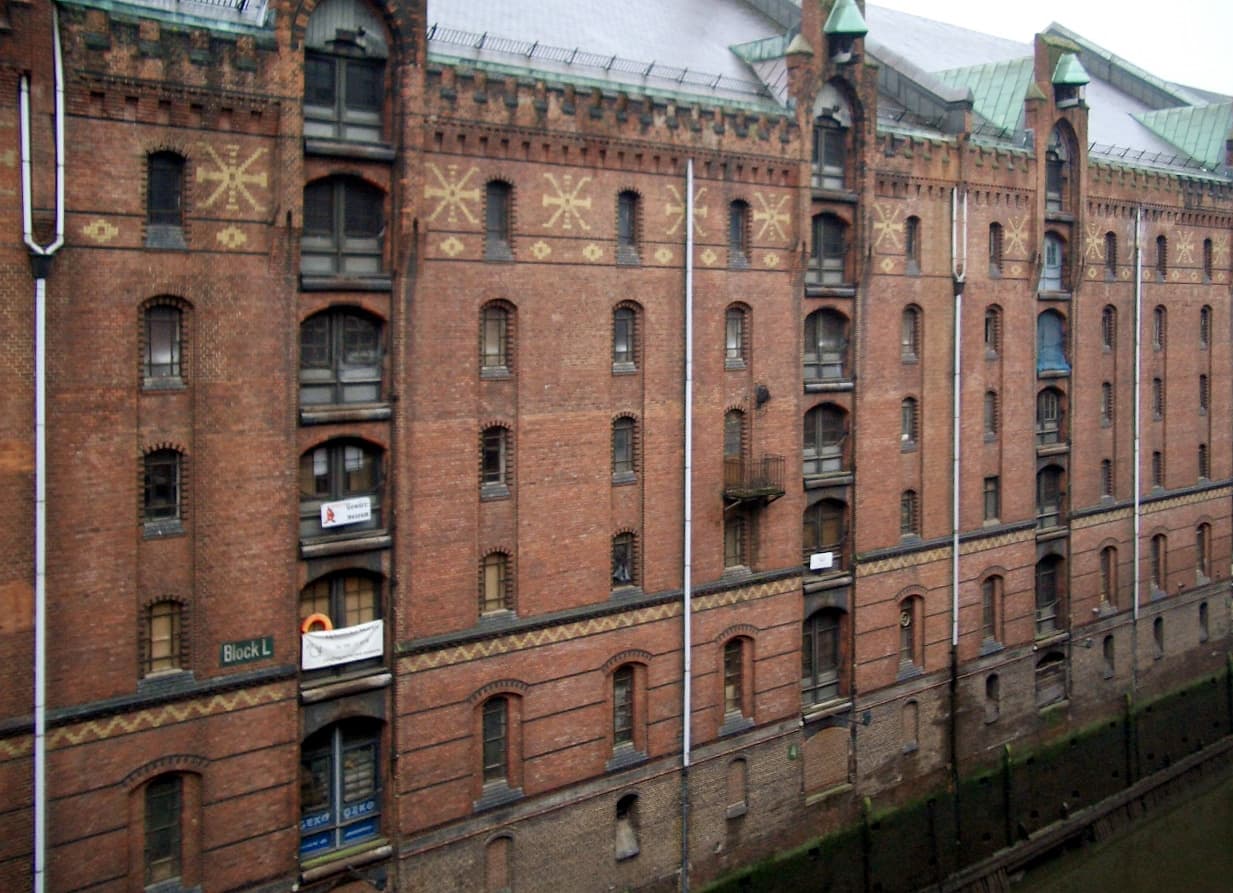
The Speicherstadt is the largest connected warehouse district in the world, listed by UNESCO as World Heritage. Dark red brick buildings with small turrets and arched windows stand on wooden piles driven into the water, with canals running between them for boats. It was built between 1883 and 1927 to store goods arriving at Hamburg's port: coffee, tea, spices and carpets. It was a free customs zone, and nobody was permitted to live there. Today the warehouses hold museums, offices and cafés. Miniatur Wunderland, Hamburg's most visited attraction, sits inside the district. Walking through it is free and always open, and that is the main point. The best time is after dark, when the buildings are lit and reflect in the water.
The district's best-known photo spot: a straight canal between two rows of warehouses, finest at night.
Dark red brick, small turrets and arched windows, running down whole streets.
Waterways between the buildings, with boats passing and short tours available.
The modern quarter adjoining it, with the Elbphilharmonie and its free viewing plaza.
Speicherstadt, 20457 Hamburg
 Spicy's Spice MuseumThe Spice Museum in the Speicherstadt is the only museum in the world devoted to2 minutes walk4.2
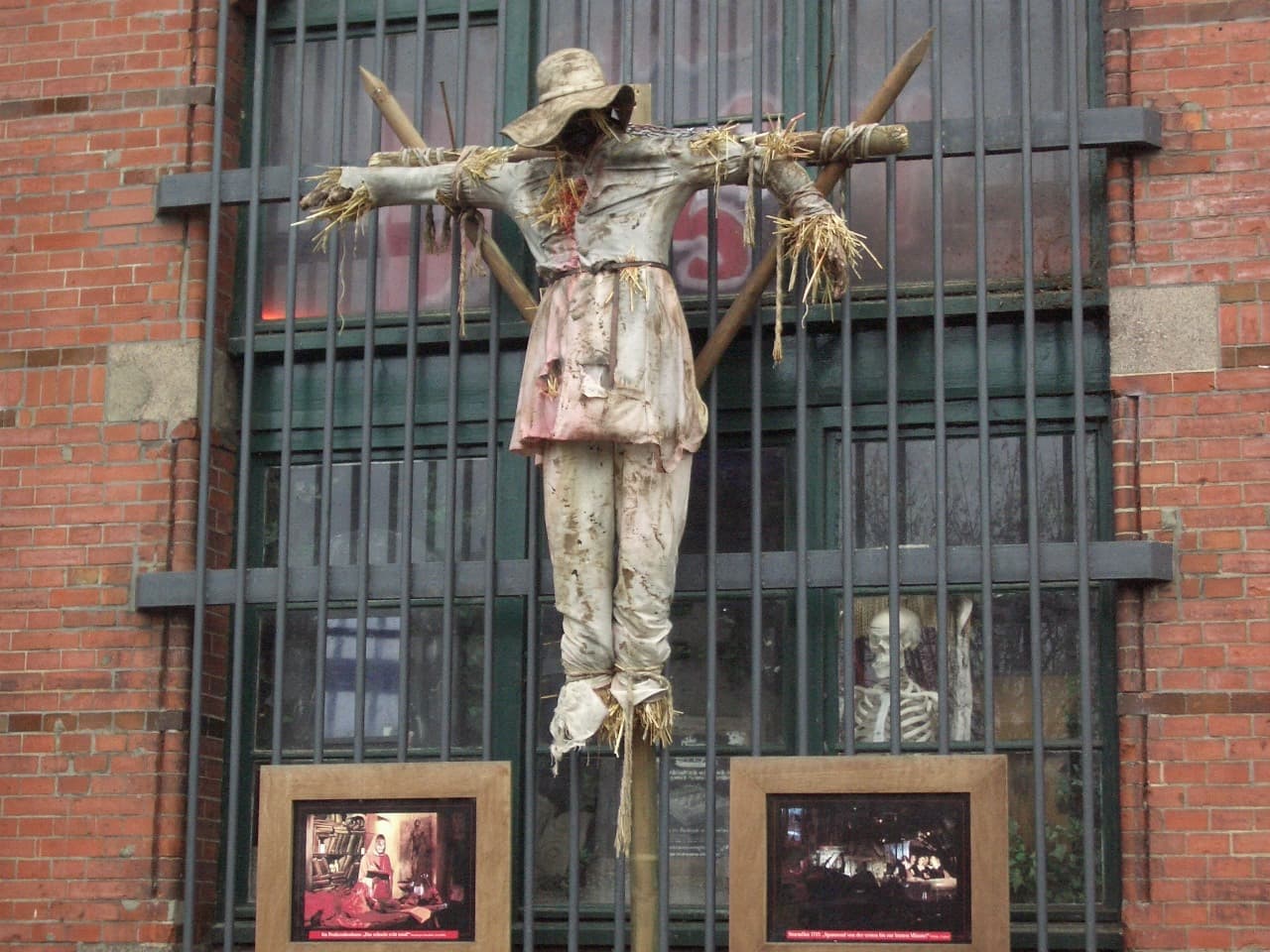 Hamburg DungeonThe Hamburg Dungeon is a scare show in the old warehouse district, in more or le2 minutes walk4.6
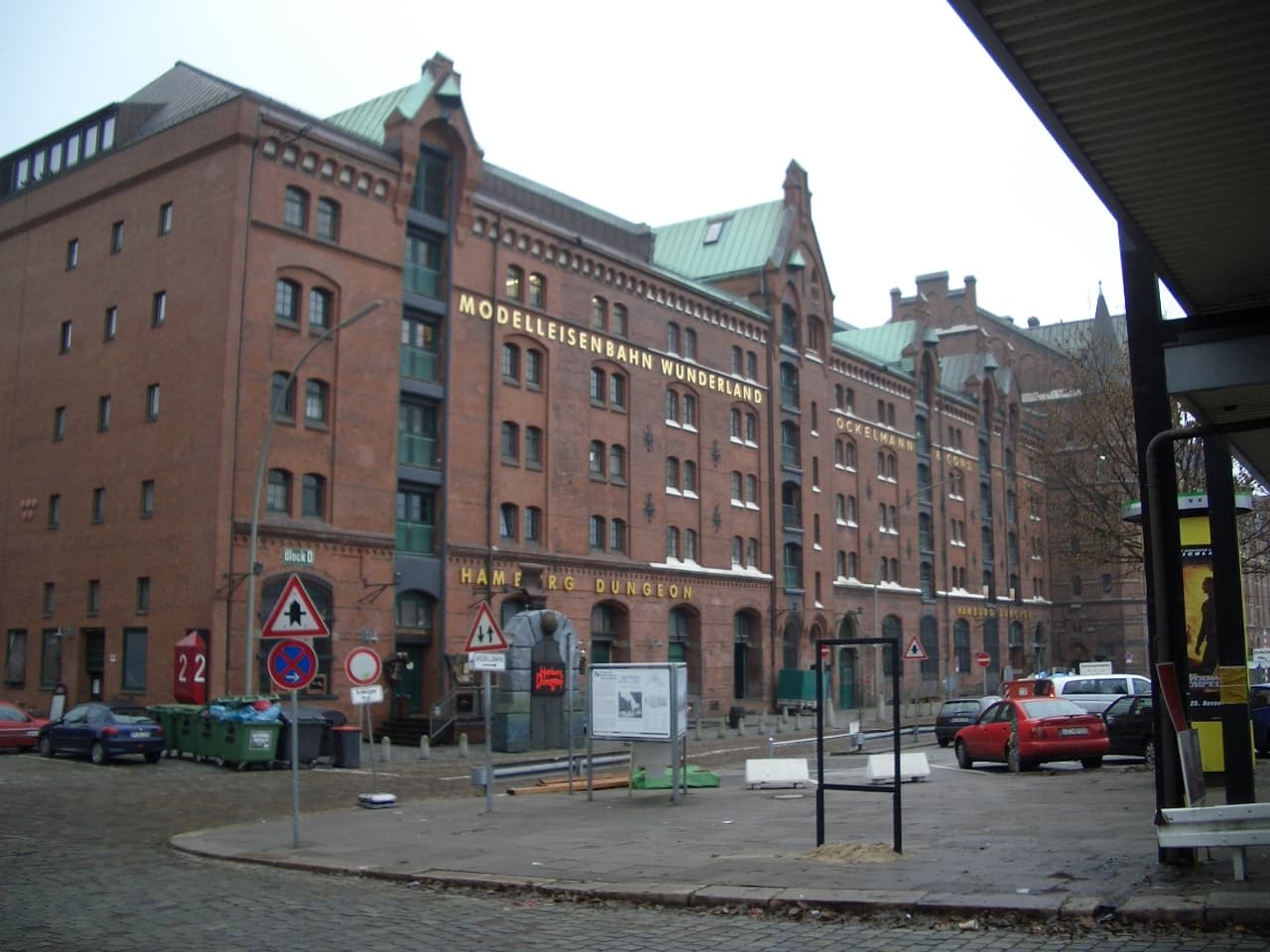 Miniatur WunderlandMiniatur Wunderland is the largest model railway in the world, filling several f3 minutes walk4.7
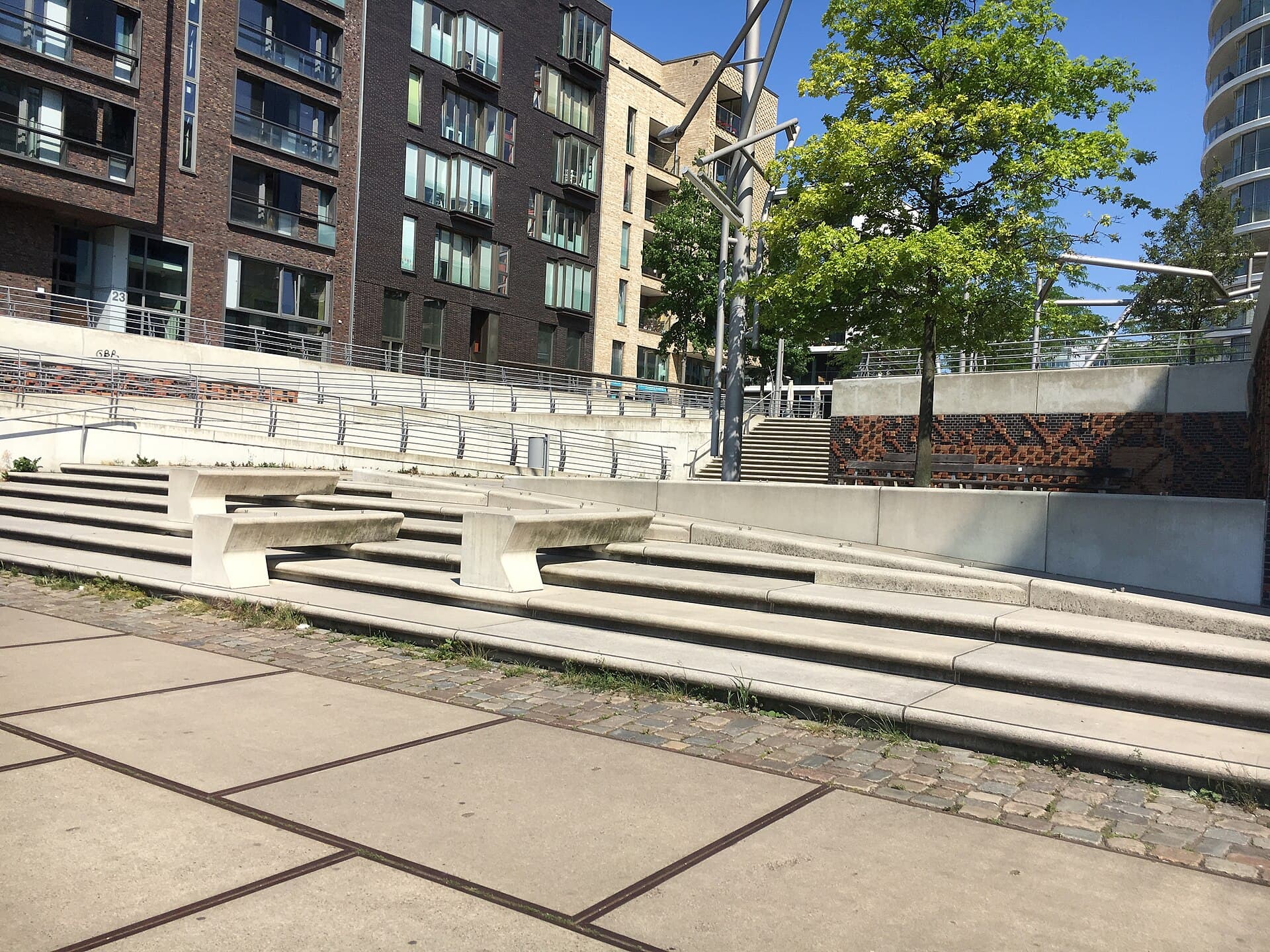 Vasco da Gama SquareA small square in Hamburg's Portuguese Quarter near the harbour, named after the3 minutes walk4.4
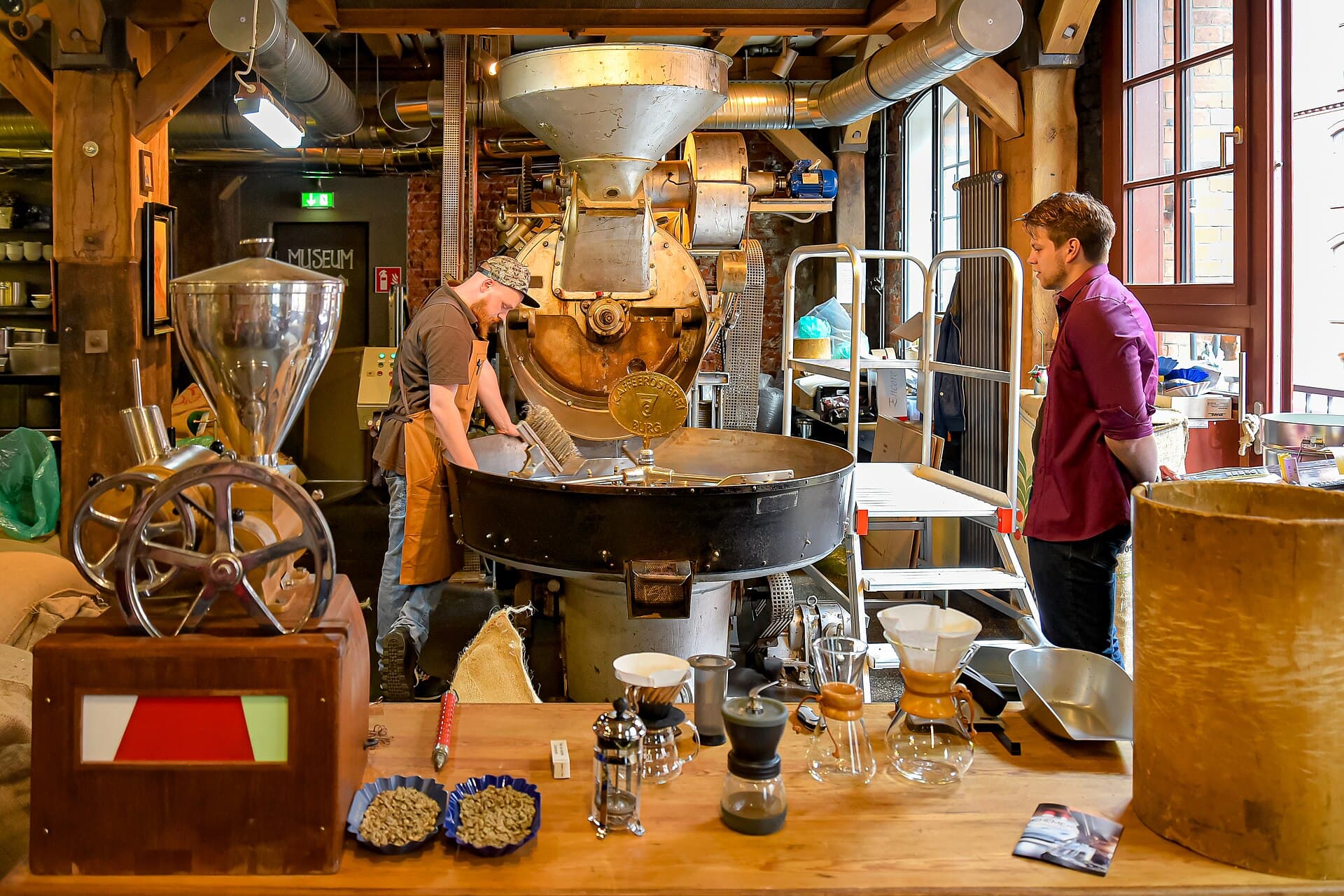 Kaffeemuseum BurgA small coffee museum inside the Speicherstadt, Hamburg's red-brick warehouse di4 minutes walk4.6
No. The district is public streets, open around the clock and free to walk. Tickets are only for the museums inside, such as Miniatur Wunderland.
After dark, without question: the lighting on the red brick and its reflection in the canals is the famous image of Hamburg. Daytime is better for architectural detail, but night is lovelier.
An hour to walk the district and see its best corners. Add museum time if you go in — Miniatur Wunderland alone needs two to four hours.