
A community from work
The quarter formed around servicing moored ships, not a settlement plan.
Bernhard Diener — CC BY-SA 4.0 · Andrzej Otrębski — CC BY-SA 4.0 · Pauli-Pirat — CC BY-SA 4.0 · DARIUSzpre — CC BY 3.0
A small square in Hamburg's Portuguese Quarter near the harbour, named after the Portuguese navigator Vasco da Gama, who opened the sea route to India. The quarter itself is the story. From the mid twentieth century, sailors and workers from Portugal and Spain settled in this area and opened restaurants and cafés serving the crews of ships in port. Over time it became a small district with its own character: Portuguese fish restaurants, cafés and shops, in a cold northern city. This pattern repeats in every major port city: communities form around maritime work rather than planned migration, and leave their trace in the cooking and the names before anything else. Hamburg has been a port city since the medieval period and was among the most important members of the Hanseatic League. Its official name to this day is the Free and Hanseatic City of Hamburg. Practical points: the square is free and always open. The area around it is a centre of Portuguese and Spanish restaurants, and among the best places to eat near the harbour.
The quarter formed around servicing moored ships, not a settlement plan.
Restaurants and names survive after everything else changes.
Hamburg's official name to this day, from the League era.
The Portuguese Quarter, Hamburg
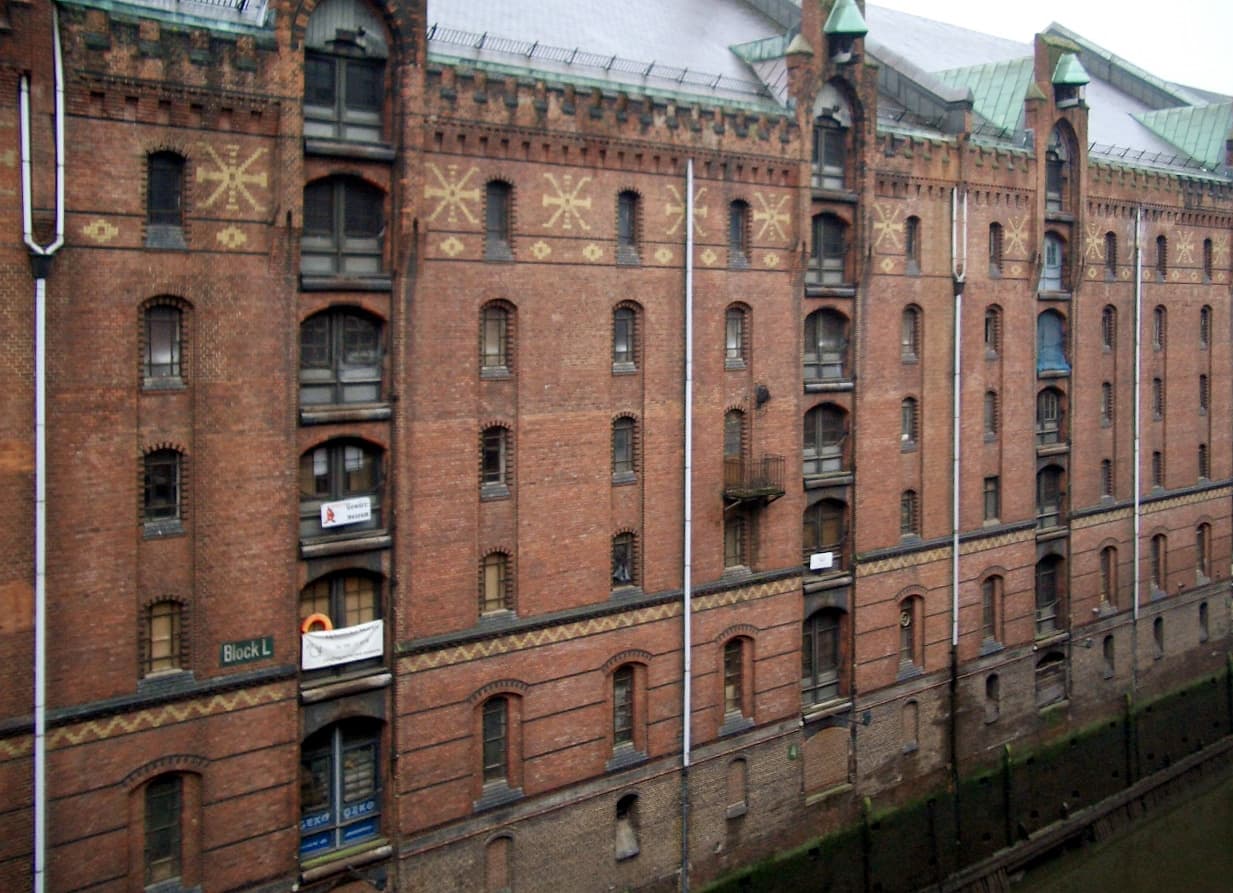 Spicy's Spice MuseumThe Spice Museum in the Speicherstadt is the only museum in the world devoted to3 minutes walk4.2
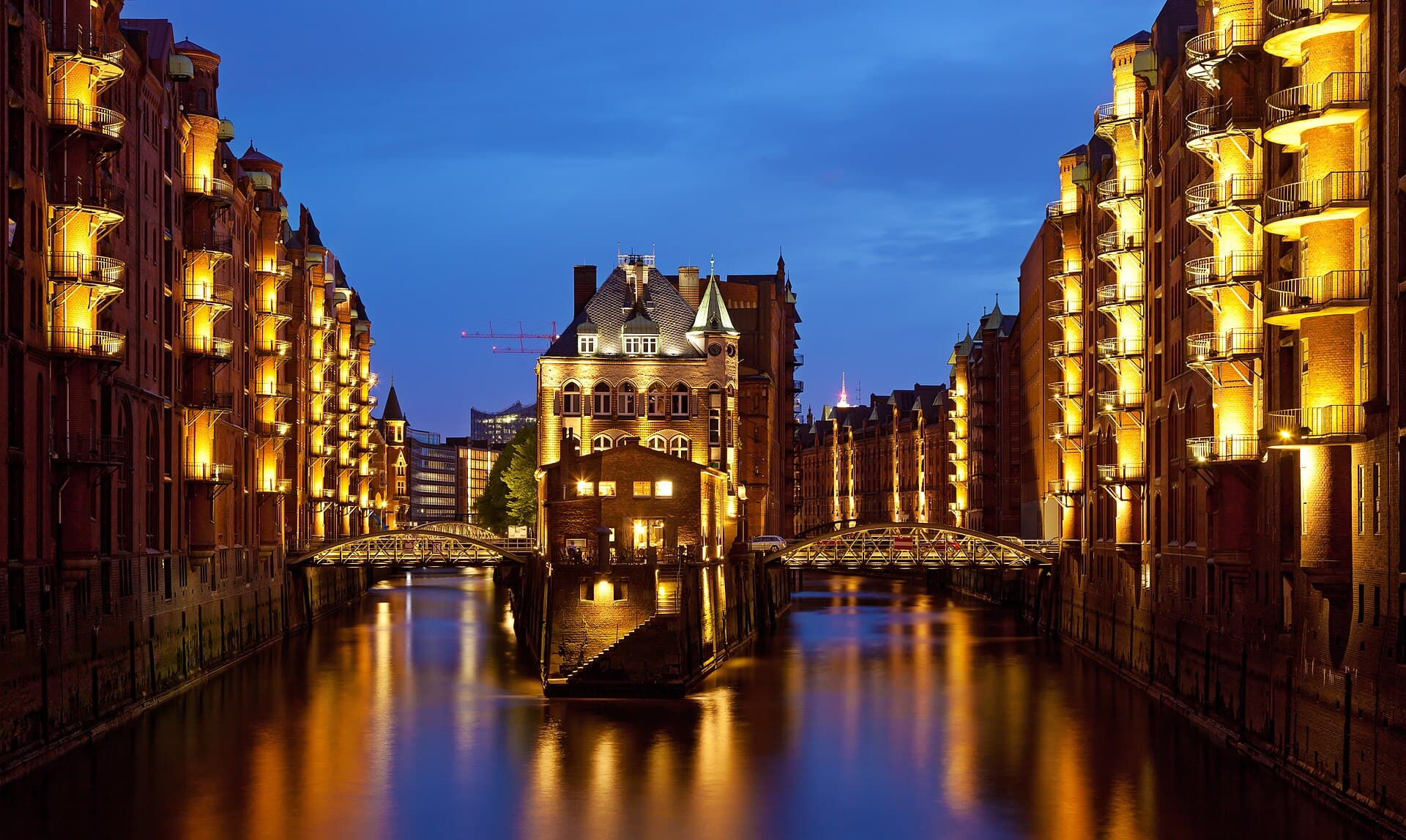 SpeicherstadtThe Speicherstadt is the largest connected warehouse district in the world, list3 minutes walk4.9
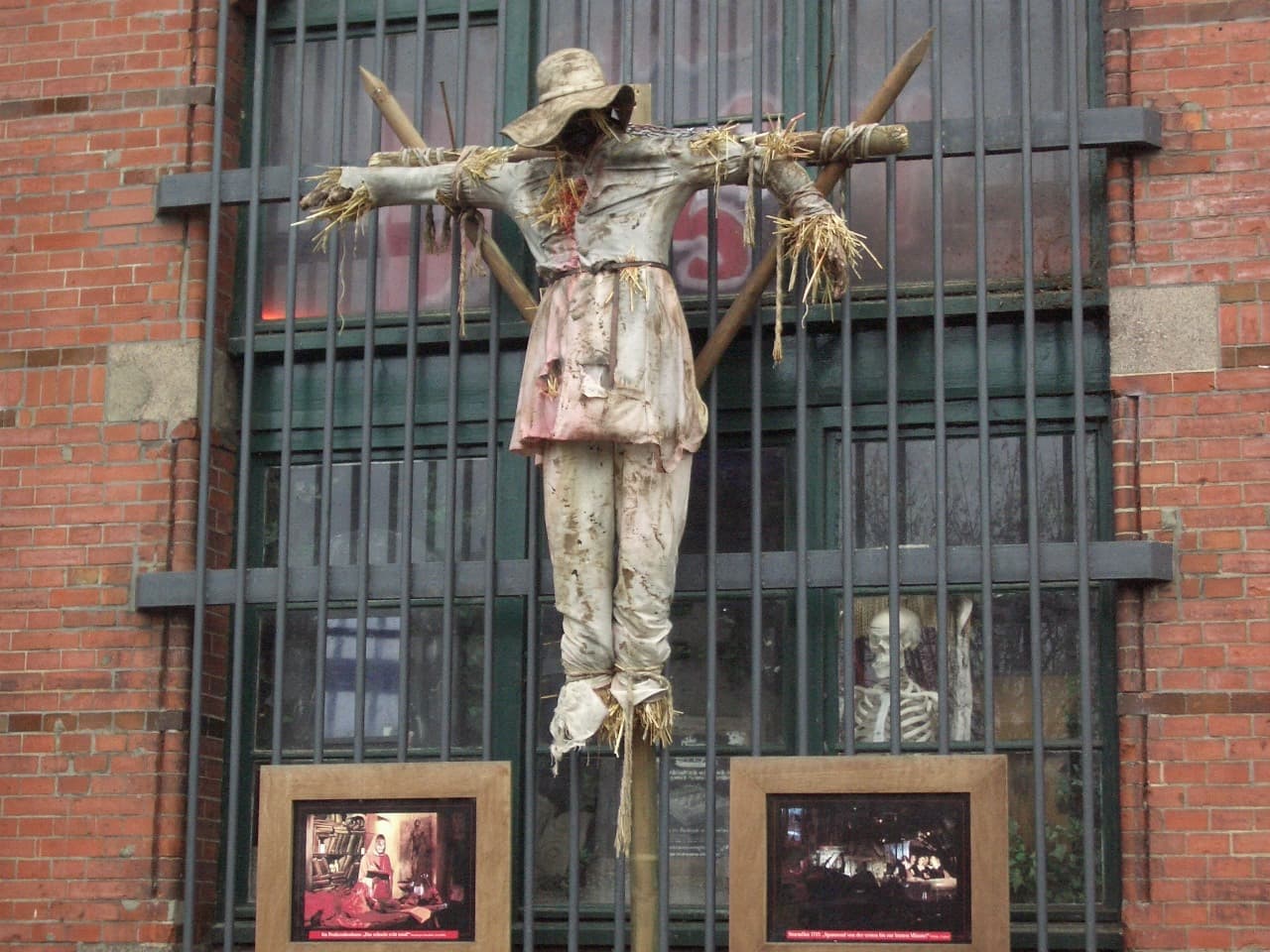 Hamburg DungeonThe Hamburg Dungeon is a scare show in the old warehouse district, in more or le4 minutes walk4.6
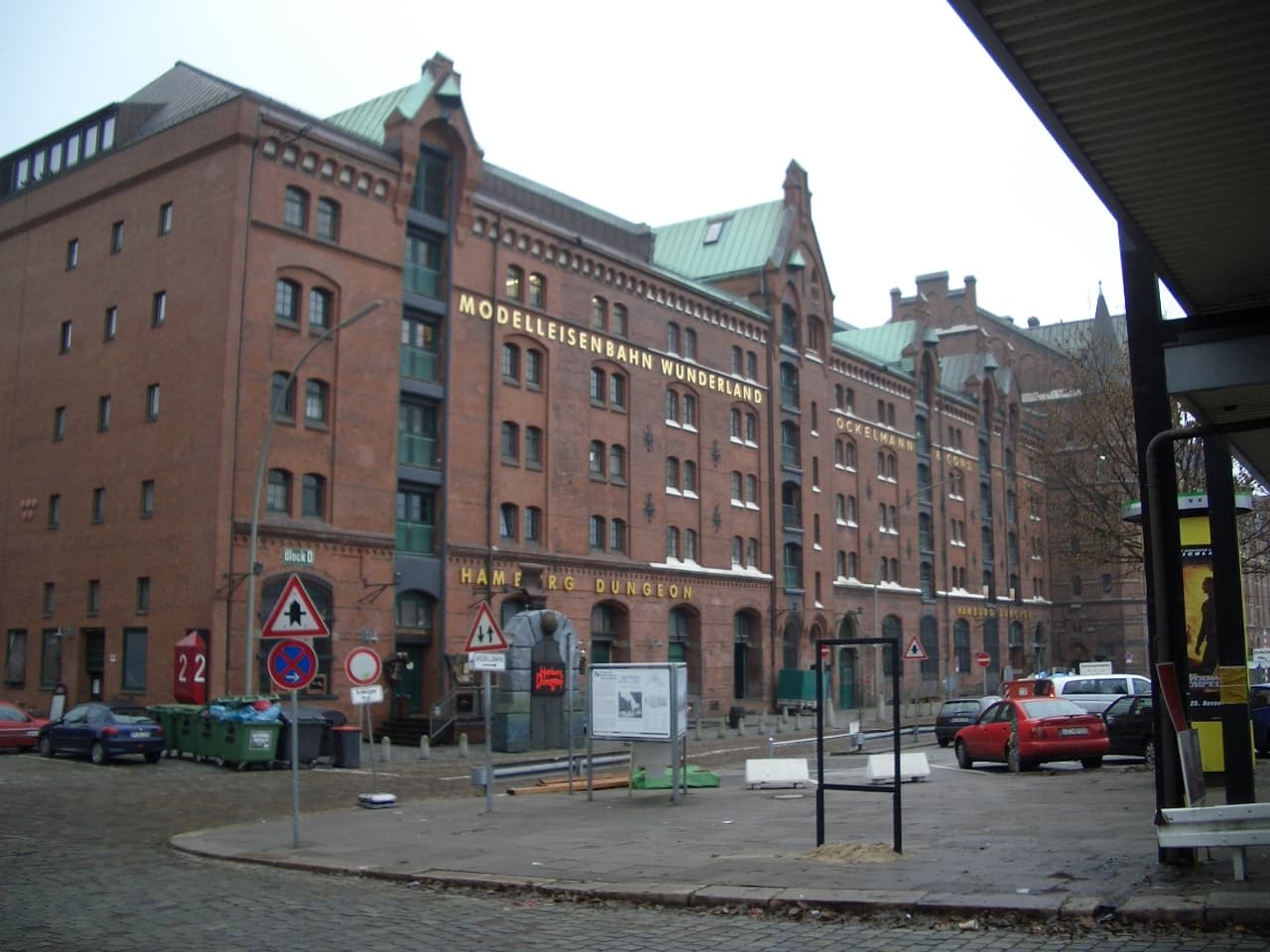 Miniatur WunderlandMiniatur Wunderland is the largest model railway in the world, filling several f4 minutes walk4.7
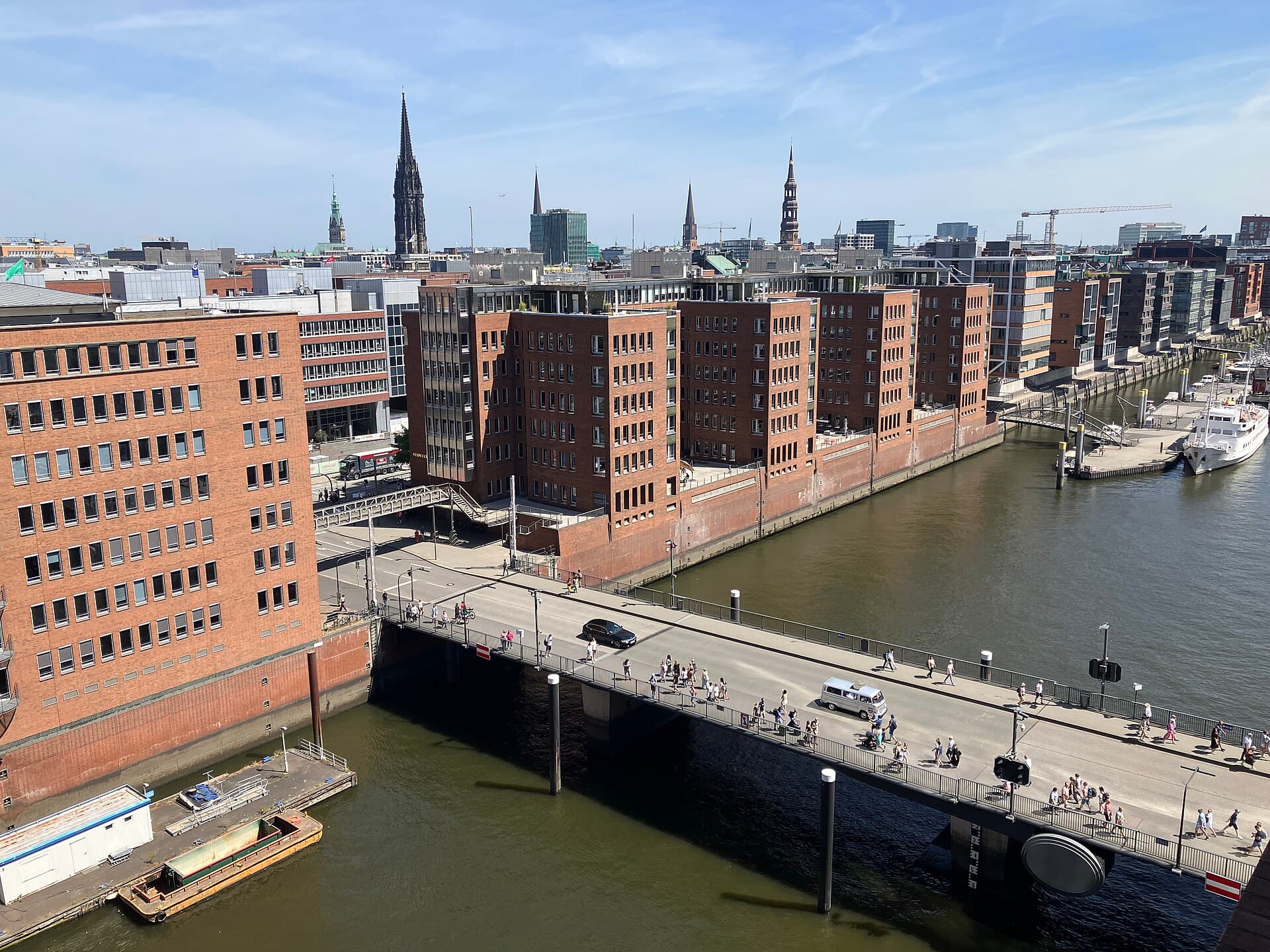 The Elbphilharmonie PlazaThe Plaza is the public floor of the Elbphilharmonie: an open deck thirty-seven 5 minutes walk4.7
The area is full of Portuguese and Spanish fish restaurants, most of them simple and reasonably priced compared with the tourist harbour restaurants metres away. Look for the places full of locals rather than the frontages translated into five languages. Prices in Hamburg are generally high, and this quarter is among the best exceptions near the water.
A commercial alliance of Baltic and North Sea cities from the twelfth century onwards, which monopolised northern trade routes for centuries. Hamburg, Lübeck and Bremen were among its most powerful members and won self-governing privileges that made them free cities, not subject to a territorial prince. That independence left an institutional trace: Hamburg and Bremen are federal states in their own right in Germany today, rather than cities within states.