
Alpine houses in a city of stone
The first boatbuilders came down from Cadore and built themselves mountain houses in timber, in a city that has almost none.
Jorge Franganillo — CC BY 2.0 · Rijksmuseum — CC0 · dconvertini — CC BY-SA 2.0 · Didier Descouens — CC BY-SA 4.0
In a city built entirely of stone, a cluster of wooden houses stands here with sloping roofs and overhanging balconies, as though lifted from a village in the Dolomites and set down on the edge of a canal. That is more or less what happened: the first boatbuilders came from the Cadore mountains in the north, bringing their timber and their way of building with them. The result is a corner of Dorsoduro that looks nothing like Venice and is somehow among the most Venetian things in it. A squero is a small boatyard, and this one has existed in some form since at least the seventeenth century — one of the last still building and repairing gondolas by hand. Boats are winched up the stone slipway that runs down to the water, laid on their side, scraped, and tarred until the black hull shines again. A gondola is not a symmetrical boat: the left side is longer than the right by some 24 centimetres to balance the push of a single oar, and roughly eight kinds of wood go into one, each with its own place and purpose. The thing to know before you go is that this is a workplace, not a museum. No ticket, no gate, no one at a desk. You stand on the bank opposite — Fondamenta Nani — and watch across a canal only a few metres wide, free of charge, at any hour of daylight. The craftsmen are used to being watched and do not mind, but walking in is not on offer: interior visits are arranged in advance by email, and in practice only for pre-booked groups, on weekdays, for a fee. Ten minutes is genuinely enough, and a weekday morning is the version worth having, when someone is actually working. On Sundays and holidays you may find the yard silent, with one upturned hull and nobody near it. The setting earns its place too. You are in Dorsoduro, a few minutes' walk from the Gallerie dell'Accademia and the Peggy Guggenheim Collection — each a separate visit with its own ticket, and unconnected to the squero — and a step from the Zattere waterfront with its open sky and cafés. The crush of Piazza San Marco does not reach here. The walk is mostly flat, though Venice's stepped bridges remain an obstacle for pushchairs and wheelchairs, and on peak days a day visitor may need the city's pre-booked access fee. Fold it into a walk rather than building a trip around it.
The first boatbuilders came down from Cadore and built themselves mountain houses in timber, in a city that has almost none.
Hulls come up the slipway to be scraped and tarred — the only view that shows you how asymmetrical the boat really is.
Ten minutes on the far bank is the whole visit — a real working thing wedged between two paid museums.
Fondamenta Bonlini, Dorsoduro 1097, Venice — viewed from the opposite bank, Fondamenta Nani
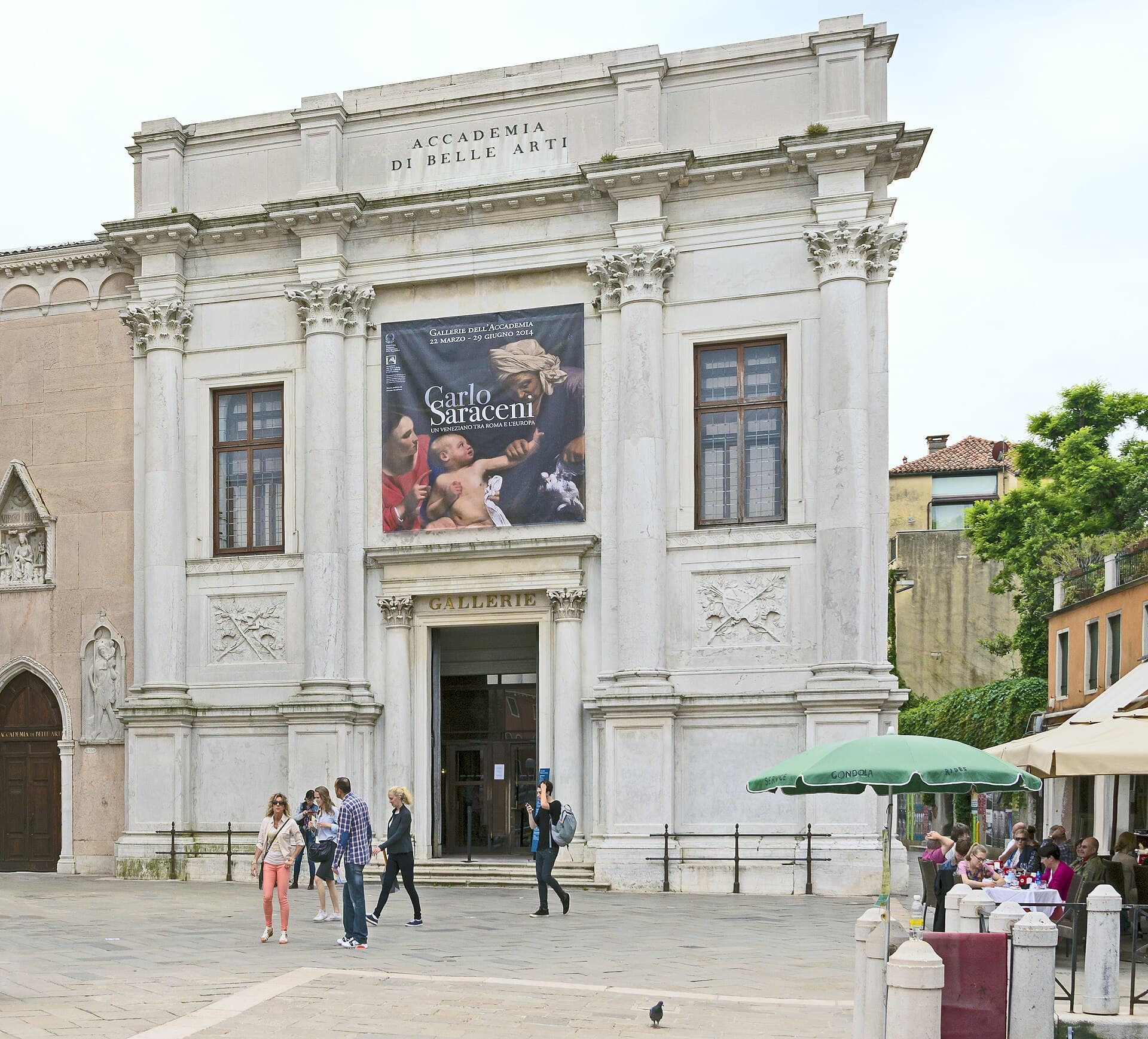 Gallerie dell'AccademiaThe Accademia is the treasury of Venetian painting: the world's greatest collect3 minutes walk4.5
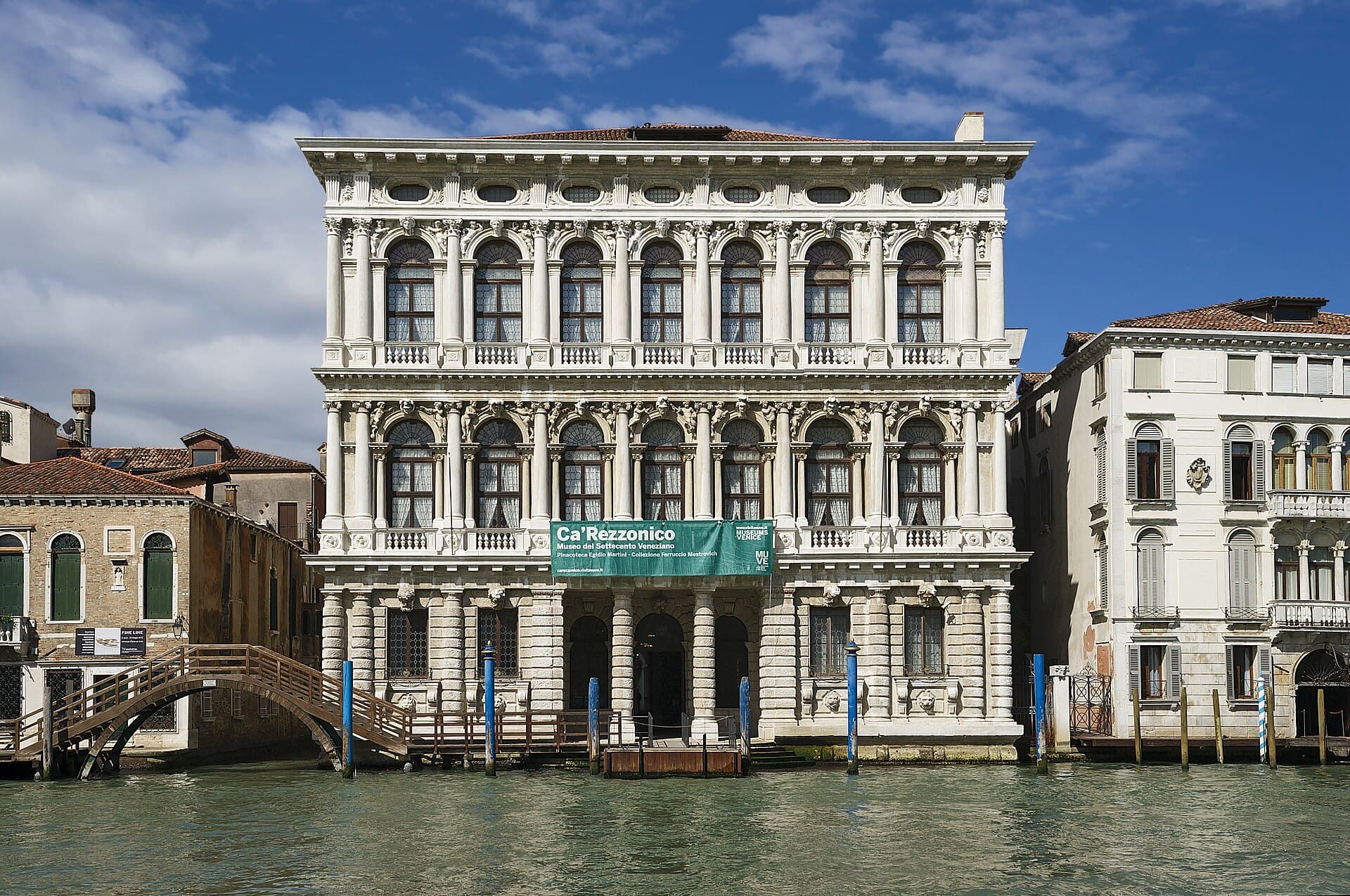 Ca' RezzonicoCa' Rezzonico is a grand Baroque palace on the Grand Canal turned into the Museu6 minutes walk4.6
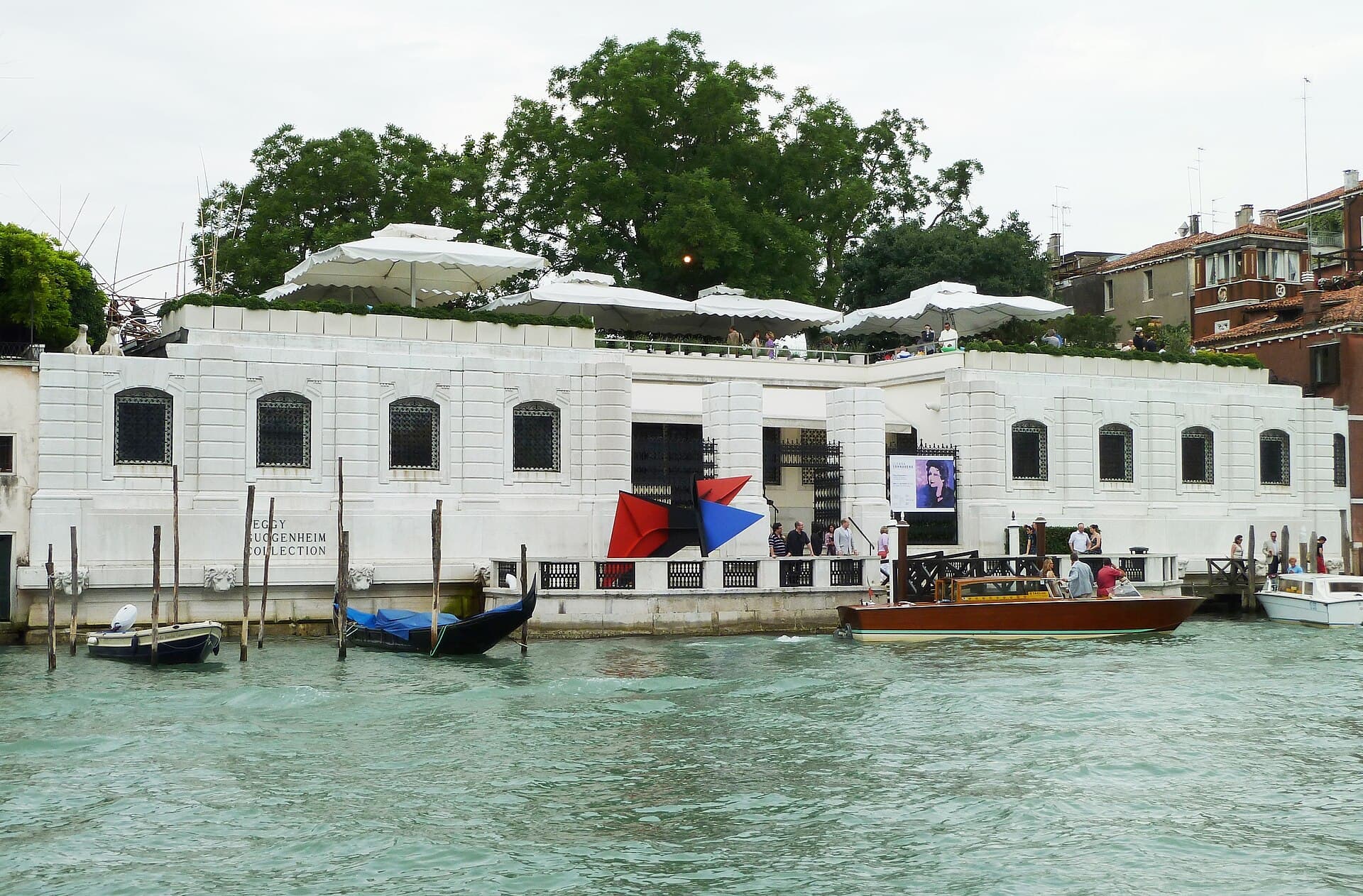 Peggy Guggenheim CollectionThe Peggy Guggenheim Collection is Italy's most important modern-art museum, and6 minutes walk4.5
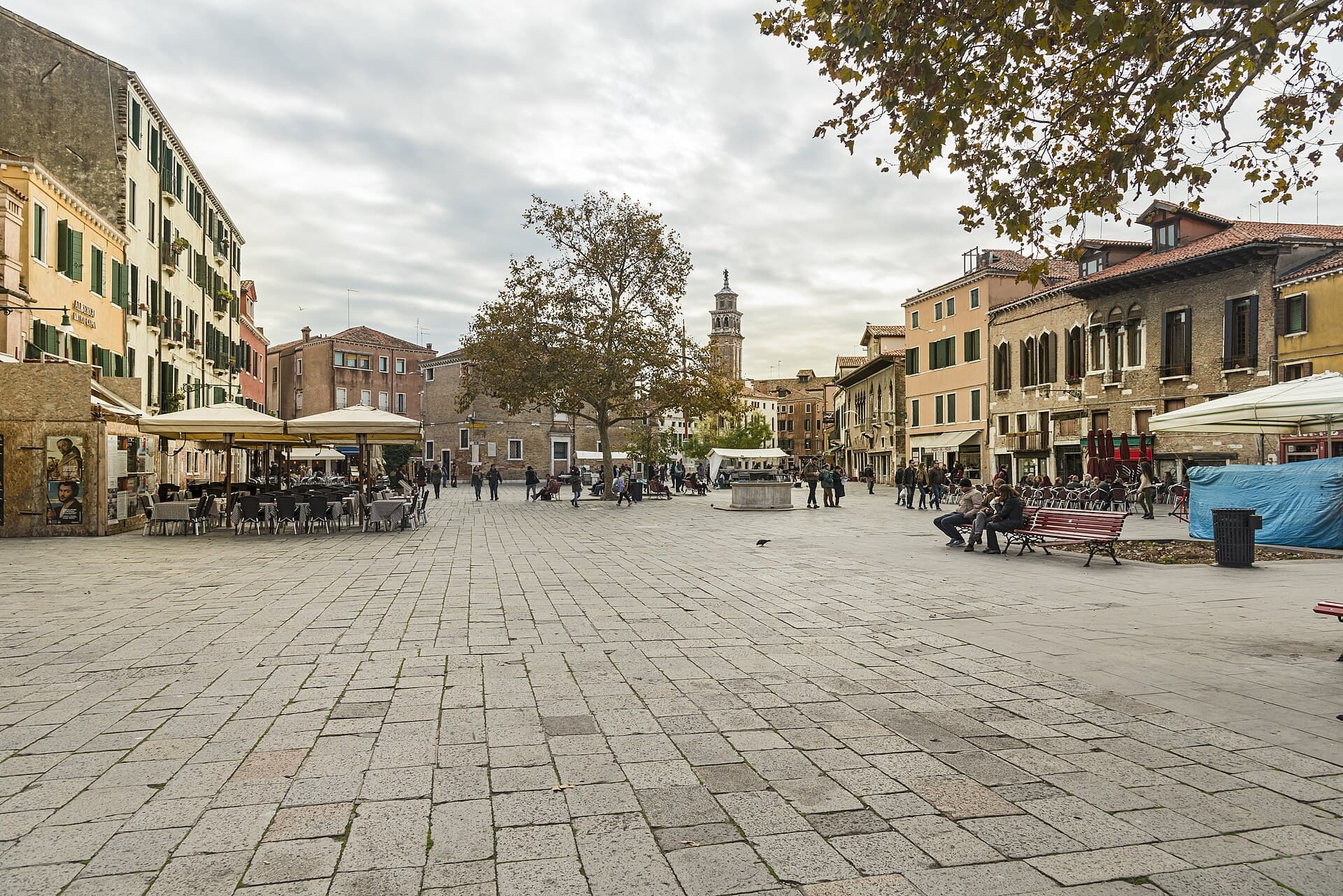 Campo Santa MargheritaOn the face of a small building standing alone in the middle of the square, a ma6 minutes walk4.8
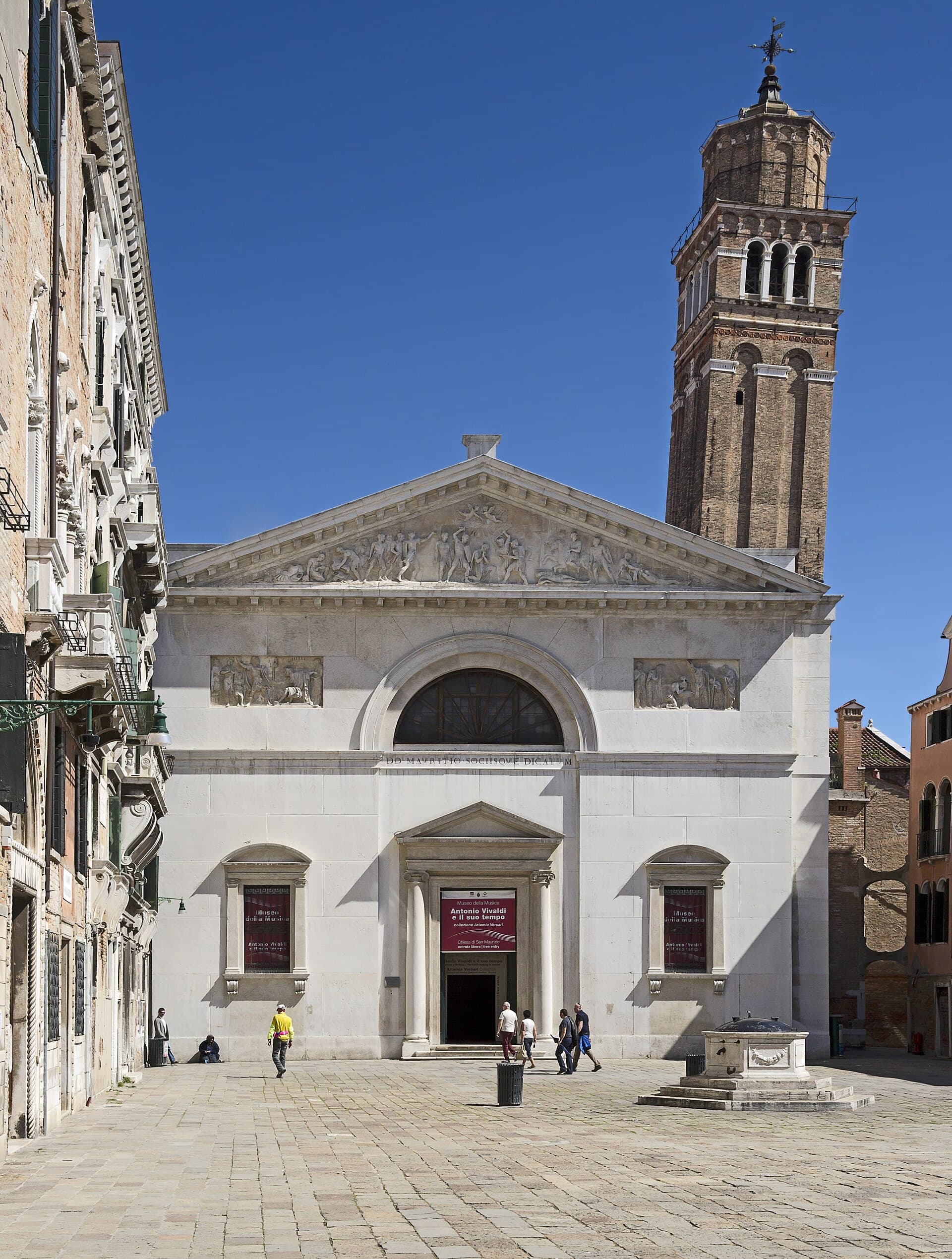 Museum of Music (San Maurizio), VeniceSan Maurizio has not been a working church for a long time. Under its neoclassic7 minutes walk4.3
Not on a walk-up basis. The squero is a working workshop; getting inside means arranging it in advance by email through the official site — a guided visit of about half an hour, and in practice only for a pre-booked group of around twenty-five, Monday to Friday, for a fee. A lone traveller will not get in. For an individual the whole experience is from the bank opposite — the canal is only a few metres wide and you see everything clearly. Do not open the gate and let yourself in.
No. If you are already in Dorsoduro — coming out of the Accademia or the Guggenheim, or walking the Zattere — it is an excellent free ten-minute stop. But taking a vaporetto over specially is a poor trade: a single fare is €9.50 each way, close to €19 return for a ten-minute view. Put it on your route, not at the top of your list.