
Reversed cannons
Aimed inland.
Robert Treufeldt — CC BY-SA 4.0 · User:Katangais — CC BY 2.5 · Theo.Vilein — CC BY-SA 4.0 · Dlinemedia — CC BY-SA 4.0 · Gisling — CC BY 3.0
A small fort on the top of St John's Hill east of Malacca, rebuilt by the Dutch in the eighteenth century over older Portuguese fortifications, on the site of a private Portuguese chapel dedicated to St John the Baptist, which gave it its name. Its walls are of red laterite stone and brick, three to four metres high, with a single entrance. Its oddest feature is that its cannons point inland rather than out to sea, because the Dutch feared attacks by the Acehnese and Bugis from the interior more than raids by sea. The fort is small and a short visit is enough, but the climb rewards you with views over Malacca's rooftops, neighbourhoods and the distant sea. Entry is free, and it is best to go before sunset when the heat eases. It is close to the Portuguese Settlement, so combine the two in one evening: the fort in late afternoon, then dinner on Portuguese Square.
Aimed inland.
Malacca's roofs and the sea.
One evening.
St John's Hill, about three kilometres east of the old town
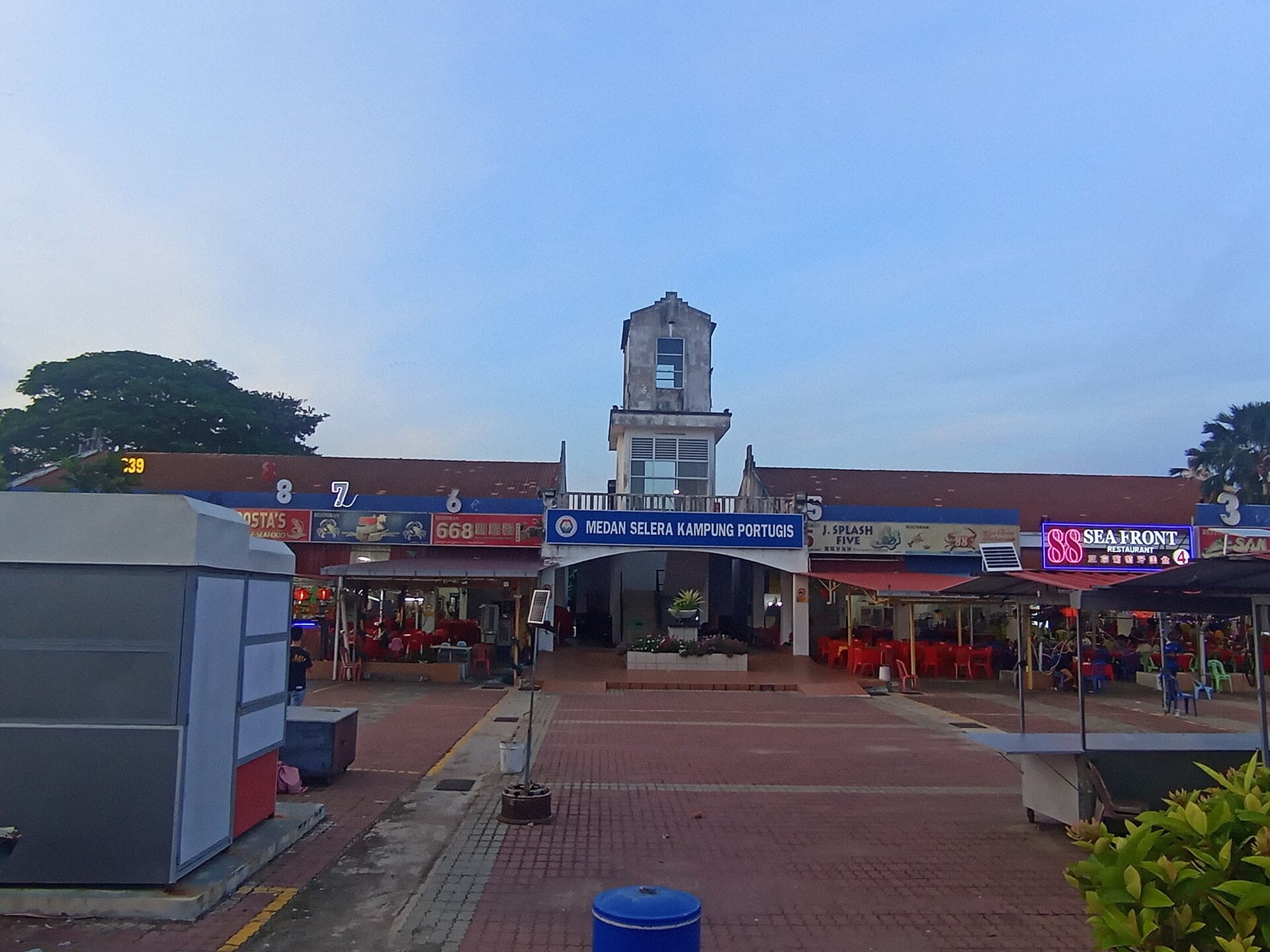 Portuguese SettlementA quiet seaside neighbourhood home to about a thousand Kristang people, Malaysia6 minutes walk
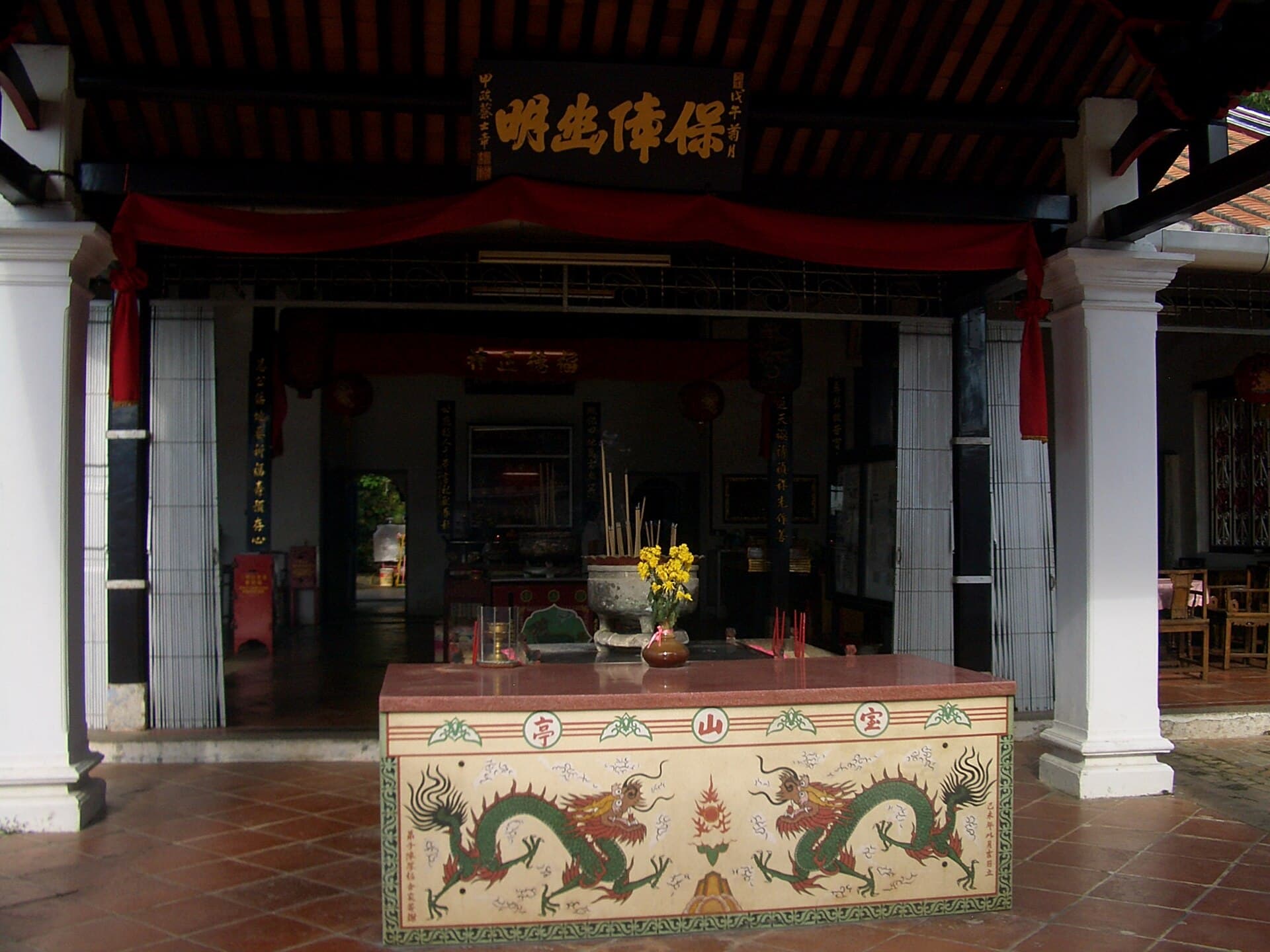 Poh San Teng TempleA small Chinese temple at the foot of Bukit China in Malacca, beside the King's 15 minutes walk
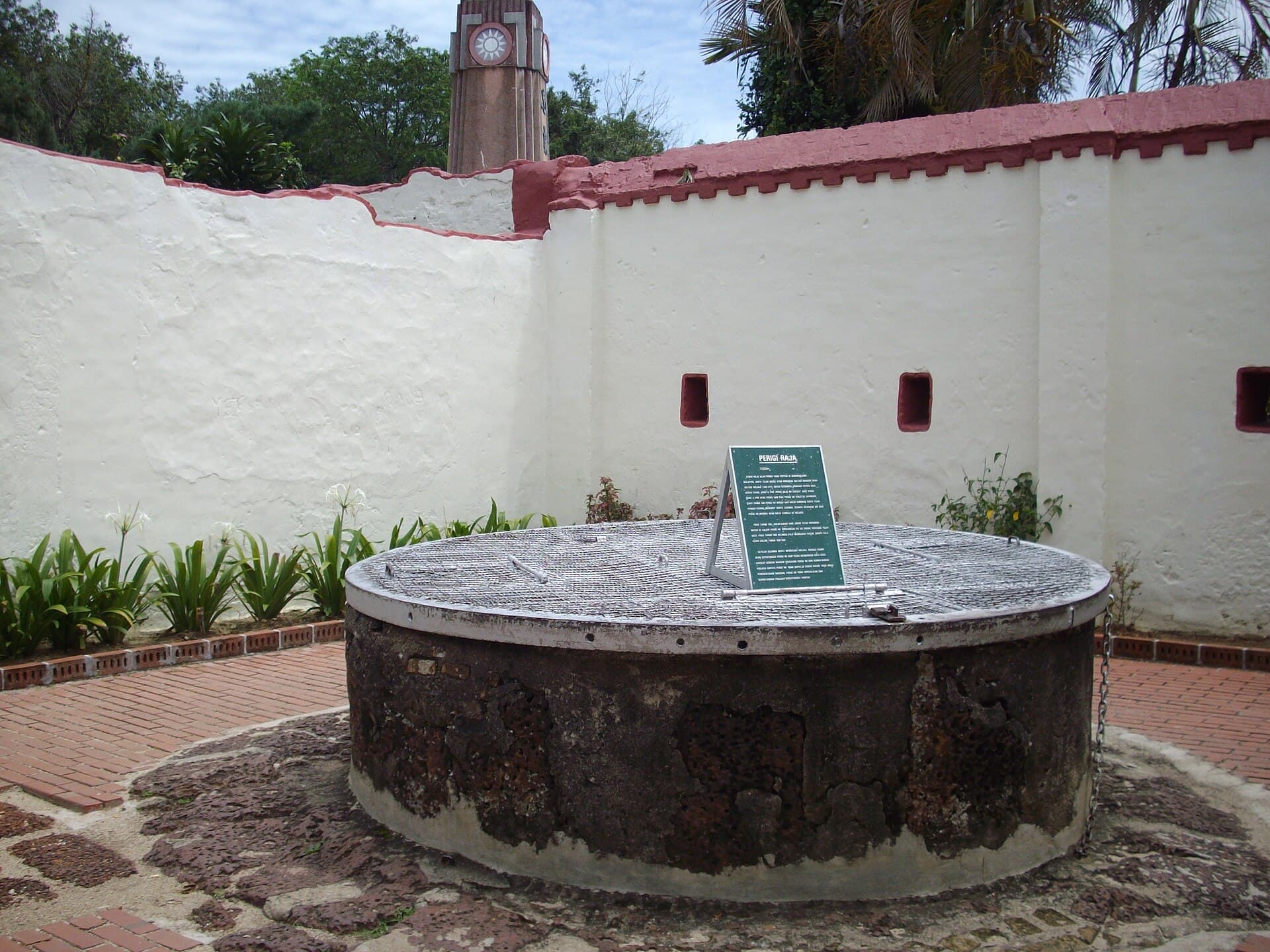 Hang Li Poh's Well (King's Well)The oldest well in Malaysia, dug in 1459 by the followers of the Chinese princes15 minutes walk
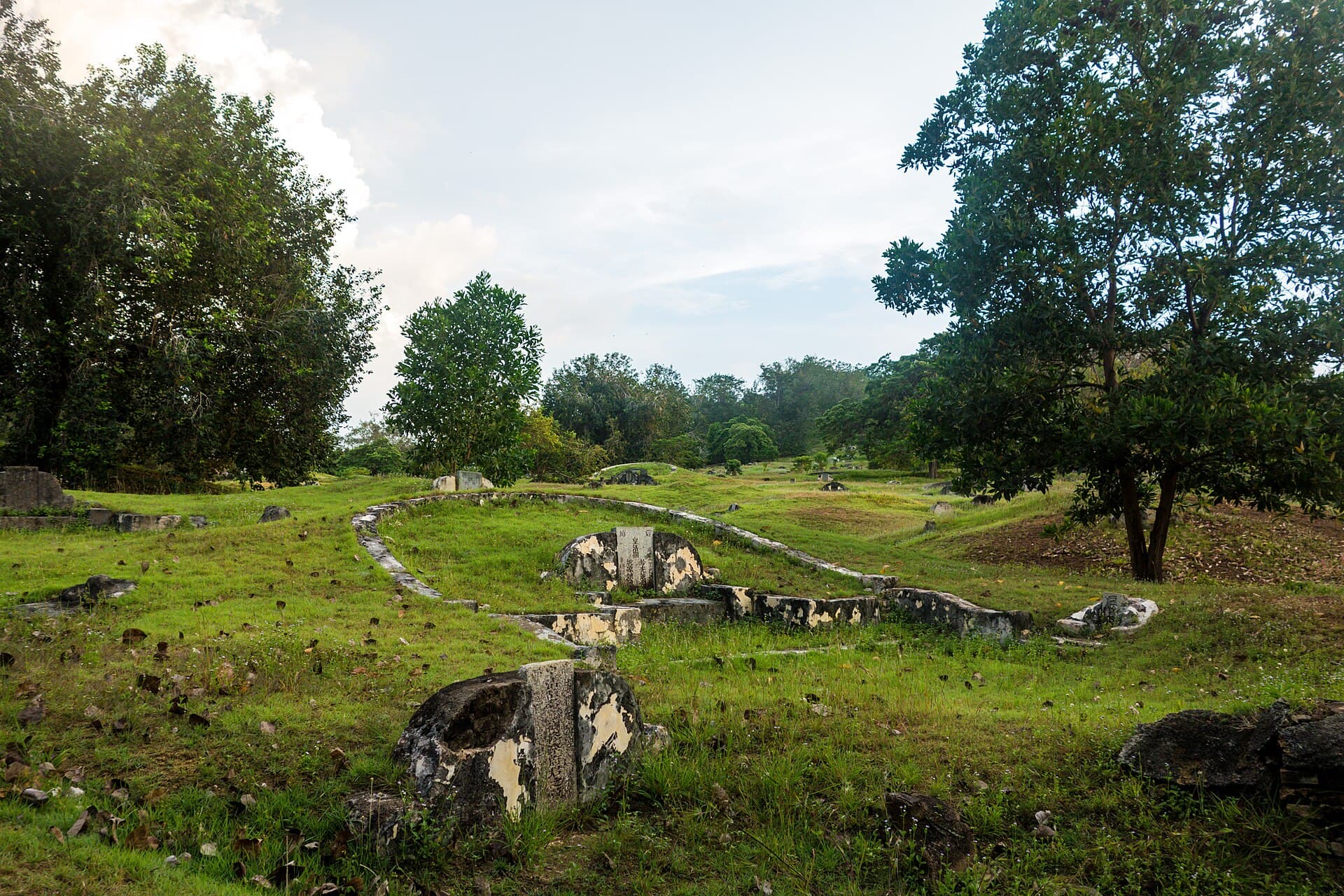 Bukit ChinaA wide green hill east of the old town, tied to one of Malacca's best-known stor16 minutes walk
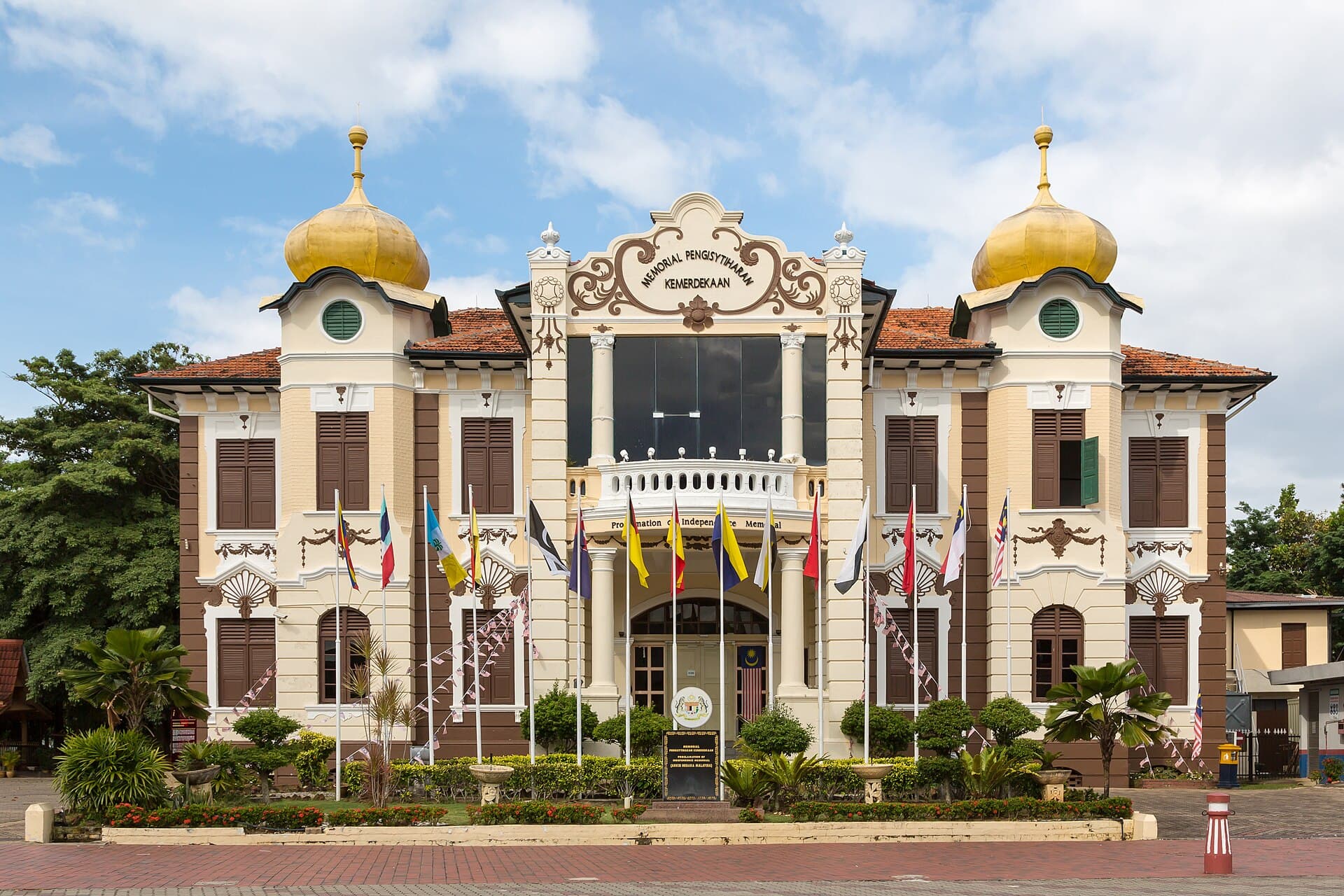 Proclamation of Independence MemorialAn elegant museum in a white building crowned by two golden onion domes, built i19 minutes walk
Because in the eighteenth century the Dutch feared attacks by the Acehnese and Bugis from the interior more than attacks by sea, so they aimed the fort's guns landward.