
Malaysia's oldest well
Dug in 1459.
Rudolph.A.furtado — Public domain · CEphoto, Uwe Aranas — CC BY-SA 3.0 · CEphoto, Uwe Aranas — CC BY-SA 3.0 · CEphoto, Uwe Aranas — CC BY-SA 3.0
The oldest well in Malaysia, dug in 1459 by the followers of the Chinese princess Hang Li Poh, who according to the Malay Annals married Sultan Mansur Shah of Malacca, and for long the town's main source of water. It is also called the King's Well. Each power that ruled Malacca left its mark: the Portuguese seized the well as their water supply when they took the city in 1511, the Dutch walled it with solid brick in 1677 to protect it, and the British neglected it until it fell into disrepair. Today it is a wishing well where visitors toss coins, and a local tale says whoever drinks from it will return to Malacca. Entry is free and the visit very short; its water is no longer fit to drink. It stands at the foot of Bukit China, the largest old Chinese cemetery outside China, beside a small temple built in honour of Admiral Zheng He. It is a short stop for lovers of history and legend; pair it with the Cheng Ho Cultural Museum to complete the story of the old ties between China and Malacca.
Dug in 1459.
Dug by Princess Hang Li Poh's followers.
The tale of returning to Malacca.
At the foot of Bukit China, about 1 km east of the old town
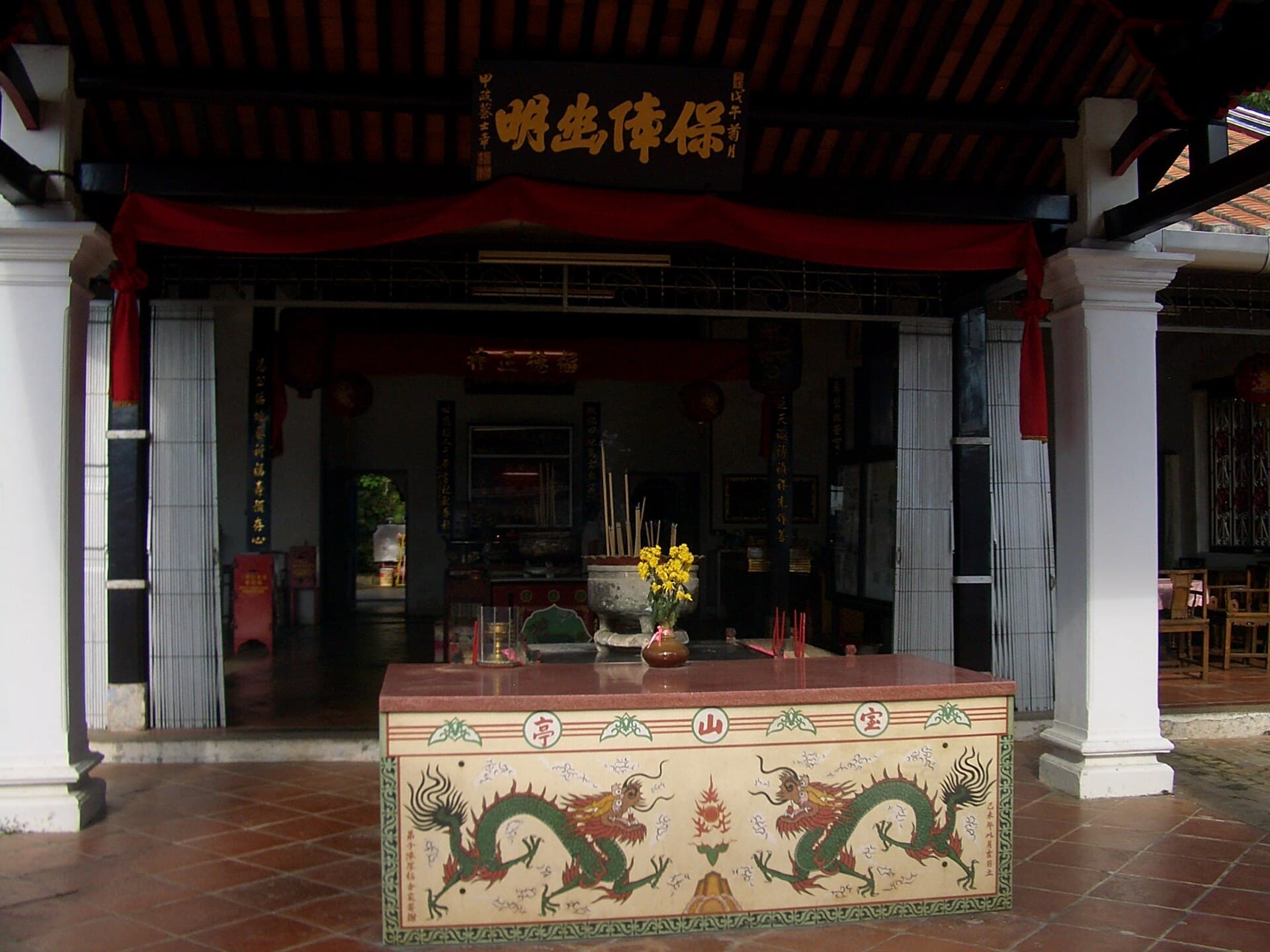 Poh San Teng TempleA small Chinese temple at the foot of Bukit China in Malacca, beside the King's 1 minute walk
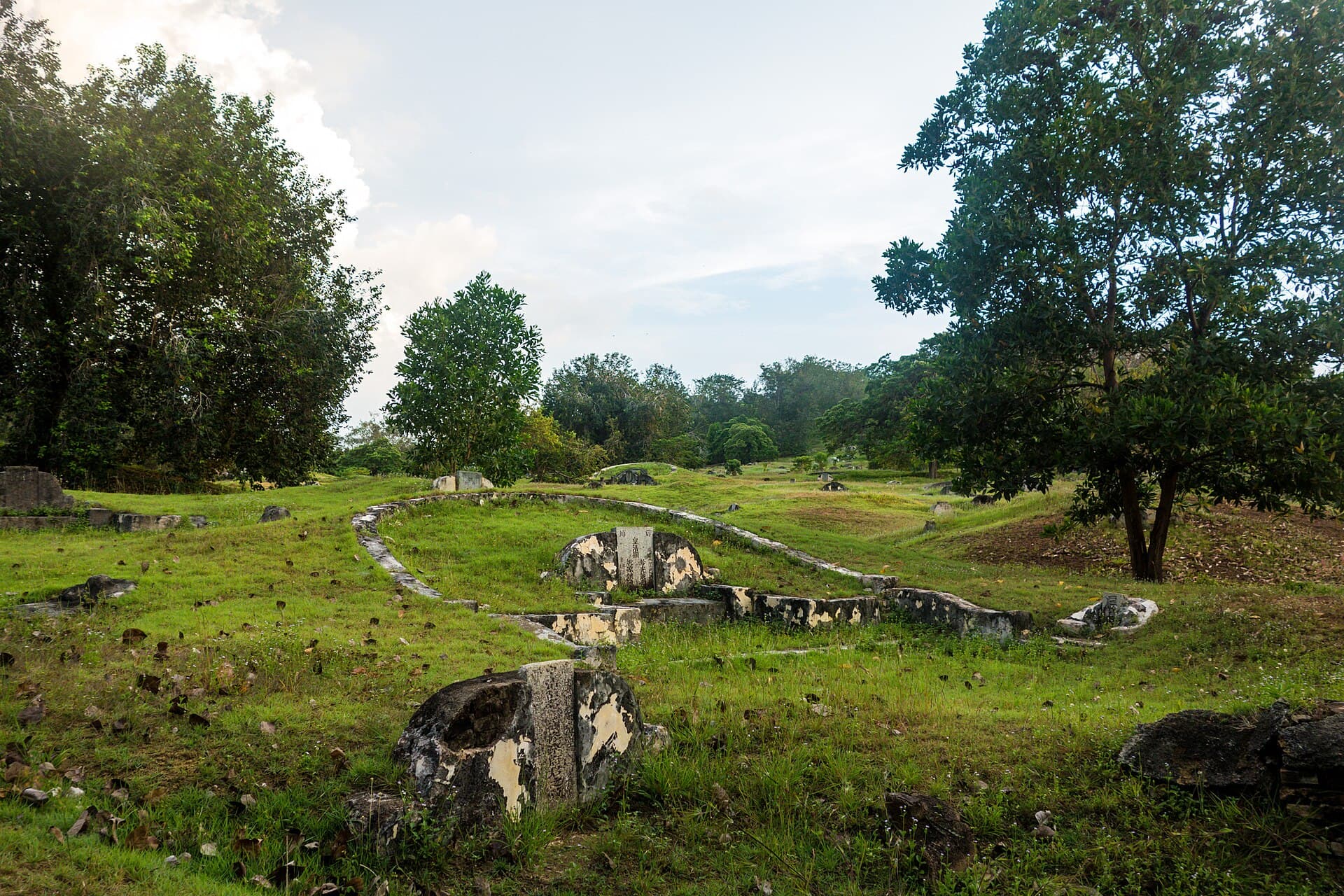 Bukit ChinaA wide green hill east of the old town, tied to one of Malacca's best-known stor4 minutes walk4.4
 Church of St Francis XavierA twin-towered neo-Gothic Catholic church overlooking the Malacca River a few mi7 minutes walk
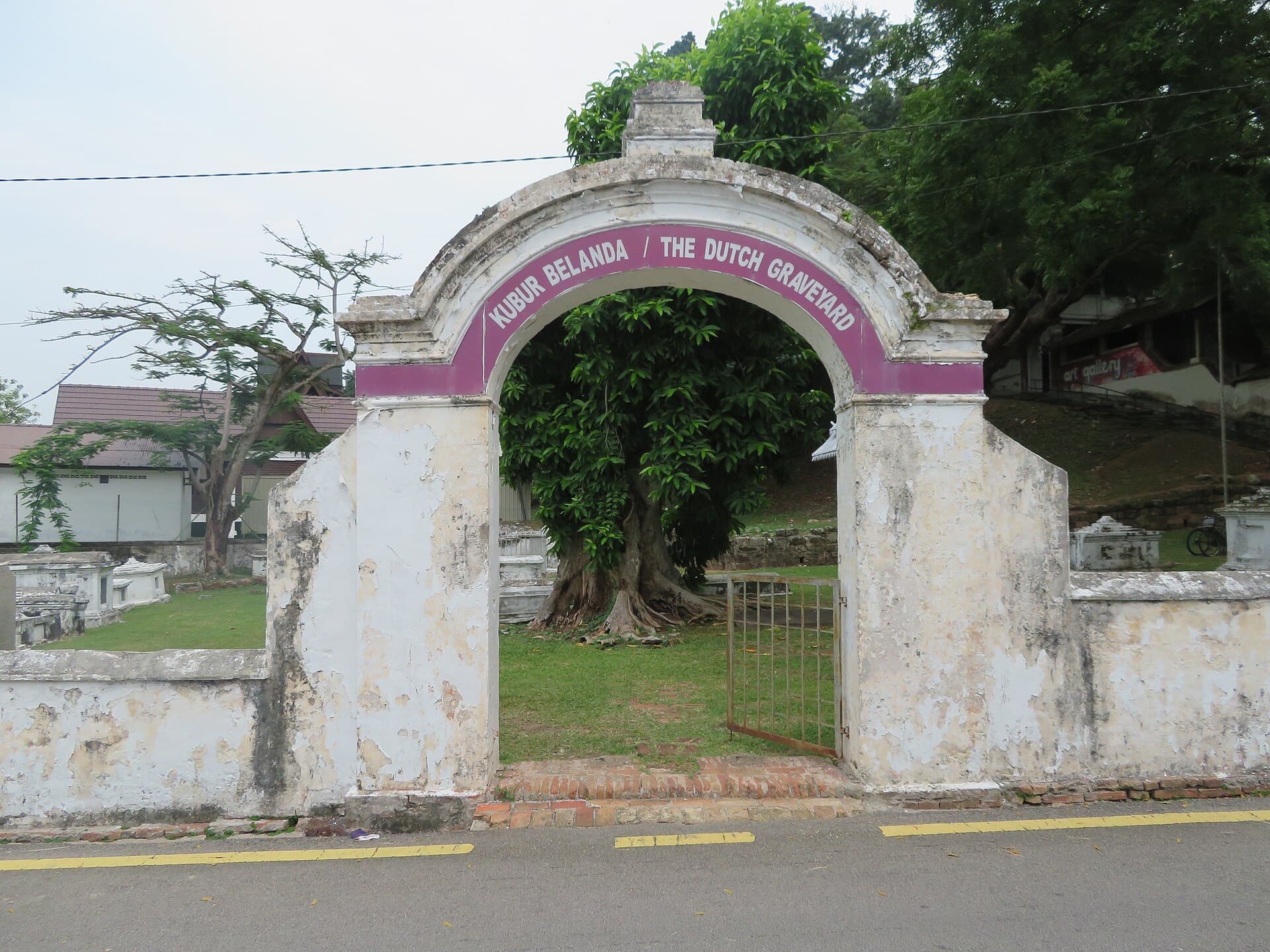 Dutch GraveyardA small walled cemetery at the foot of St Paul's Hill in the heart of historic M7 minutes walk
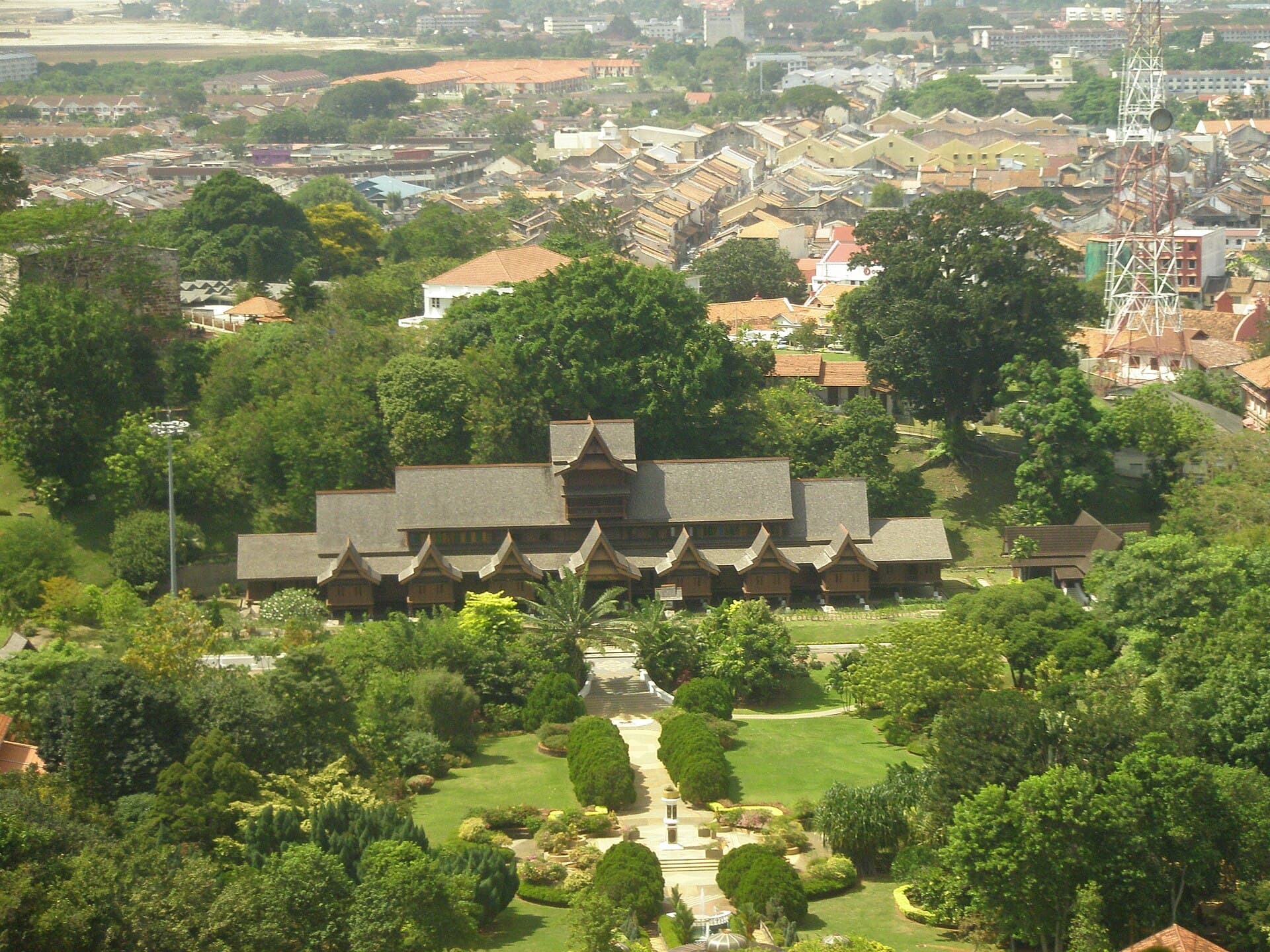 Melaka Sultanate Palace MuseumBefore the Portuguese arrived in 1511, Malacca was the capital of a Muslim sulta8 minutes walk4.3
It is a very short stop, worth it for lovers of historical tales or if you are passing. On its own it is not worth a special trip.