
Brick as an expressive material
Sharp angles and vertical lines giving sculptural texture rather than a flat wall.
Raimond Spekking — CC BY-SA 4.0 · Raimond Spekking — CC BY-SA 3.0 · Dietmar Rabich — CC BY-SA 4.0 · CEphoto, Uwe Aranas — CC BY-SA 3.0
A 1920s office building in central Cologne, built as the headquarters of a tobacco company named Neuerburg. What distinguishes it is its style: Brick Expressionism, a German architectural movement between the wars that used brick rather than stone, shaping it into facades with sharp angles, vertical lines and projections that give the building a sculptural texture. The idea was that brick — a cheap industrial material — could produce expressive architecture rather than plain walls. The movement produced some of Germany's best architecture of the 1920s, especially in the north and in the Ruhr, its most famous example being the Chilehaus in Hamburg. What makes this building notable in Cologne specifically is that the city was more than ninety per cent destroyed in the war, so very little interwar architecture survives. The building holds offices and shops and is not visited inside — the facade from the street is the whole of it. A two-minute stop.
Sharp angles and vertical lines giving sculptural texture rather than a flat wall.
Very little interwar architecture survived the destruction.
A facade to look at in passing, not a destination.
The old centre of Cologne
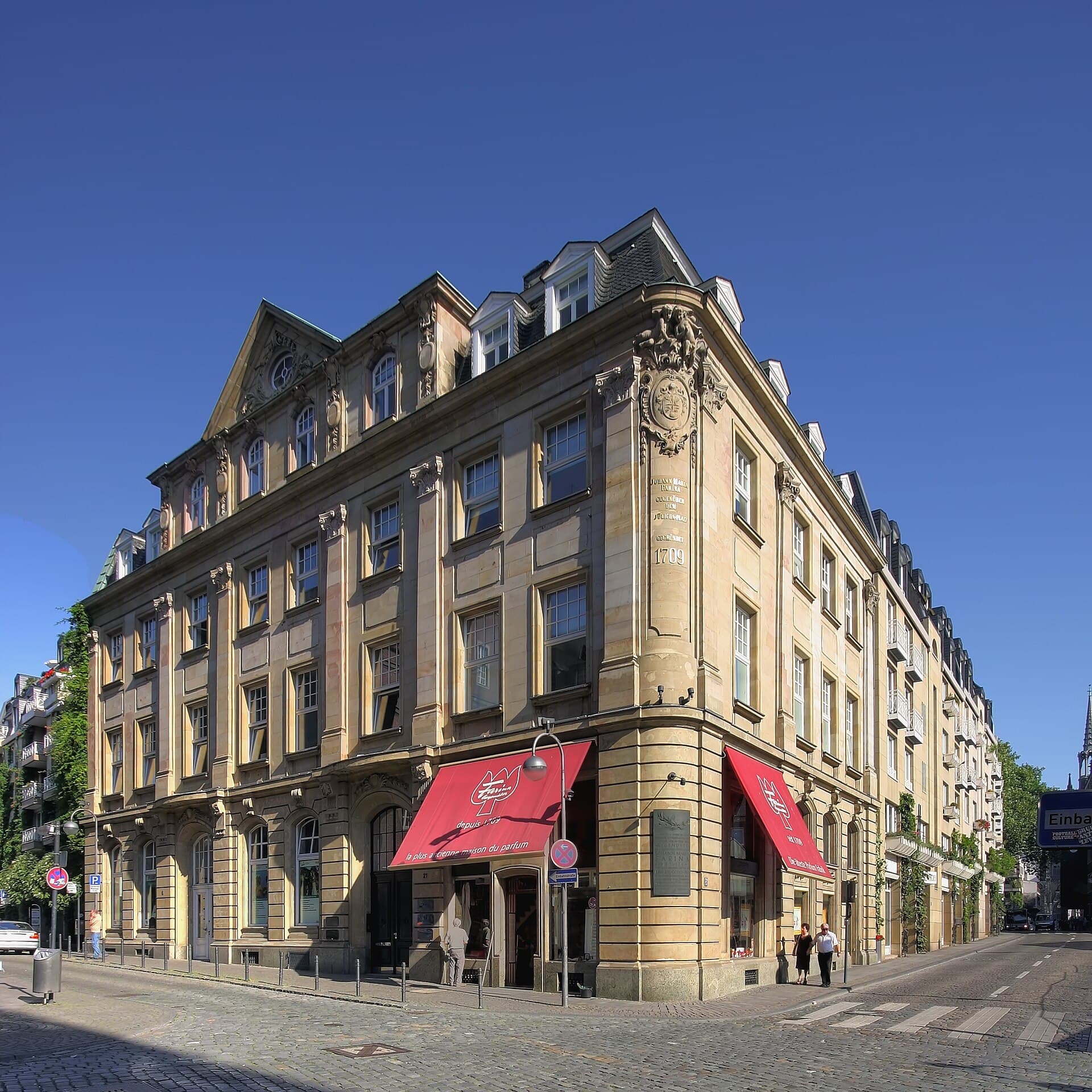 Farina Fragrance MuseumThe Farina Fragrance Museum stands where modern perfume was born. In 1709 the It1 minute walk4.5
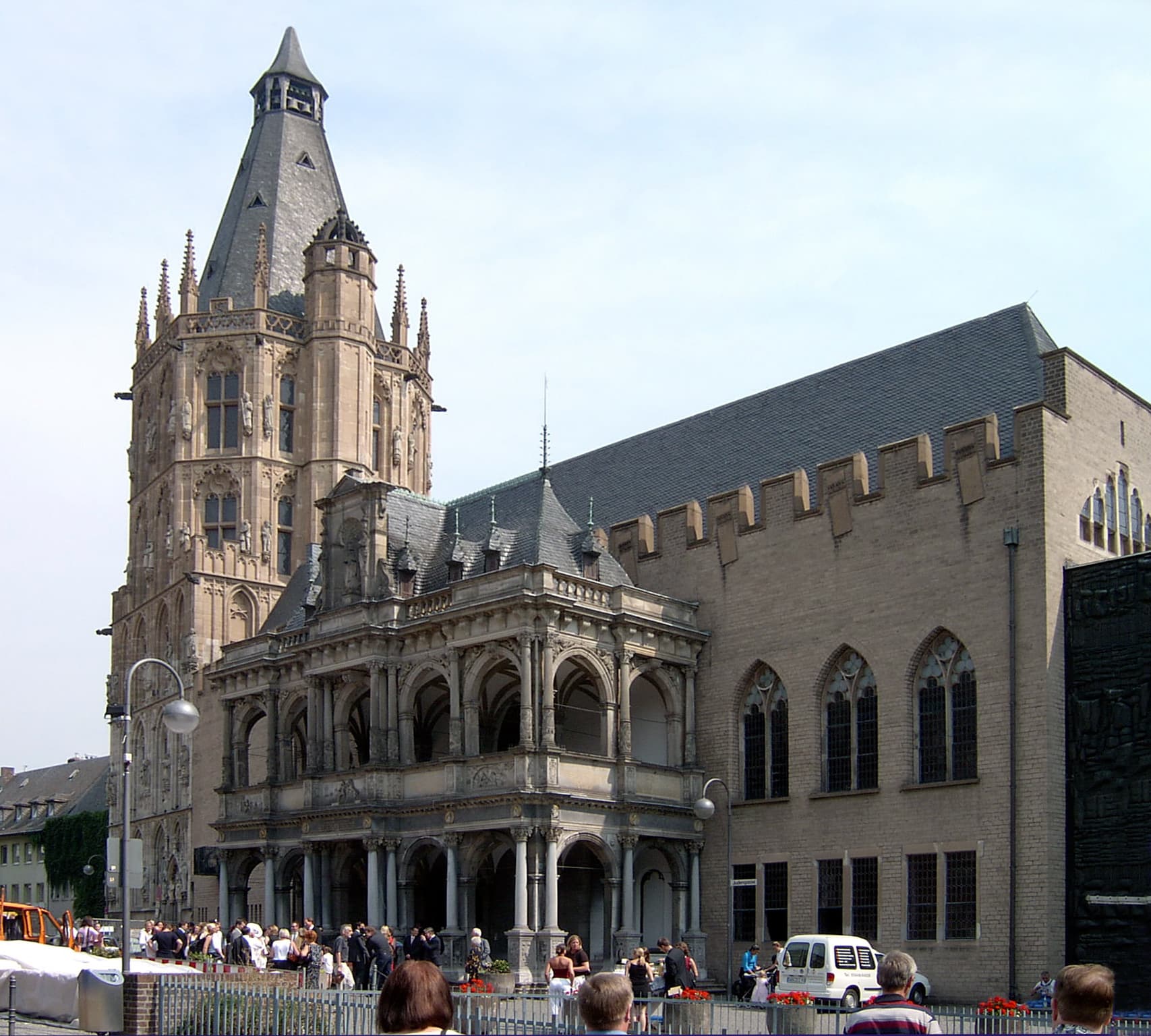 Cologne Historic City HallCologne's Rathaus is Germany's oldest working city hall: documented since 1135, 1 minute walk4.3
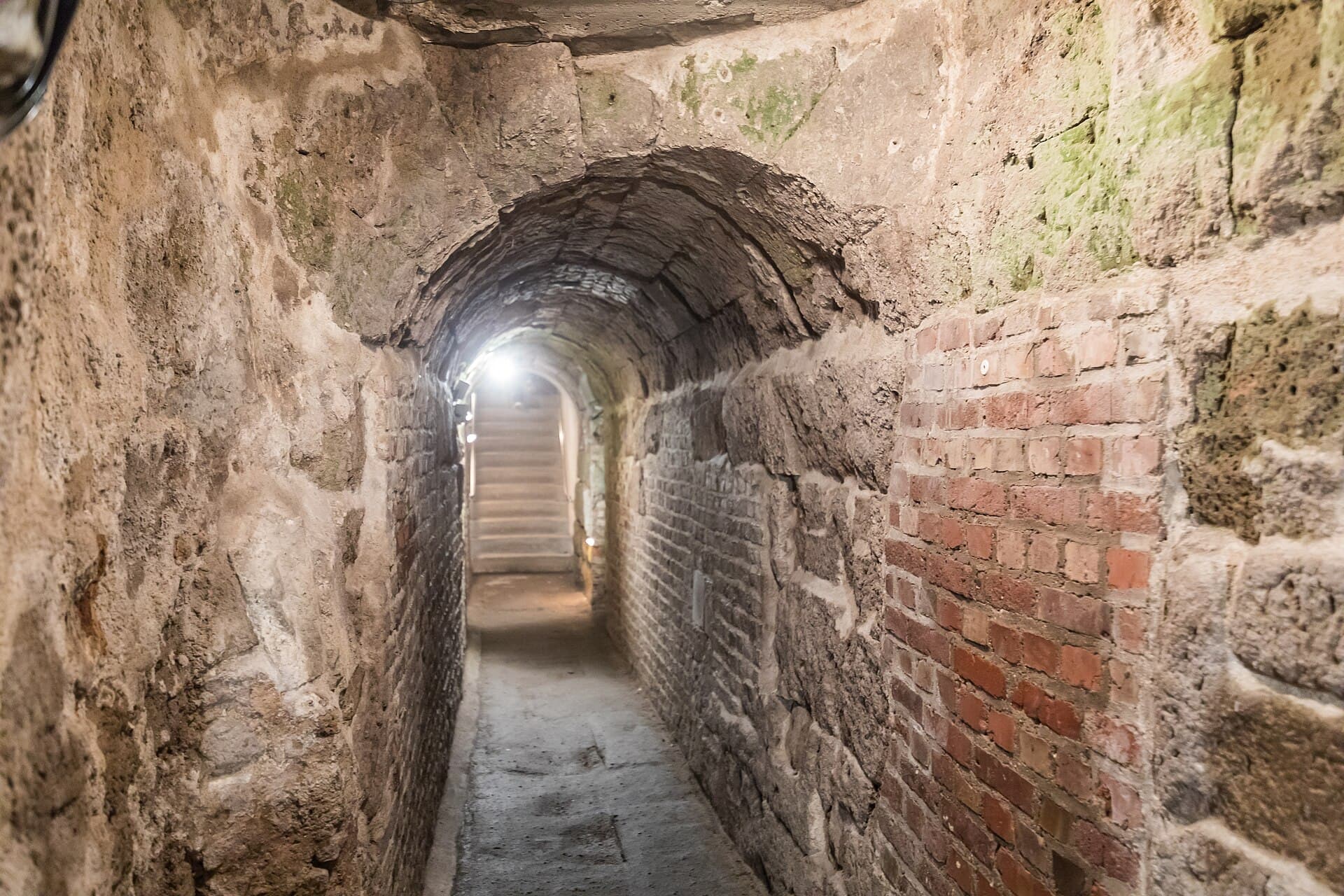 The Roman SewerBeneath the old streets of Cologne runs a Roman stone passage still standing aft2 minutes walk4.3
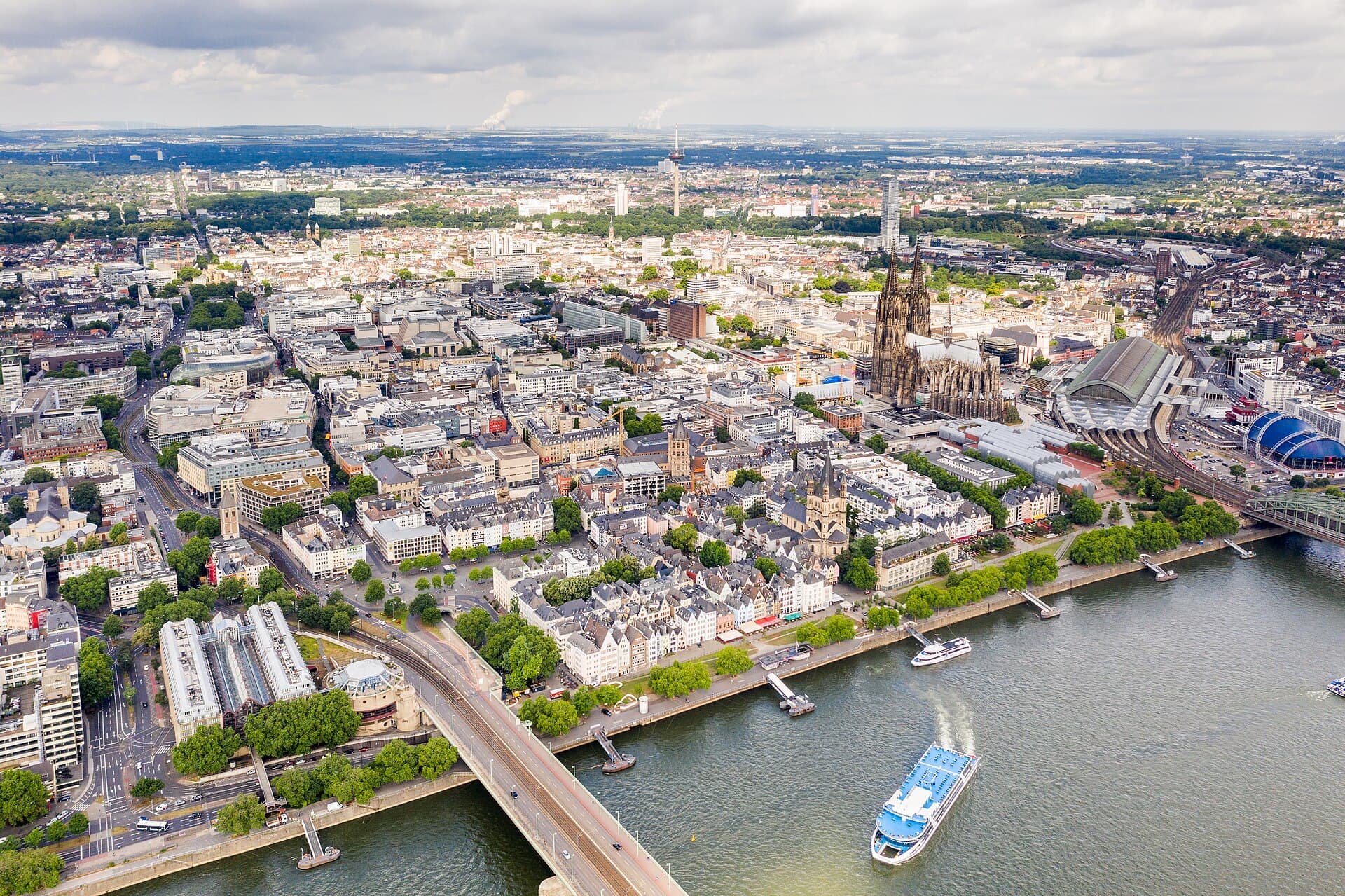 The Old TownCologne's old town needs an honest clarification before a visit: it is mostly re2 minutes walk4.6
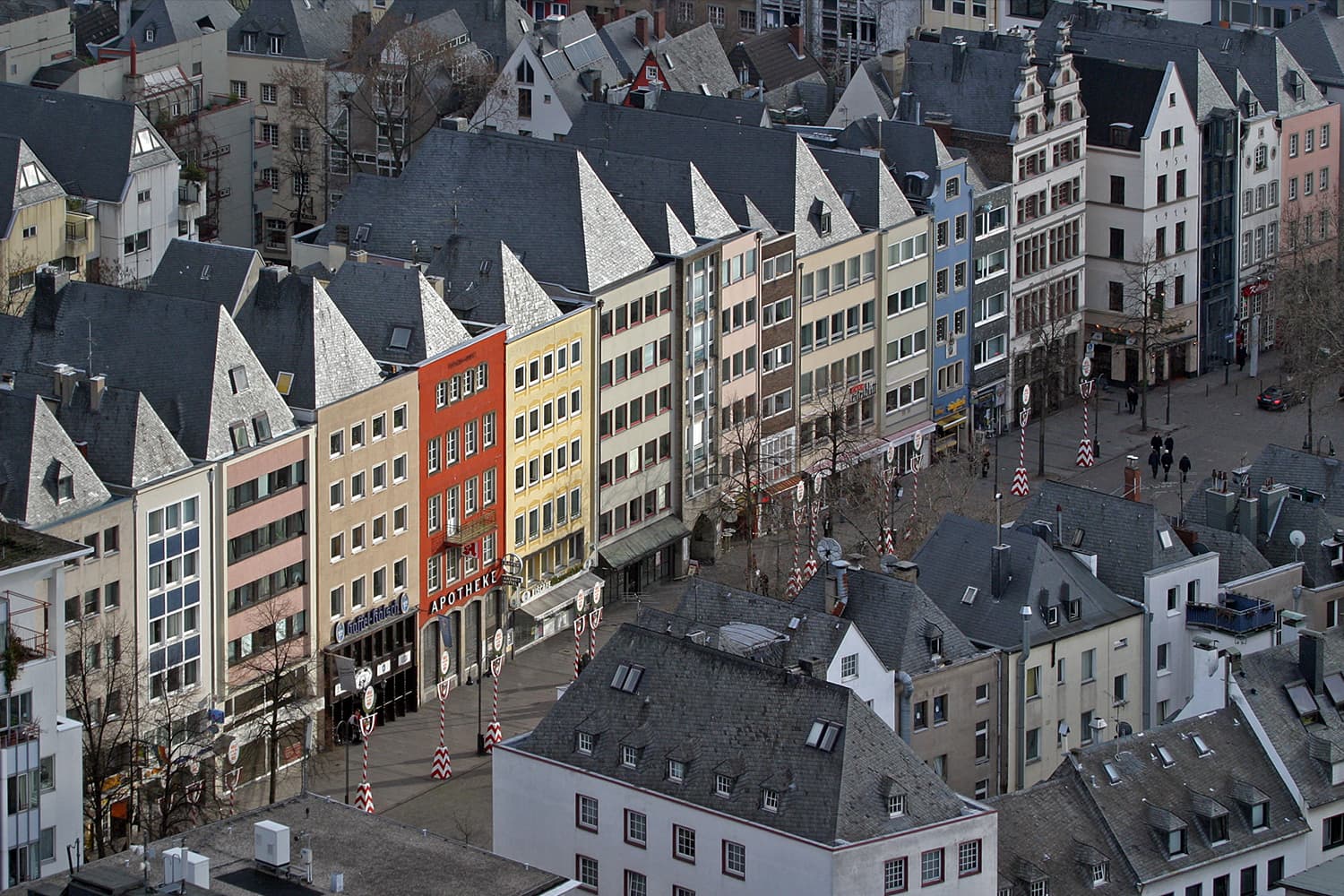 Alter MarktThe Alter Markt is Cologne's oldest square and was the city's trading centre fro2 minutes walk4.4
A German architectural movement of the 1920s, centred on northern Germany and the Ruhr, using fired brick as a shaping material rather than a cladding. It produced facades with sharp angles, decorative patterns made from the brickwork itself, and sculptural forms. Its most famous building is the Chilehaus in Hamburg, which looks like the prow of a ship. The movement ended with the rise of Nazism, which preferred monumental classicism.
The cathedral first, among the greatest Gothic buildings in the world with a climbable tower, then the Romano-Germanic Museum, the Museum Ludwig for modern art, and the old town along the river. This building is a stop in passing between them, not a destination.