
The origin of "cologne"
The first Eau de Cologne was made here in 1709, and the word the world uses comes from its name.
Raimond Spekking — CC BY-SA 4.0 · Andre Carrotflower — CC BY-SA 4.0 · Johann Maria Farina — CC BY-SA 4.0 · Johann Maria Farina — CC BY-SA 4.0
The Farina Fragrance Museum stands where modern perfume was born. In 1709 the Italian Johann Maria Farina created a light scent in Cologne and named it after his new city: Eau de Cologne. That is where the word the whole world now uses came from. Visits are by guided tour only, about forty-five minutes, and the guide sometimes wears eighteenth-century dress. The tour explains how the perfume was made, passes through a room where you smell the original ingredients, and ends in an old workshop below ground. Book ahead, since the groups are small.
The first Eau de Cologne was made here in 1709, and the word the world uses comes from its name.
You smell the original ingredients one by one and see how a perfume is built in layers.
An old workshop in the basement with the original distilling equipment.
Obenmarspforten 21, 50667 Köln
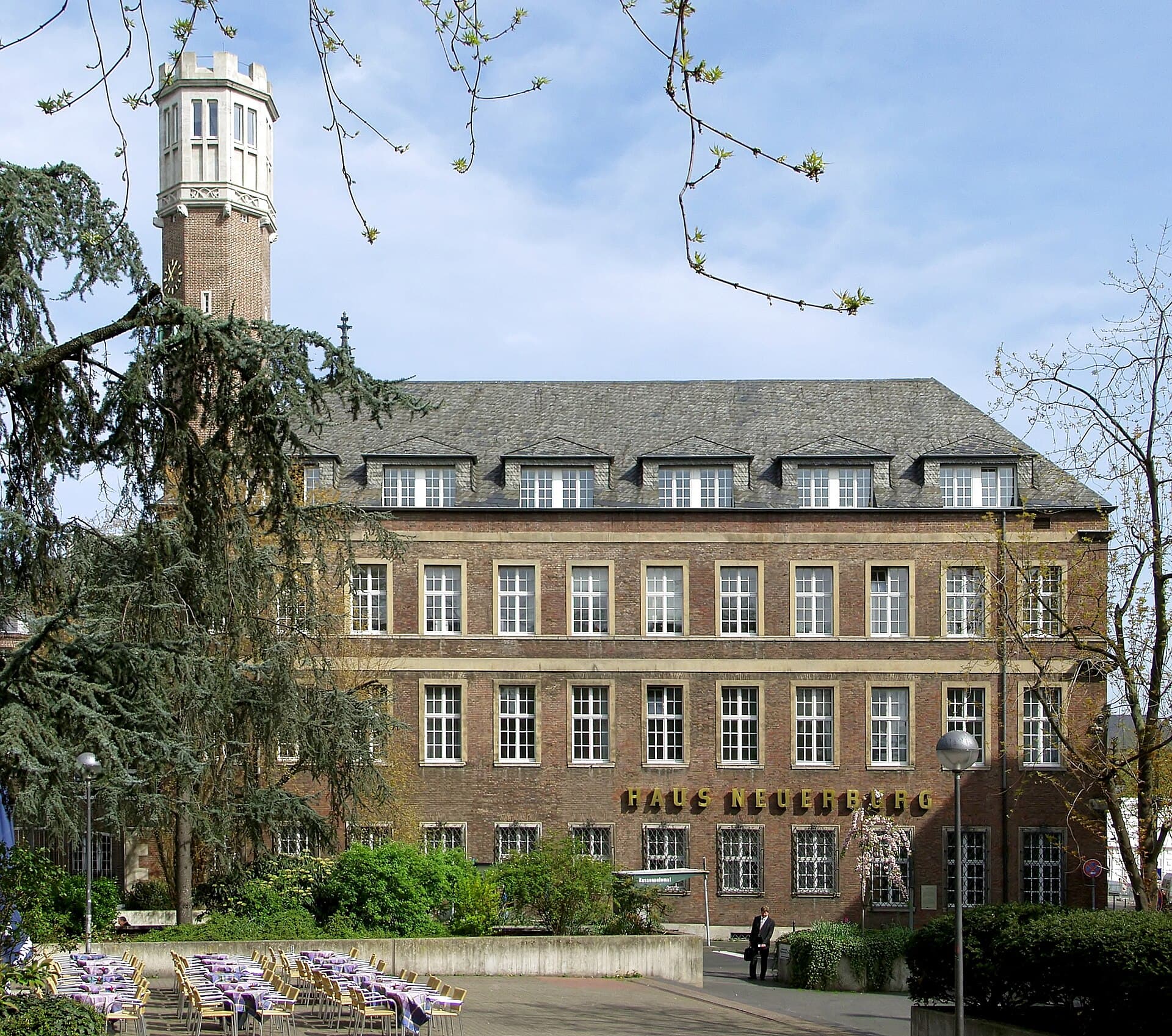 Haus NeuerburgA 1920s office building in central Cologne, built as the headquarters of a tobac1 minute walk4.5
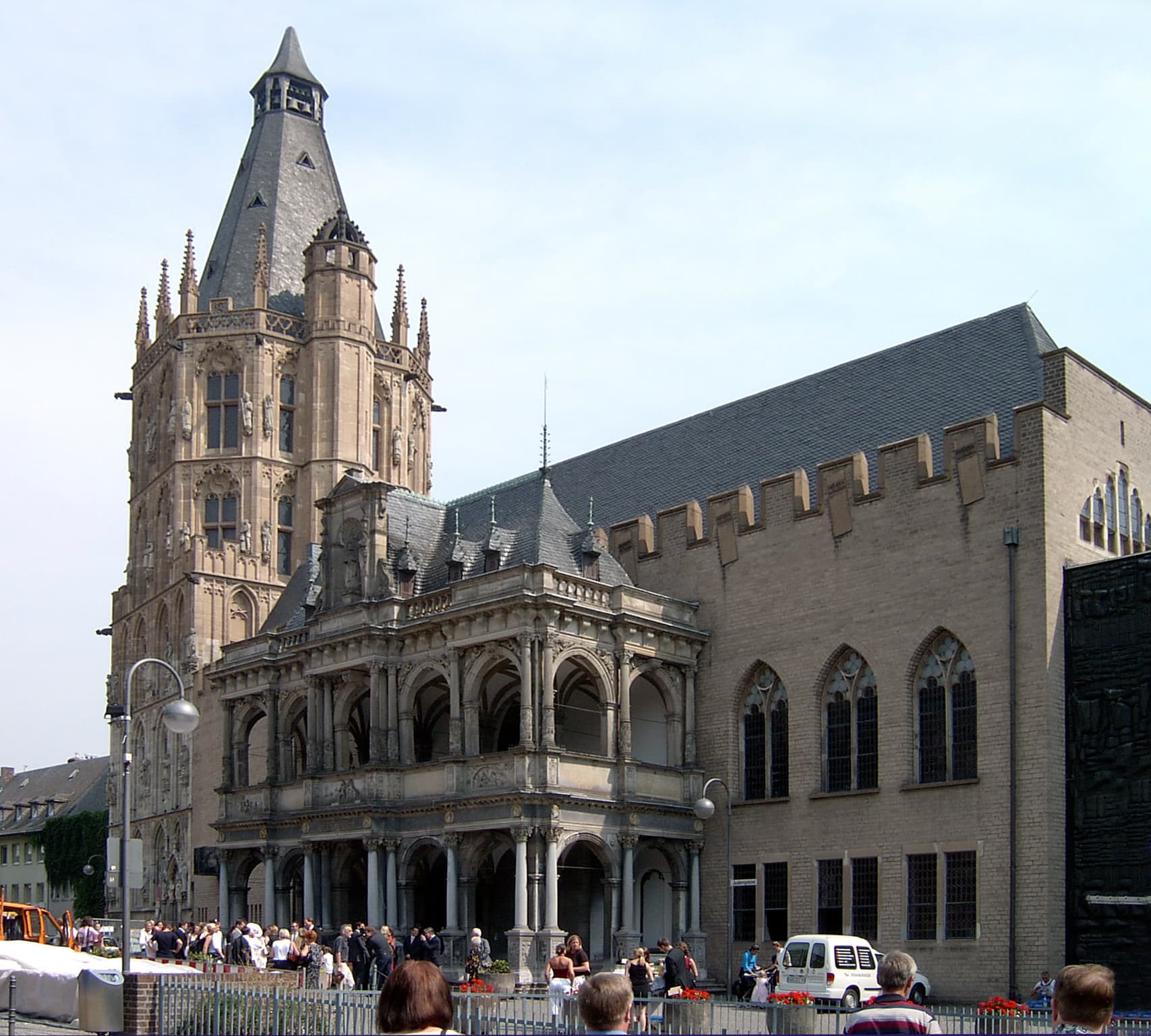 Cologne Historic City HallCologne's Rathaus is Germany's oldest working city hall: documented since 1135, 1 minute walk4.3
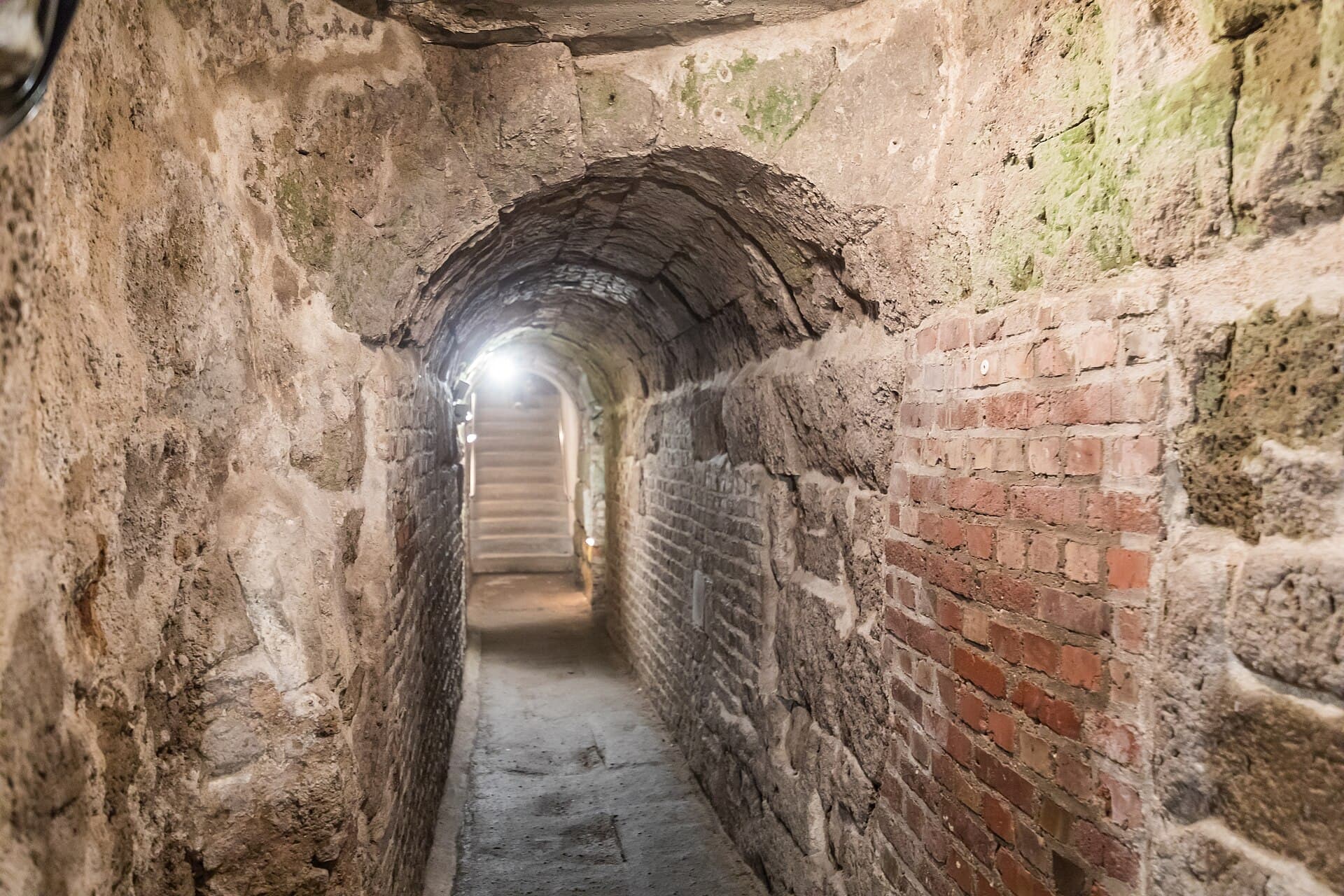 The Roman SewerBeneath the old streets of Cologne runs a Roman stone passage still standing aft2 minutes walk4.3
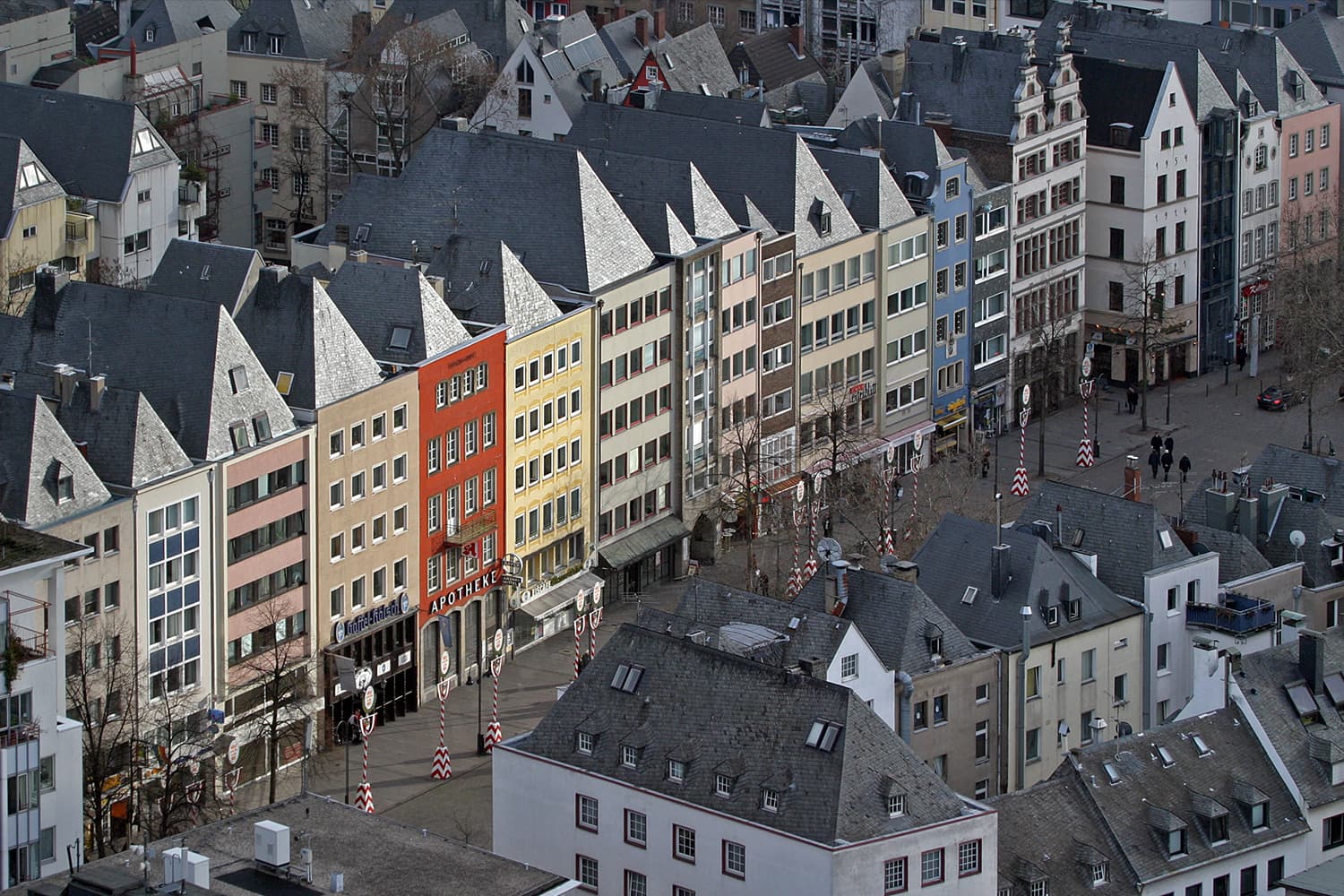 Alter MarktThe Alter Markt is Cologne's oldest square and was the city's trading centre fro2 minutes walk4.4
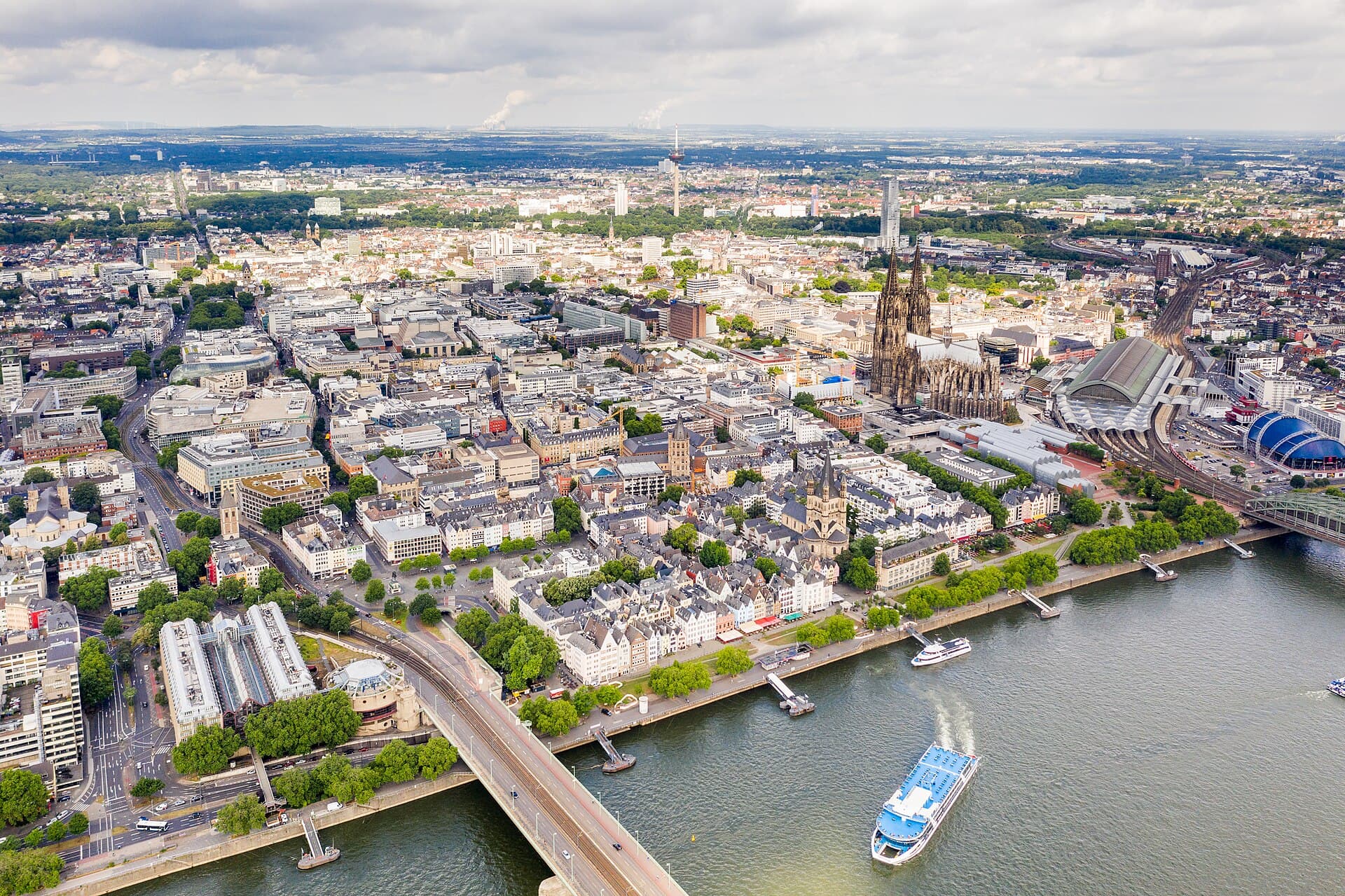 The Old TownCologne's old town needs an honest clarification before a visit: it is mostly re2 minutes walk4.6
In practice, yes. Visits are tour-only, groups are small, and English tours are limited. Book online or call at least a day ahead, particularly in holiday periods.
No, and that is a common confusion. Farina is the original from 1709; 4711 is another Cologne house that appeared later in the eighteenth century and has its own building and shop elsewhere in the city. You can visit both.
Older children enjoy the scent room and the hands-on part, but the tour rests on standing and listening for forty-five minutes, which is long for younger ones.