
The climbers' headstones
Carved ice axes, ropes and young ages.
Nbltsgndpfrdbrms — CC BY-SA 3.0 · Andrew Bossi — CC BY-SA 2.5 · Whgler — CC BY-SA 4.0 · Andrew Bossi — CC BY-SA 2.5
St Mauritius is Zermatt's parish church in the middle of the village, its white tower appearing in every photograph of the main street with the Matterhorn behind it. The present building dates from 1913 on the site of older churches, and its interior is plain, alpine and quiet. But what makes the place genuinely affecting is the **mountaineers' cemetery** beside it: the graves of dozens of men and women who died on the Matterhorn and the surrounding peaks since 1865, their headstones carrying young ages and short, painful phrases — "died on the Matterhorn" — with carved ice axes and broken ropes. Michel Croz, the Chamonix guide killed on the **first ascent in 1865** when the rope broke on the descent, lies here; his two British companions, Hudson and Hadow, are buried at St Peter's, the English Church up the hill, and Lord Francis Douglas's body was never found. It is a silent place that restores balance to Zermatt's glossy tourist image: the mountain you photograph from the street has cost many people their lives. Free and open, steps from the Bahnhofstrasse — stand a few minutes and read the stones.
Carved ice axes, ropes and young ages.
Michel Croz, the guide killed on the Matterhorn's first ascent.
The classic view from the main street.
Kirchplatz, 3920 Zermatt
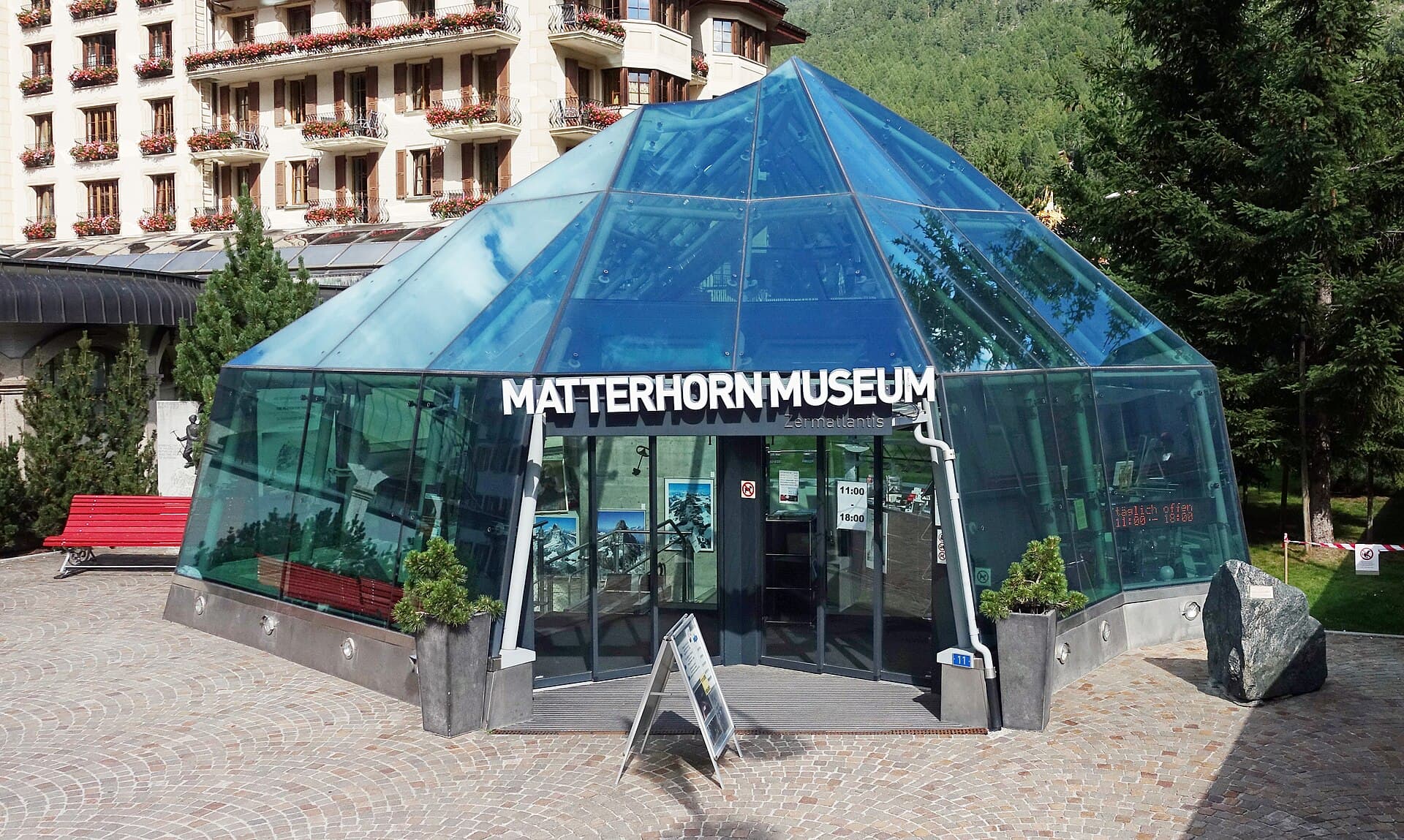 Matterhorn Museum — ZermatlantisBeneath Zermatt's church square hides 'Zermatlantis': a complete old village reb1 minute walk4.4
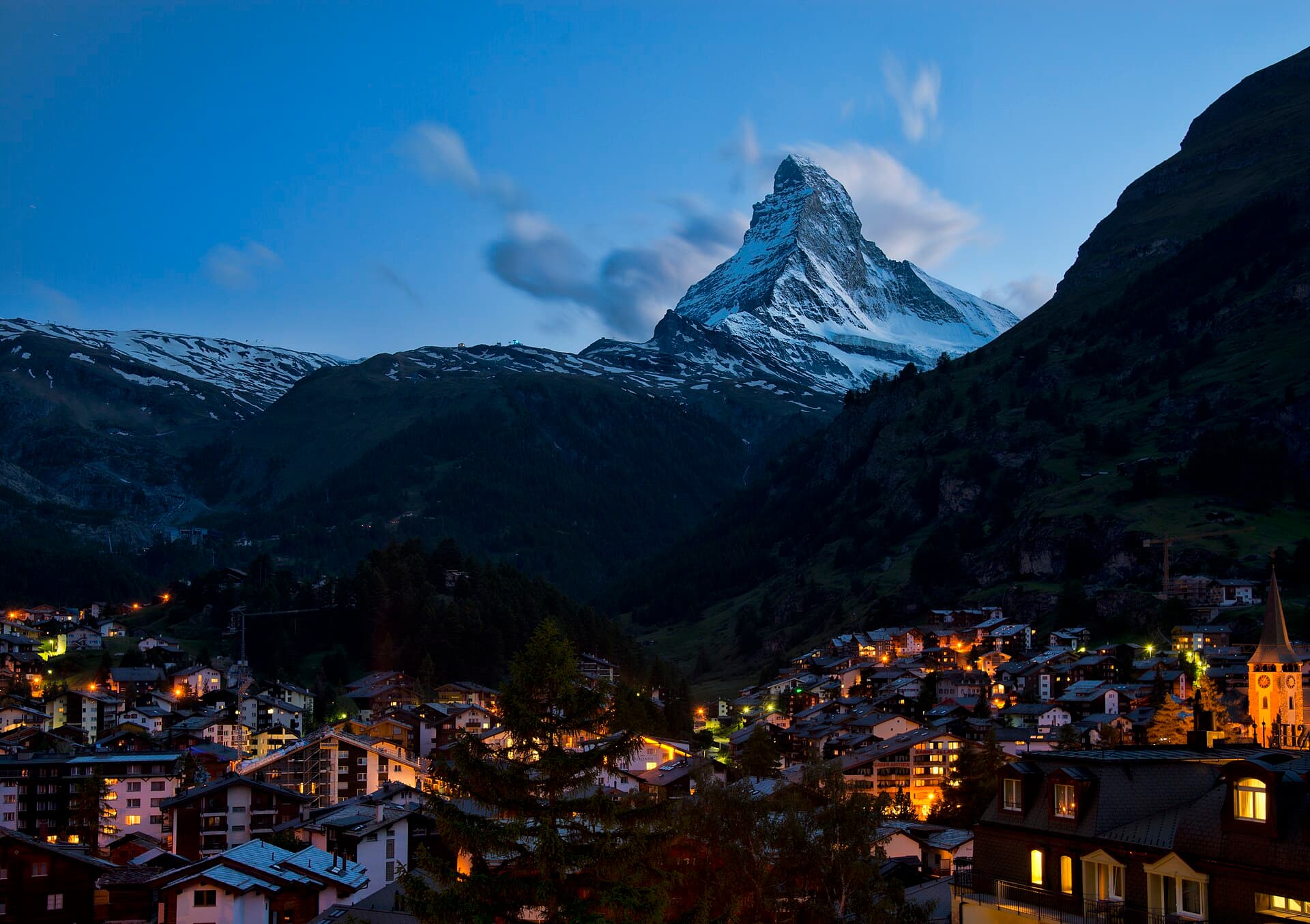 Zermatt VillageZermatt is a mountain village at 1,620 metres at the head of a closed valley, an1 minute walk4.9
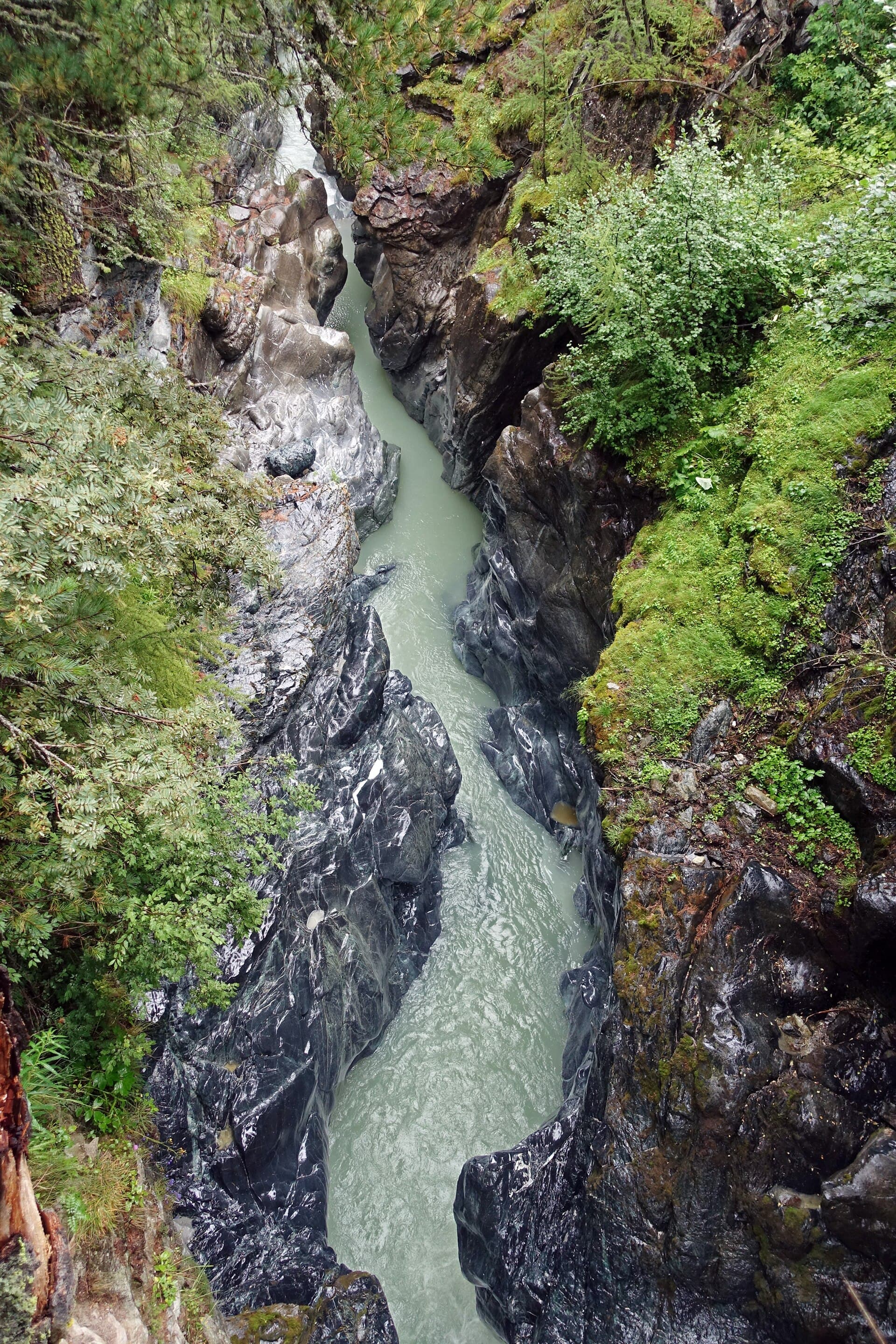 Gorner GorgeFifteen walking minutes from Zermatt's bustle the rock splits: the Gorner Gorge,16 minutes walk4.6
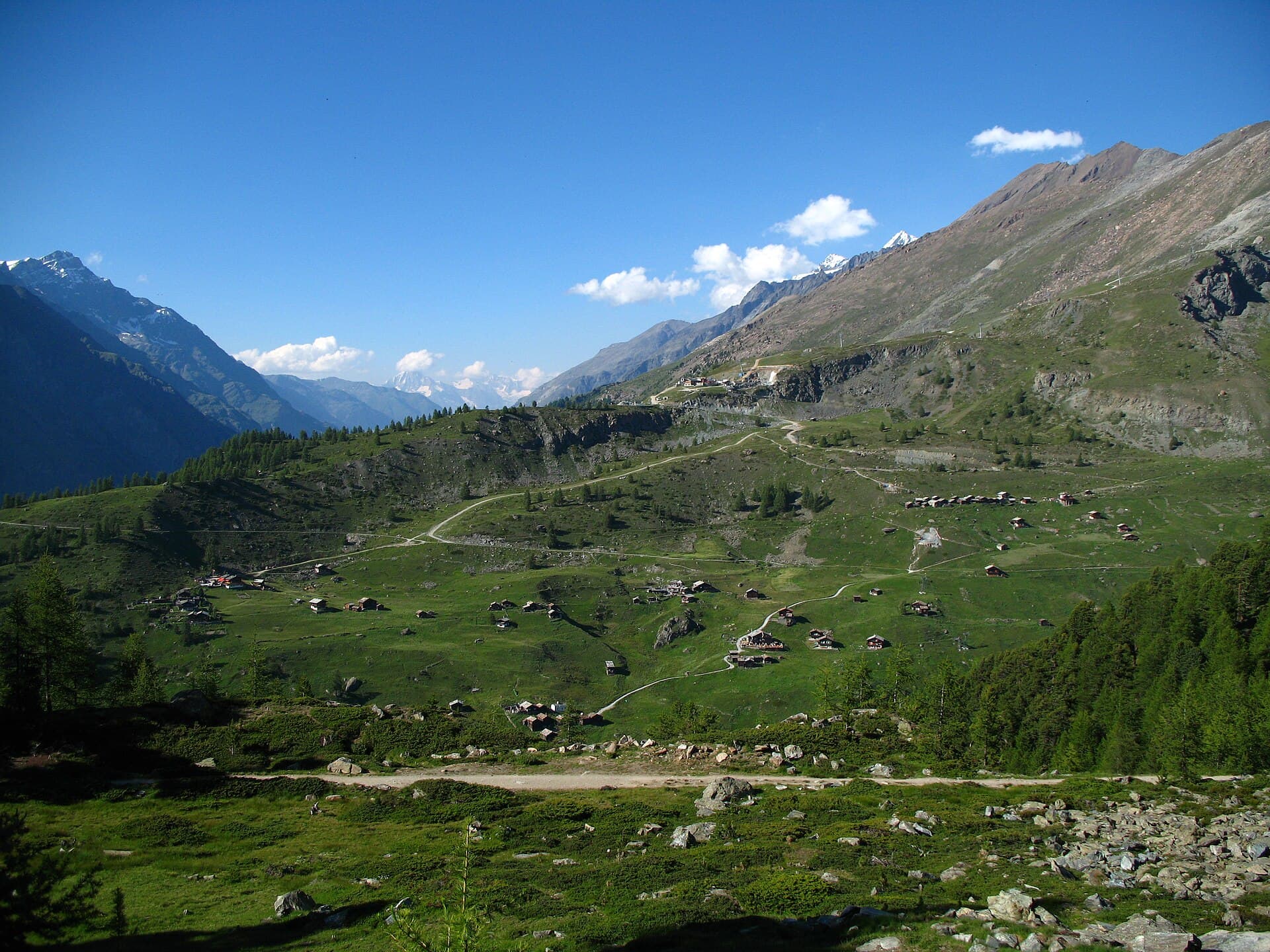 Sunnegga and LeiseeSunnegga ("sunny corner") is a terrace at 2,288 metres above Zermatt, and the ea24 minutes walk4.8
Yes — it is free, takes ten minutes, and you are walking down the main street anyway. It gives your visit depth: after photographing the Matterhorn from the bridge, read in the cemetery the names of those who never came back from it. Combine it with the neighbouring **Matterhorn Museum** (paid), which tells the whole story and displays the broken rope from the 1865 accident.