
The circular hall
A bare white chamber with curved benches — where the first German parliament sat.
Simsalabimbam — CC BY-SA 4.0 · Moahim — CC BY-SA 4.0 · Ziko van Dijk — CC BY-SA 4.0 · Ziko van Dijk — CC BY-SA 4.0
St. Paul's is a round sandstone building in central Frankfurt. It matters not as a church but because the first elected parliament in German history met here in 1848. That year, delegates from across the country gathered to draft a single democratic constitution. The attempt collapsed in under a year and the monarchies returned, but the idea survived, and the building became a symbol of German democracy. It is used today for state ceremonies and prize-givings. The building was destroyed by bombing in 1944 and rebuilt in 1948 in a simplified form quite unlike the original: a bare circular hall with almost no ornament. That was a deliberate choice. The interior is very plain and may disappoint anyone expecting a decorated church. On the ground floor is a permanent exhibition on the 1848 revolution and the history of democracy in Germany.
A bare white chamber with curved benches — where the first German parliament sat.
A permanent display on the ground floor about the revolution, the constitution and German democracy.
Paulsplatz 11, 60311 Frankfurt am Main
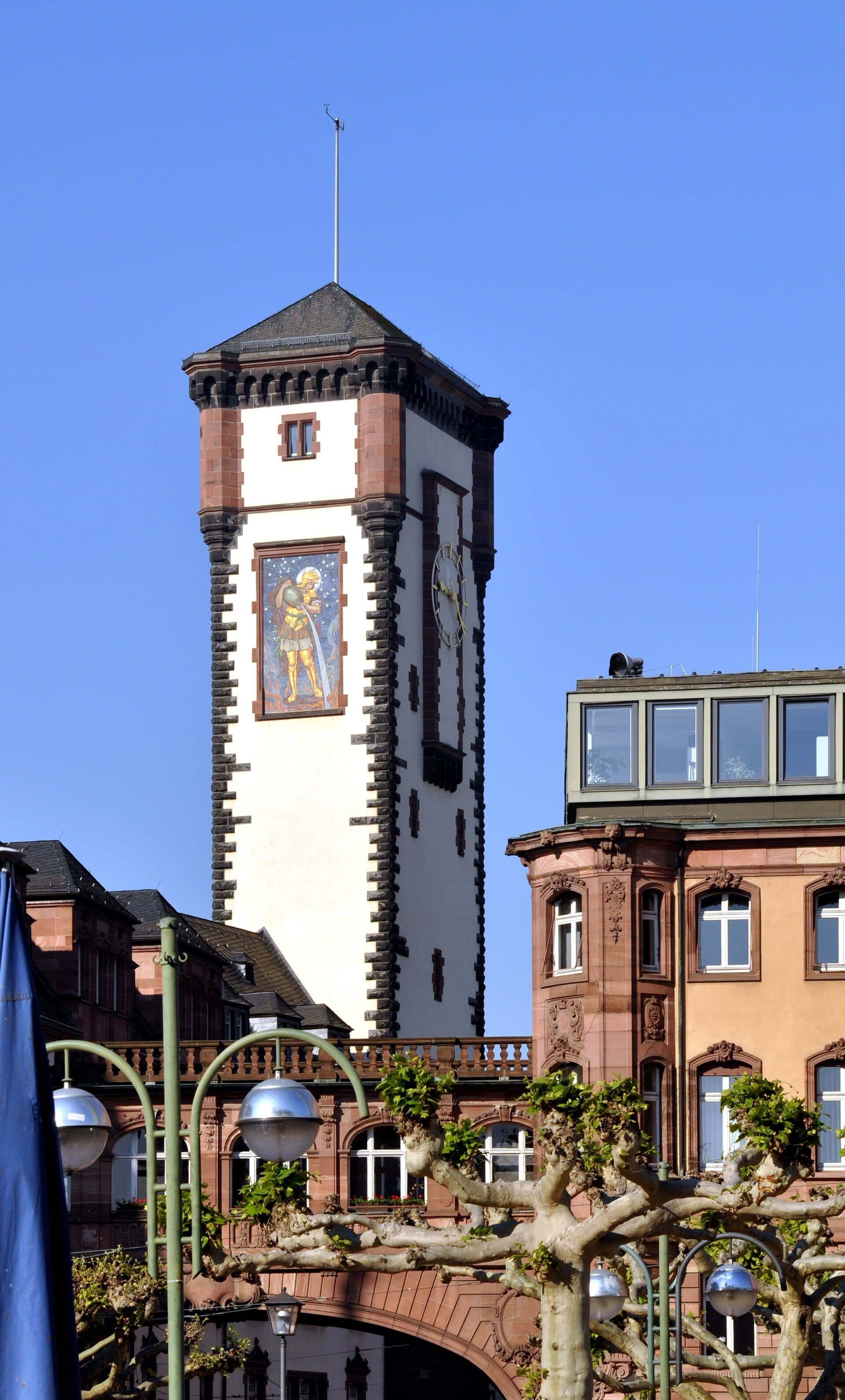 Langer Franz TowerA tower in Frankfurt's town hall complex, built between 1900 and 1908 as part of1 minute walk4.4
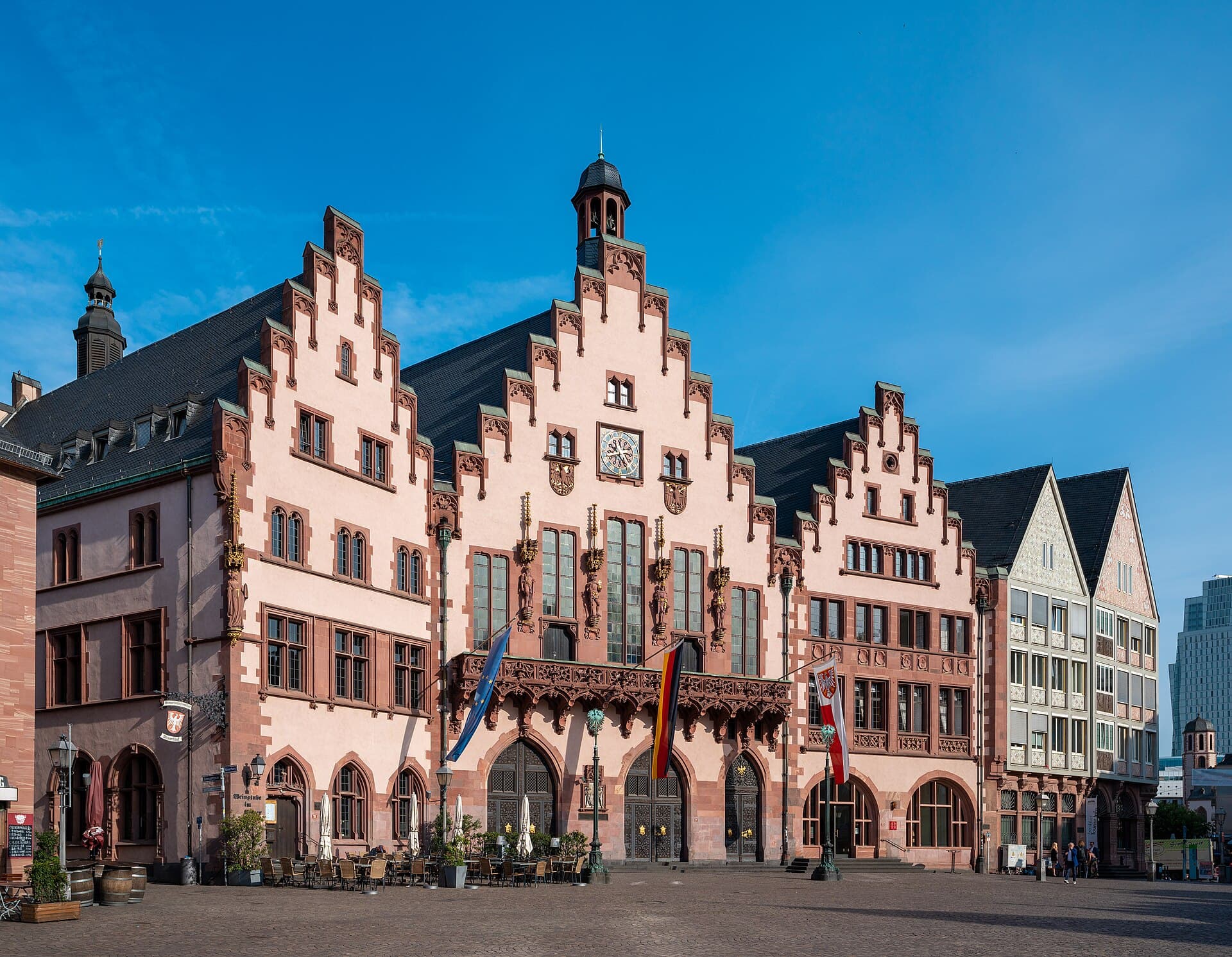 RömerThe Römer has been Frankfurt's city hall since 1405, and its three stepped gable1 minute walk4.6
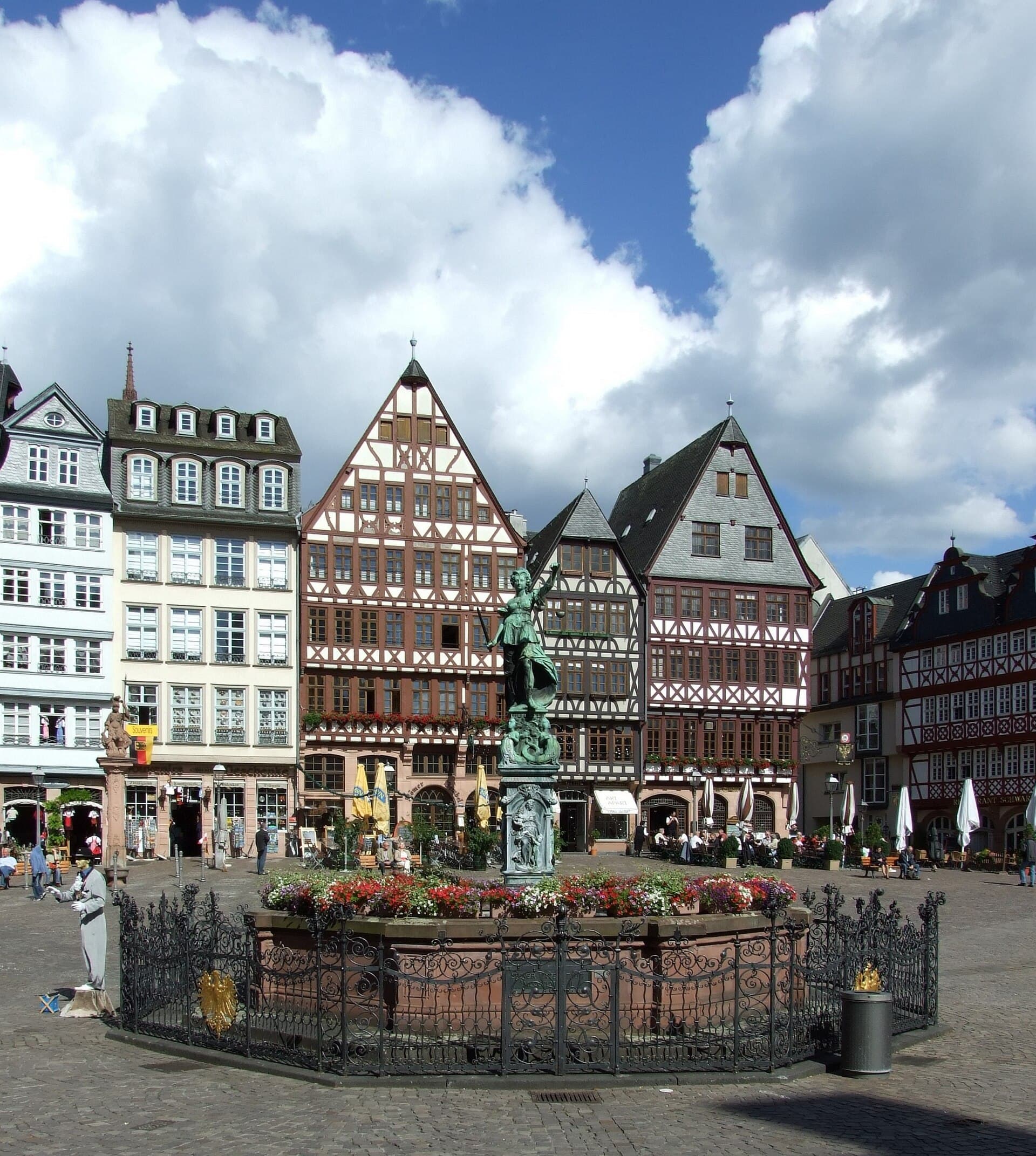 Fountain of JusticeThe Fountain of Justice stands at the centre of Römerberg in front of the Römer,2 minutes walk4.8
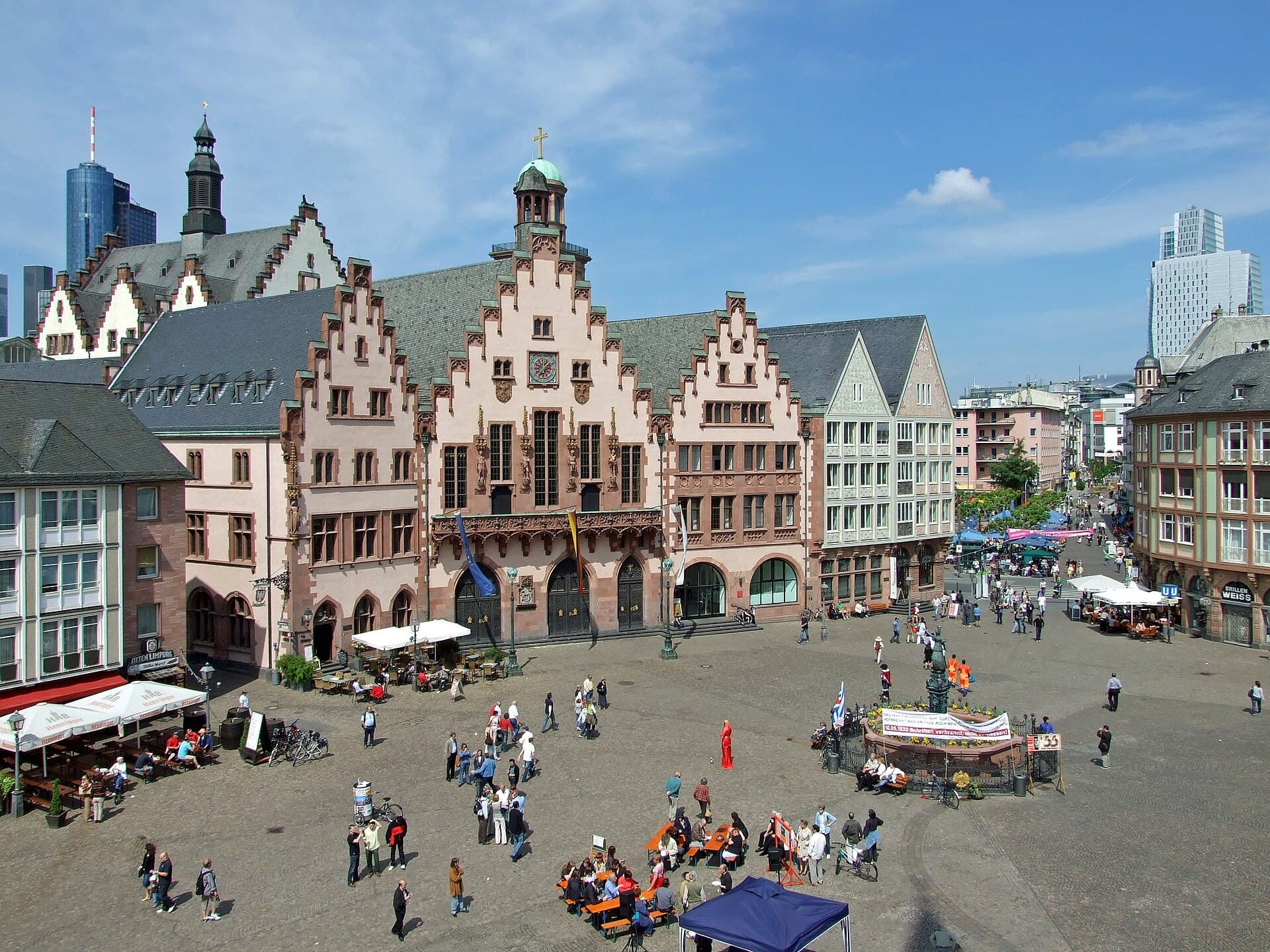 RömerbergThe Römerberg is the Frankfurt picture you know before you arrive: the square of2 minutes walk4.7
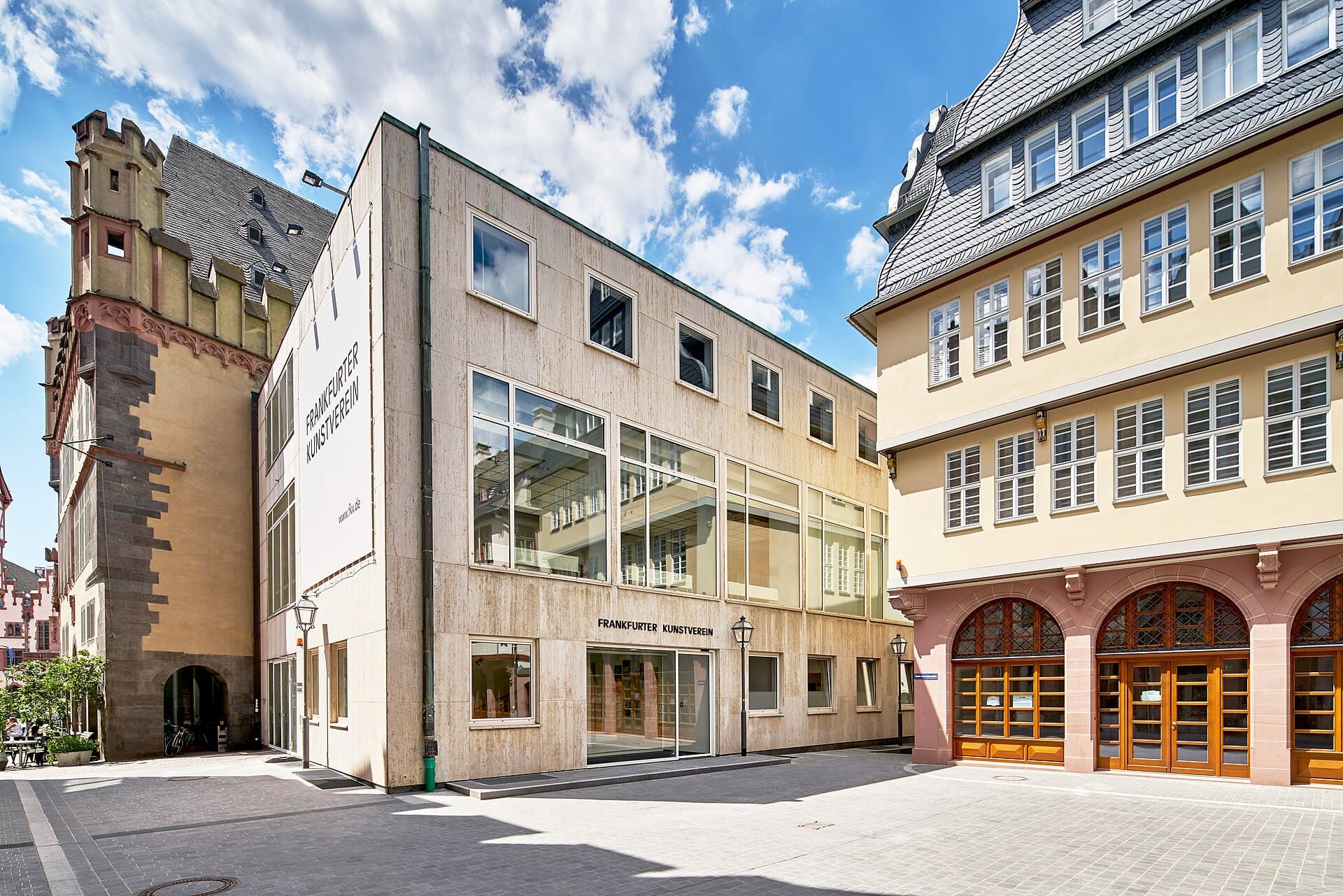 Frankfurter KunstvereinThe Frankfurter Kunstverein is a contemporary art institution in the Steinernes 2 minutes walk4.4
Because the first elected parliament in German history met here in 1848 to draft a democratic constitution. The attempt failed, but it became a symbolic reference point, and the country's most important state ceremonies are held here today.
If political history interests you, yes. If you want a beautiful church, no: the inside is bare and simplified because it was deliberately rebuilt austerely after the war. The value is in the meaning, not the decoration.