
The Merchants' Chapel
Original paintings survived because it became a store.
Chris06 — CC BY-SA 4.0 · Nemo bis — CC BY-SA 4.0 · Nemo bis — CC BY-SA 4.0 · Nemo bis — CC BY-SA 4.0
St Peter's is the oldest building in Malmo, raised in the early fourteenth century in Baltic brick Gothic — the same style you see in Lubeck and northern Germany, which is no coincidence but a direct trace of the Hanseatic trading league that linked Baltic ports and carried its builders and methods with it. The interior is bare white and high, because the sixteenth-century Reformation covered the coloured Catholic wall paintings under a layer of lime. One corner survived, though: the Merchants' Chapel at the northern end, where the original paintings remain complete with their colours and their plant and animal motifs — because it was being used as a storeroom and was forgotten. The second striking piece is the gilded wooden altarpiece of 1611: fifteen metres tall, counted among the largest wooden altarpieces in northern Europe. The church is active and free to enter, and stands steps from Stortorget square in the heart of the old town.
Original paintings survived because it became a store.
A Hanseatic style carried from Baltic ports.
Goran Olsgatan 4, 211 22 Malmo
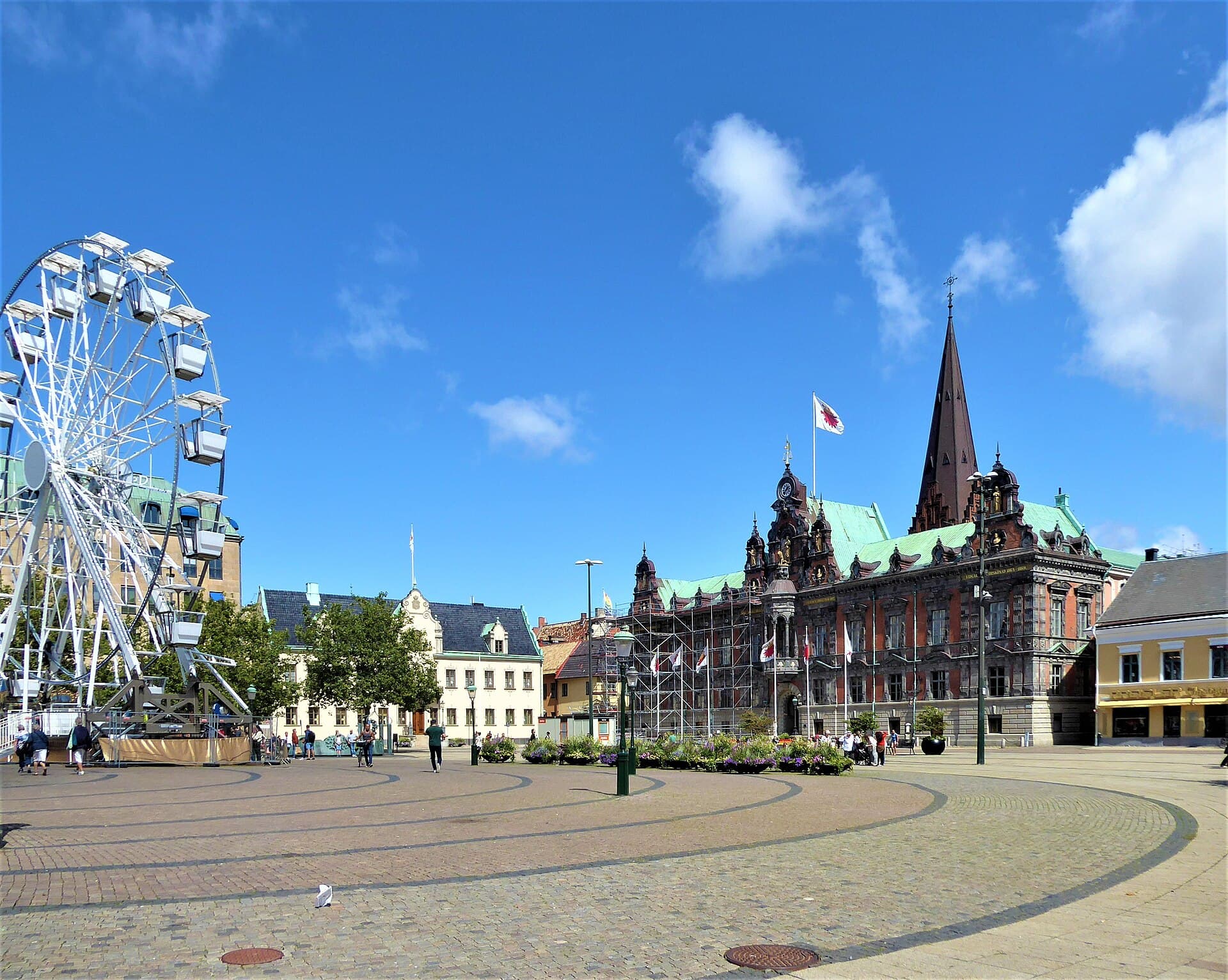 StortorgetStortorget is Malmö's great square, cut through in the 1540s on the order of a D3 minutes walk4.5
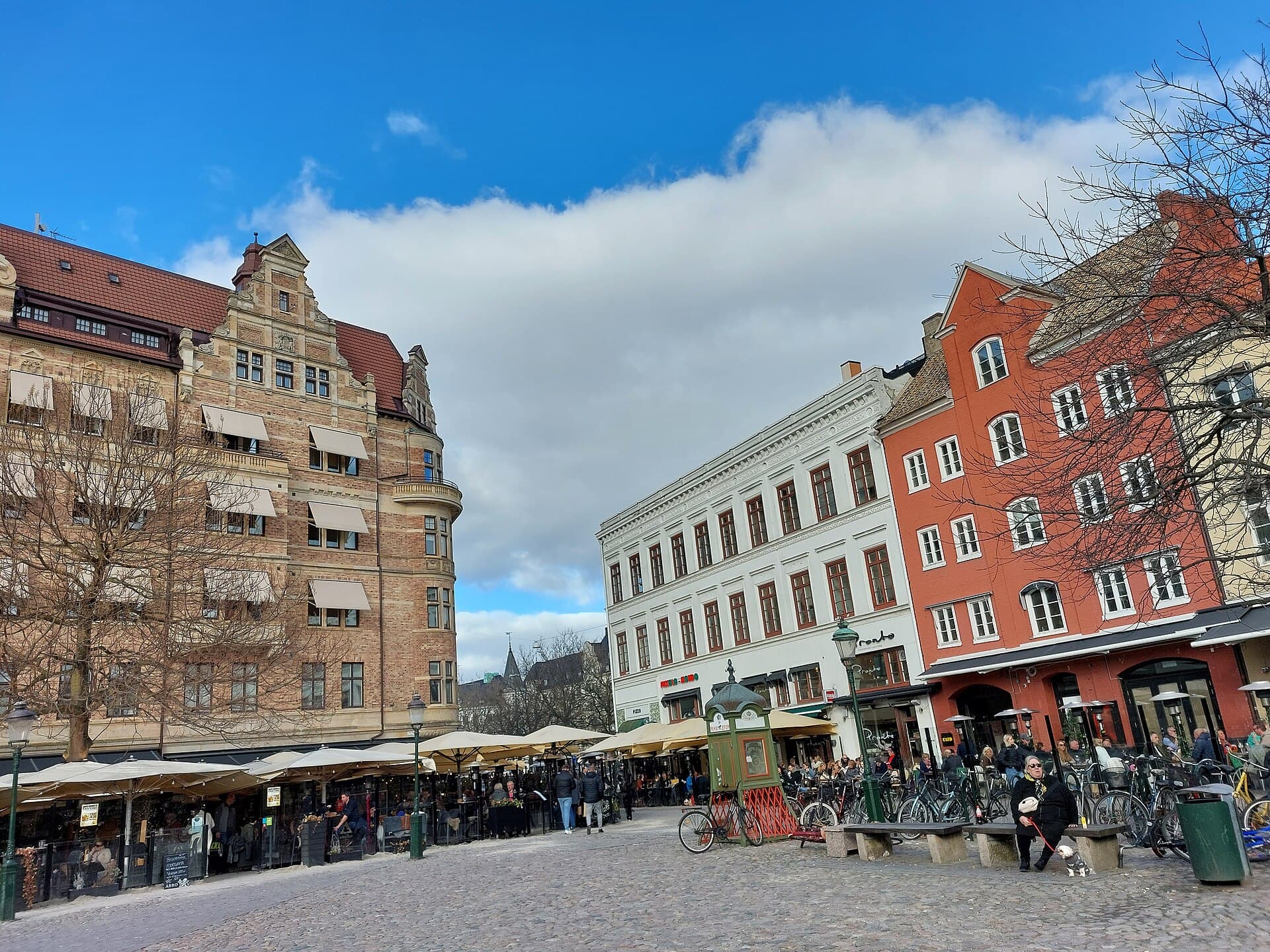 Lilla TorgLilla Torg, the little square, is Malmo's prettiest and most photographed: a cob4 minutes walk
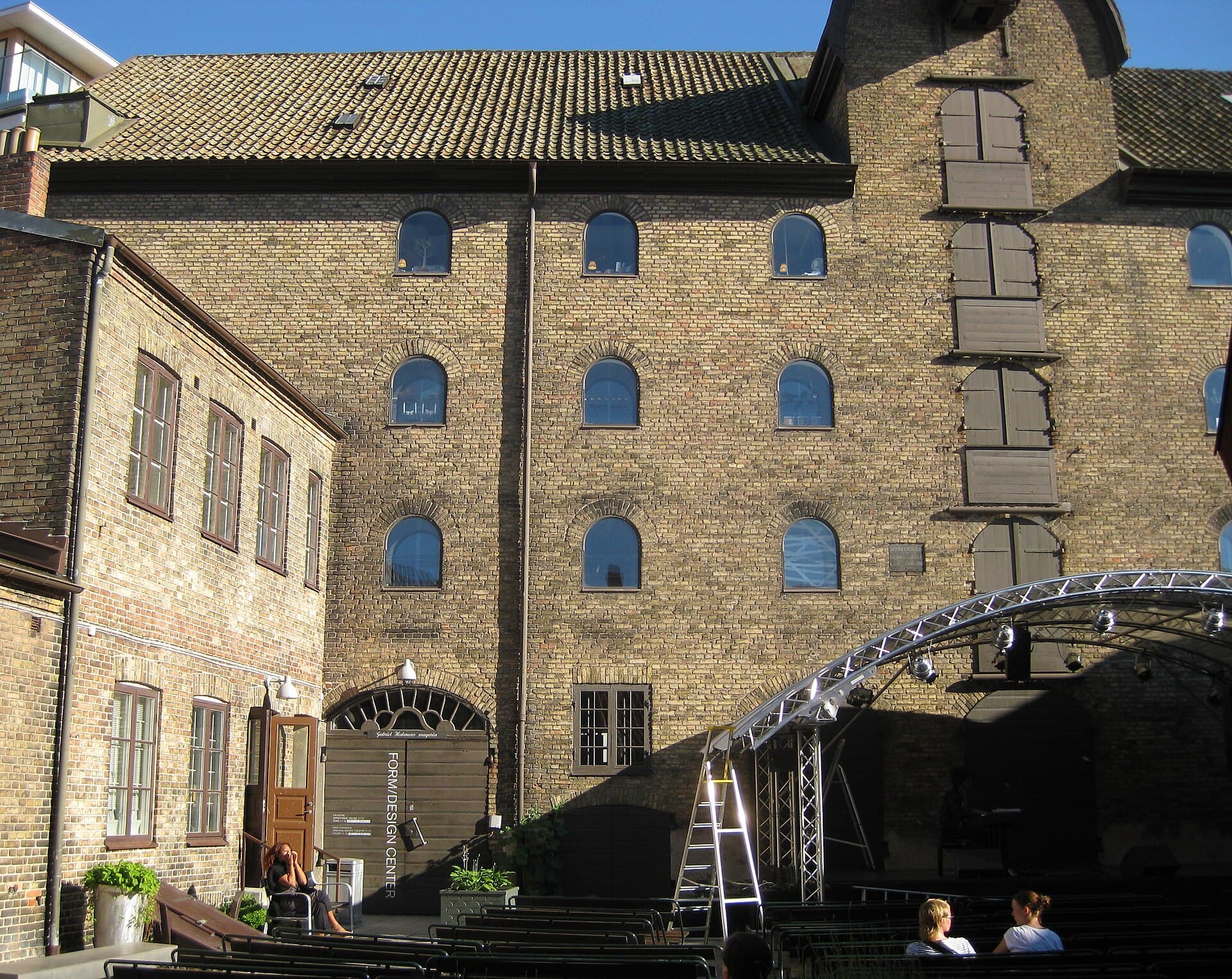 The Form/Design CenterThe Form/Design Center sits in an inner courtyard behind **Lilla Torg**, occupyi5 minutes walk4.1
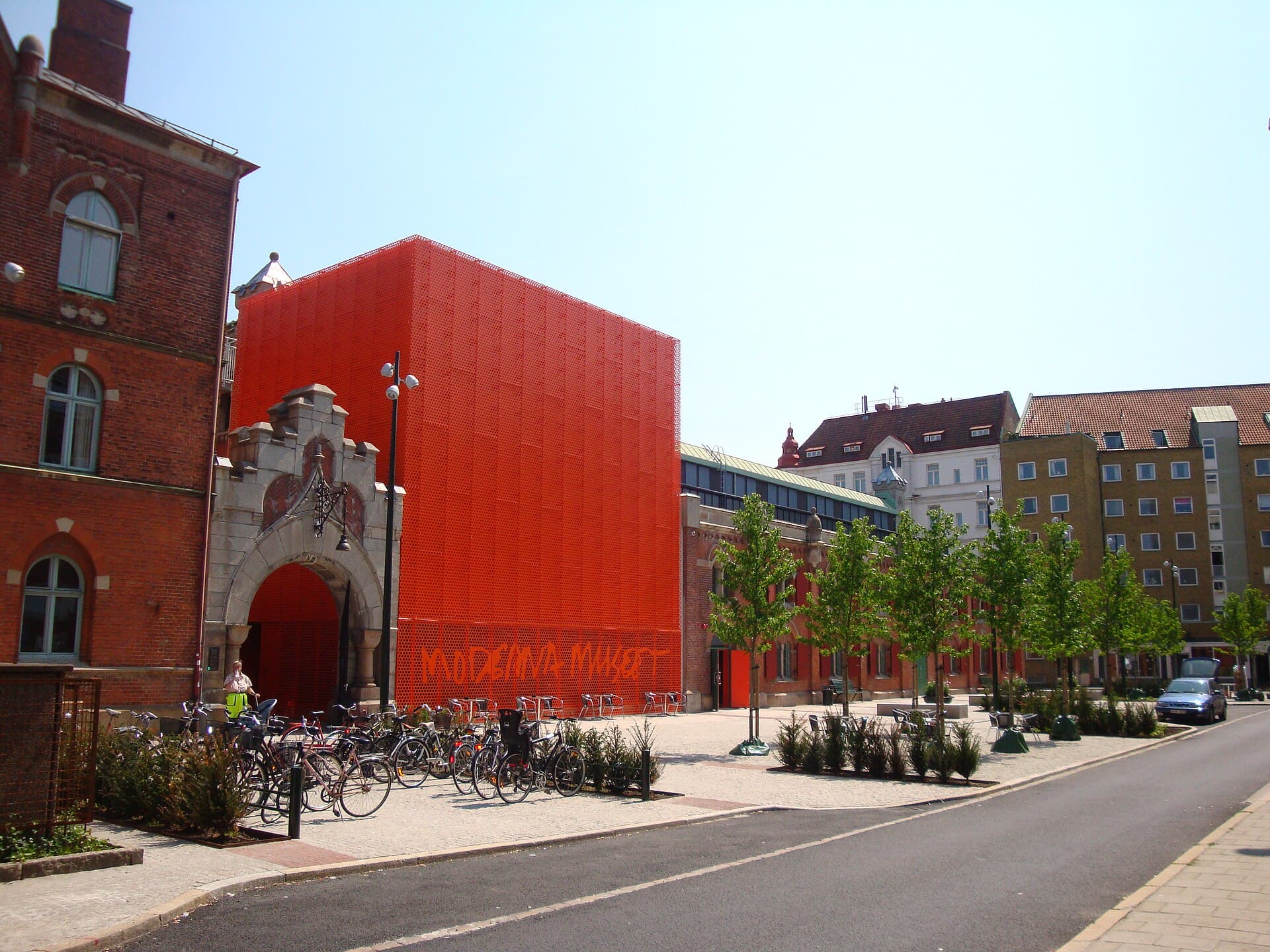 Moderna Museet MalmöThe Malmö branch of Moderna Museet, the southern outpost of Stockholm's national6 minutes walk4.2
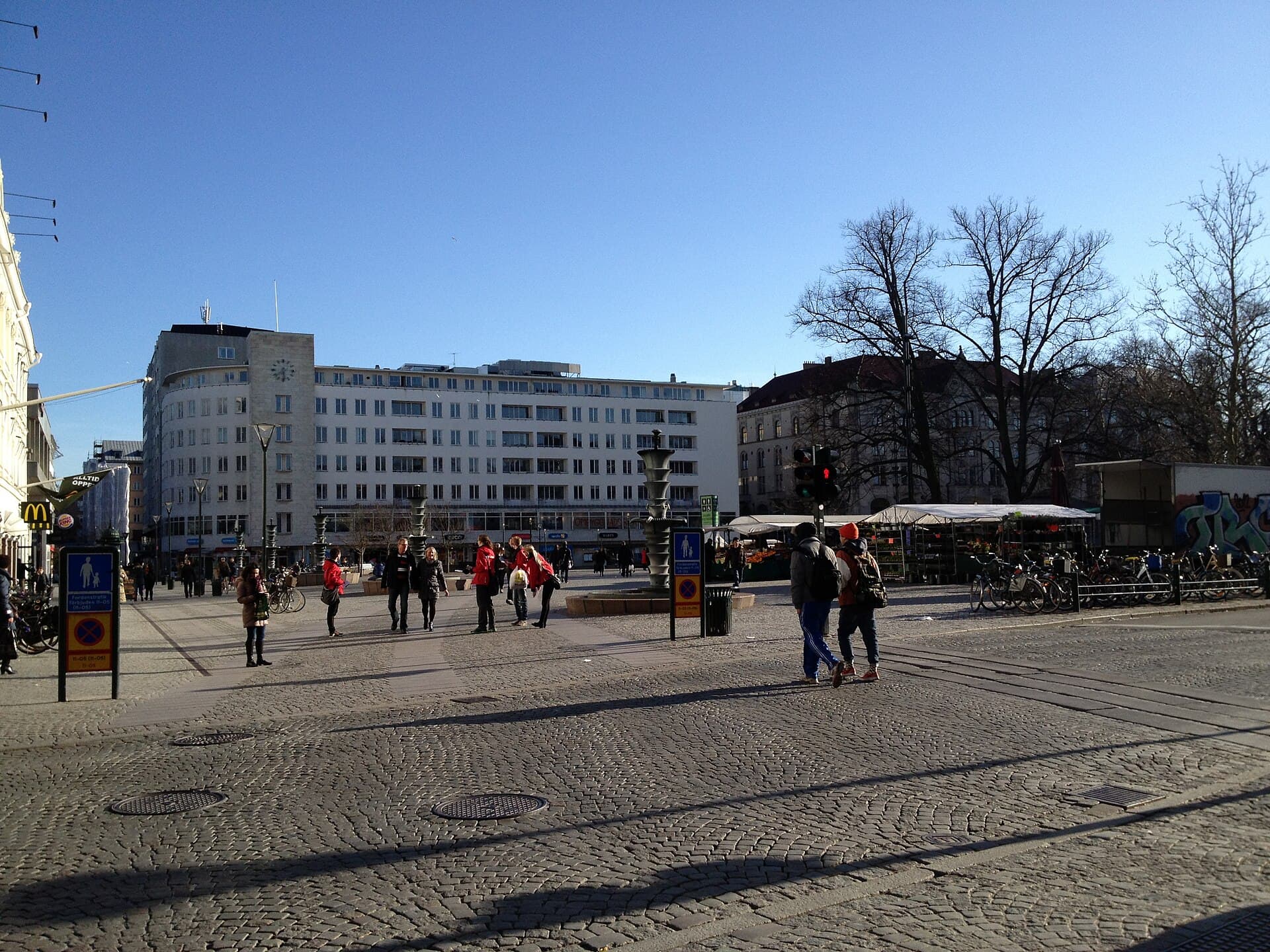 Gustav Adolfs TorgGustav Adolfs Torg is Malmo's great southern square, laid out in the 1840s as pa6 minutes walk4.4
The Reformation limewashed the walls to erase Catholic imagery, but the Merchants' Chapel had already been converted to a storeroom and closed to liturgical use — so the whitewash never covered it and it lay forgotten for centuries until rediscovery. The irony is that neglect preserved it while attention erased everything else.