
The town hall
A 1546 front reshaped in the nineteenth century.
Chris06 — CC BY-SA 4.0 · Kurt Stabl at German Wikipedia — Public domain · Rose Abrams — CC BY 4.0 · Johan Wessman / News Oresund — CC BY 2.0
Stortorget is Malmö's great square, cut through in the 1540s on the order of a Danish official — Malmö was Danish until 1658, and was Denmark's second city after Copenhagen. When it was made it was among the largest squares in Scandinavia, intended to display the town's commercial weight. Around it stand the **town hall** of 1546 with an ornamented front reshaped in the nineteenth century, the **governor's house**, and the Gothic **St Peter's Church** behind. At its centre is an equestrian statue of King **Charles X Gustav** — the king who took Scania from Denmark in 1658, so his presence here is a deliberate political statement, placed two centuries after the event. The square today is an open space used for markets and events, and from it you drop into the smaller and livelier **Lilla Torg** with its cafés. **Free and always open.**
A 1546 front reshaped in the nineteenth century.
Brick Gothic directly behind the square.
Stortorget, Malmö
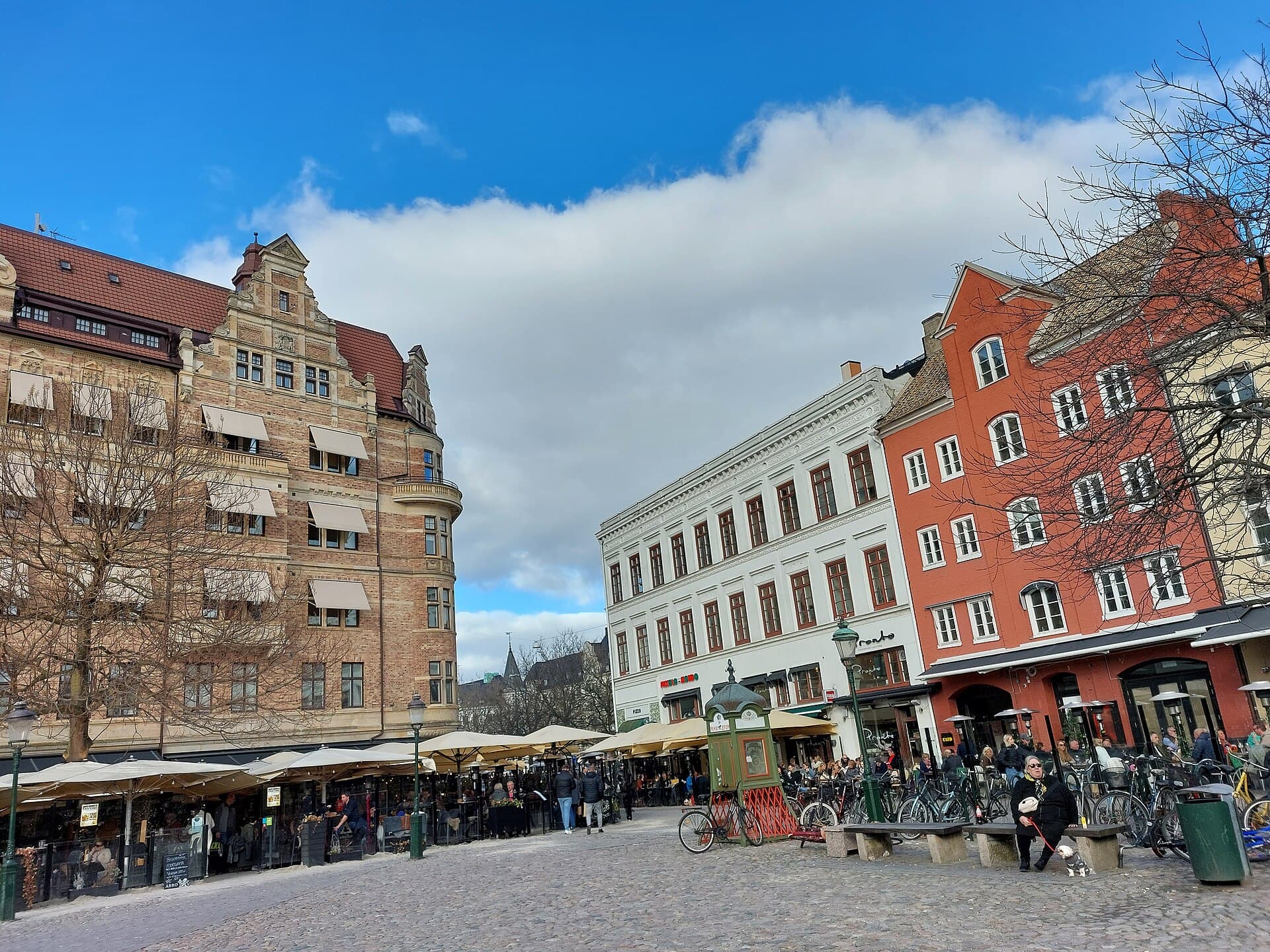 Lilla TorgLilla Torg, the little square, is Malmo's prettiest and most photographed: a cob1 minute walk
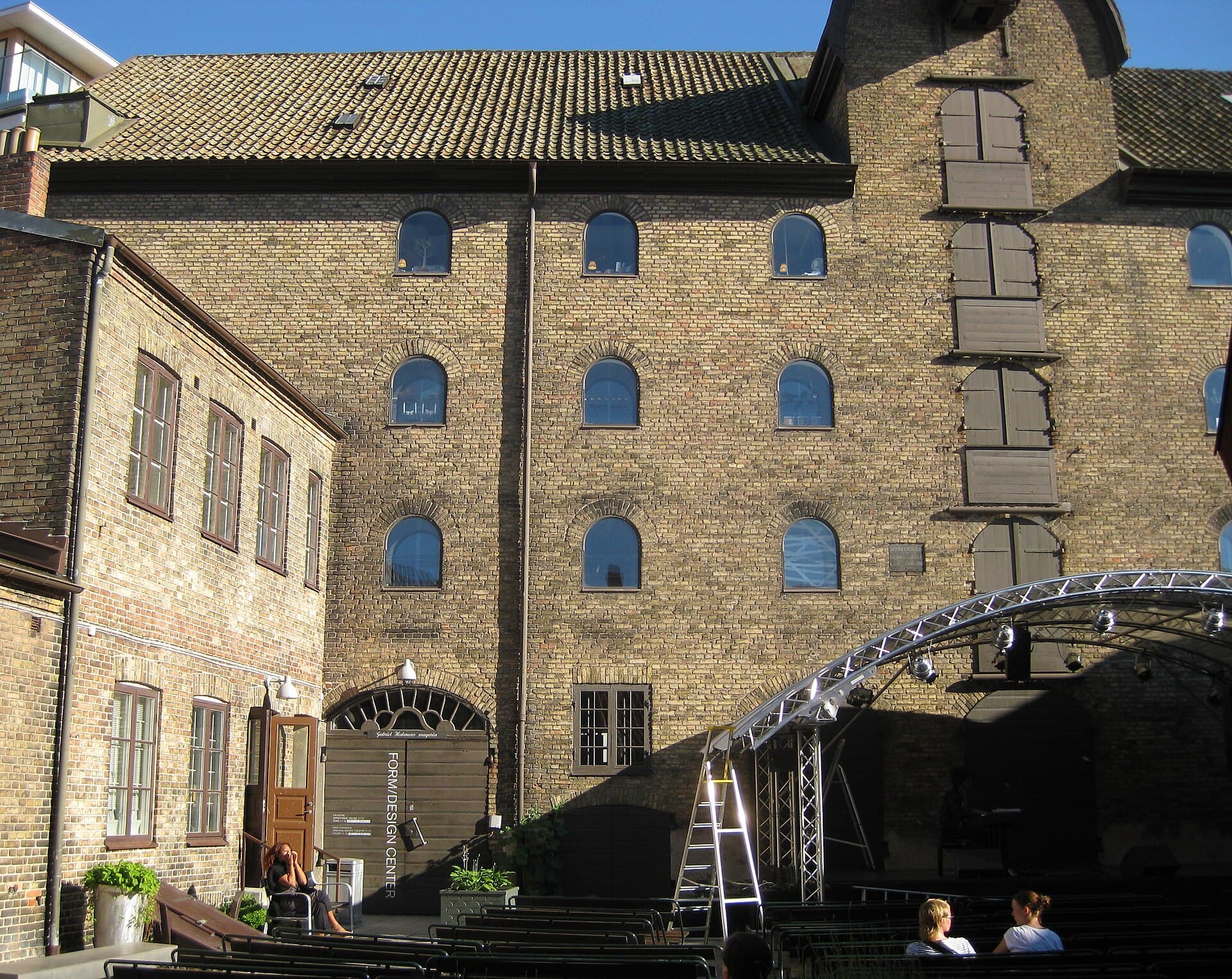 The Form/Design CenterThe Form/Design Center sits in an inner courtyard behind **Lilla Torg**, occupyi2 minutes walk4.1
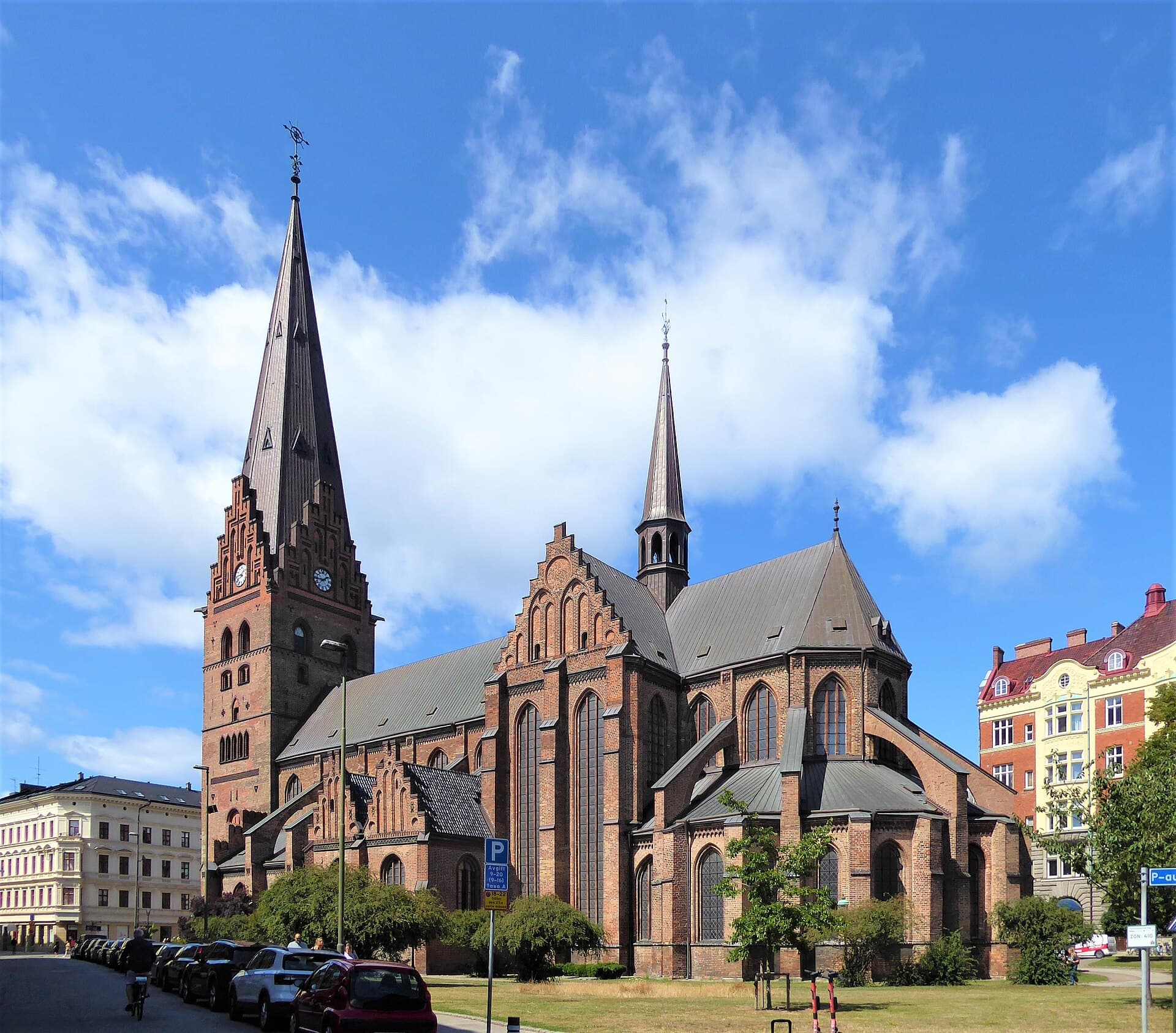 St Peter's ChurchSt Peter's is the oldest building in Malmo, raised in the early fourteenth centu3 minutes walk4.7
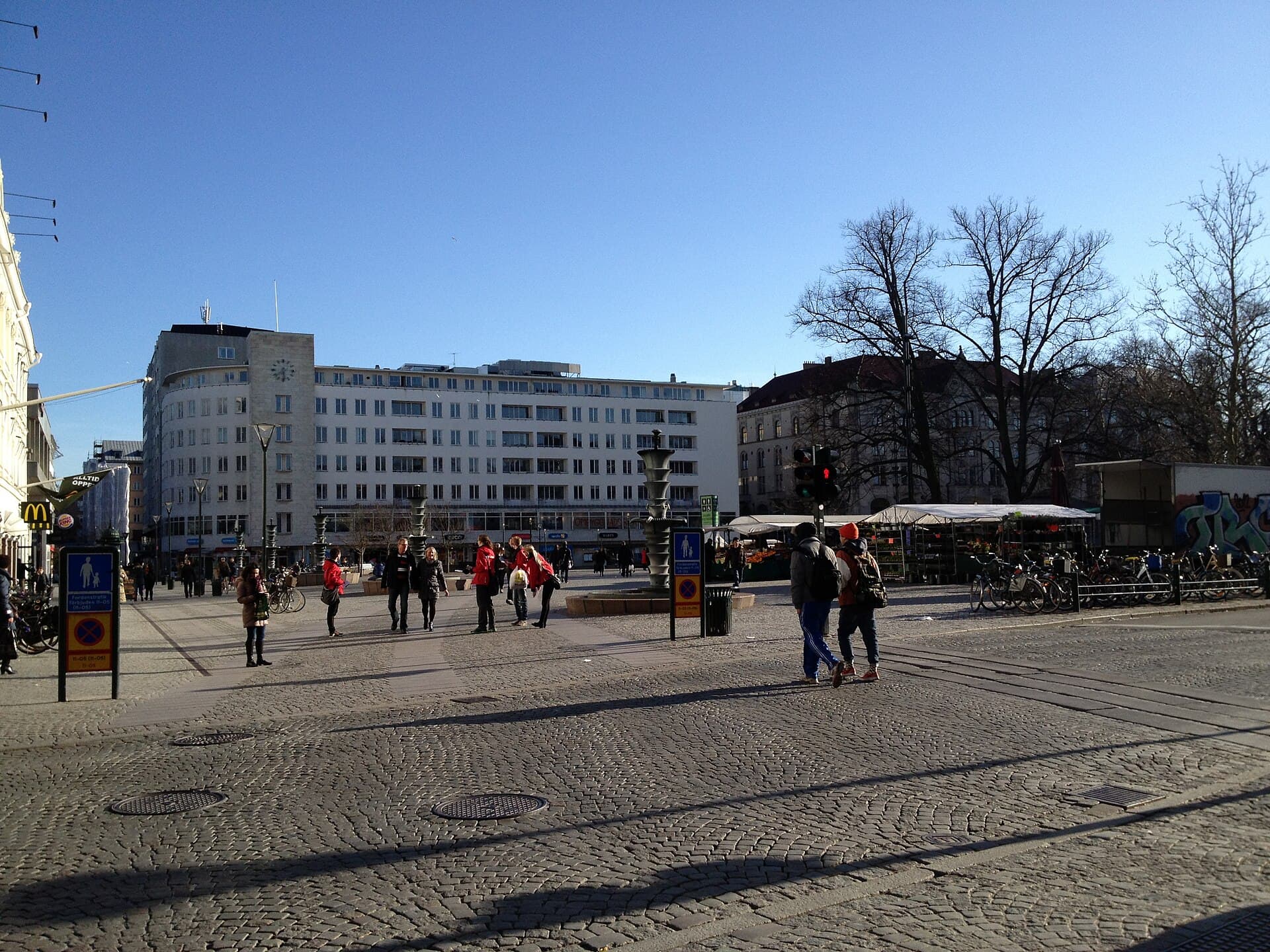 Gustav Adolfs TorgGustav Adolfs Torg is Malmo's great southern square, laid out in the 1840s as pa5 minutes walk4.4
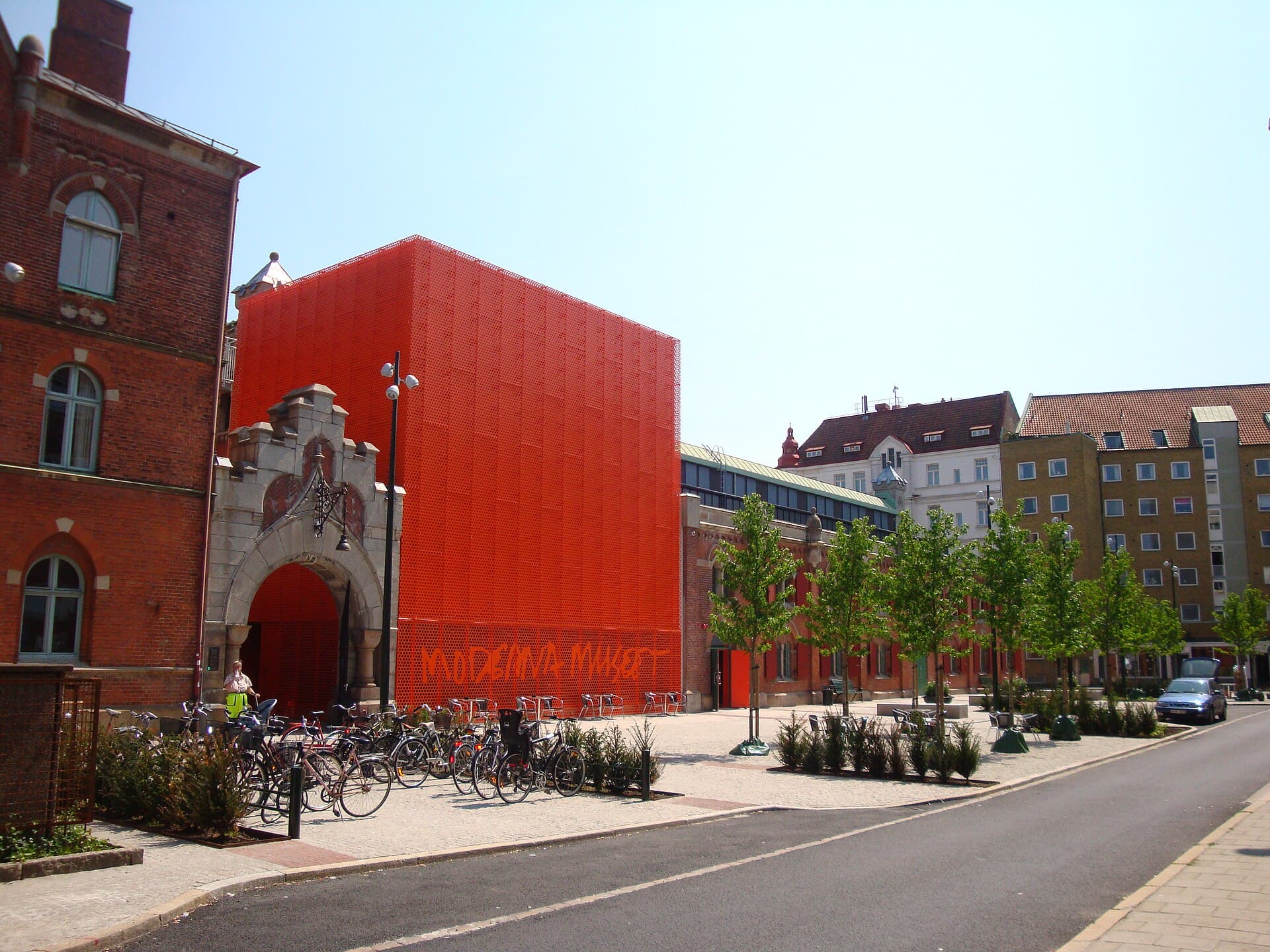 Moderna Museet MalmöThe Malmö branch of Moderna Museet, the southern outpost of Stockholm's national7 minutes walk4.2
The province of **Scania** in Sweden's far south was part of Denmark for a thousand years — the strait between Malmö and Copenhagen joined rather than divided. In 1658, after a Swedish campaign that crossed the frozen sea into Danish territory, the **Treaty of Roskilde** was imposed and Denmark ceded Scania, Halland and Blekinge. Decades of forced Swedification followed: Danish was banned in churches and schools. The trace remains today — the Scanian dialect is closer to Danish than the rest of Swedish, and its speakers joke about it. The Øresund bridge, since 2000, has rejoined the two cities.