
The golden age
A section on the nineteenth century, when the town drew the kings and rich of Europe.
Baden de — CC BY 3.0 · Gerd Eichmann — CC BY-SA 4.0 · Gerd Eichmann — CC BY-SA 4.0 · Gerd Eichmann — CC BY-SA 4.0
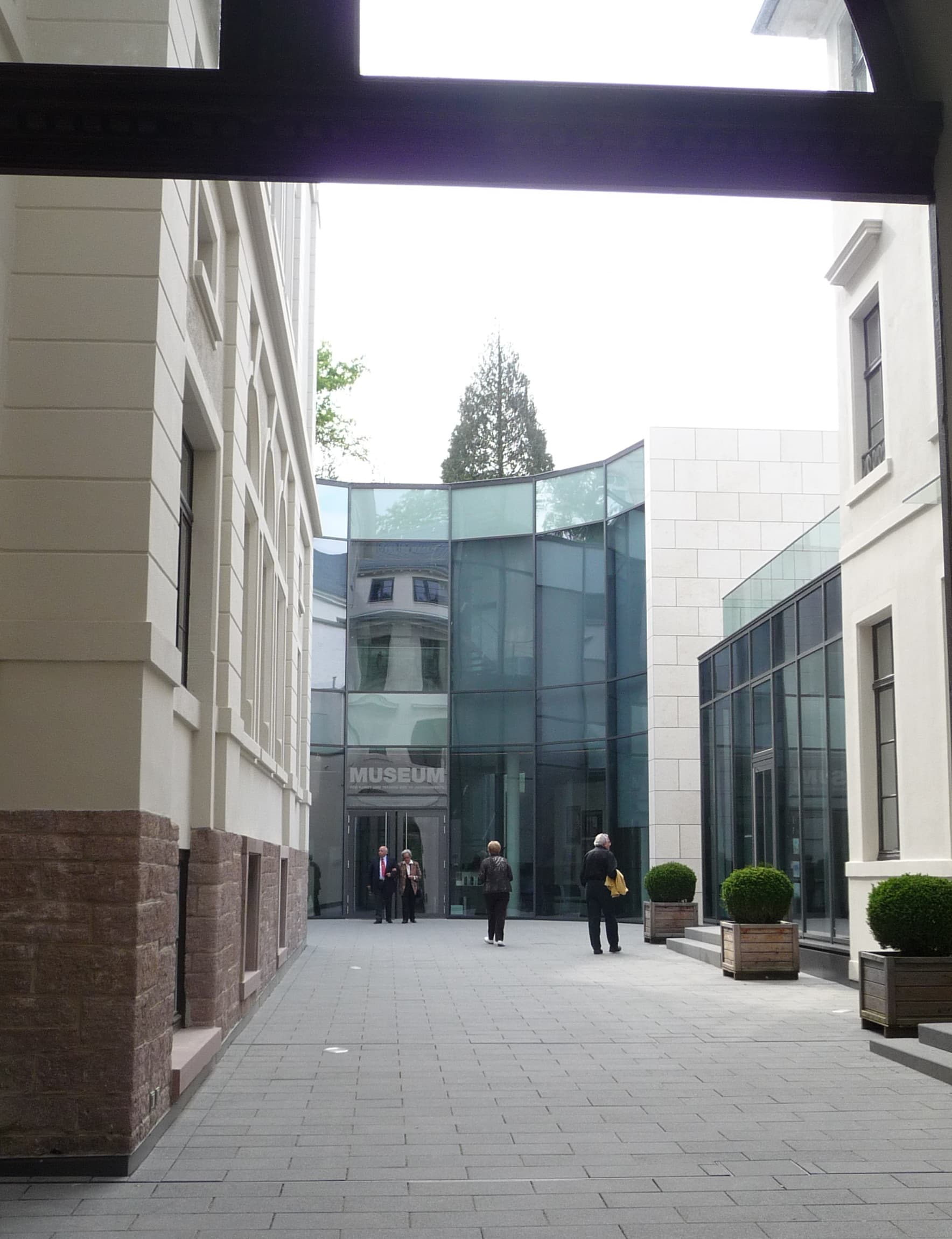
The Baden-Baden City Museum tells the town's story from the Roman baths to its nineteenth-century golden age. It sits in an old villa on the Lichtentaler Allee, and the building is part of the story, being a villa of exactly that period. The displays explain how a small town at some hot springs became what was called "the summer capital of Europe": who came, what life in the casino and the Kurhaus was like, and why the Russians and the French loved it. There is also a section on the history of gambling in the town and its old equipment.
A section on the nineteenth century, when the town drew the kings and rich of Europe.
Old tables and equipment, and stories of the casino that made the town famous.
Objects from the era of the Roman baths, explaining the town's origin two thousand years ago.
Lichtentaler Allee 10, 76530 Baden-Baden
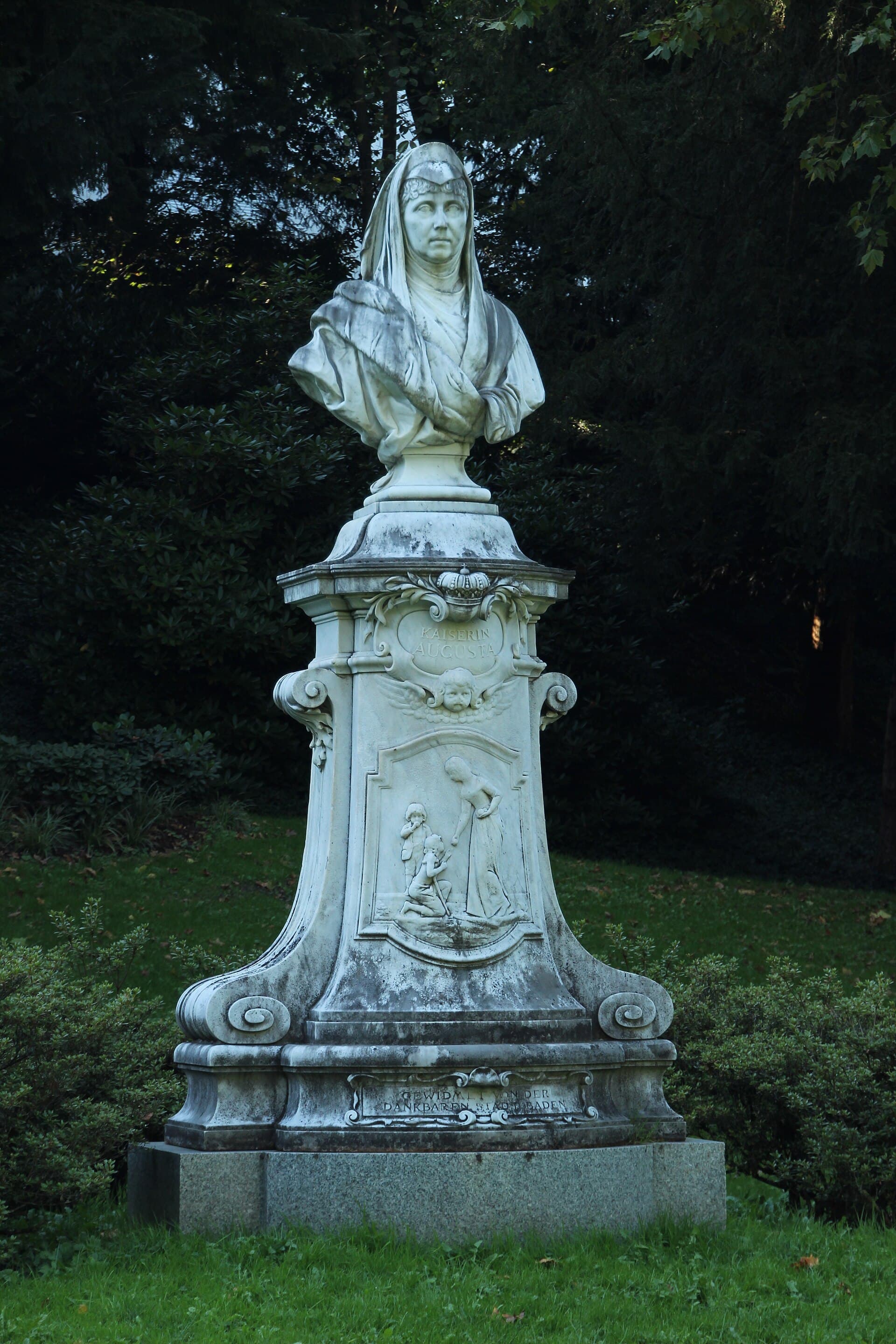 The Empress Augusta MonumentA monument to Empress Augusta, wife of Emperor Wilhelm I, in central Baden-Baden3 minutes walk4.4
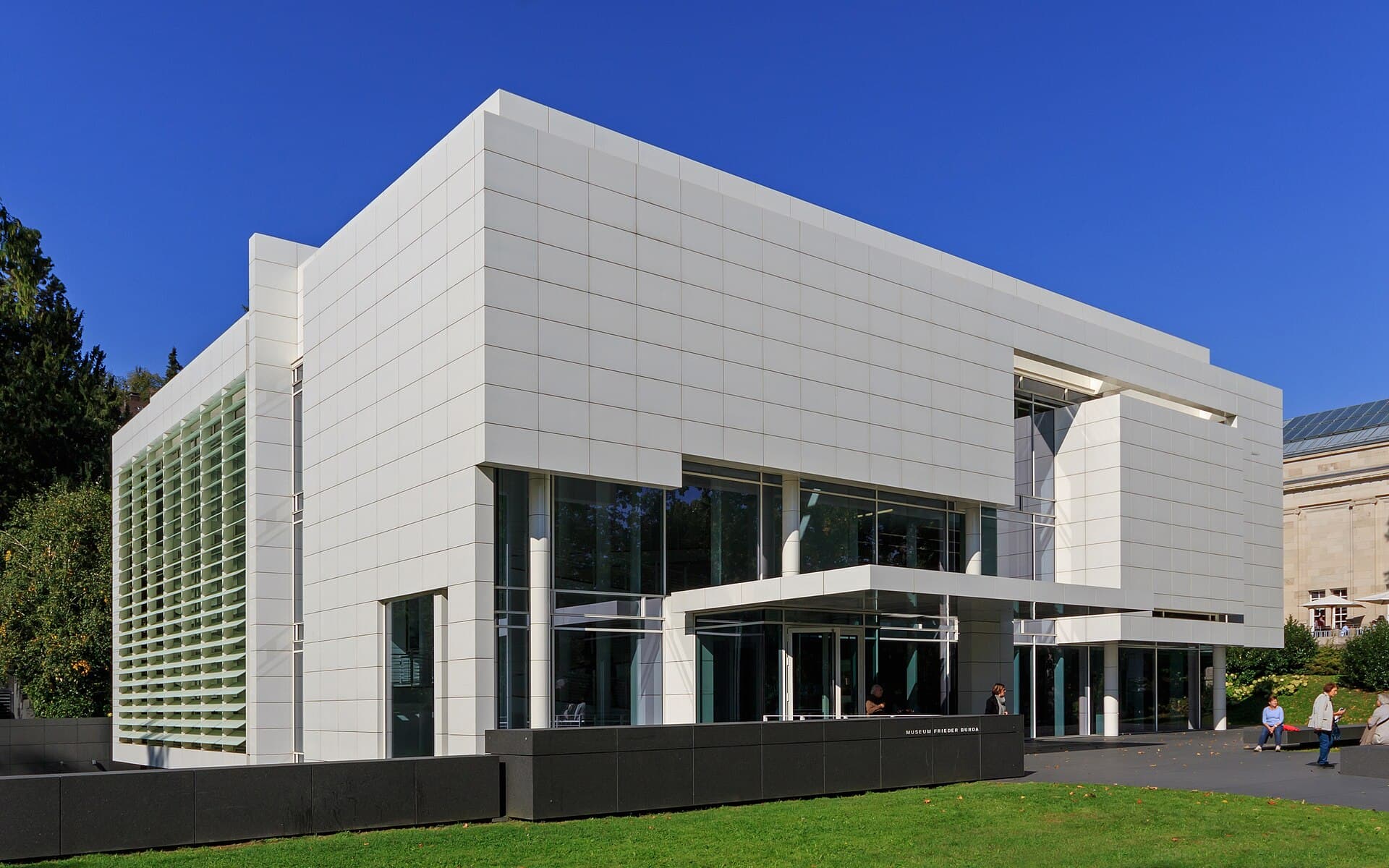 Museum Frieder BurdaThe Museum Frieder Burda is a small, elegant white building on Lichtentaler Alle4 minutes walk4.6
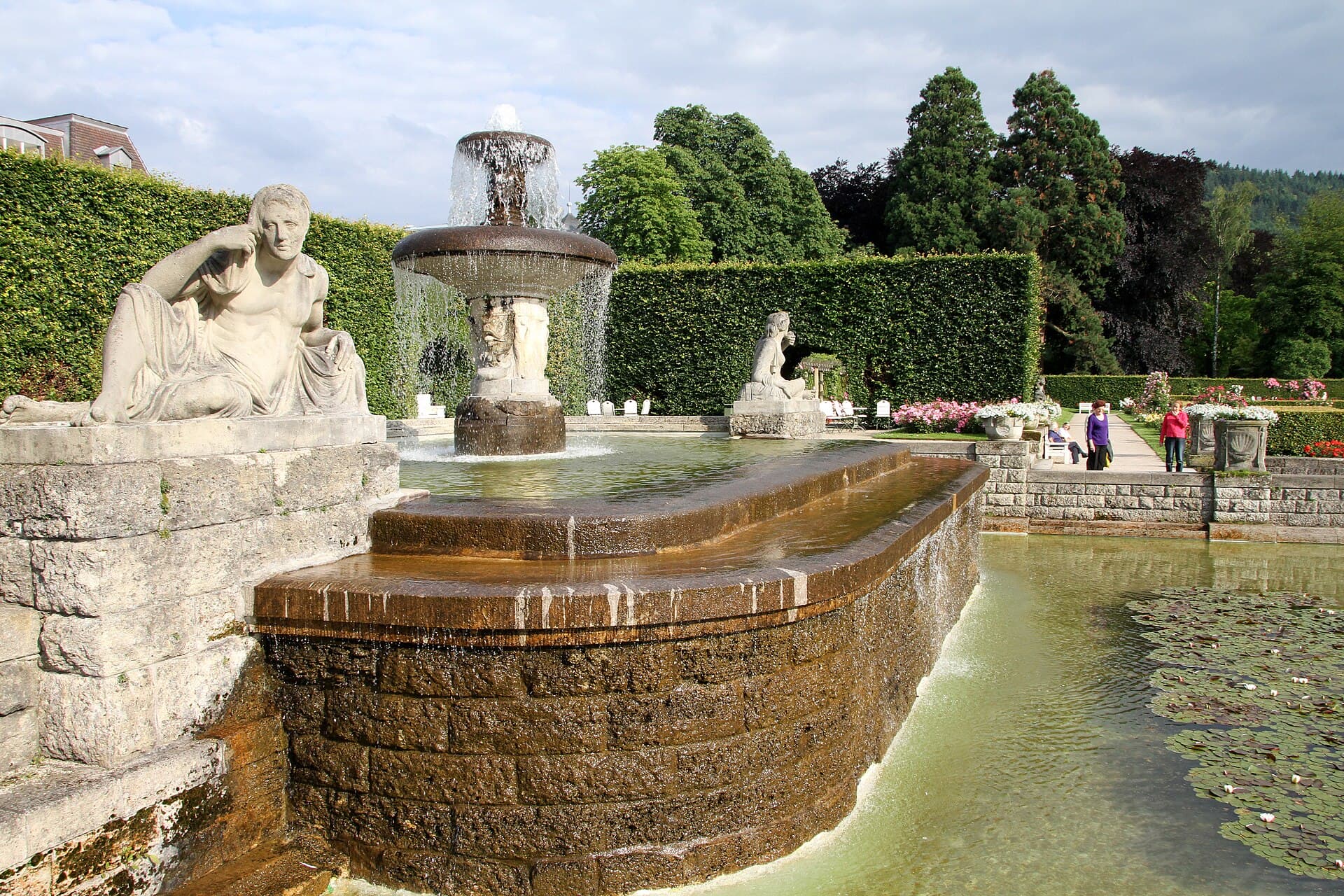 GönneranlageOn the Oos bank at Lichtentaler Allee's midpoint opens the Gönneranlage: an Art 4 minutes walk4.6
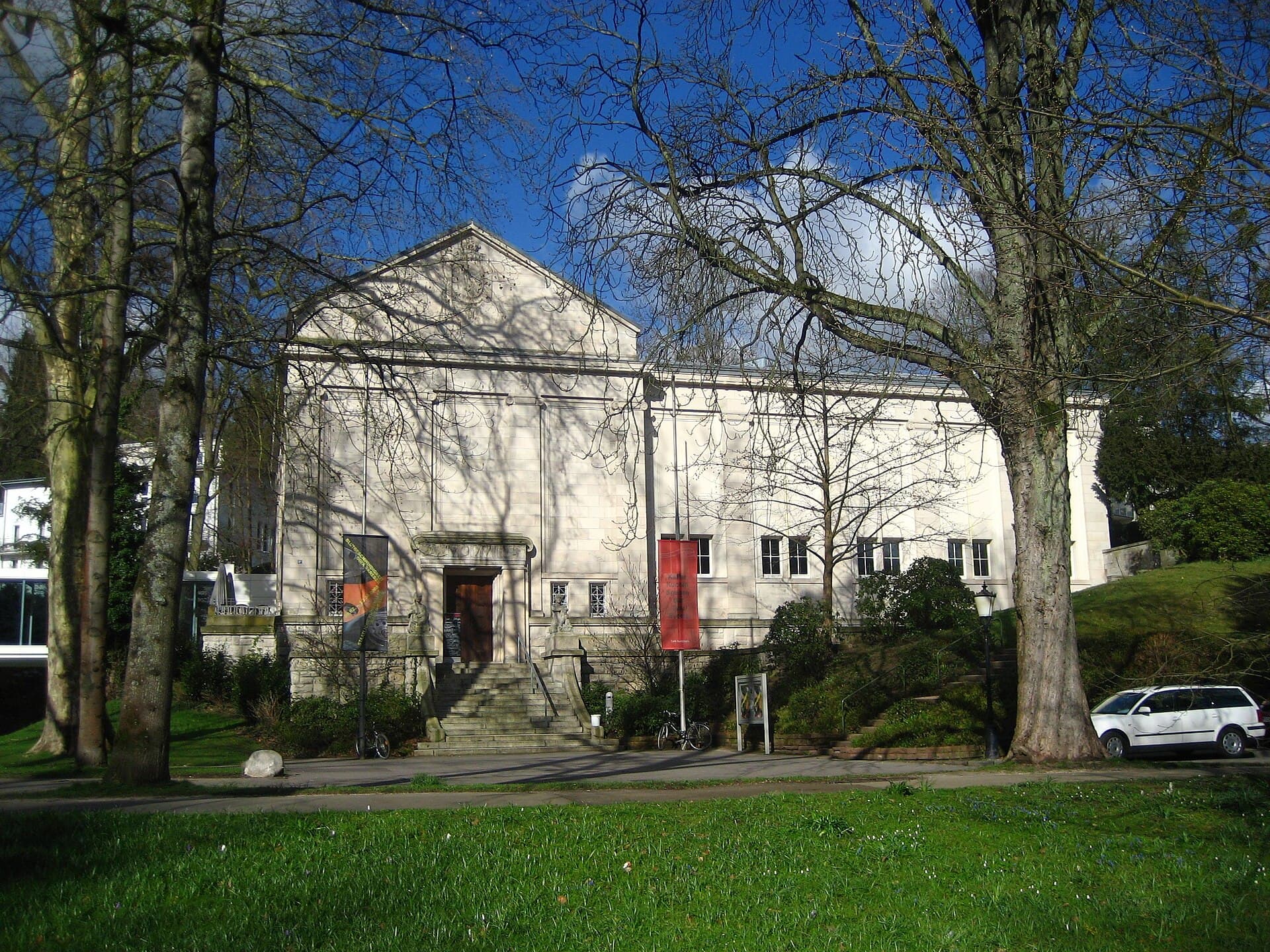 Staatliche Kunsthalle Baden-BadenThe Staatliche Kunsthalle in Baden-Baden is a contemporary art institution with 5 minutes walk3.4
 Museum LA8Museum LA8 is devoted to one precisely defined subject: the nineteenth century —6 minutes walk4.6
If you want to understand why Baden-Baden became what it is, yes — the museum answers that clearly. But if your time in town is short, the Friedrichsbad, the Kurhaus and the Lichtentaler Allee come first.
Partly. The main panels are German with English translation in many sections, but the finer detail is German only. There is nothing in Arabic.
About an hour. It is small with a clear route, and fits easily into a half day with the promenade and the rose garden.