
Guests, not residents
The casino, theatre and opera were built for Europe's wealthy season.
Photograph: Frank C. Müller, Baden-Baden — CC BY-SA 4.0 · Gerd Eichmann — CC BY-SA 4.0 · Gerd Eichmann — CC BY-SA 4.0 · Gerd Eichmann — CC BY-SA 4.0
A monument to Empress Augusta, wife of Emperor Wilhelm I, in central Baden-Baden — the figure who tied the town to the Prussian court for decades. Augusta spent successive seasons in Baden-Baden from the mid nineteenth century, and her presence is what turned the town from a regional spa into the summer capital of Europe. When an empress stays somewhere, the court, the diplomats, the press and everyone who wants to be seen among them follow. That is the logic that built the whole of Baden-Baden: guests rather than residents. The casino, the theatre, the opera house and the treatment halls were built for a season lasting months, spent here by the wealthy of Europe. Dostoevsky gambled in the casino and wrote about it, Brahms composed here, and Turgenev lived here for years. The town was inscribed on the UNESCO list in 2021 as part of the Great Spa Towns of Europe, alongside Karlovy Vary, Bath, St Moritz and others. Practical points: the monument stands in free public space, always open. The visit is minutes on a walk through the centre.
The casino, theatre and opera were built for Europe's wealthy season.
And wrote about it; Brahms composed here and Turgenev lived here.
Among the Great Spa Towns of Europe with Bath and Karlovy Vary.
Central Baden-Baden
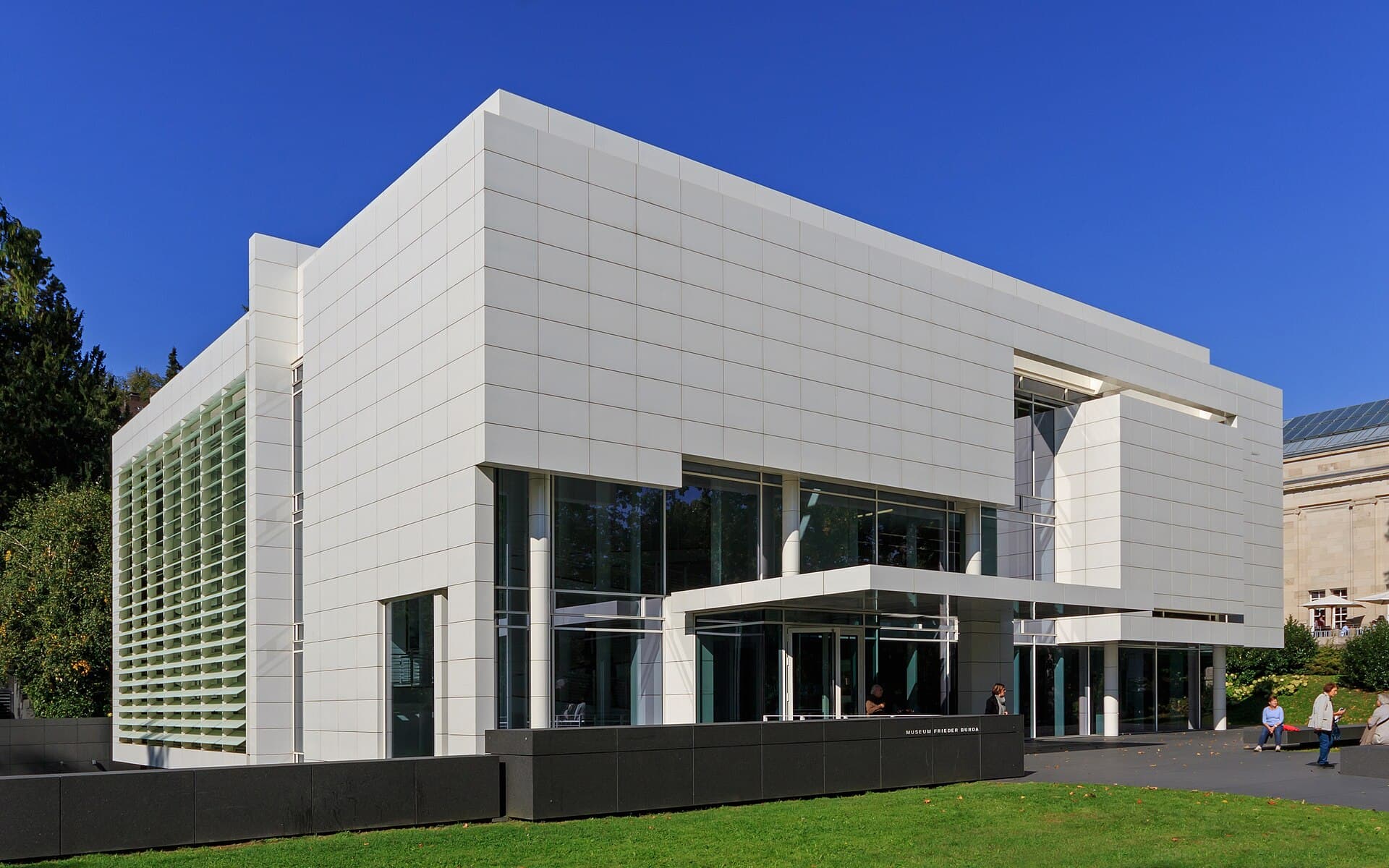 Museum Frieder BurdaThe Museum Frieder Burda is a small, elegant white building on Lichtentaler Alle1 minute walk4.6
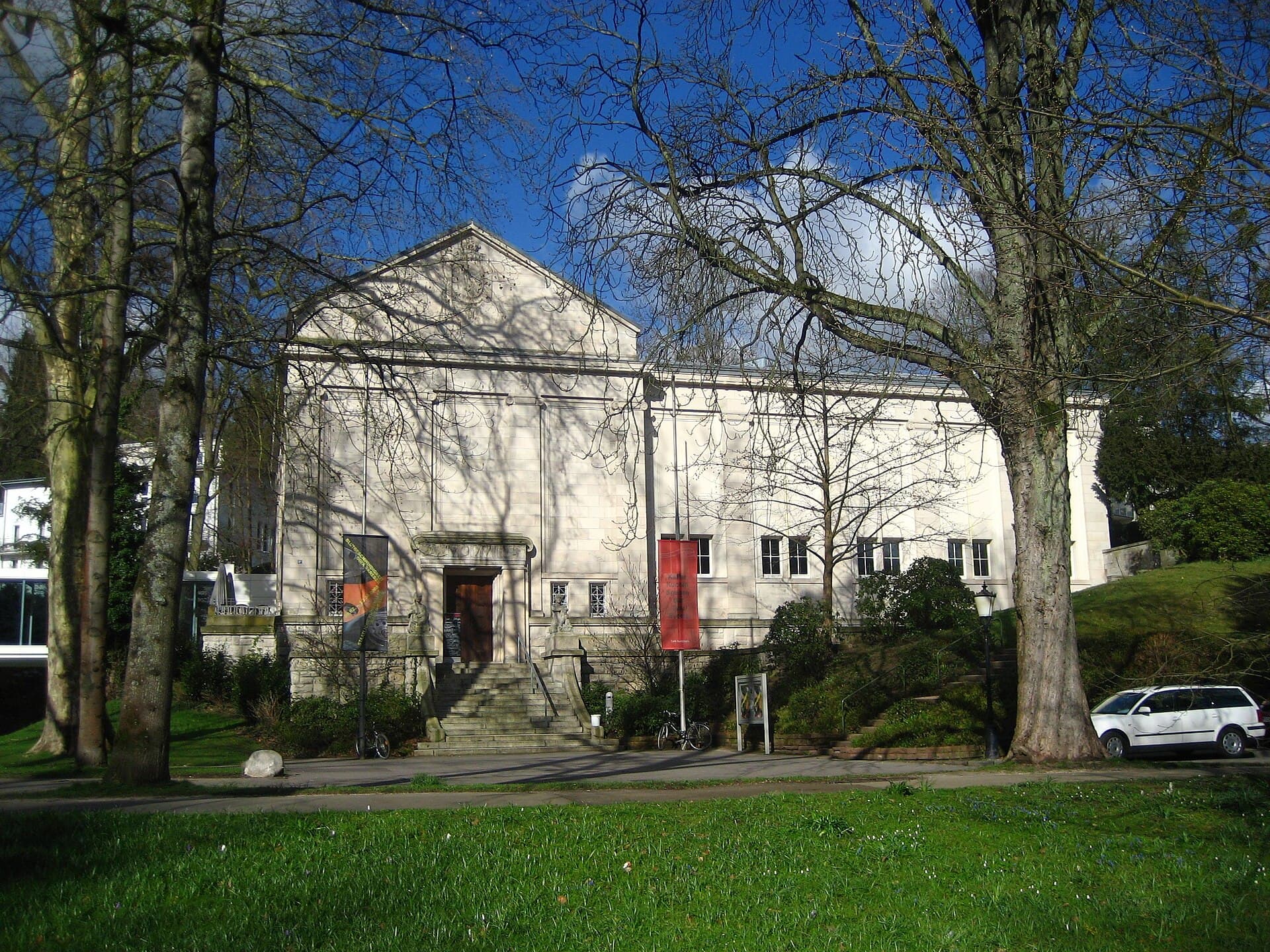 Staatliche Kunsthalle Baden-BadenThe Staatliche Kunsthalle in Baden-Baden is a contemporary art institution with 2 minutes walk3.4
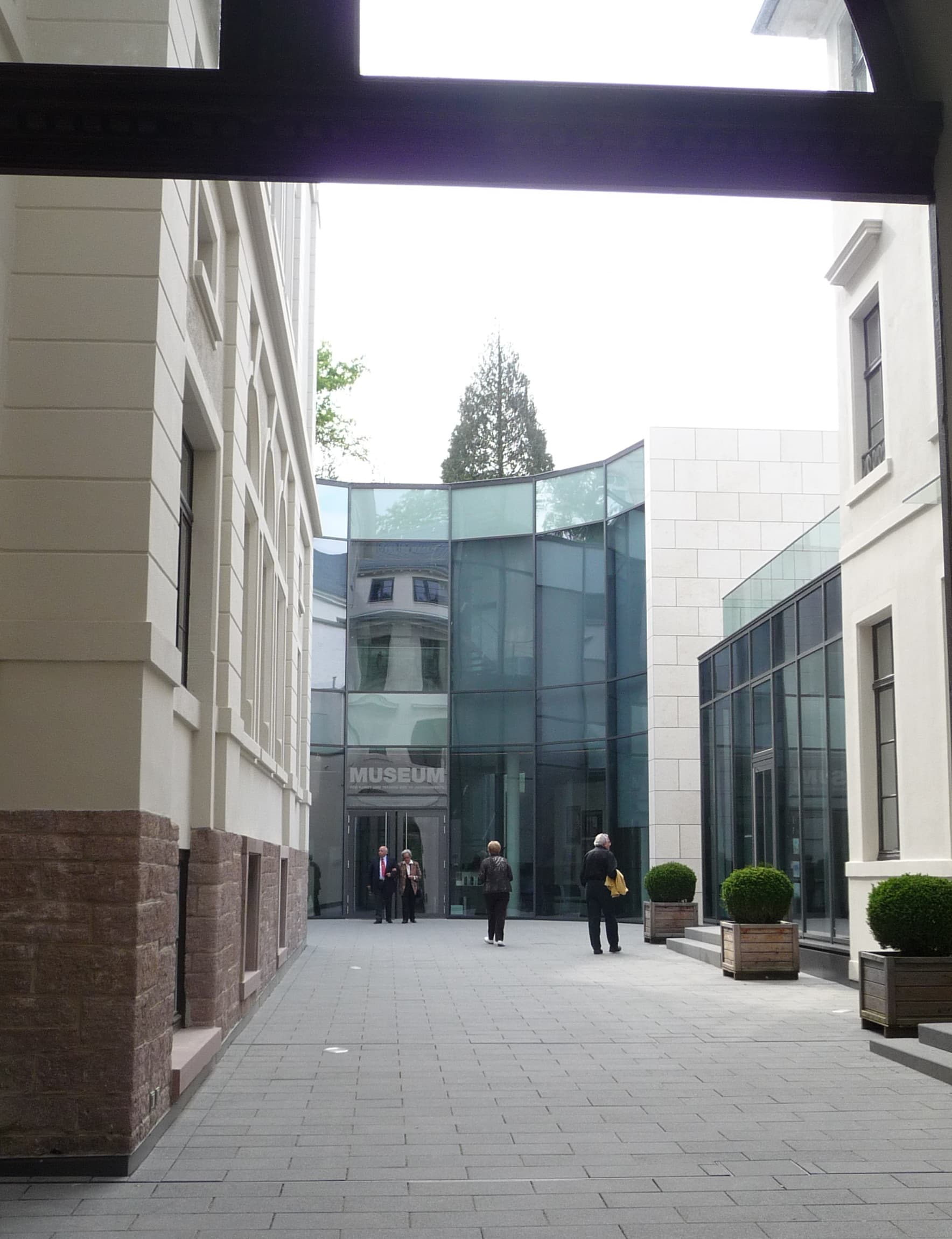 Museum LA8Museum LA8 is devoted to one precisely defined subject: the nineteenth century —3 minutes walk4.6
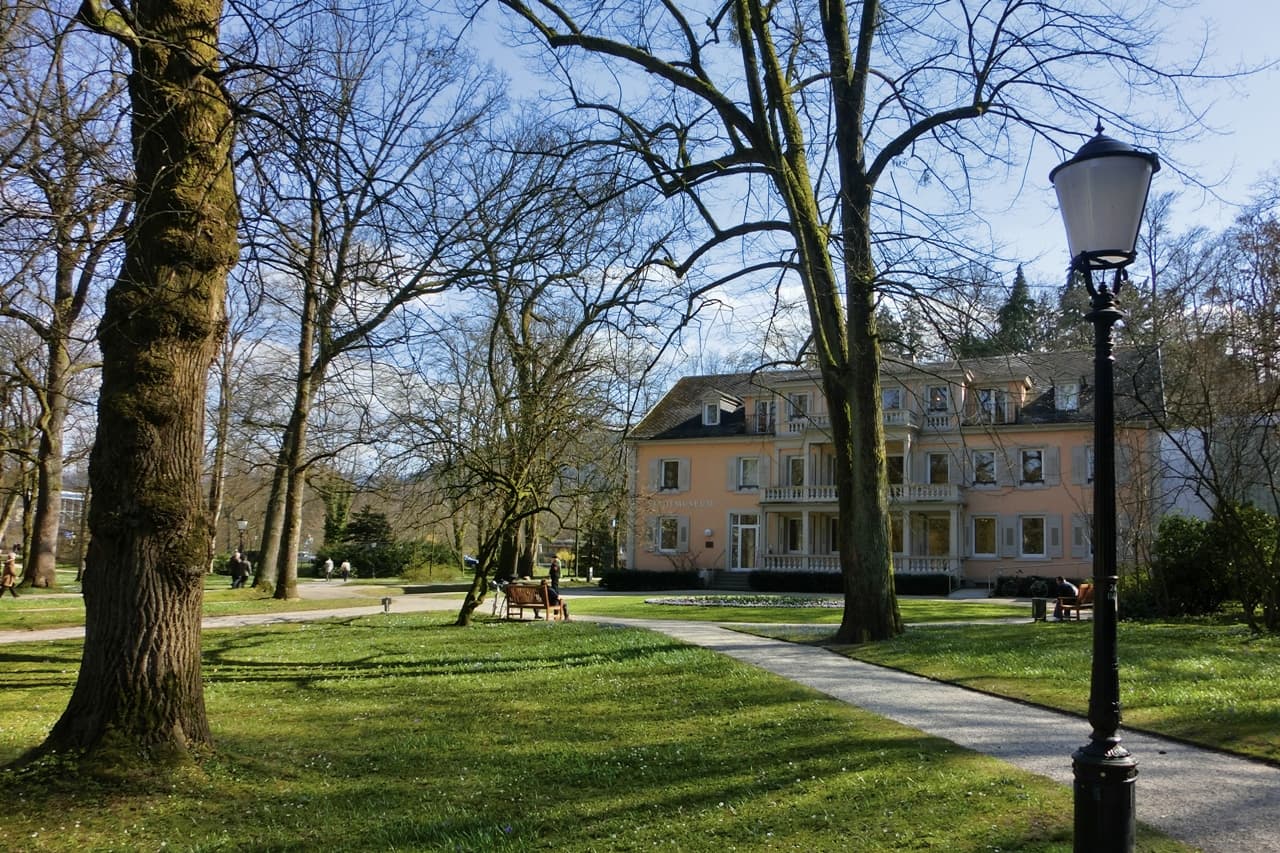 Baden-Baden City MuseumThe Baden-Baden City Museum tells the town's story from the Roman baths to its n3 minutes walk4.5
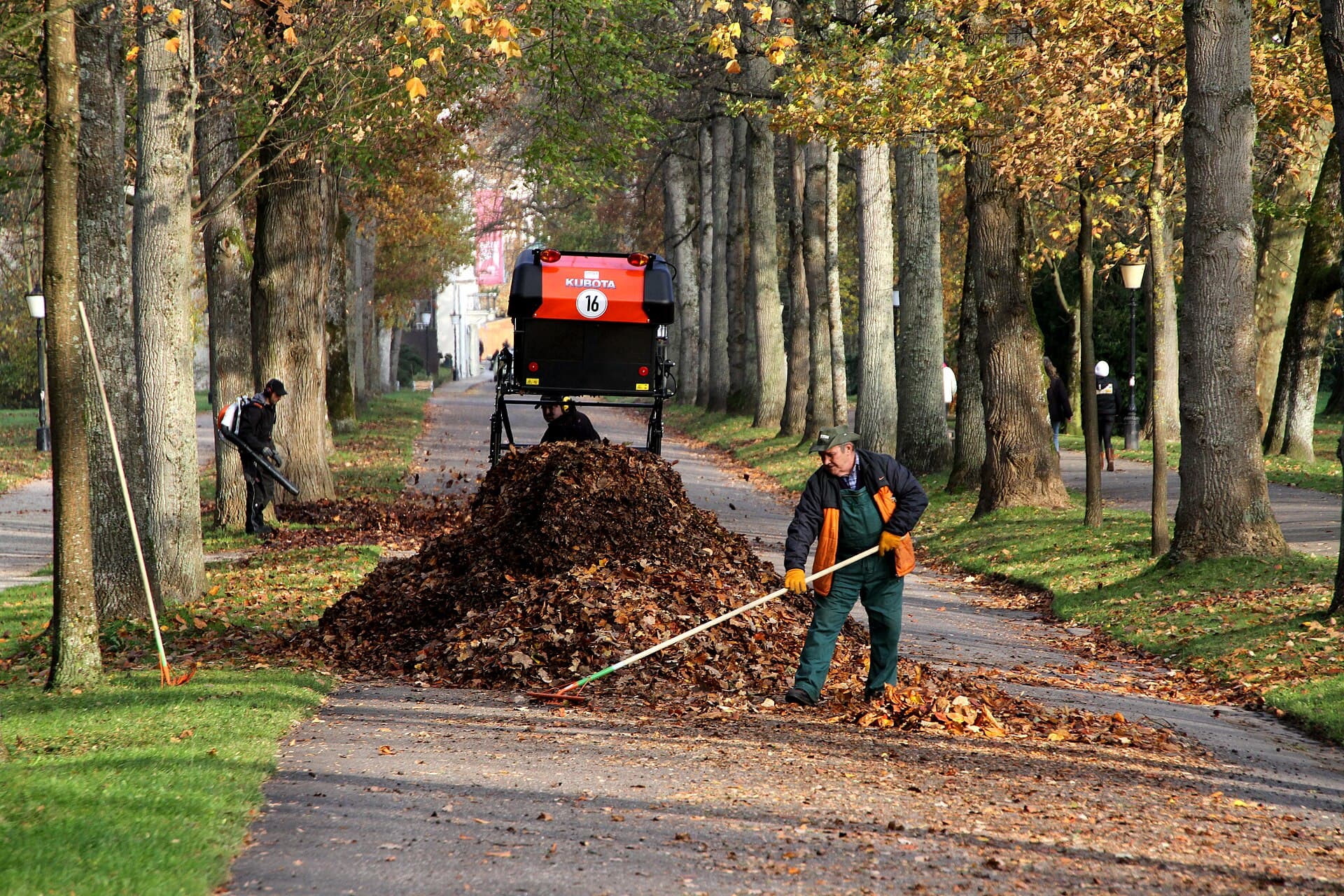 Lichtentaler AlleeLichtentaler Allee is a long tree-lined walk running about three kilometres besi4 minutes walk4.7
A joint UNESCO inscription of 2021 covering eleven spa towns in seven countries: Baden-Baden, Bad Ems and Bad Kissingen in Germany; Karlovy Vary, Mariánské Lázně and Františkovy Lázně in Czechia; Bath in Britain; Spa in Belgium; Vichy in France; Montecatini Terme in Italy; and Bad Ischl in Austria. They were listed together because they represent one European phenomenon: a water-cure culture that shaped architecture and a cross-border social life between the eighteenth and twentieth centuries.
The Friedrichsbad Roman-Irish baths, a traditional seventeen-stage bathing sequence; the modern Caracalla baths; the historic casino, which can be toured by day without gambling; and the Lichtentaler Allee, a two-kilometre landscaped riverside walk. The town is small and two days cover it.