
Twelfth-century stone
A rough wall from the twelfth century — among the oldest things still standing in Frankfurt.
CC BY-SA 3.0 · GraphyArchy — CC BY-SA 4.0 · GraphyArchy — CC BY-SA 4.0 · Tilman2007 — CC BY-SA 4.0
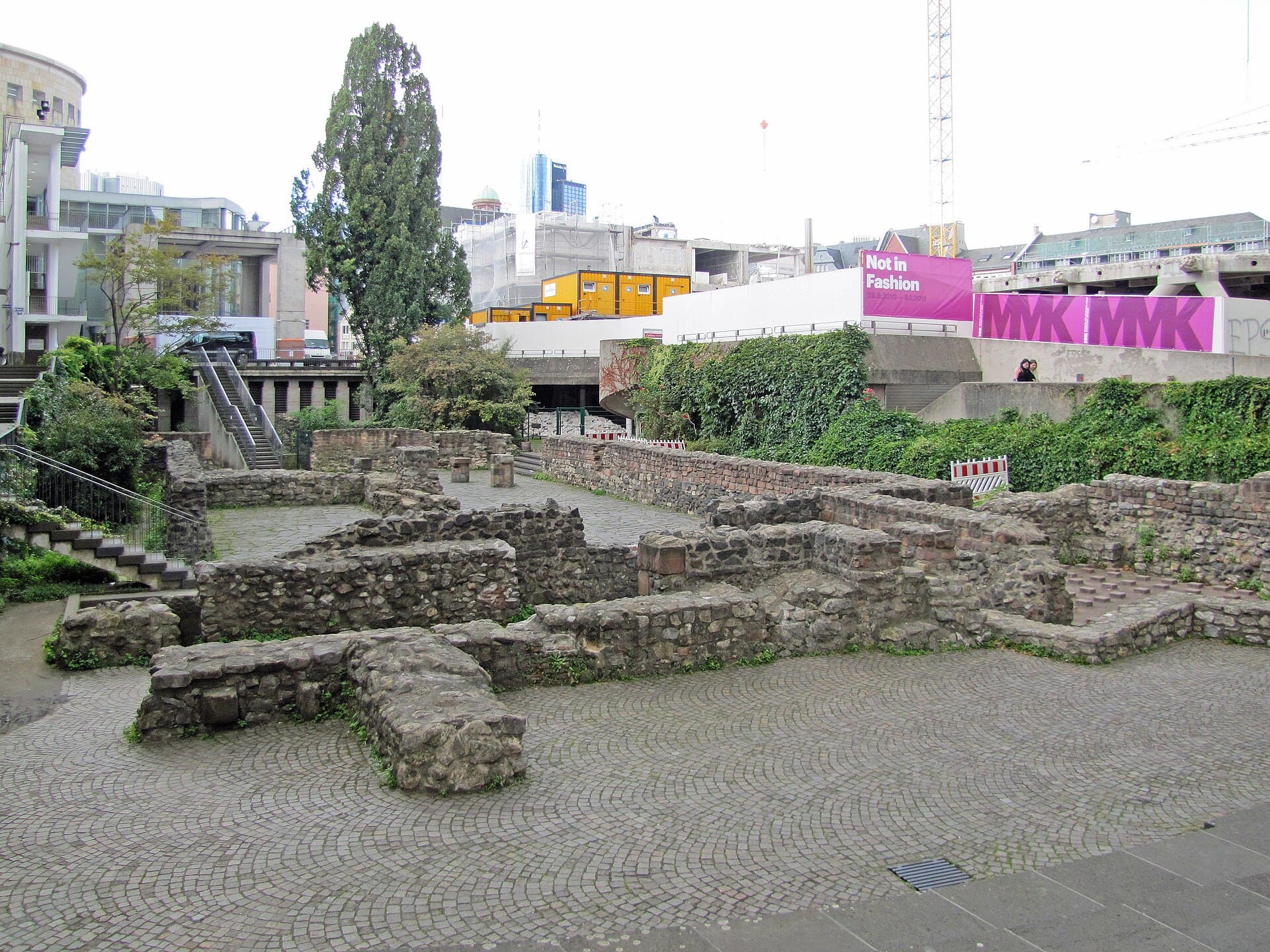
The Staufenmauer is a surviving piece of Frankfurt's first city wall, built in the twelfth century under the Hohenstaufen dynasty. The wall once ringed the whole town; today only a few scattered fragments remain between modern buildings. The clearest stretch stands in a side street near the old town — a rough stone wall appearing suddenly between ordinary buildings. There is little signage and many people walk past without noticing. Its value is that it is among the oldest things still standing in Frankfurt, after the war erased most of the old town.
A rough wall from the twelfth century — among the oldest things still standing in Frankfurt.
A medieval wall wedged between modern buildings — the sight sums up the city's history.
Most of old Frankfurt was destroyed in 1944; this wall is one of the few original survivors.
Fahrgasse, 60311 Frankfurt
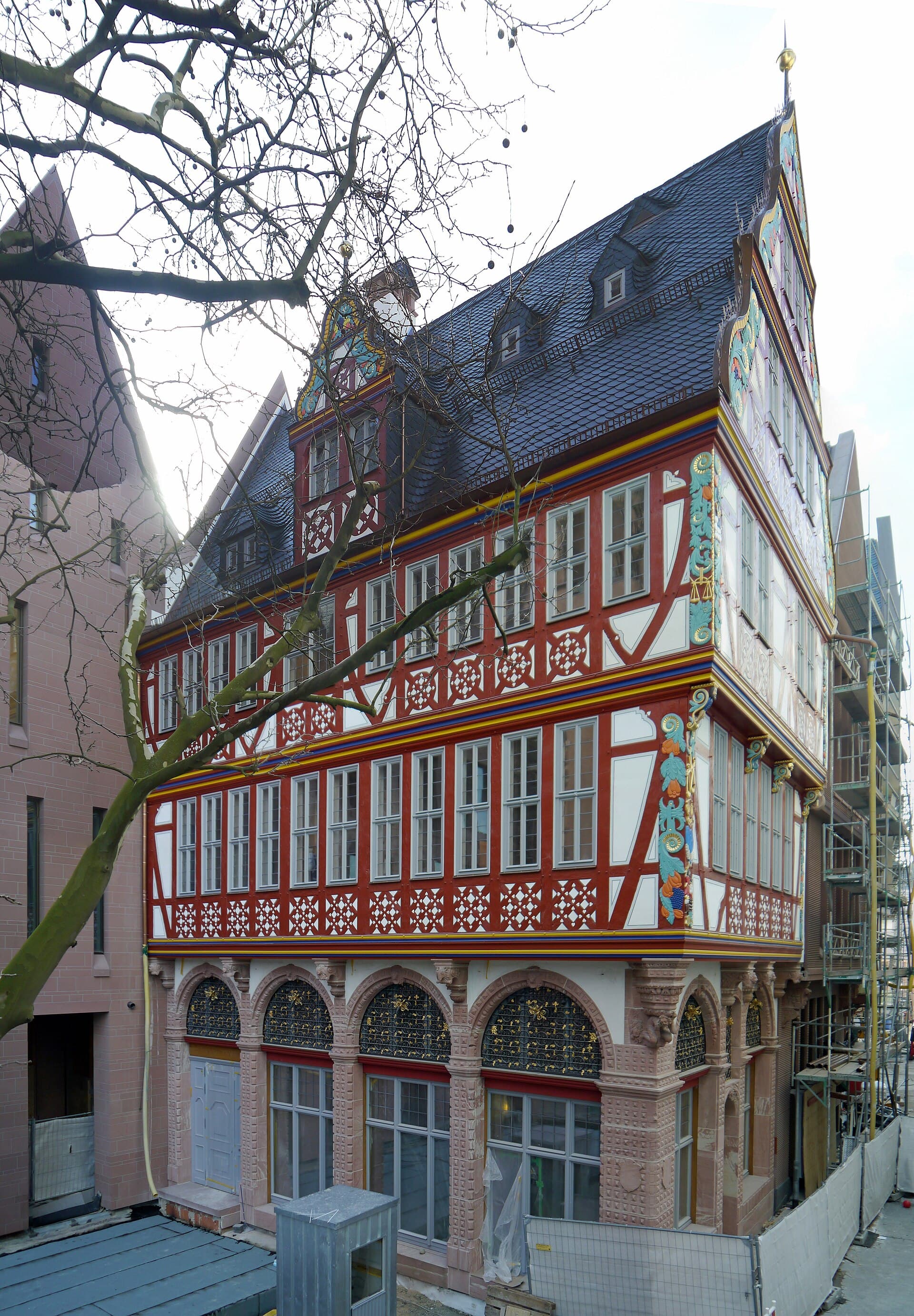 New Old TownThe New Old Town is a small quarter in the middle of Frankfurt that opened in 205 minutes walk4.7
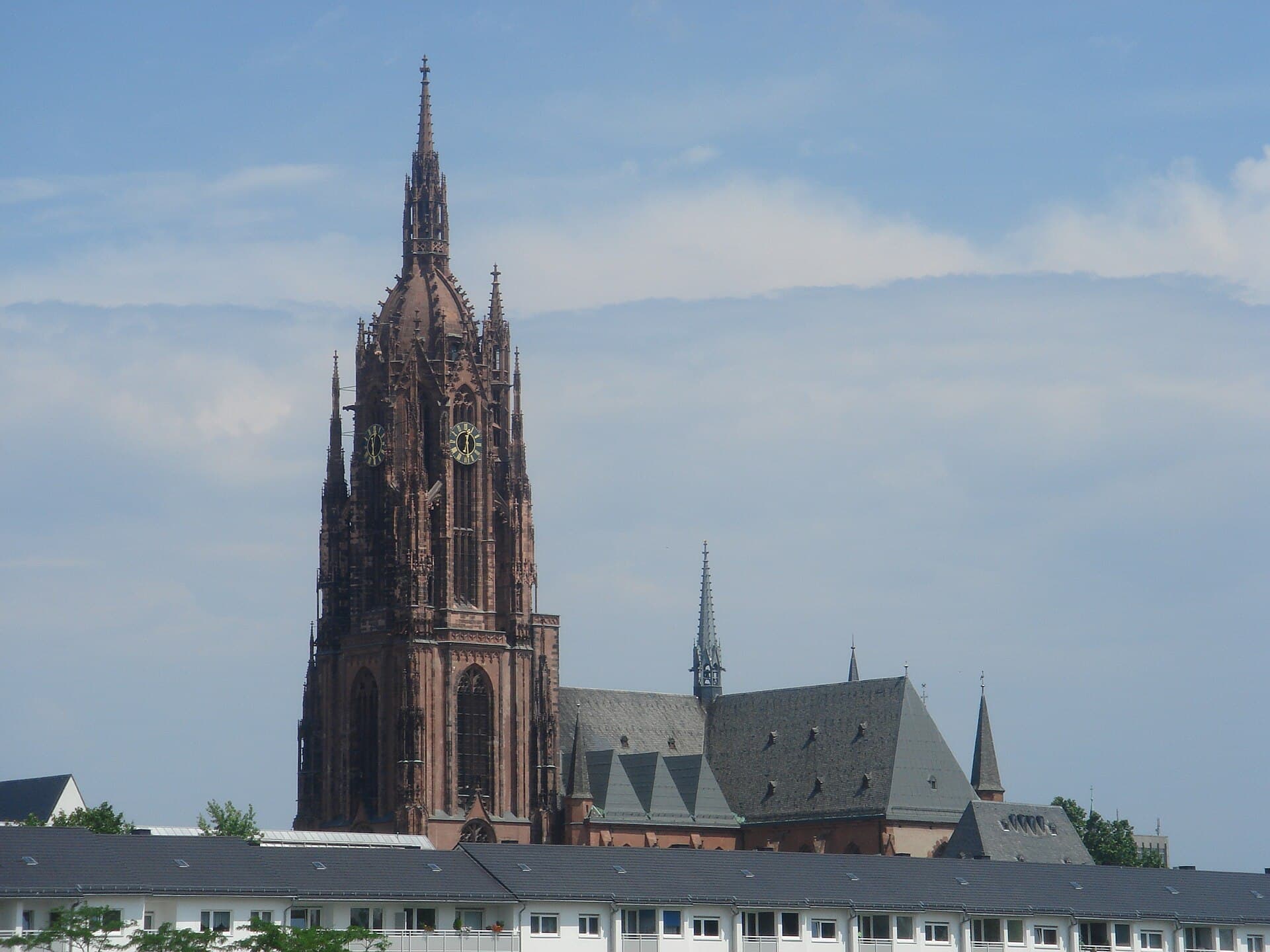 Frankfurt CathedralFrankfurt Cathedral is a red Gothic church in the middle of the old town, its ta5 minutes walk4.5
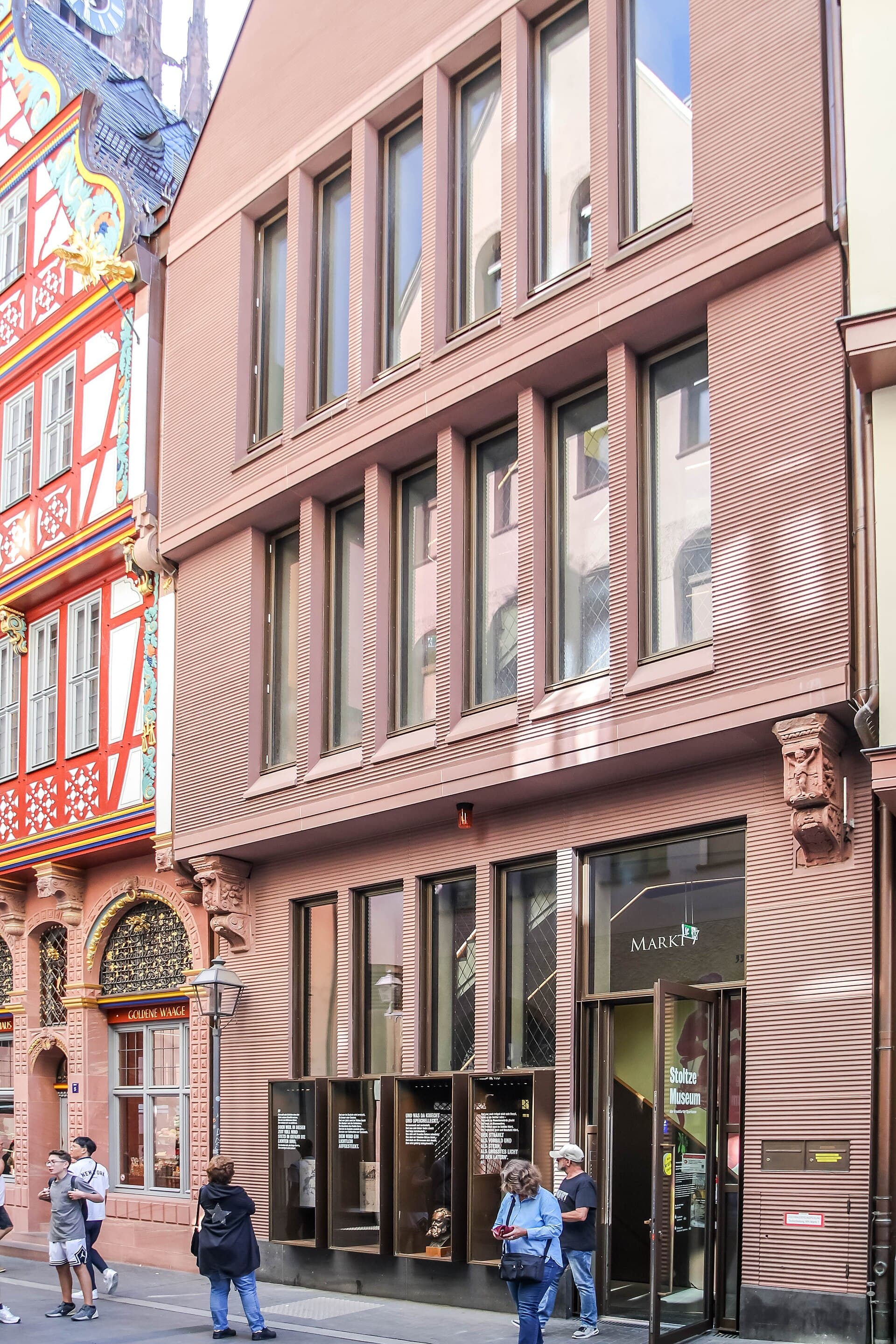 The Stoltze MuseumThe Stoltze Museum is devoted to Friedrich Stoltze (1816-1891), the poet and jou5 minutes walk4.4
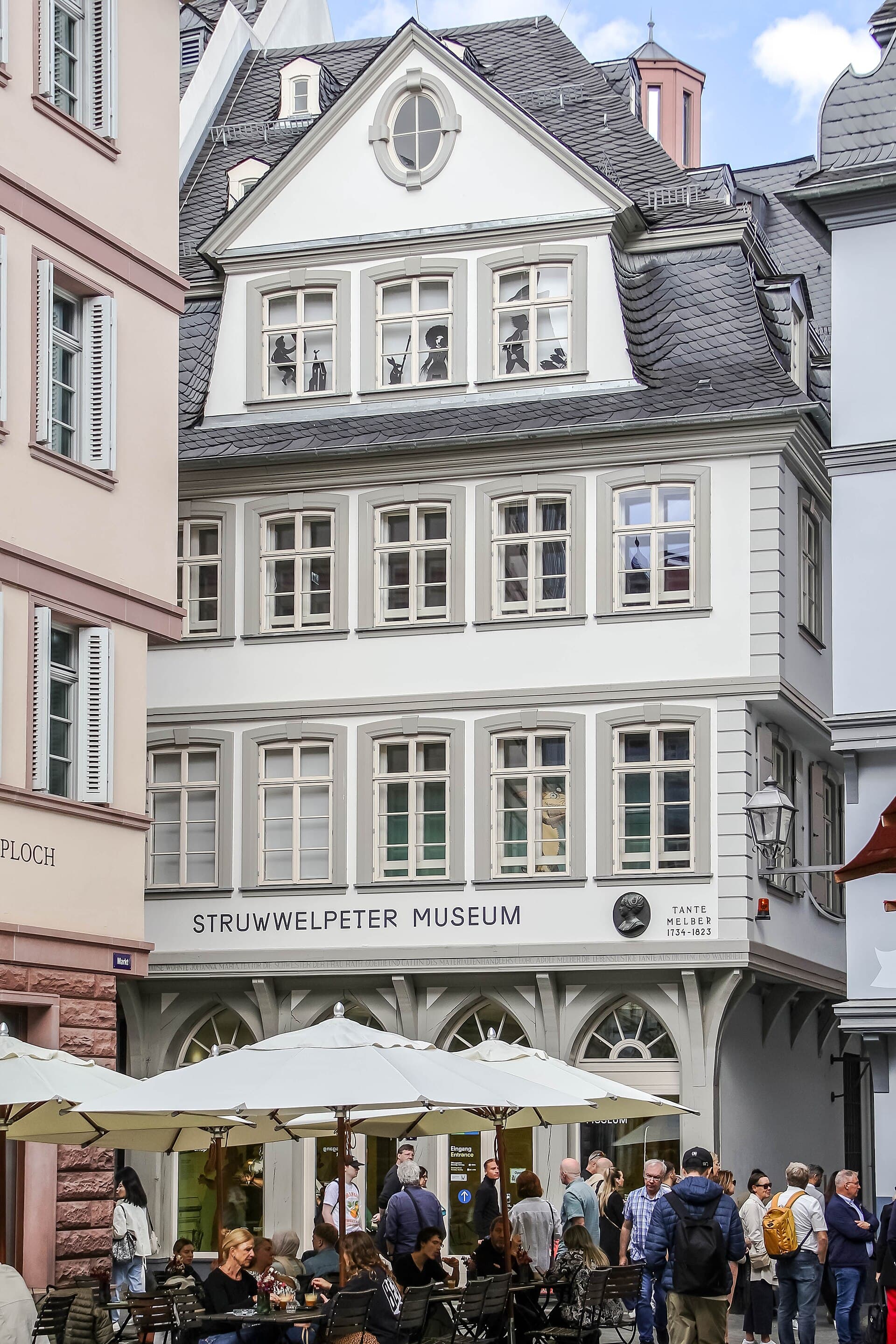 Struwwelpeter MuseumThe Struwwelpeter Museum is devoted to the most famous German children's book of5 minutes walk4.6
 Kaiserpfalz FranconofurdThe Kaiserpfalz is an open archaeological site between the cathedral and the new5 minutes walk4.5
In a side street in the eastern part of the old town near Fahrgasse. The easiest way is a phone map, since it is not signposted and appears suddenly between buildings.
For anyone interested in city walls and urban history, yes — particularly as it is minutes from the old town. For anyone else it is simply an old stone wall. Do not make a special trip, but pass by if you are close.
Because it was pulled down in the eighteenth century when the city expanded and it no longer served any defensive purpose, and the Second World War destroyed most of what remained. Only a few scattered fragments survive.