
The battle of Hafrsfjord
The area credited with uniting Norway under Harald Fairhair in the ninth century.
Ferit BAYCUMAN — CC BY-SA 4.0 · Terje Tveit, Arkeologisk museum, Universitetet i Stavanger — CC BY-SA 3.0 · Jarvin — CC BY 2.5 · Wolfmann — CC BY-SA 4.0
An archaeological museum belonging to the University of Stavanger, covering the history of south-western Norway from the Stone Age to the Middle Ages, built on finds from the region itself. The area around Stavanger is unexpectedly rich archaeologically: this is where the battle of Hafrsfjord took place, credited with uniting Norway under Harald Fairhair in the ninth century, and the surroundings hold settlements and burials from the Viking age and before. What makes the museum useful to a visitor is that it supplies the context the sites themselves lack. The well-known Swords in Rock monument on the fjord is a modern sculpture with no interpretation on site, and the Iron Age farms around are simply ruins. The museum is what connects them. It also has a children's section with hands-on activities. The location is central, a walk from the old harbour and the white wooden town.
The area credited with uniting Norway under Harald Fairhair in the ninth century.
The monument and the Iron Age farms around the city make sense after a visit.
Hands-on activities make it one of the few genuinely family-friendly options in the city.
Central Stavanger, part of the University of Stavanger
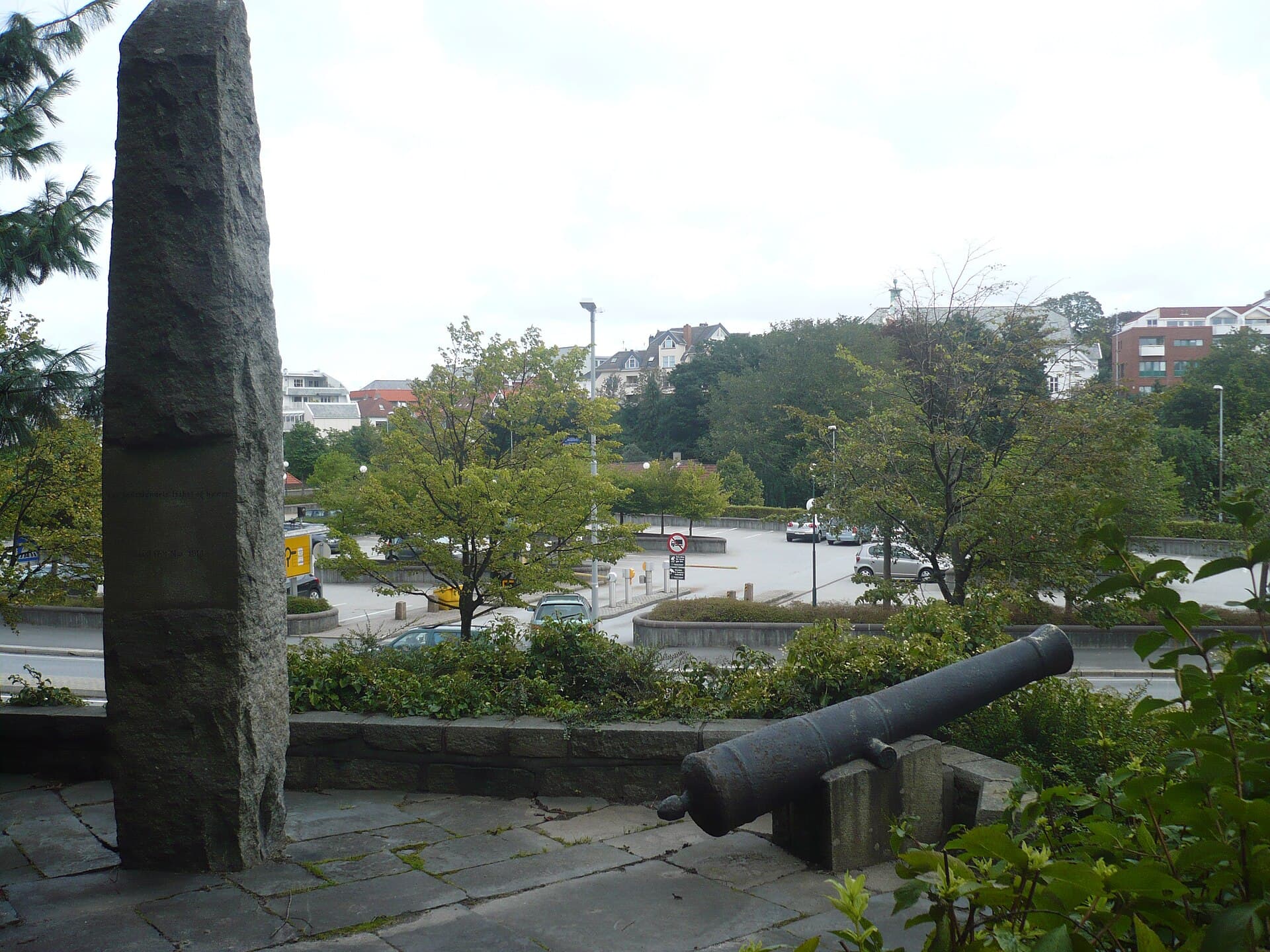 MuseumsparkenA small public park in central Stavanger, next to the main museum building and n3 minutes walk4.2
 Stavanger MuseumA museum organisation covering the history of Stavanger, operating across severa5 minutes walk4.4
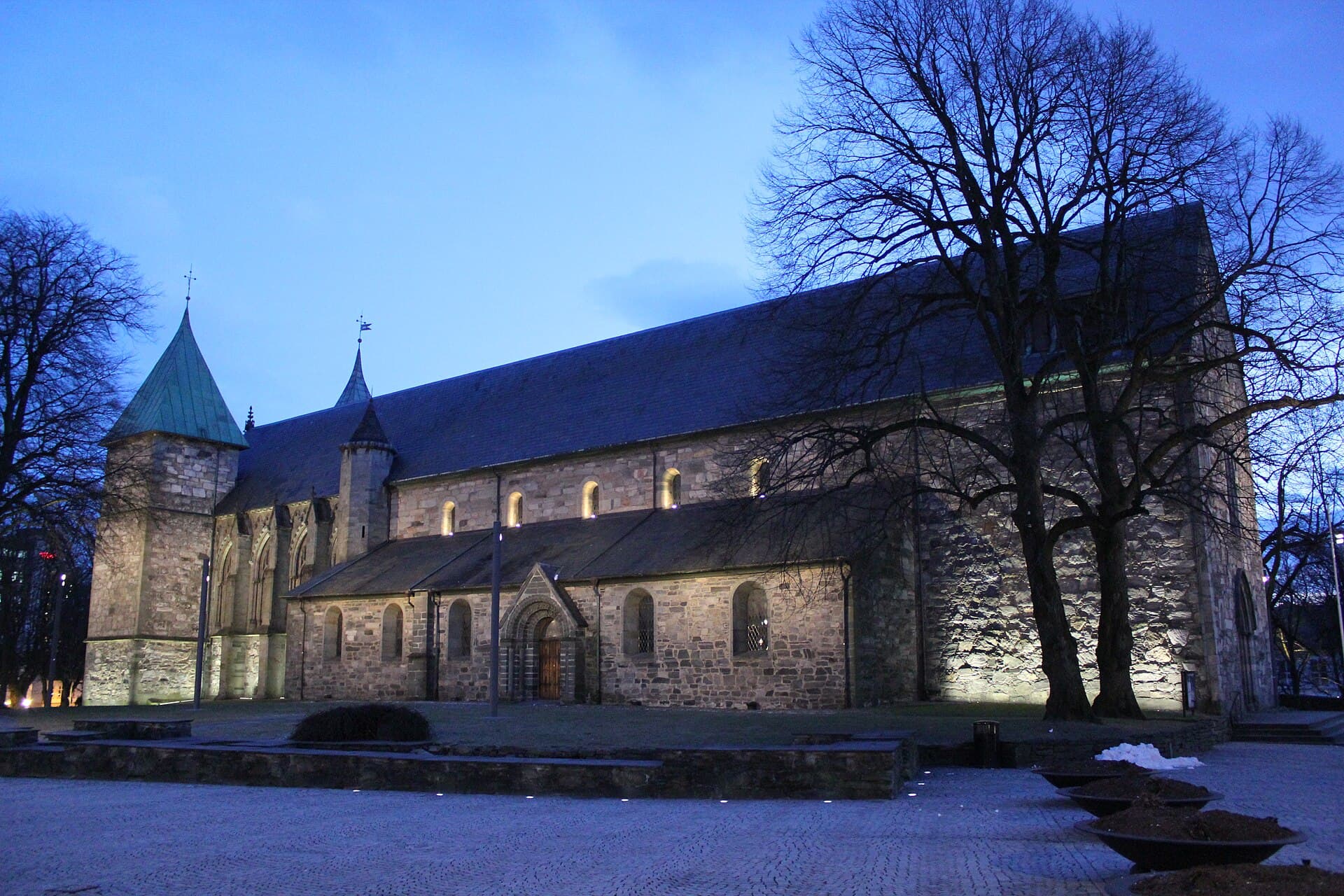 Stavanger CathedralStavanger Cathedral in the city centre, Norway's oldest cathedral and the one th9 minutes walk4.3
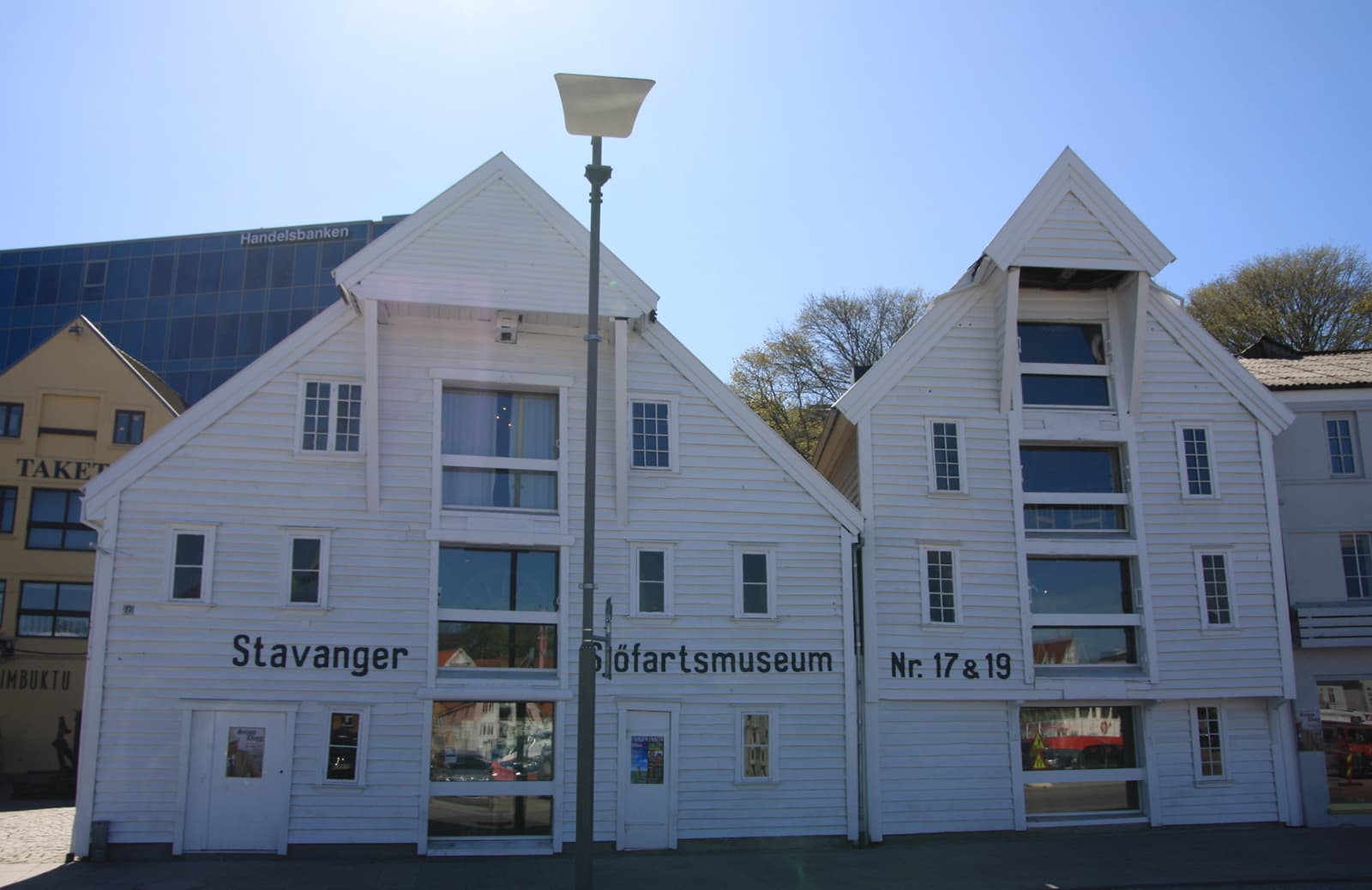 Stavanger Maritime MuseumA museum occupying two old merchant warehouses on the Vågen harbour quay in the 10 minutes walk4.4
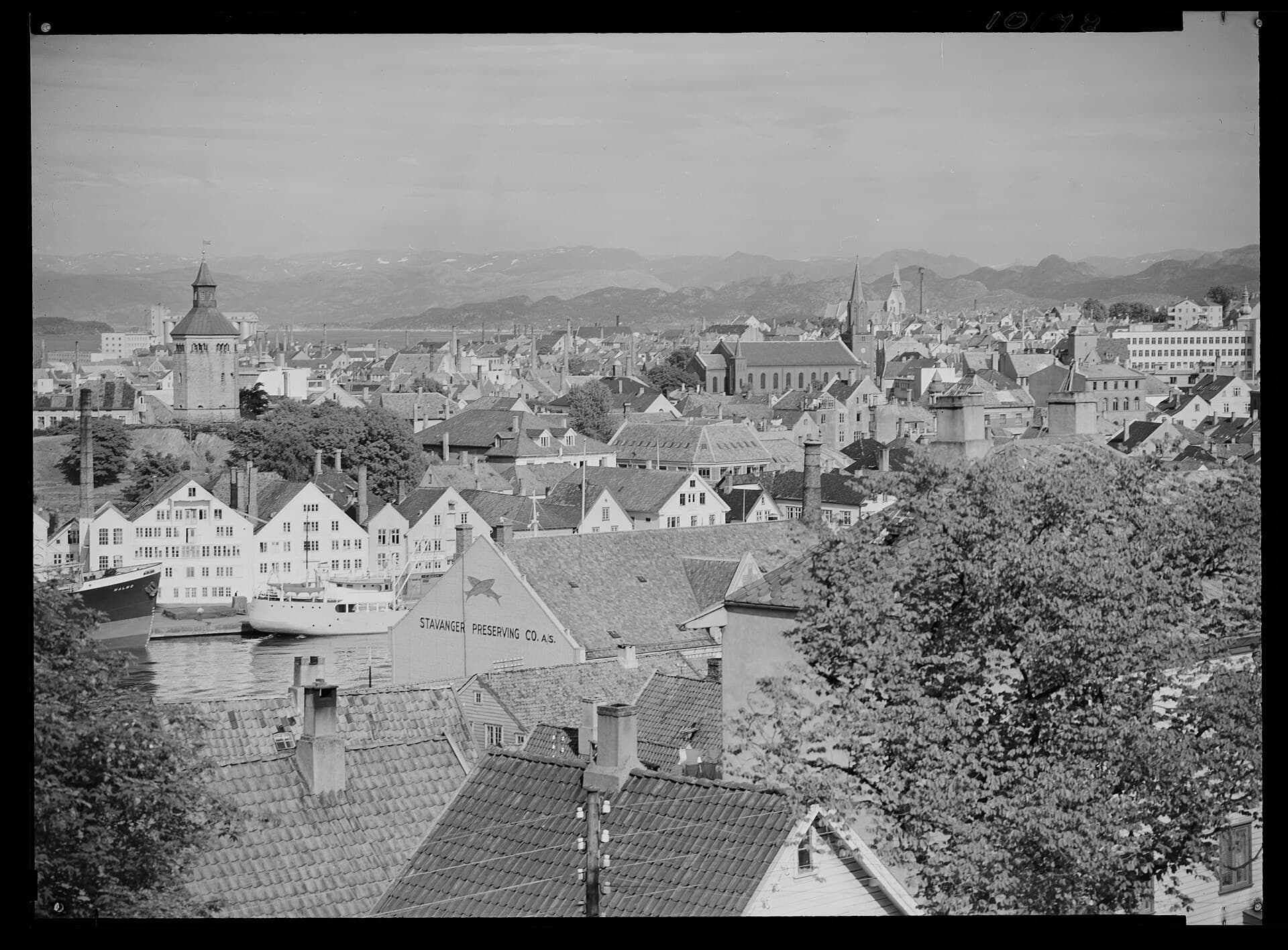 Valberg TowerValberg Tower is Stavanger's tangible fire-watch history: a fire lookout tower (12 minutes walk4.3
Before. The monument on the fjord is visually striking but carries no interpretation on site, and most visitors photograph it without knowing what it represents. The museum gives you the story so the monument reads as something rather than three swords in a rock.
With one day in the city before a Preikestolen or fjord trip, the white wooden town and the harbour come first. But on a rainy day, which is common here, the museum is among the best indoor options in the city.