
The canning museum
A real sardine factory preserved with its machinery, the best-known branch.
Jarvin Jarle Vines — CC BY-SA 3.0 · Zairon — CC BY-SA 3.0 · Zairon — CC BY-SA 3.0 · Zairon — CC BY-SA 3.0
A museum organisation covering the history of Stavanger, operating across several buildings in the city rather than one, among them the city history museum and specialist museums of canning, printing and maritime life. Stavanger's story is unusual and worth grasping: it was a small fishing town, then prospered in the nineteenth century on sardine canning that employed thousands, then that industry collapsed entirely, and then oil was found in the North Sea in the 1960s and the city became Norway's petroleum capital. Three completely different economies in a century and a half, each of which remade the city and its people. The museum explains that sequence, and the canning museum in particular is the best known because it occupies a real preserved factory with its machinery. A practical point: since the organisation is spread across several buildings with different hours, check which branch you want and where it is before setting out, as some are seasonal.
A real sardine factory preserved with its machinery, the best-known branch.
Fishing, canning, oil — each shift reshaped the city and its people.
It usually covers several branches and is better value if you plan more than one.
Central Stavanger
 Museum of Archaeology, StavangerAn archaeological museum belonging to the University of Stavanger, covering the 5 minutes walk4.3
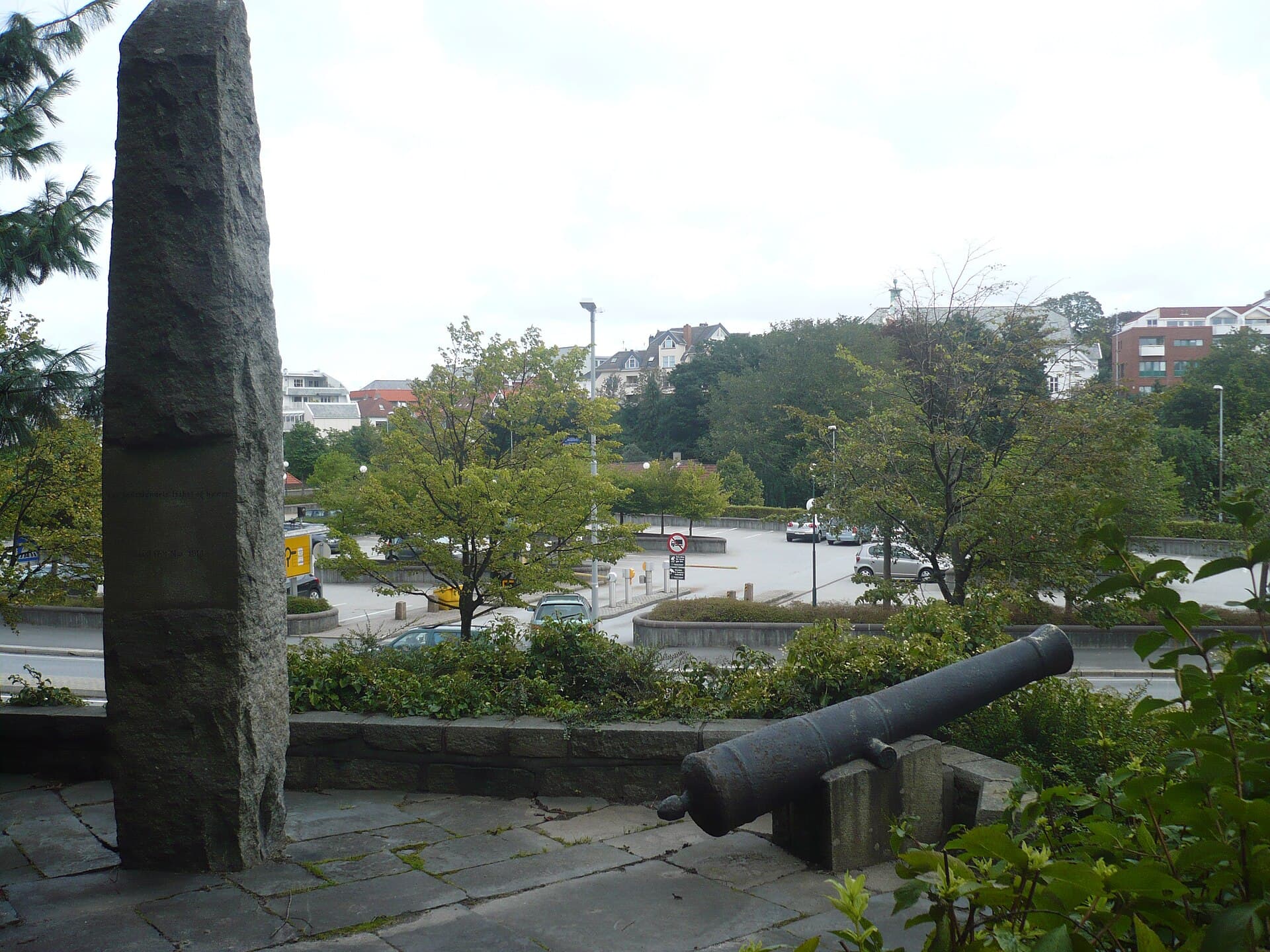 MuseumsparkenA small public park in central Stavanger, next to the main museum building and n6 minutes walk4.2
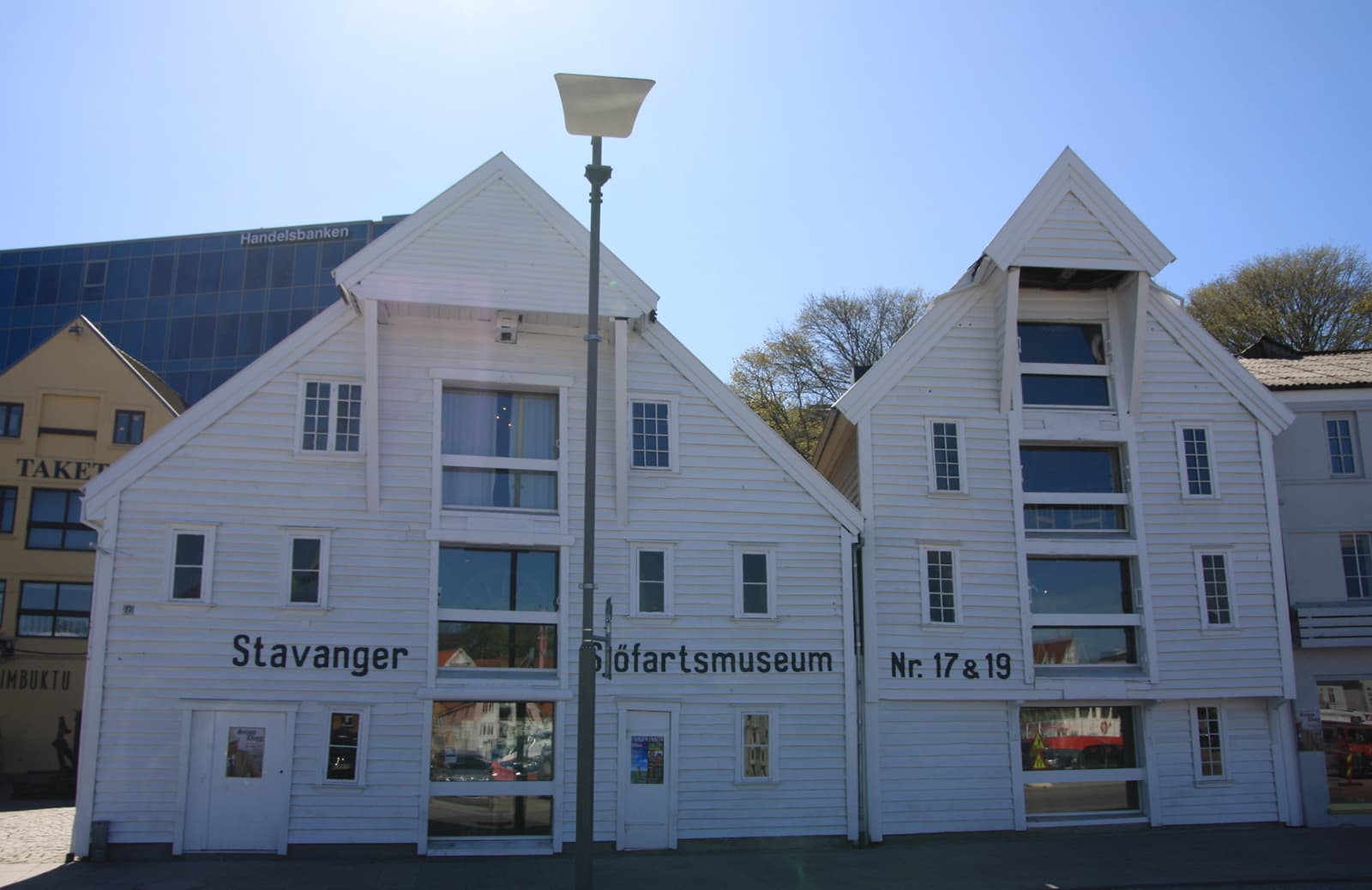 Stavanger Maritime MuseumA museum occupying two old merchant warehouses on the Vågen harbour quay in the 6 minutes walk4.4
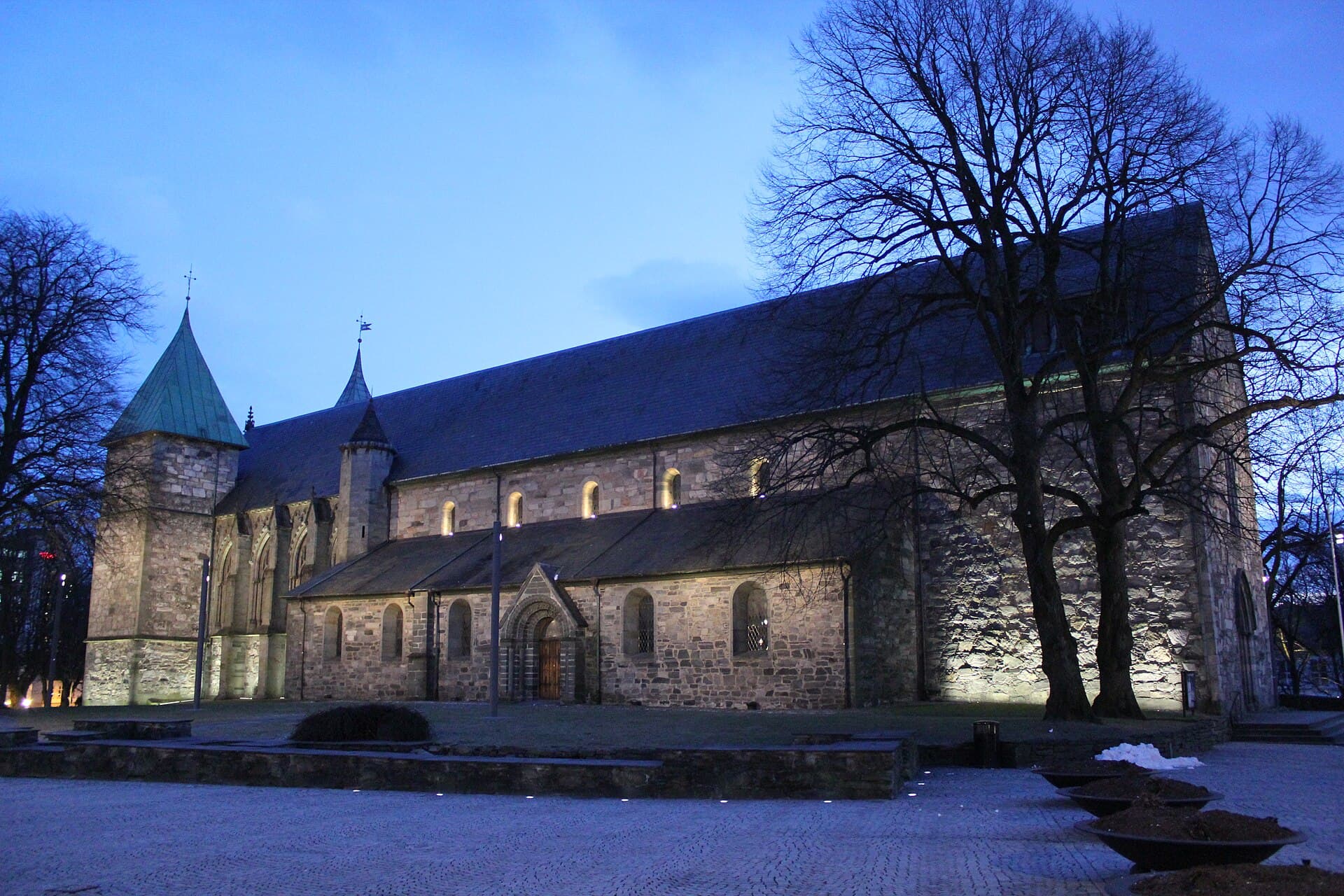 Stavanger CathedralStavanger Cathedral in the city centre, Norway's oldest cathedral and the one th7 minutes walk4.3
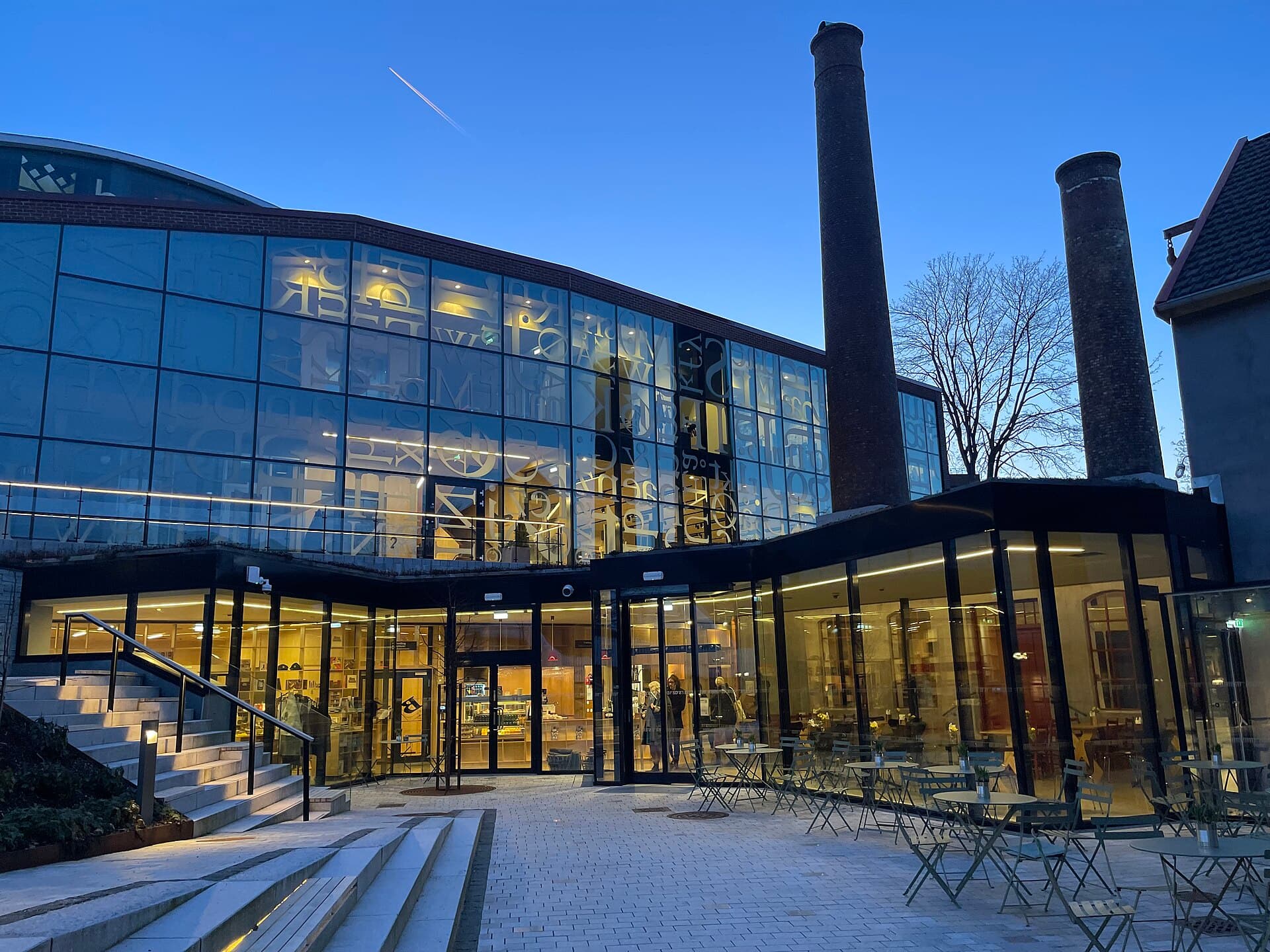 Norwegian Canning MuseumA real sardine cannery in Old Stavanger, kept as it was and opened as a museum e8 minutes walk4.5
The canning museum is the clearest and most distinctive: a real factory with its machinery explaining the industry that built the city before oil. If oil itself is your interest, the Norwegian Petroleum Museum is a separate institution on the waterfront and not part of this group.
For a general understanding, yes. But the organisation spans buildings some distance apart, so seeing several branches needs planning and time. Check the locations and hours first and pick at most two in a day.