
The warehouses themselves
Two original buildings with the hoisting arrangement between floors as it was.
Jarvin Jarle Vines — CC BY-SA 3.0 · Olaf Meister — CC BY-SA 4.0 · Mia1964 — CC BY-SA 4.0 · Daderot — Public domain
A museum occupying two old merchant warehouses on the Vågen harbour quay in the heart of Stavanger, covering two hundred years of the town's shipping and sea trade. The buildings are part of the exhibit: nineteenth-century timber and stone warehouses fronting the quay and backing onto the street, in which goods were hoisted between floors exactly as you see now. The displays cover the timber, fish and salt trades, the life of sailors, and the shipping companies that started from this harbour. A grocer's shop and a shipping office from the turn of the twentieth century have been rebuilt inside in full detail. The museum is mid-sized and emphatically local; it is not a vast national maritime collection. Its value is that it stands where the story happened: you step out of the door onto the very quay the ships tied up against. It is usually visited with the canning museum on the combined Stavanger ticket, and the two together give the picture of the town before oil.
Two original buildings with the hoisting arrangement between floors as it was.
A grocer's and a shipping office from around 1900, rebuilt in full detail.
The two together give the picture of Stavanger before oil was found.
Old warehouses on the Vågen harbour quay
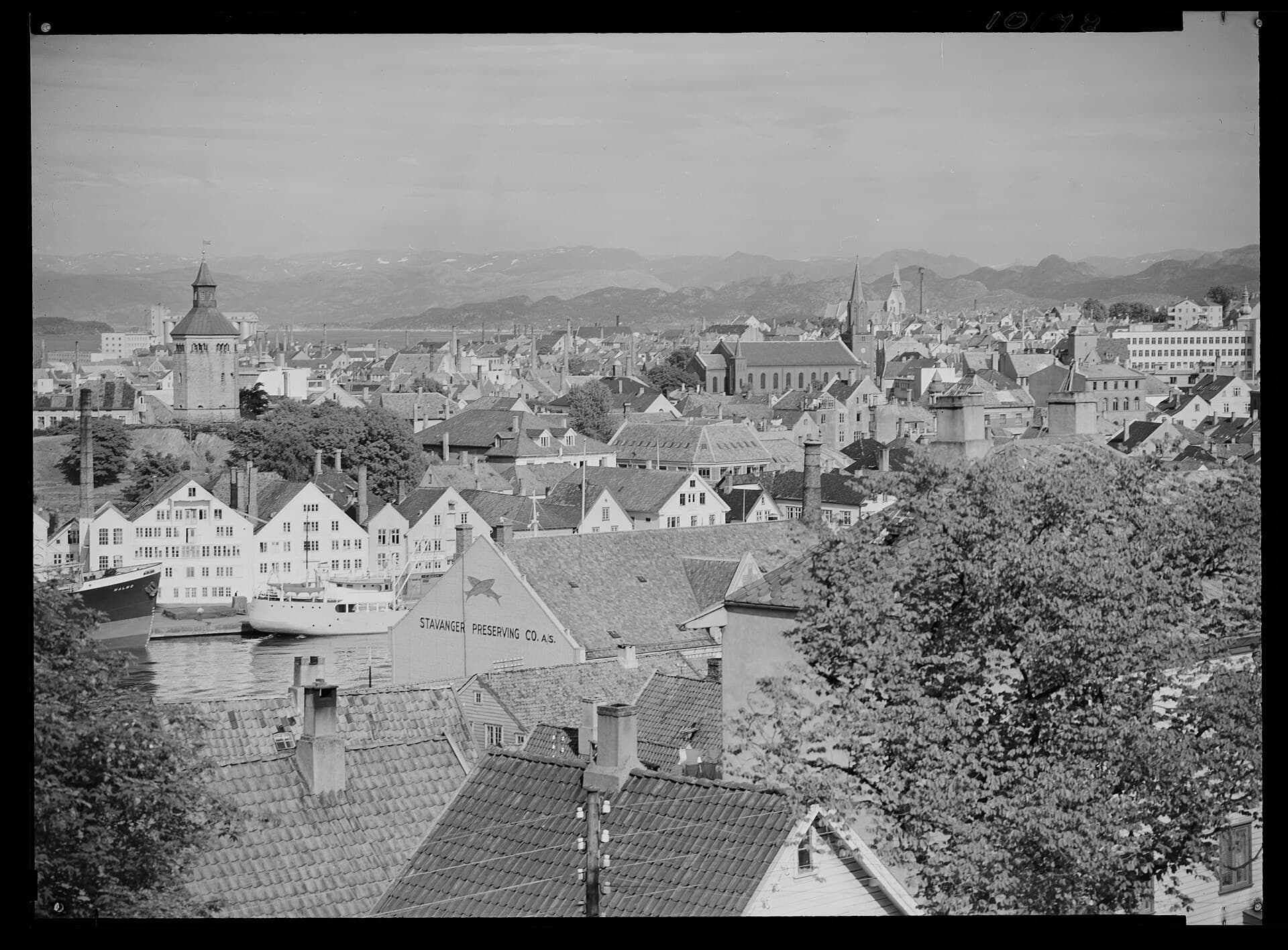 Valberg TowerValberg Tower is Stavanger's tangible fire-watch history: a fire lookout tower (3 minutes walk4.3
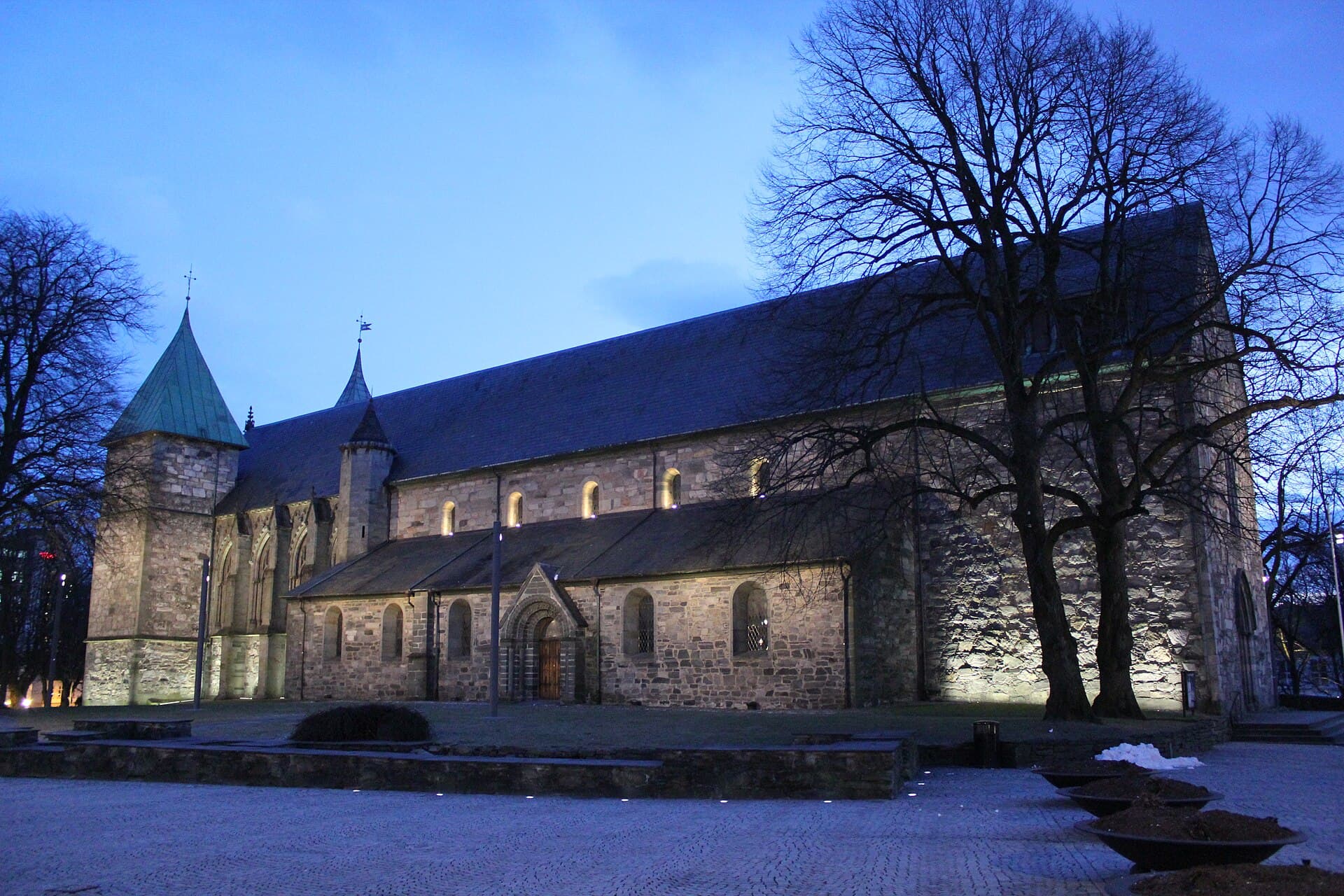 Stavanger CathedralStavanger Cathedral in the city centre, Norway's oldest cathedral and the one th3 minutes walk4.3
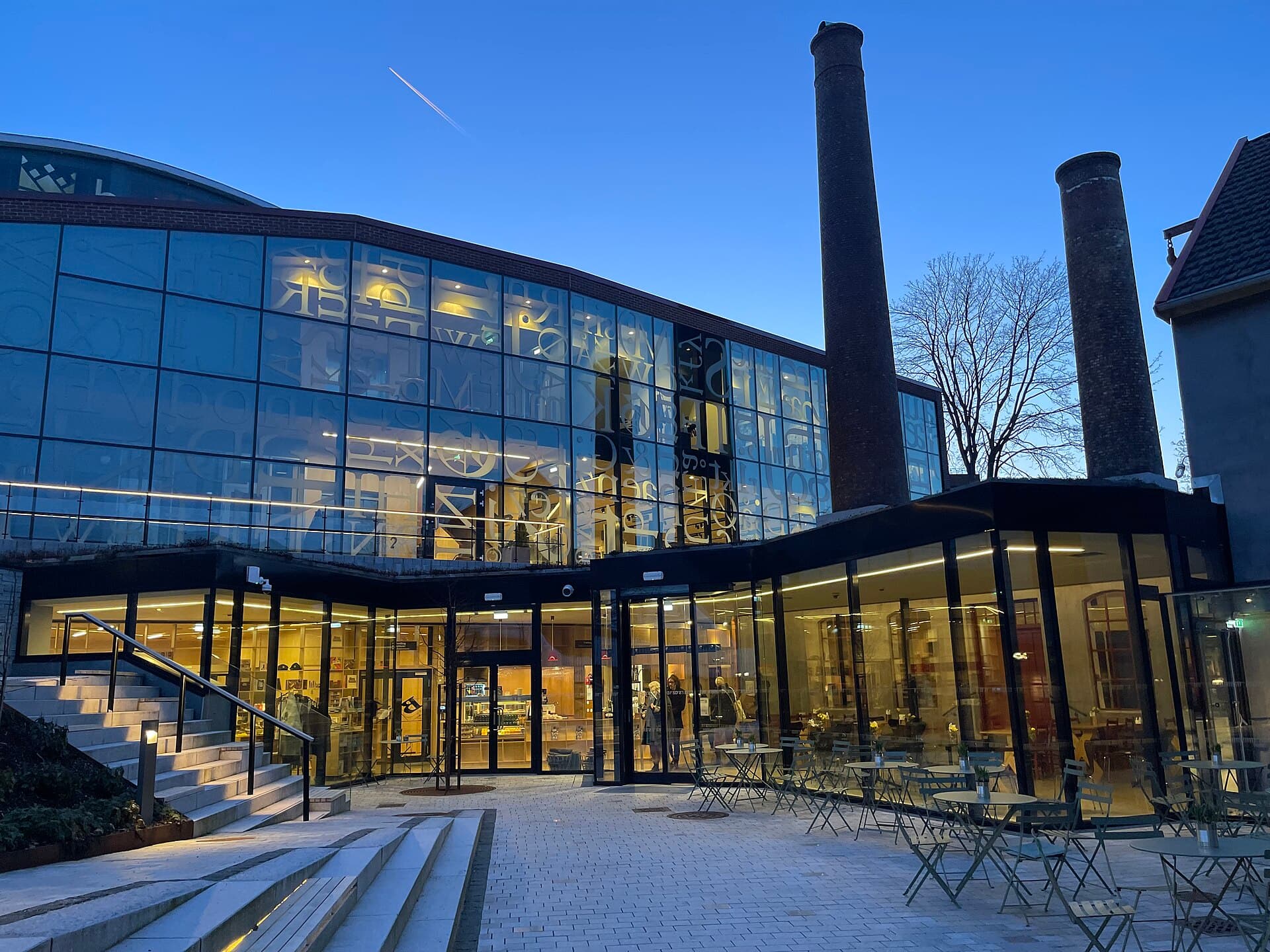 Norwegian Canning MuseumA real sardine cannery in Old Stavanger, kept as it was and opened as a museum e4 minutes walk4.5
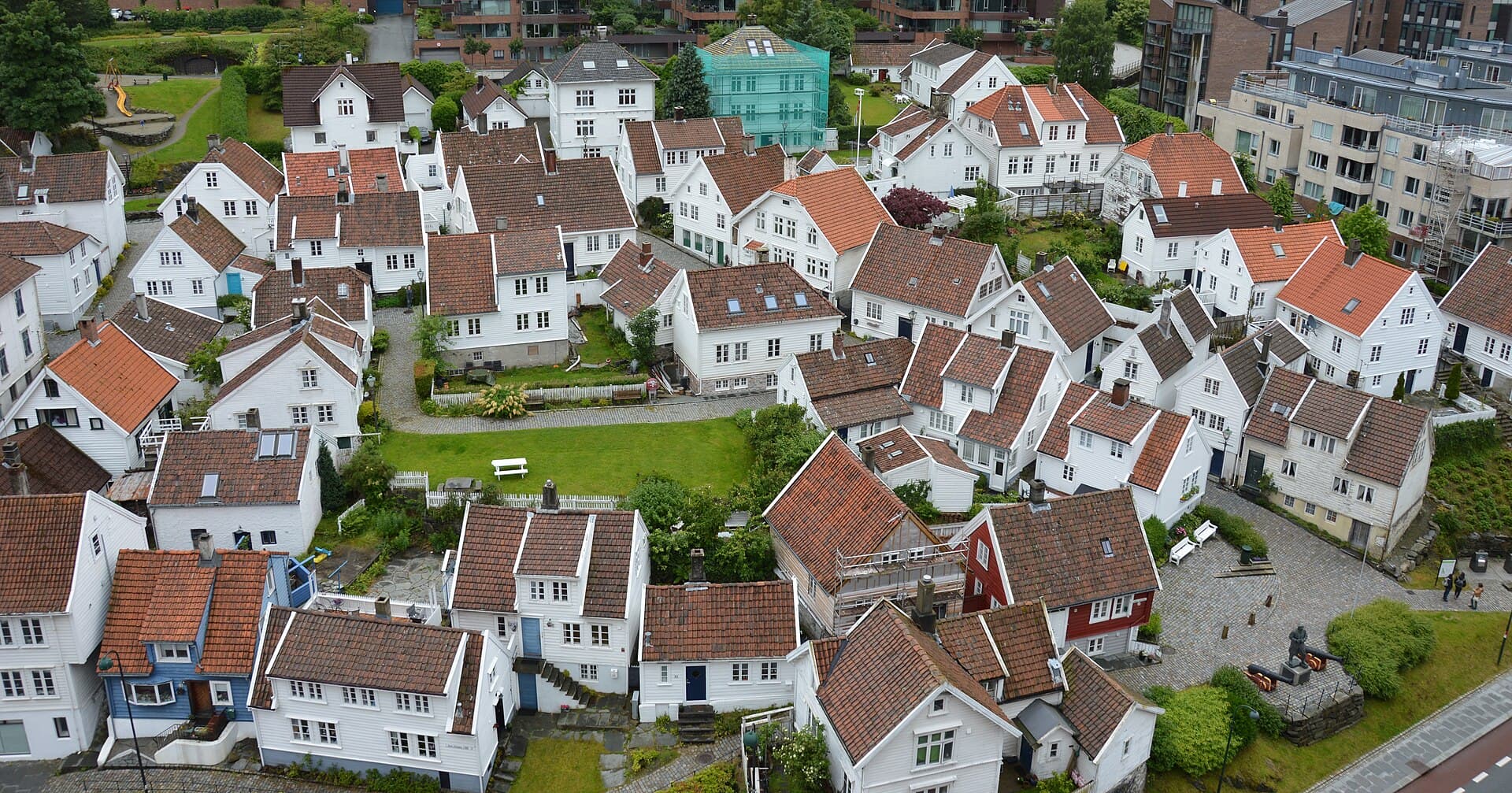 Gamle Stavanger — the Old White TownGamle Stavanger is Northern Europe's largest preserved cluster of white wooden h4 minutes walk4.6
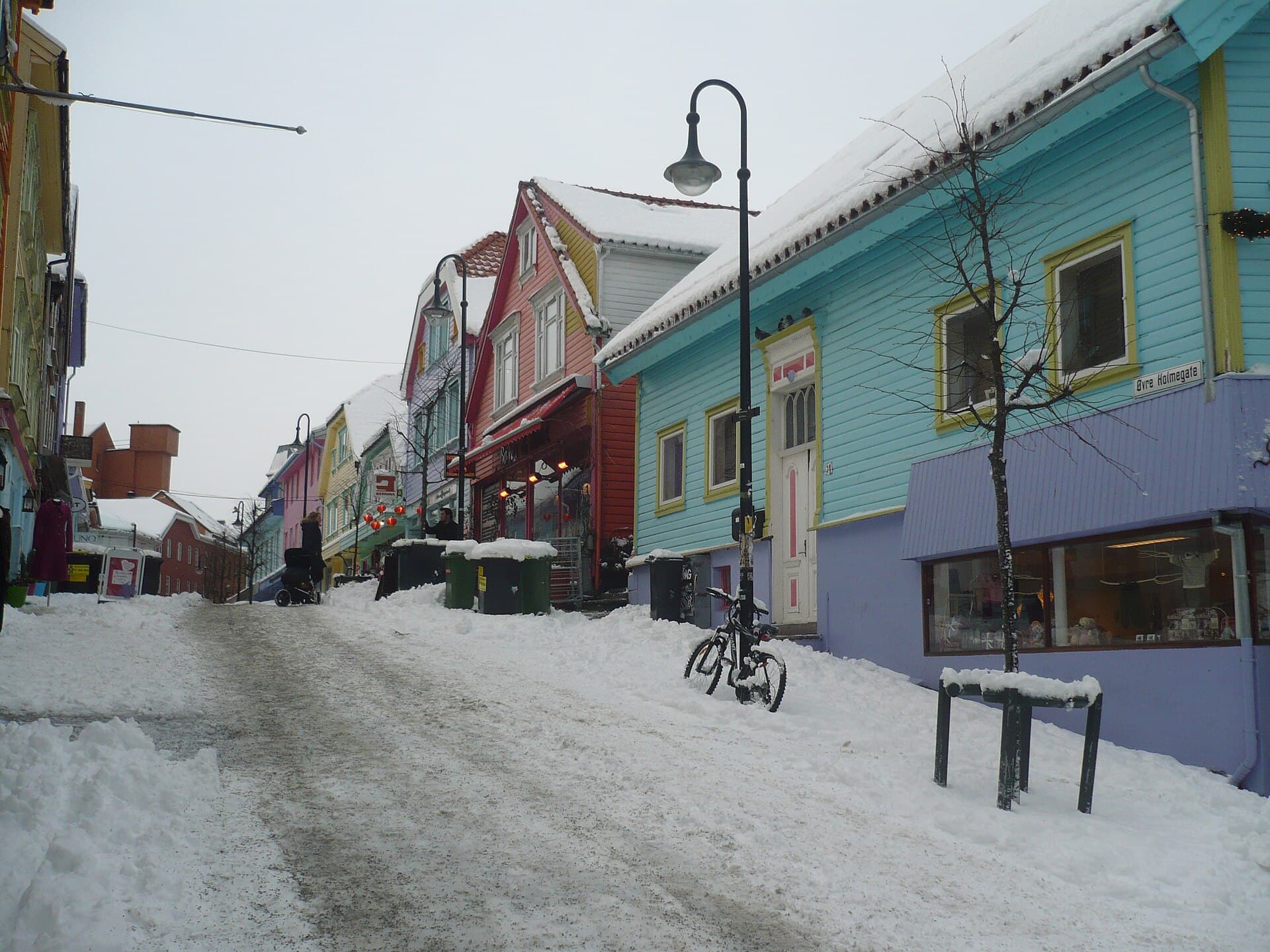 Fargegaten — the Colour StreetFargegaten — literally the Colour Street — is the former Øvre Holmegate: a modes4 minutes walk4.6
Yes if you want to understand Stavanger before oil, and the combined ticket makes both cheaper than two entries. If you have only one day, the canning museum is the more distinctive and unusual of the two, while this is closer to a good conventional town museum.
Partly. The rebuilt sections — the shop and the shipping office — hold children's attention better than the panels and documents. It is not interactive enough to keep a young child busy for a full hour, but it is small enough that the visit is never long.