
Stone tablets
Like a forest.
Sarahshine — CC BY-SA 4.0 · Aaron Zhu — CC BY-SA 3.0 · Kcx36 — CC BY-SA 4.0 · Kcx36 — CC BY-SA 4.0 · Ennxu — CC BY-SA 4.0 · Kcx36 — CC BY-SA 4.0 · Hiroshi Miyazaki from Tokyo, Japan — CC BY 2.0 · Laurent Bélanger — CC BY-SA 4.0
A unique museum of inscribed stone tablets and sculpture, called the «Forest of Steles» because so many tablets stand in its halls like trees; the core of the collection goes back to 1087, when it was gathered at the Confucian temple and the old prefectural school. Its halls keep texts and sculptures from the Han to the Qing, including the Confucian classics carved in full on stone, masterpieces of Chinese calligraphy by its greatest masters and historic inscriptions recording exchanges between civilisations along the Silk Road. Lovers of calligraphy adore it, as they can see the different styles of Chinese script finely carved and watch craftsmen take rubbings of the inscriptions in the traditional way; the museum stands near the wall's South Gate. Entry is ticketed; figures and the weekly closing day vary between visitor guides, so check before you go. It pairs well with the old Culture Street next door, with its shops of brushes, ink and paper.
Like a forest.
The old way.
Next door.
Beilin District, inside the south city wall, Xi'an
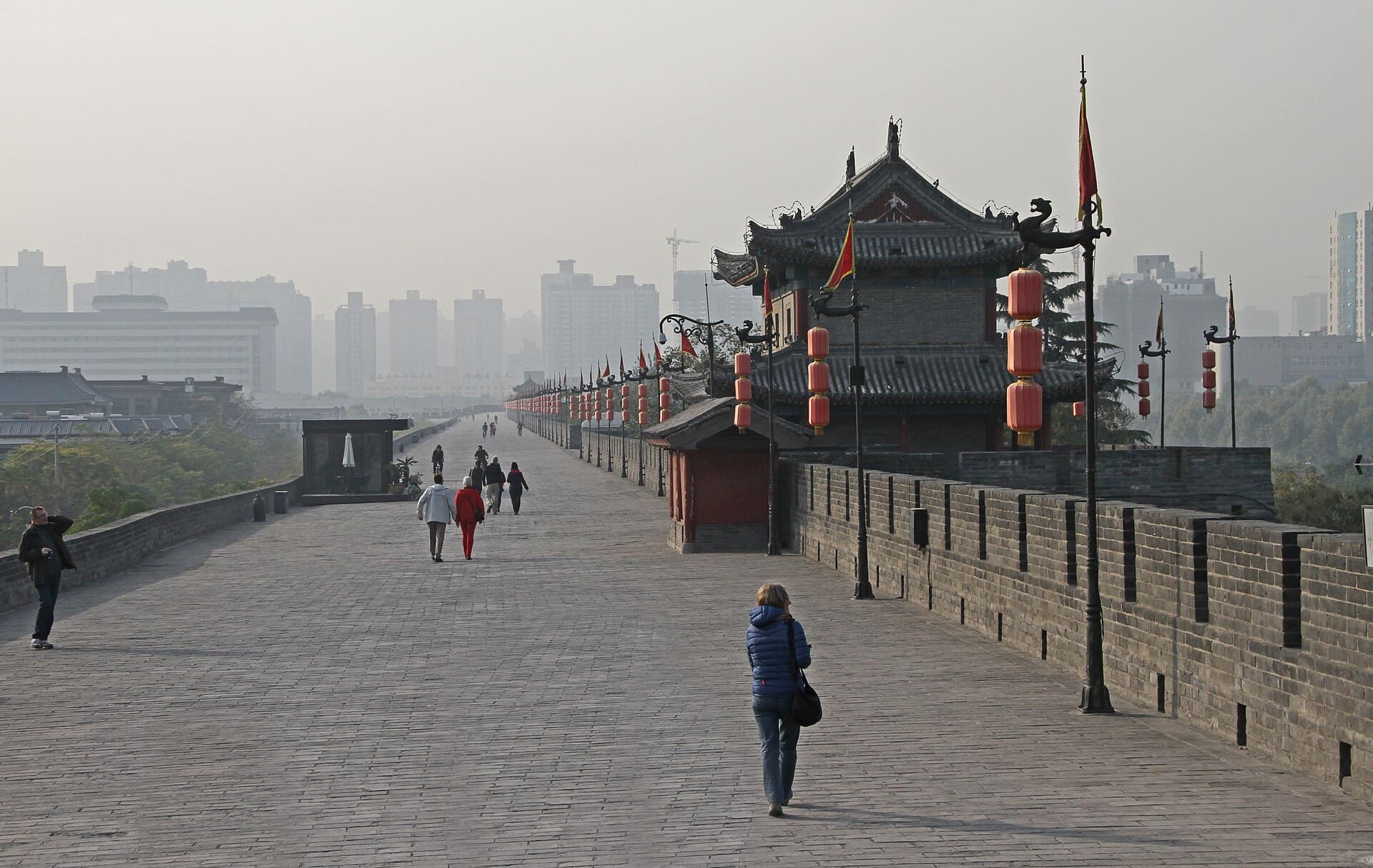 Xi'an City WallOne of the oldest, largest and best-preserved Chinese city walls, built under th8 minutes walk4.7
 Bell Tower of Xi'anXi'an's best-known symbol, a massive brick-and-timber tower built in 1384 in the10 minutes walk4.4
 Muslim QuarterA historic quarter in the heart of old Xi'an, right behind the Drum Tower, home 12 minutes walk4.3
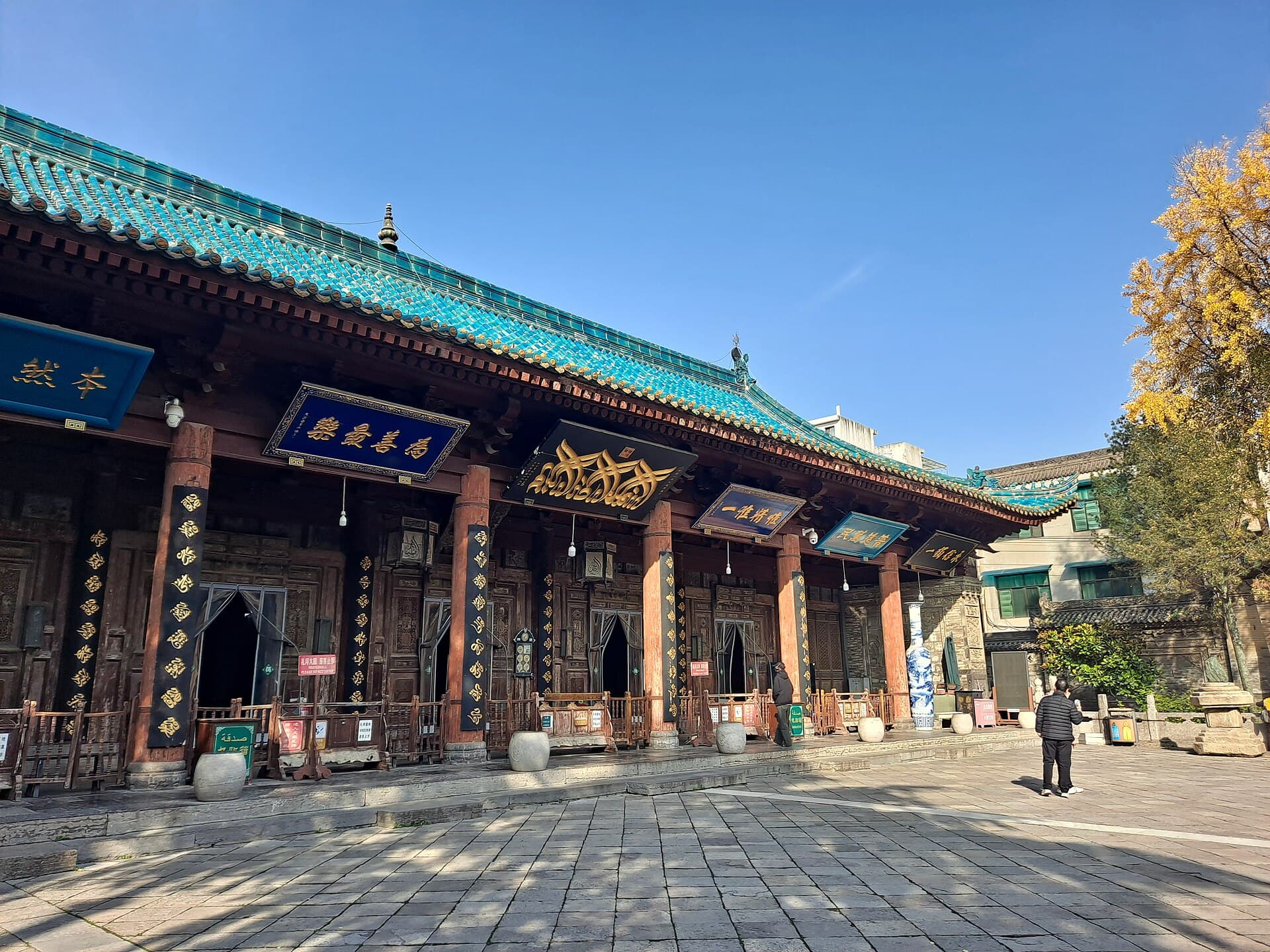 Great Mosque of Xi'anOne of China's largest and oldest historic mosques, at the eastern end of Xi'an'17 minutes walk4.5
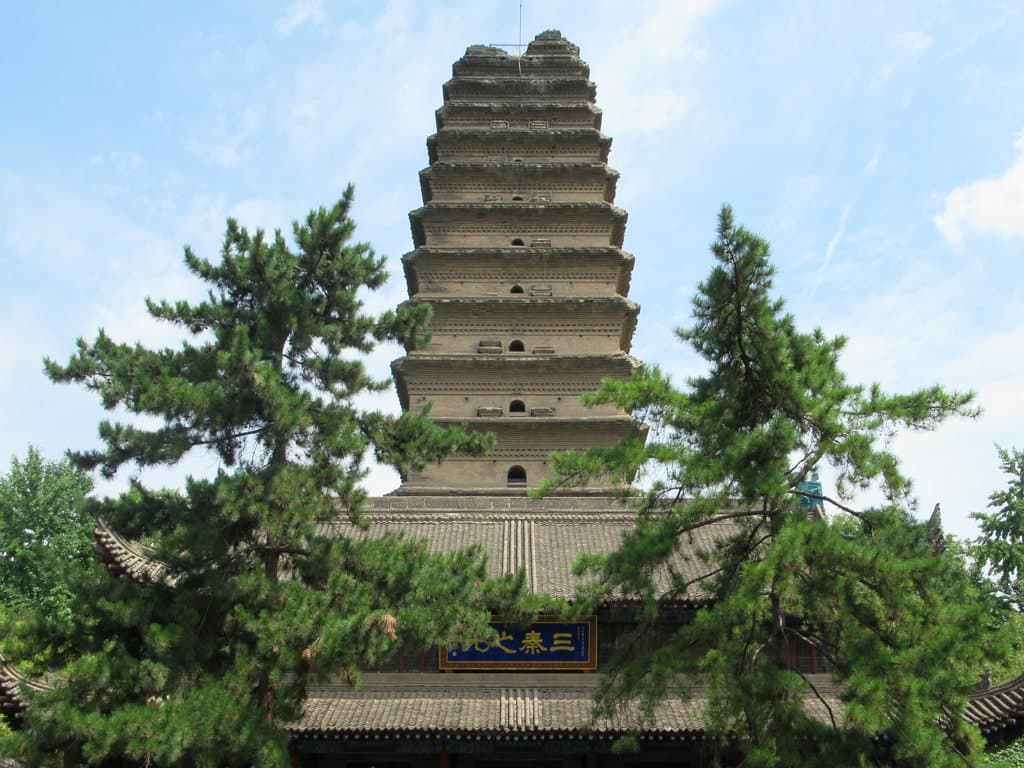 Small Wild Goose PagodaA Tang-dynasty brick pagoda built between 707 and 709 when the city, then Chang'24 minutes walk4.7
Because so many inscribed stone tablets stand in its halls like trees; the collection's core dates back to 1087.