
Yangrou paomo
Mutton soup.
Qianeal — CC BY-SA 4.0 · chensiyuan — CC BY-SA 4.0 · Acstar — CC BY-SA 3.0 · thierrytutin — CC BY 2.0 · thierrytutin — CC BY 2.0 · thierrytutin — CC BY 2.0 · thierrytutin — CC BY 2.0 · Preston Rhea from Washington, DC, USA — CC BY-SA 2.0
A historic quarter in the heart of old Xi'an, right behind the Drum Tower, home for centuries to China's Hui Muslims, descendants of Arab and Persian traders who arrived along the Silk Road when Xi'an, then Chang'an, was China's capital and the road's eastern end. Lively narrow lanes branch through it, the best known being Beiyuanmen Street, lined with halal restaurants and food stalls, bakeries and sweet shops, spice and dried-fruit sellers, with small mosques among them, the oldest being the Great Mosque. Its signature dishes are yangrou paomo, a mutton soup with crumbled bread, skewered kebabs, braised beef, hand-pulled noodles and sticky rice sweets, which make it a paradise for halal food in China. Wandering is free, and the quarter is at its liveliest in the evening when the shops light up and crowds fill the lanes. Food is mostly halal, but look for the «halal» sign in Arabic or Chinese, and watch your belongings in the crowds.
Mutton soup.
On skewers.
After dark.
North of the Drum Tower, old Xi'an
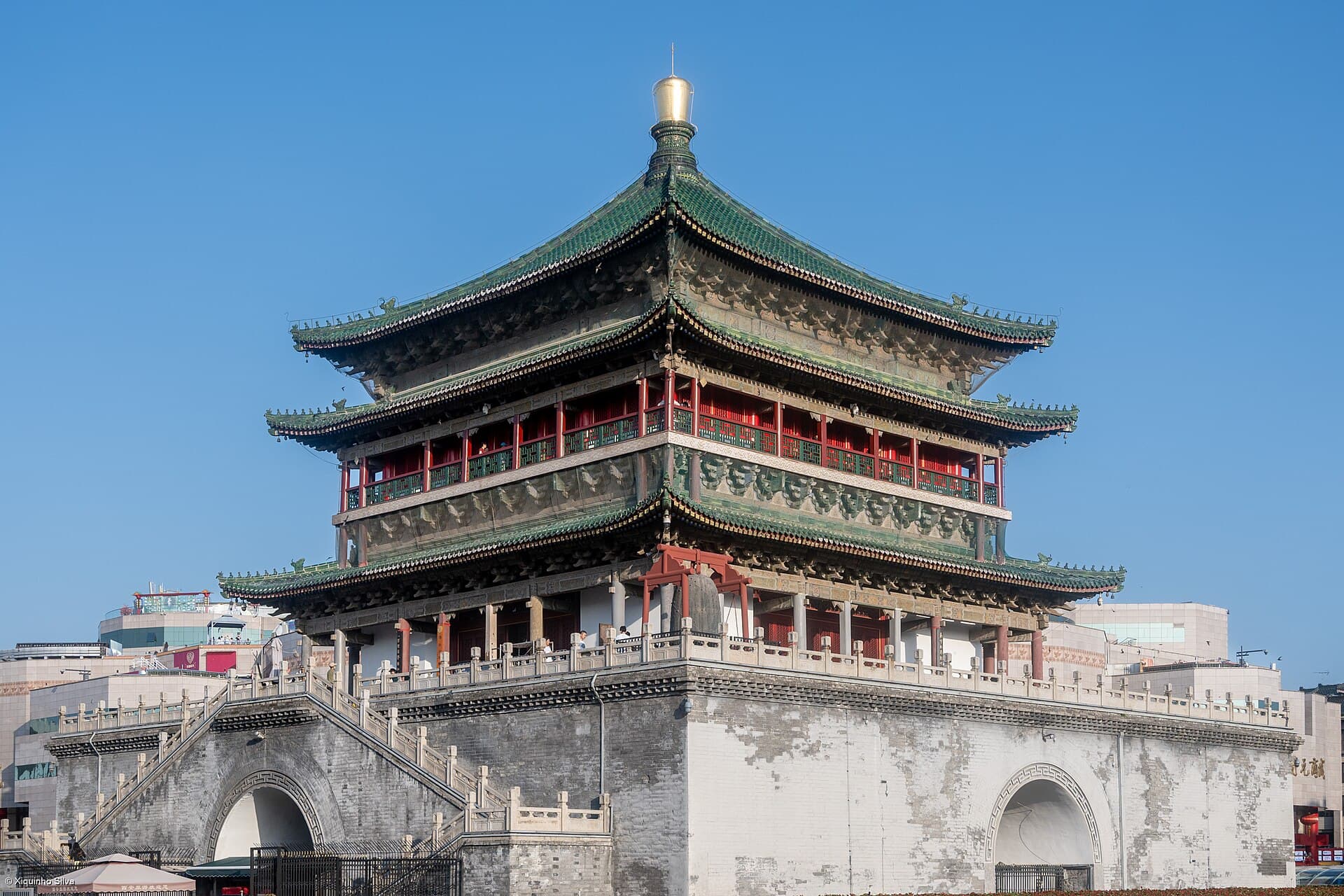 Bell Tower of Xi'anXi'an's best-known symbol, a massive brick-and-timber tower built in 1384 in the2 minutes walk4.4
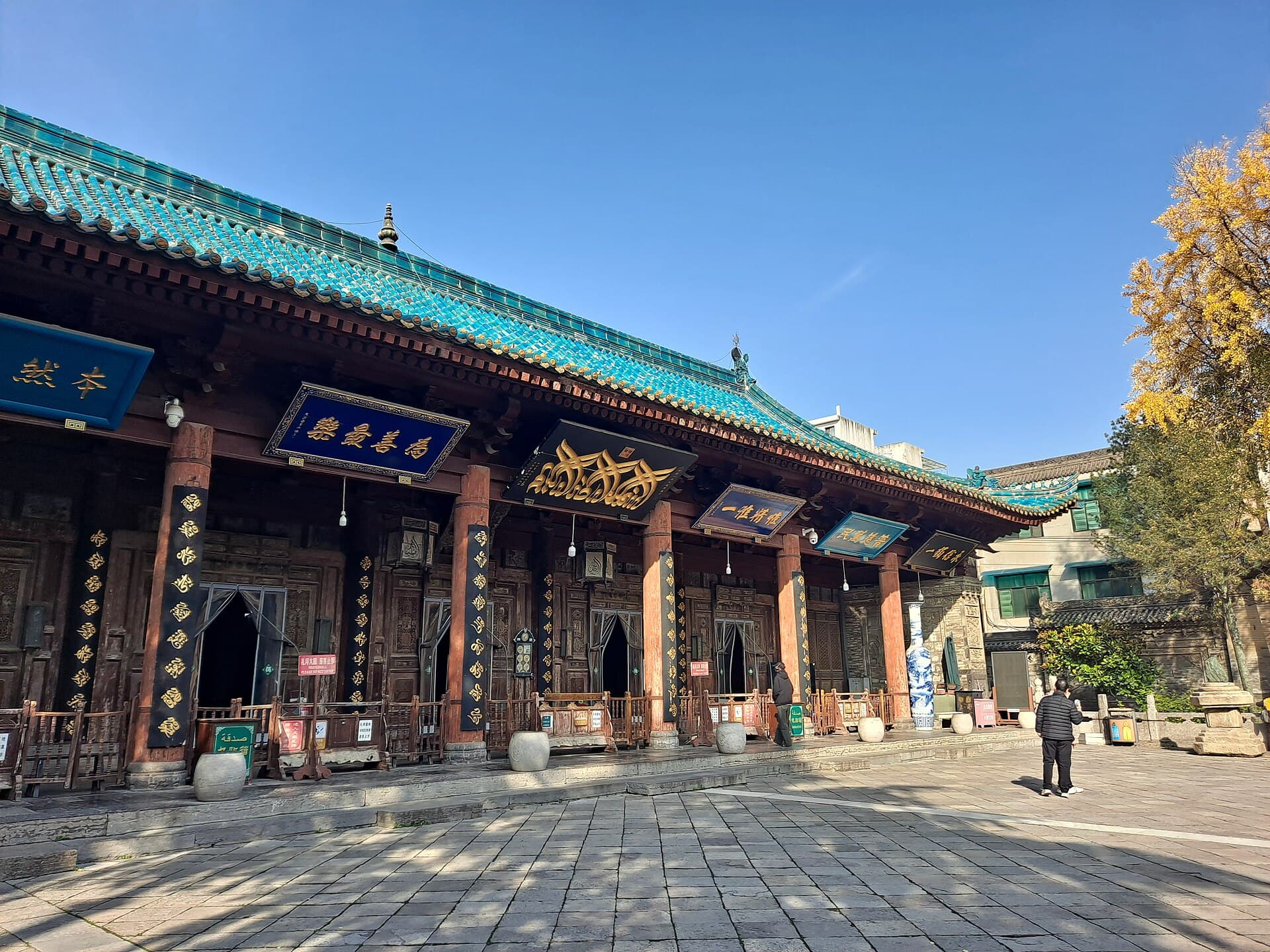 Great Mosque of Xi'anOne of China's largest and oldest historic mosques, at the eastern end of Xi'an'5 minutes walk4.5
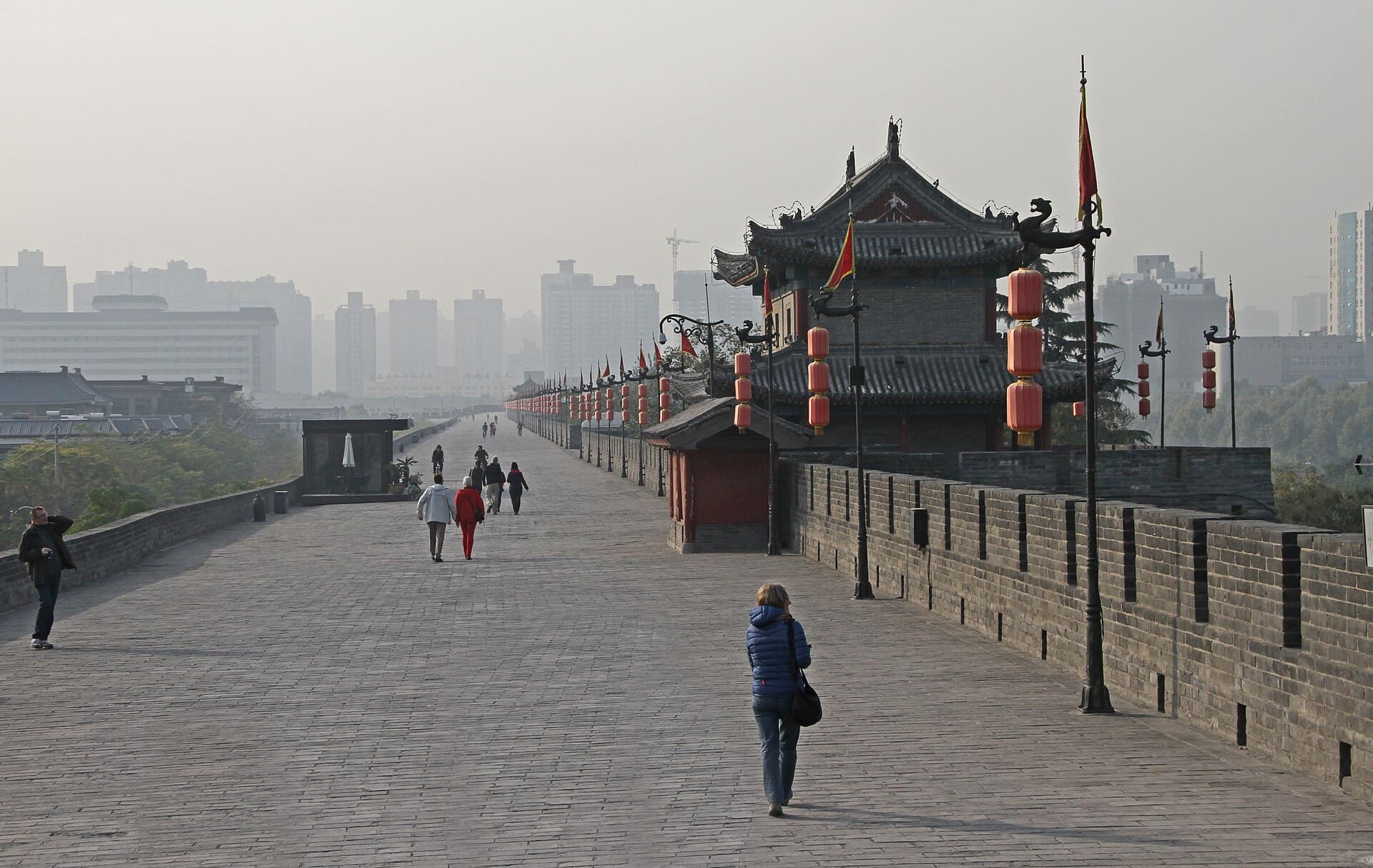 Xi'an City WallOne of the oldest, largest and best-preserved Chinese city walls, built under th11 minutes walk4.7
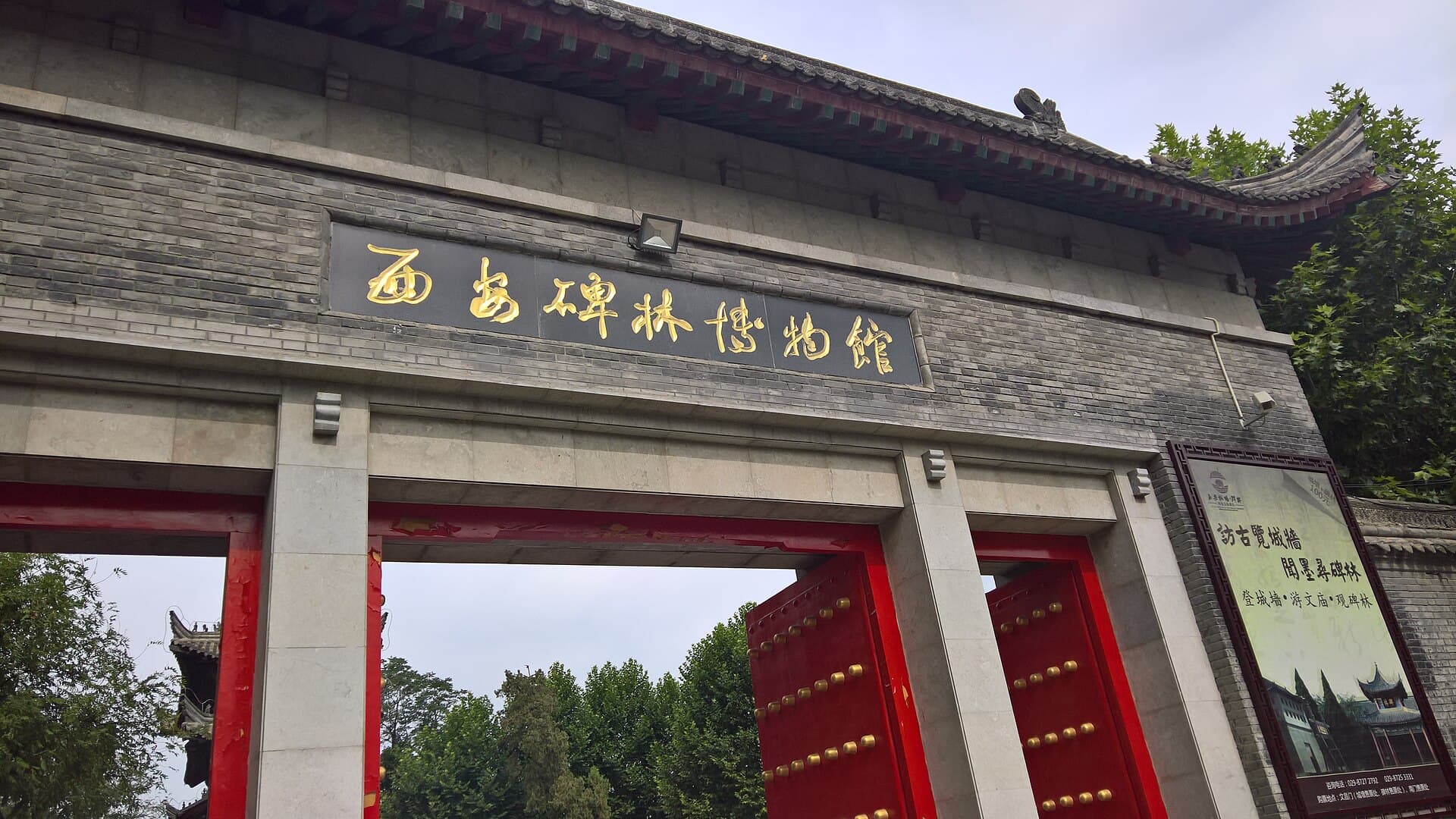 Stele Forest MuseumA unique museum of inscribed stone tablets and sculpture, called the «Forest of 12 minutes walk4.3
Mostly yes, as Hui Muslims have lived here for centuries, but look for the «halal» sign in Arabic or Chinese on each shop.