
A thousand years in order
From a village on an island to the modern city.
Arild Vågen — CC BY-SA 4.0 · Arild Vågen — CC BY-SA 4.0 · Frankie Fouganthin — CC BY 4.0 · vice stadsingenjör Rudolf Brodin — CC BY-SA 3.0
The Stockholm City Museum occupies a seventeenth-century building at the foot of Södermalm, and it is the best place to understand the city before walking it — **and entry is free**, which is rare in Stockholm. The permanent exhibition, Stockholm 1000 Years, runs chronologically from a village on an island in the thirteenth century to the modern city. What sets it apart is that it does not tell the kings but **the people**: how they lived, what they paid, what they ate, where they slept, and what illnesses killed them. The sections that stay with you are the ones on poverty: the Södermalm districts of the nineteenth century when a third of infants died in their first year, and the wave of emigration to America that emptied Sweden of a million people between 1850 and 1930. The building was a courthouse, then a school, then a police headquarters. It was closed for years for restoration and reopened with a modern display. **Free**, and combined with a walk through Södermalm above it.
From a village on an island to the modern city.
A million Swedes left for America between 1850 and 1930.
Ryssgården 2, Södermalm, Stockholm
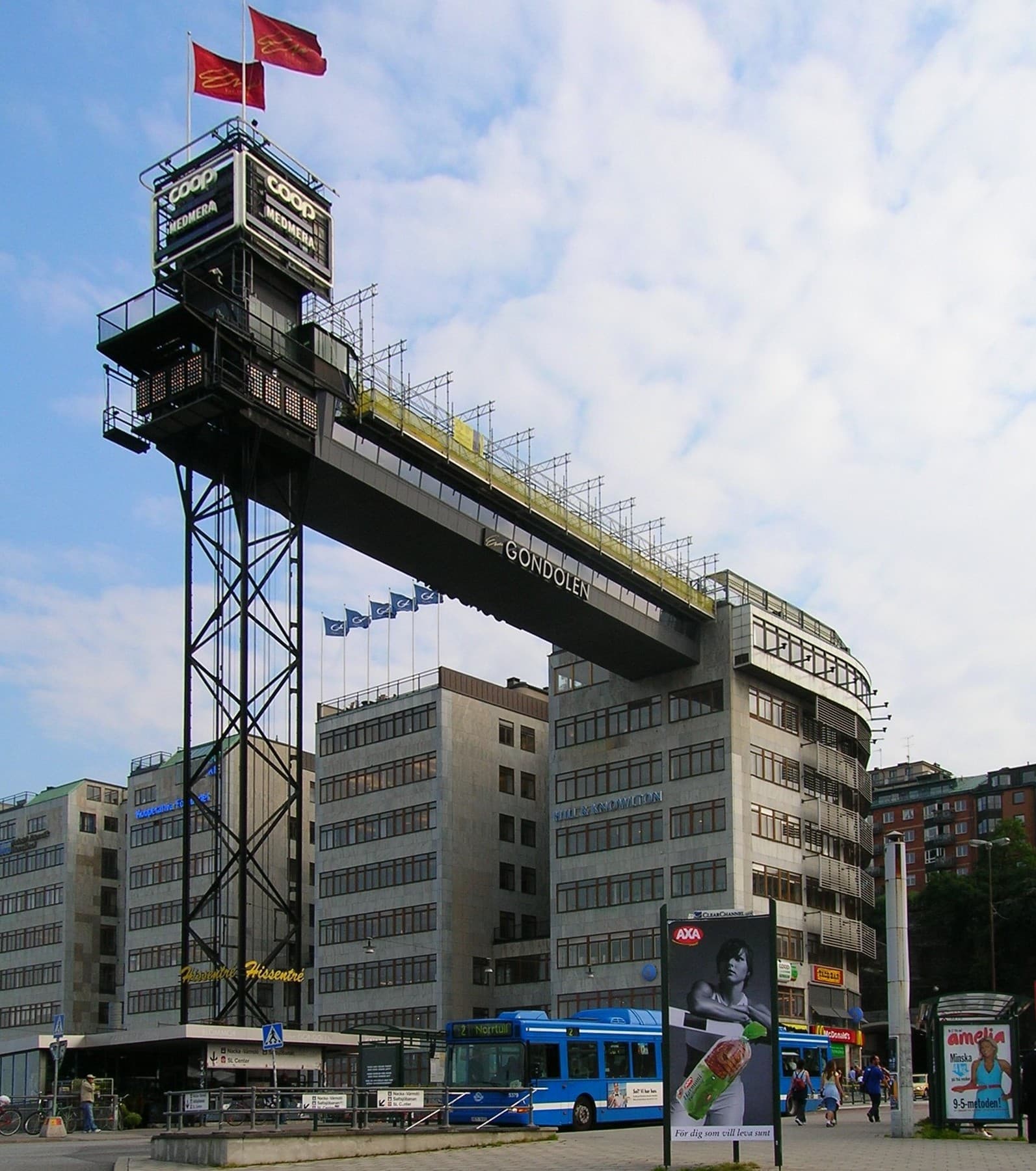 The Katarina ElevatorThe Katarina Elevator is an iron lift connecting Slussen harbour below with the 1 minute walk4.6
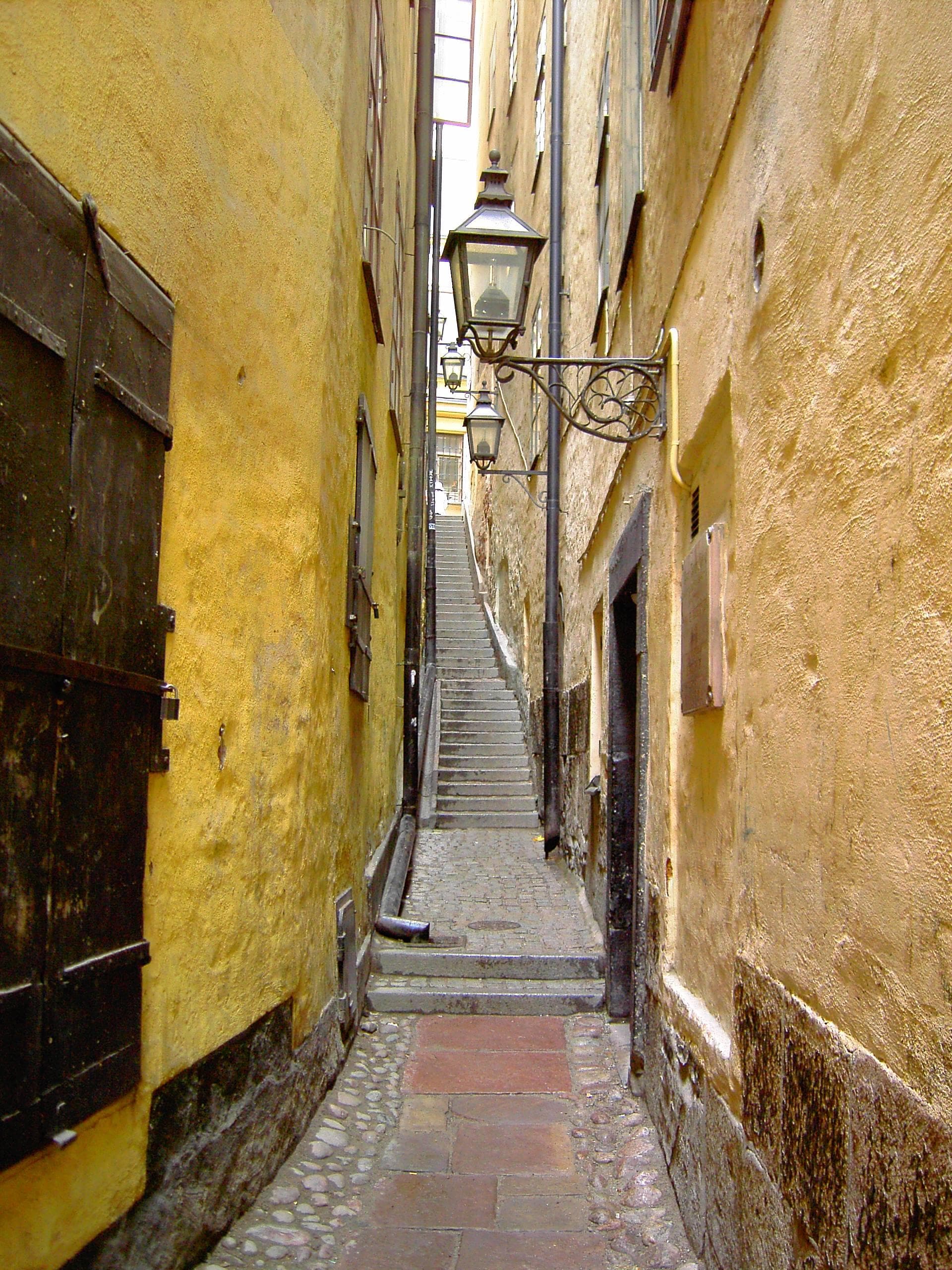 Marten Trotzigs GrandMarten Trotzigs Grand is Stockholm's narrowest street: just ninety centimetres a5 minutes walk4.5
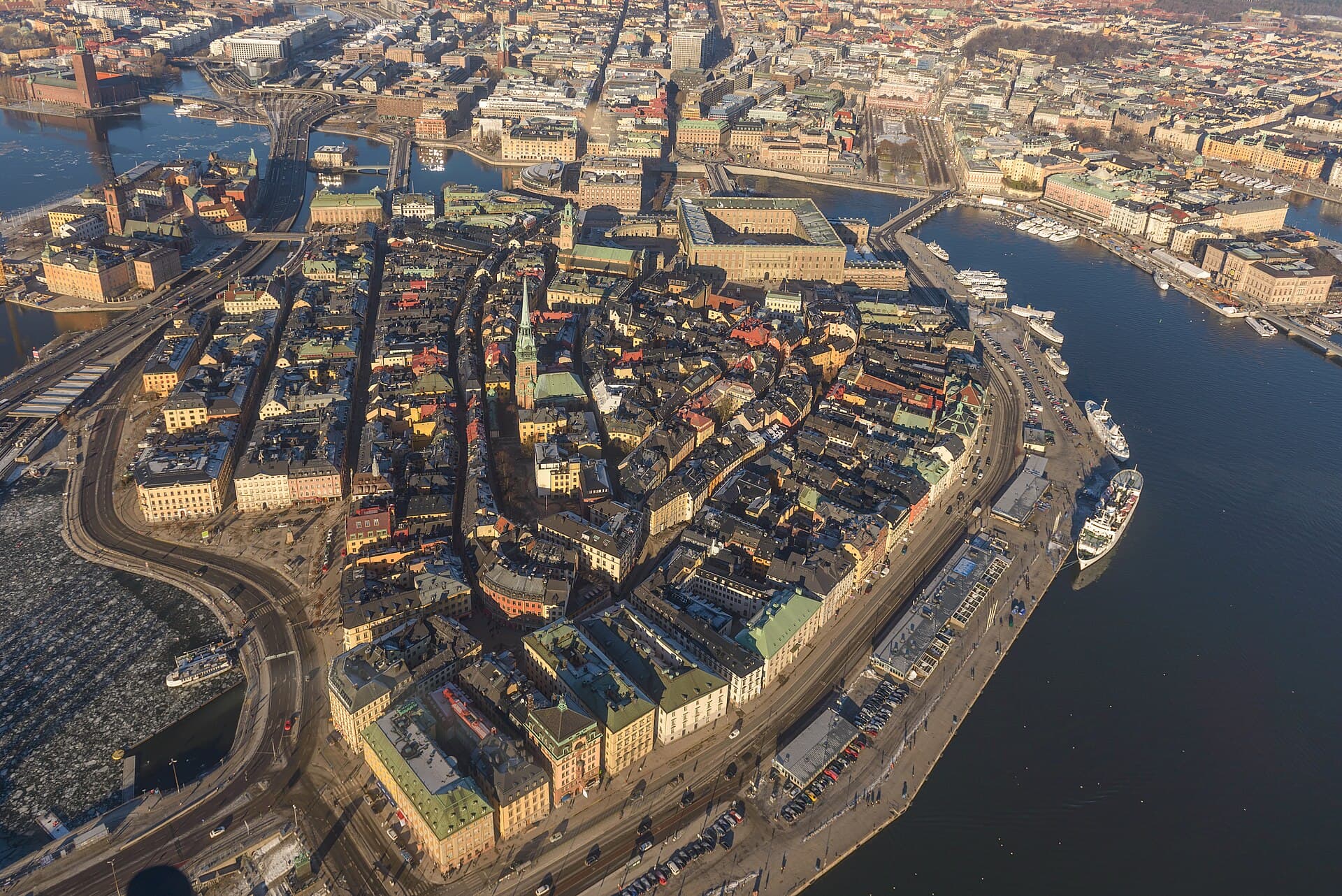 Gamla Stan (The Old Town)Gamla Stan is the nucleus from which Stockholm grew in the thirteenth century: a7 minutes walk
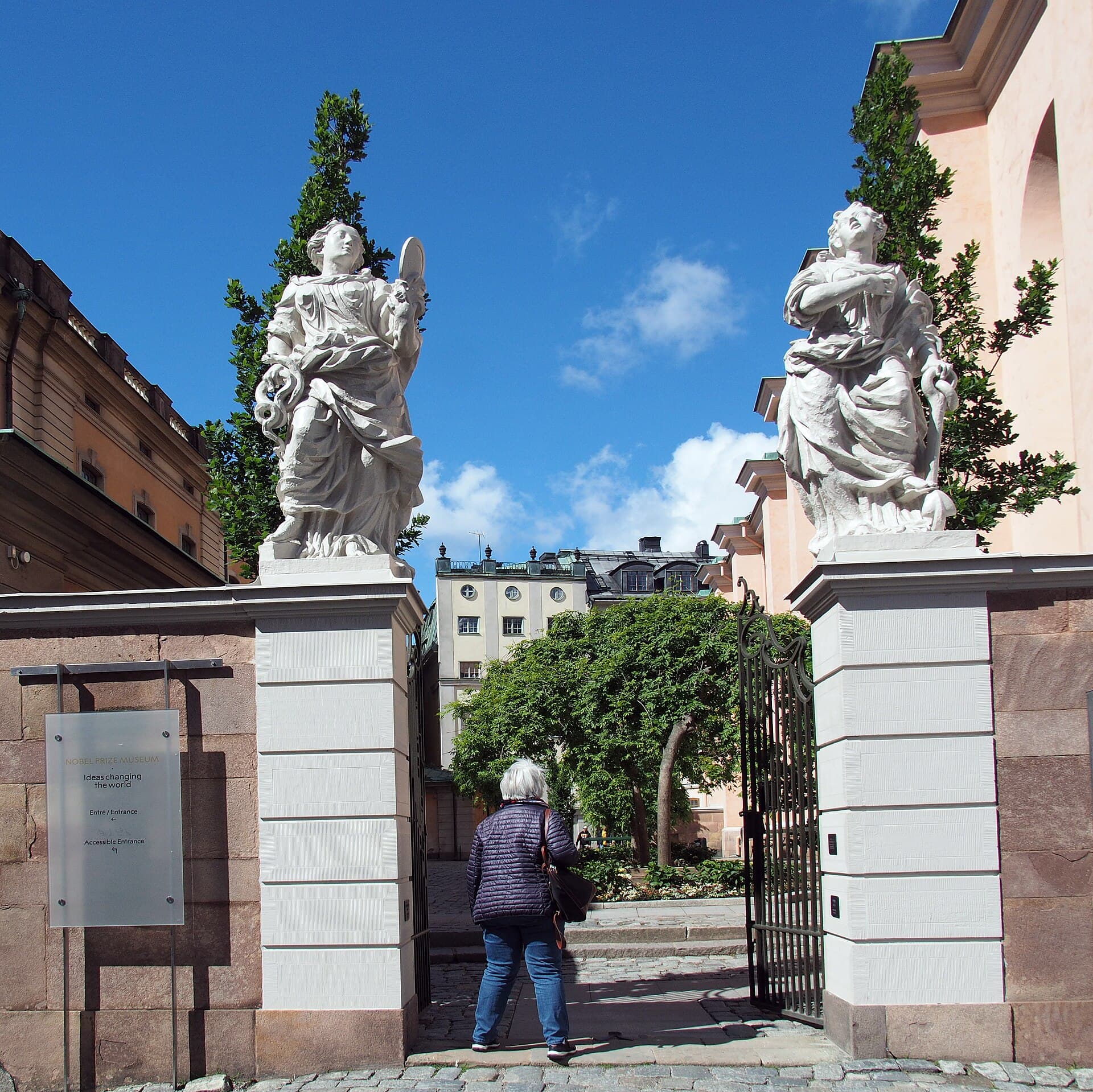 The Nobel Prize MuseumThe Nobel Prize Museum occupies the old stock exchange building on **Stortorget*8 minutes walk4.3
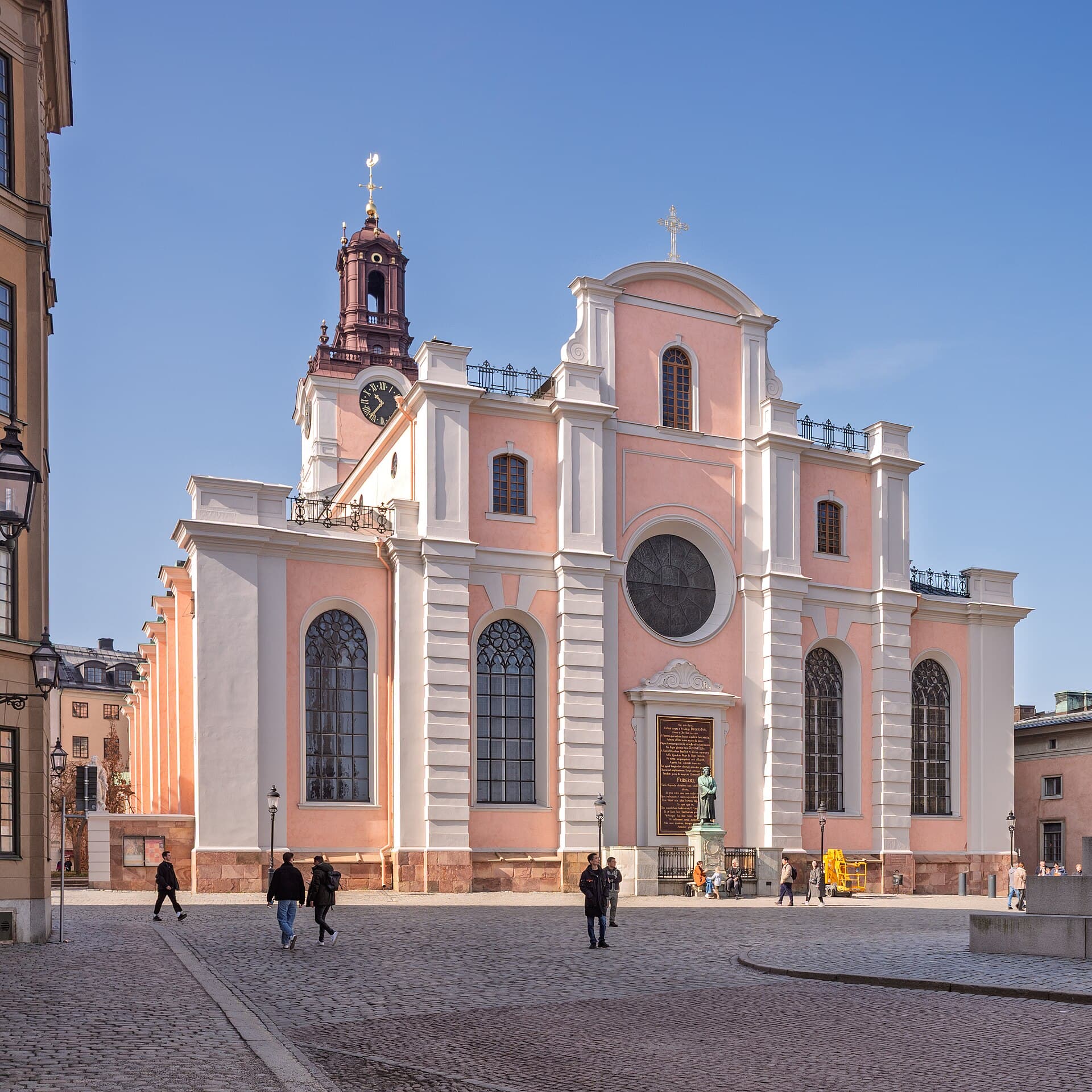 Storkyrkan CathedralStorkyrkan is the oldest church in central Stockholm, its origins reaching back 9 minutes walk4.4
Yes, among Europe's most expensive — but the differences are large. **Many museums are free**: this city museum, the National Museum, the Moderna Museet, the History Museum and the Museum of Far Eastern Antiquities. **Fika**, the Swedish coffee break, costs far less than a restaurant lunch, and most cafés refill coffee free. The **dagens lunch**, a fixed cheap set lunch served between eleven and two, is half the price of the same food at dinner. Transport on a one- or three-day card is far better value than single tickets. And the tap water is excellent.