
Sinan at his peak
The dome and half-domes leave the interior open, uninterrupted by columns.
Hunanuk — CC0 · Canercangul — CC BY-SA 4.0 · Photograph by Mike Peel (www.mikepeel.net). — CC BY-SA 4.0 · Photograph by Mike Peel (www.mikepeel.net). — CC BY-SA 4.0
A sixteenth-century mosque on a hill overlooking the Golden Horn, counted among the greatest and most complete works of the architect Sinan. Sinan built it for Sultan Suleiman the Magnificent between 1550 and 1557, at the height of his architectural maturity. The great dome rests on a system of half-domes and piers distributing the load so that the interior reads as open, uninterrupted by columns. What distinguishes it from the Blue Mosque is light: many windows and less ornament, so the interior is brighter and visually calmer. Many people find it the finer of the two, though the Blue Mosque is better known. The mosque is not a single building but a complete Ottoman külliye: schools, a hospital, a kitchen for the poor, a bath, a library and markets, all built as one social unit around the mosque. This is the model of Ottoman architecture you miss if you look at the mosque alone. Behind it a cemetery holds the tombs of Suleiman and his wife Hürrem Sultan, with Sinan's own grave at the edge of the complex. The view from its terrace over the Golden Horn is among the best in Istanbul, and it is free.
The dome and half-domes leave the interior open, uninterrupted by columns.
Schools, a hospital, a kitchen for the poor, a library — a social unit, not just a mosque.
Behind the mosque, with Sinan's own grave at the complex's edge.
On a hill above the Golden Horn, Fatih
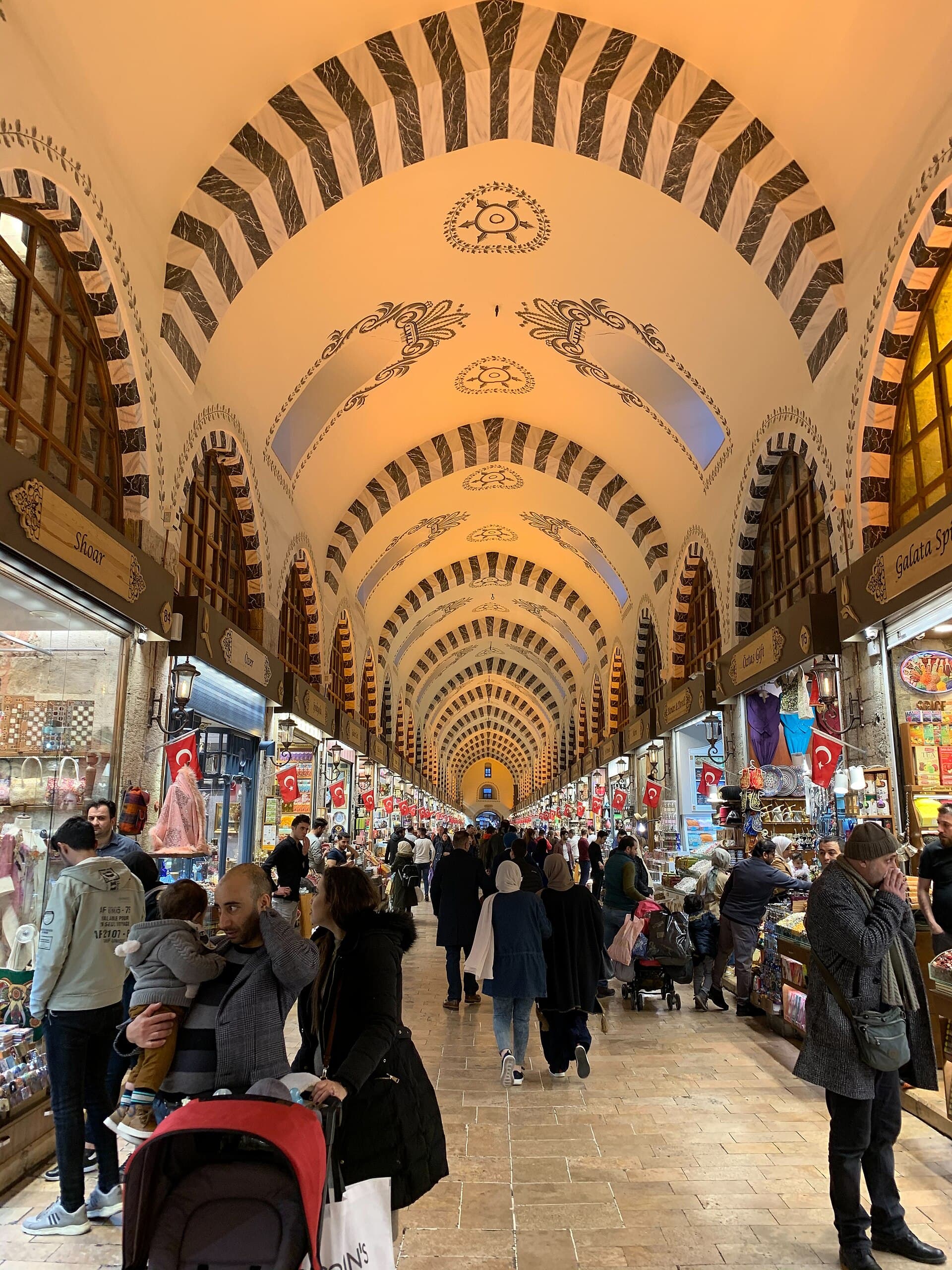 Spice BazaarA seventeenth-century covered market at Eminönü near the waterfront, known in Tu7 minutes walk4.4
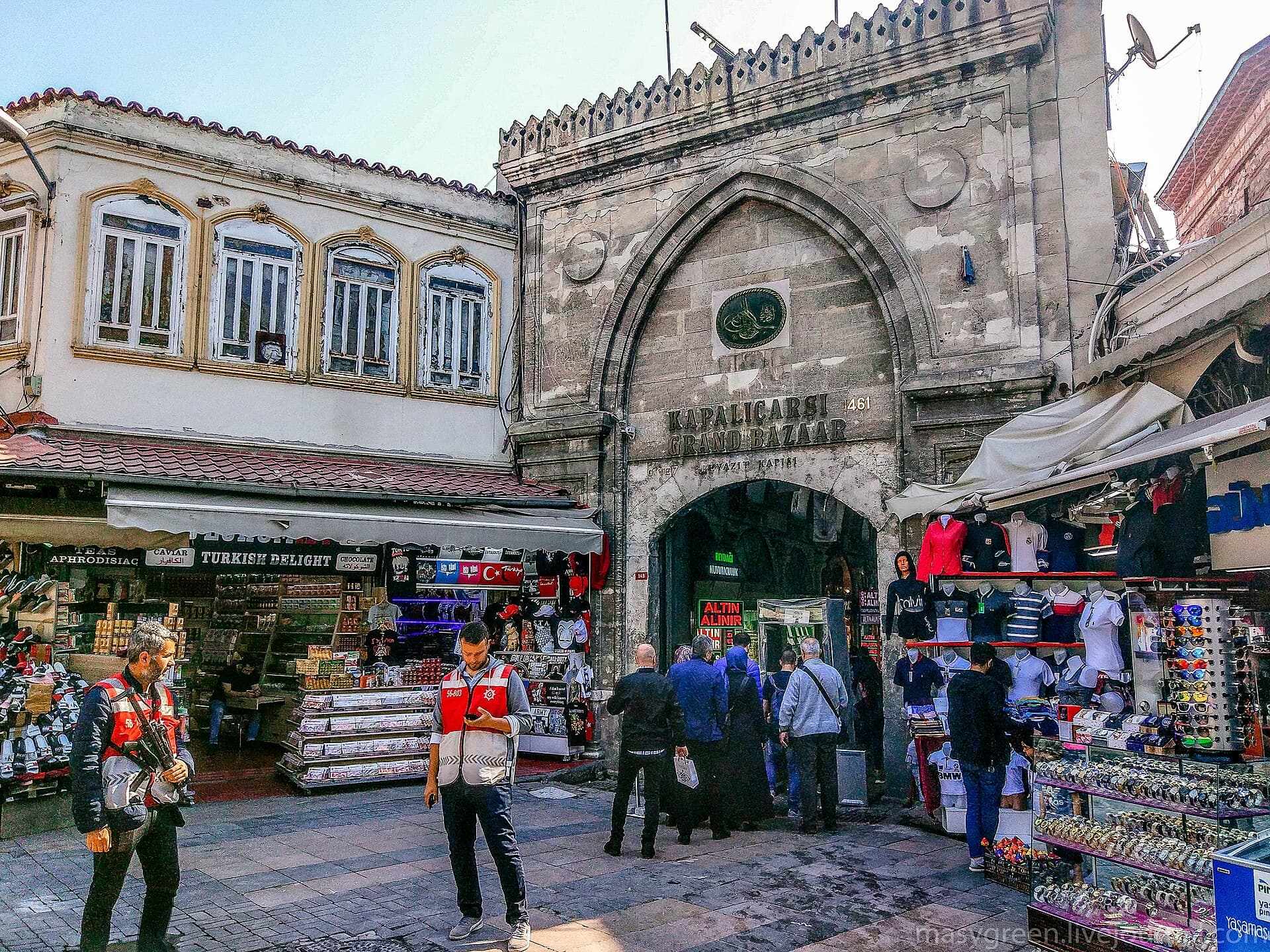 Grand BazaarA covered market in the heart of historic Istanbul, among the oldest and largest9 minutes walk4.5
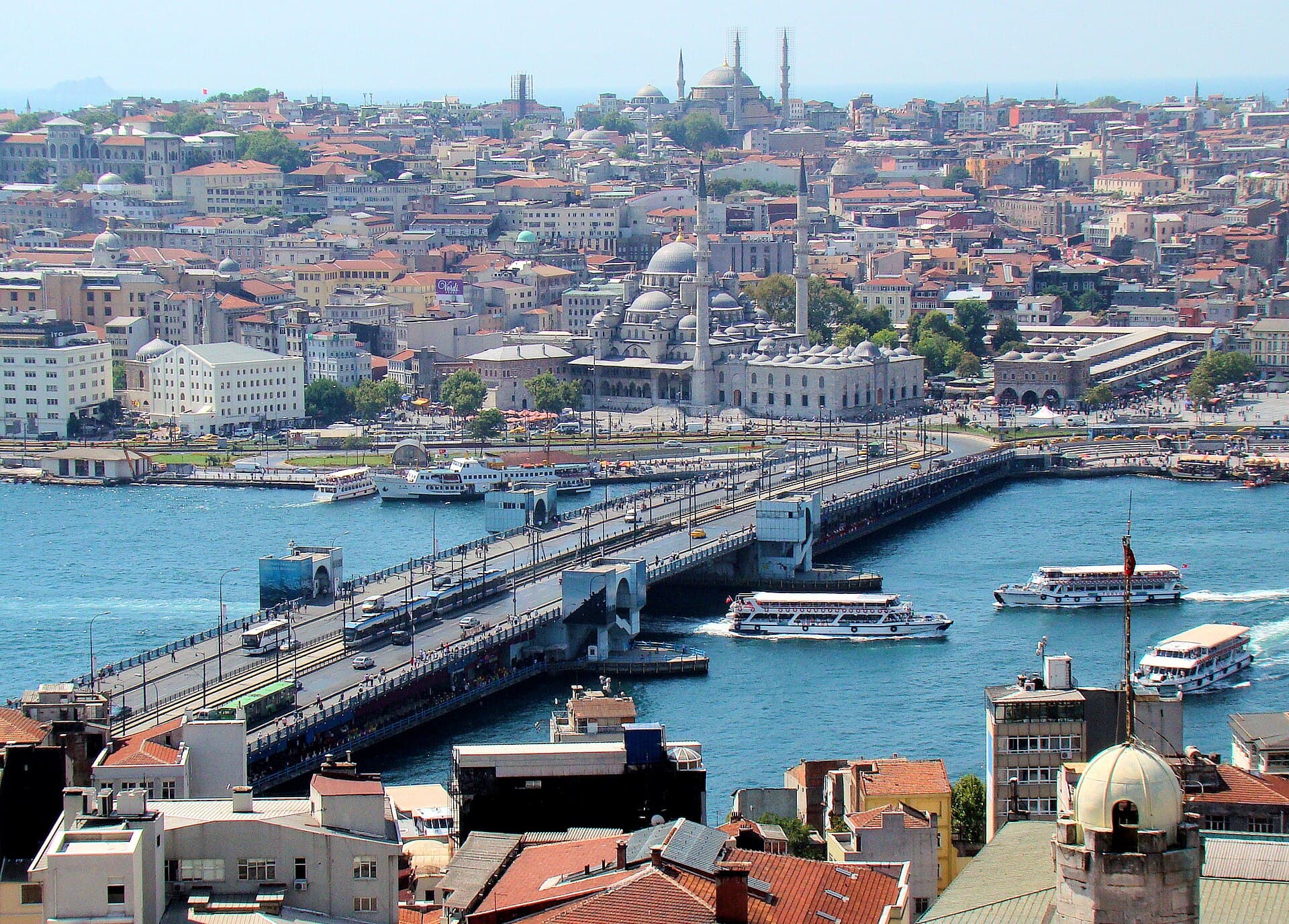 Galata BridgeNobody crosses Galata Bridge because it is a bridge. They cross it because it is11 minutes walk4.5
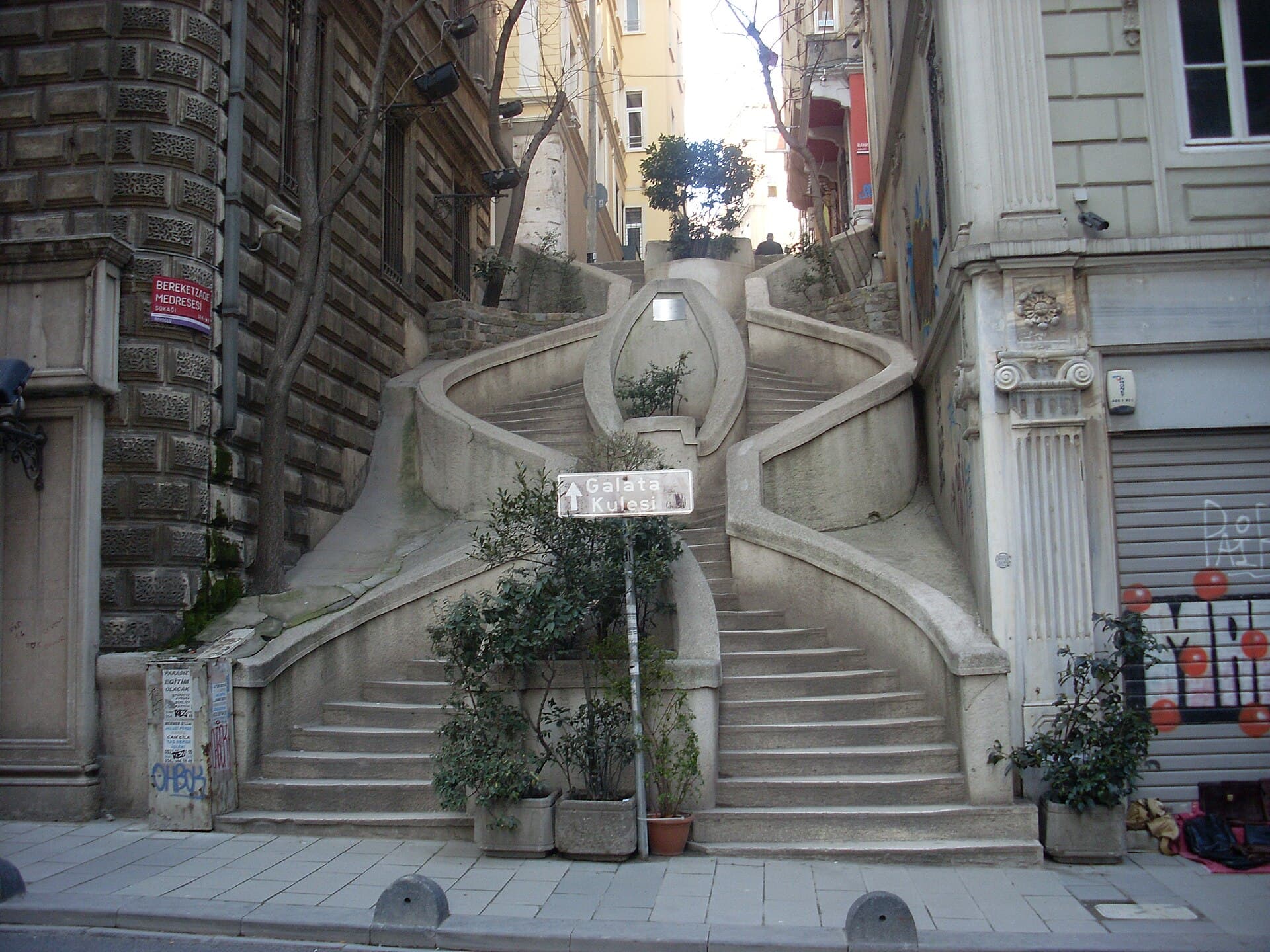 Camondo StairsA rich banker, so the story goes, built a staircase so his children could not tu15 minutes walk4.4
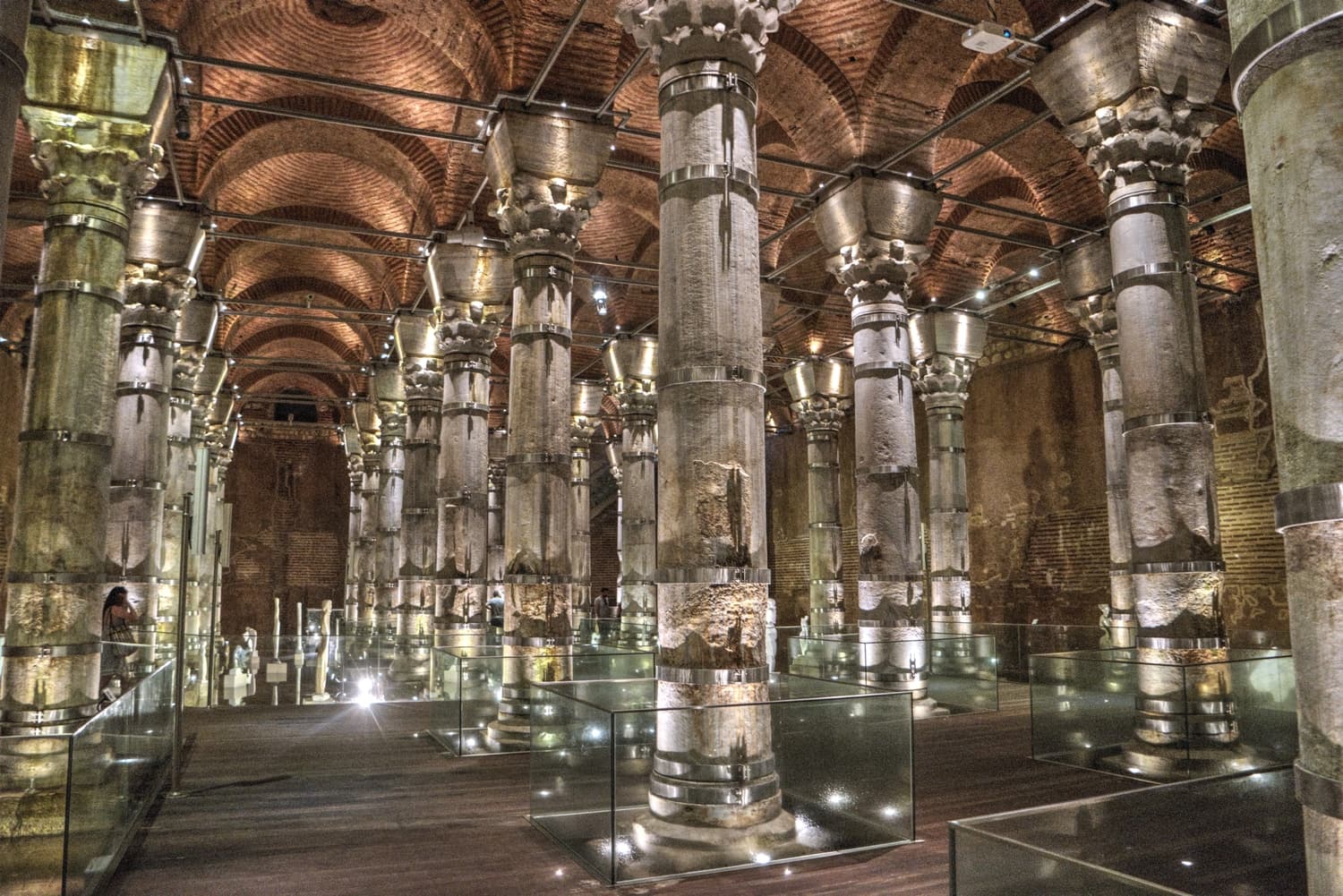 Theodosius Cistern (Şerefiye)Sixteen centuries old, and for the better part of a century it sat out of sight.15 minutes walk4.3
Both if you can — they are different. The Blue Mosque is better known, more ornamented and far more crowded. Süleymaniye is larger, quieter and lighter, is architecturally held to be the finer, and has a view over the Golden Horn the other lacks. With only one and no objection to a short walk, Süleymaniye is the calmer and deeper experience.
Chief imperial architect of the Ottoman state in the sixteenth century and the most celebrated architect in its history. He worked for some fifty years and built or oversaw hundreds of structures — mosques, bridges, aqueducts, schools. He called Süleymaniye his work of qualification and the Selimiye at Edirne his masterwork, and he is buried in a modest tomb at the corner of the Süleymaniye complex.