
A city within a city
Sixty covered streets with gates, baths, mosques and its own guarding.
Masygreen — CC BY-SA 4.0 · Mickey Mystique — CC BY-SA 4.0 · Mickey Mystique — CC BY-SA 4.0 · Mickey Mystique — CC BY-SA 4.0
A covered market in the heart of historic Istanbul, among the oldest and largest roofed markets in the world: more than sixty covered streets and thousands of shops under one roof. It began immediately after the conquest as a small building ordered by Mehmed the Conqueror, then expanded century by century until it became a city within the city, with its own gates, streets, baths, mosques and system of guarding. The internal organisation still follows the trades: one street for gold, another for carpets, a third for leather and spices. That division is Ottoman in origin and has survived the market's turn towards visitors. You should know how it works: bargaining is expected and is not an insult, and the first price offered is usually far above what will be accepted. Shops near the main gates cost more; the inner lanes are cheaper and quieter. Entry is free and it closes on Sunday and on public holidays. Crowding is heavy in the middle of the day; early morning is far better for seeing it and for photographs.
Sixty covered streets with gates, baths, mosques and its own guarding.
A street for gold, another for carpets — an Ottoman arrangement still in place.
It began as a small building after the conquest and grew century by century.
Beyazıt, Fatih
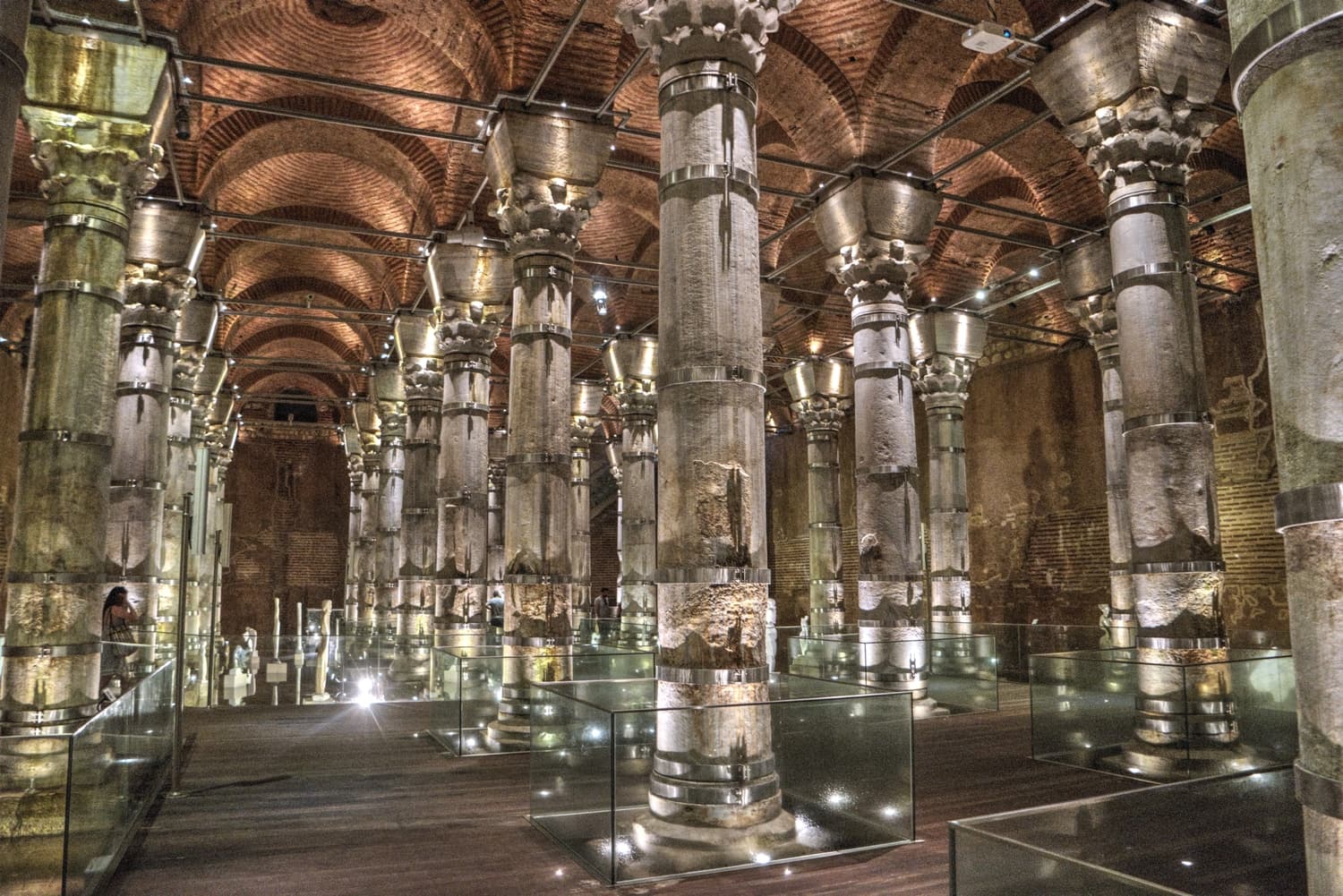 Theodosius Cistern (Şerefiye)Sixteen centuries old, and for the better part of a century it sat out of sight.7 minutes walk4.3
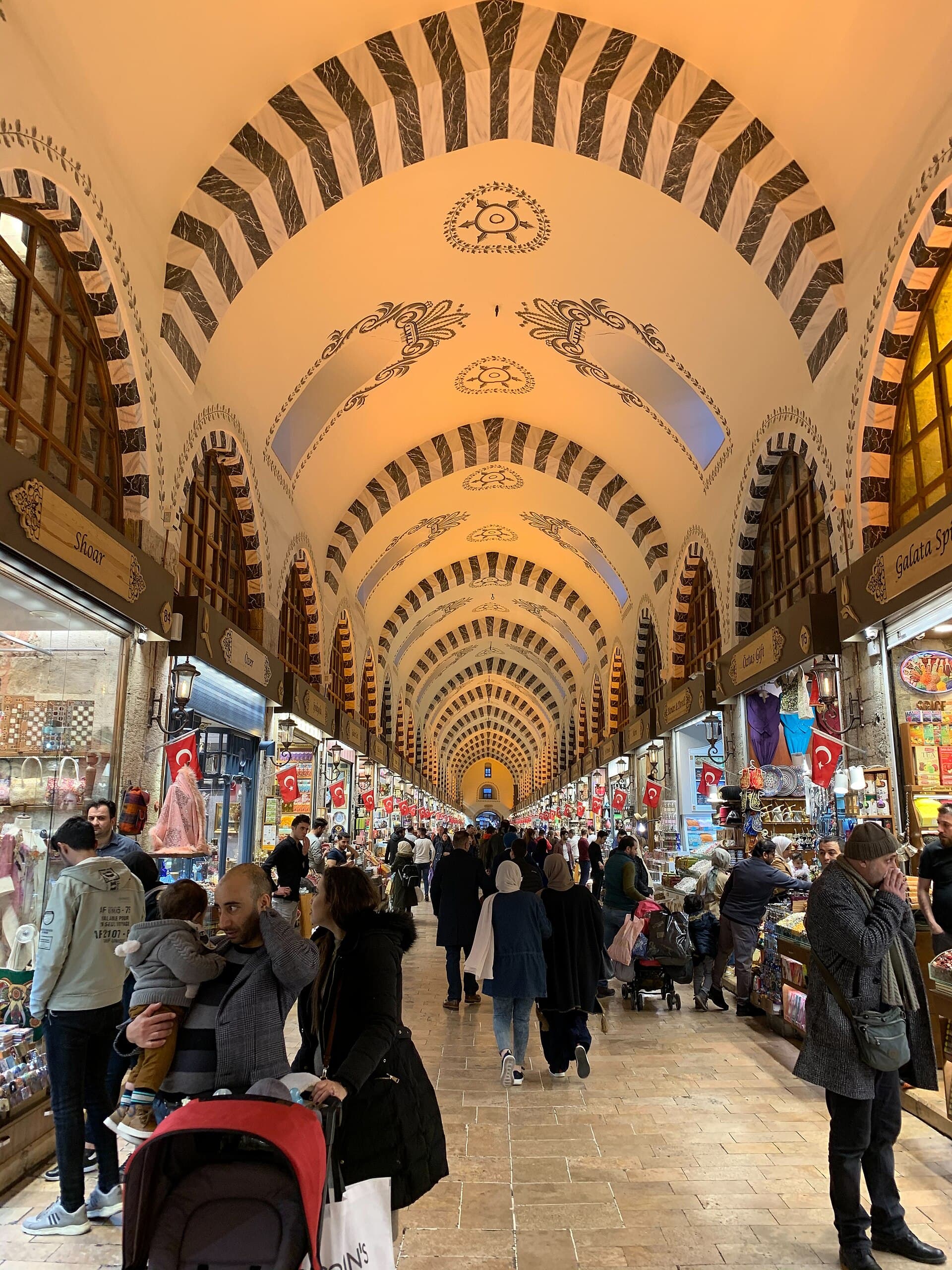 Spice BazaarA seventeenth-century covered market at Eminönü near the waterfront, known in Tu8 minutes walk4.4
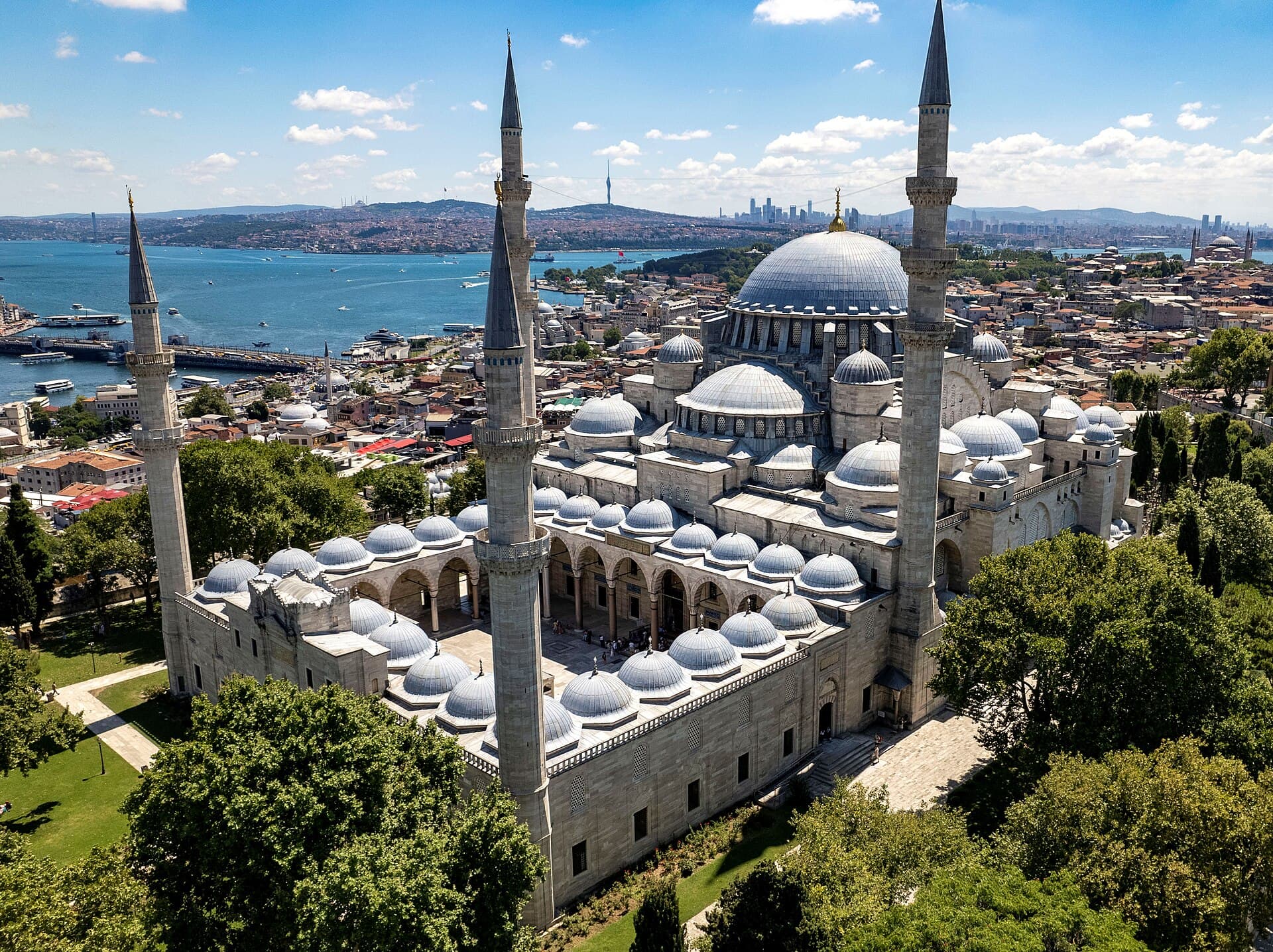 Süleymaniye MosqueA sixteenth-century mosque on a hill overlooking the Golden Horn, counted among 9 minutes walk4.8
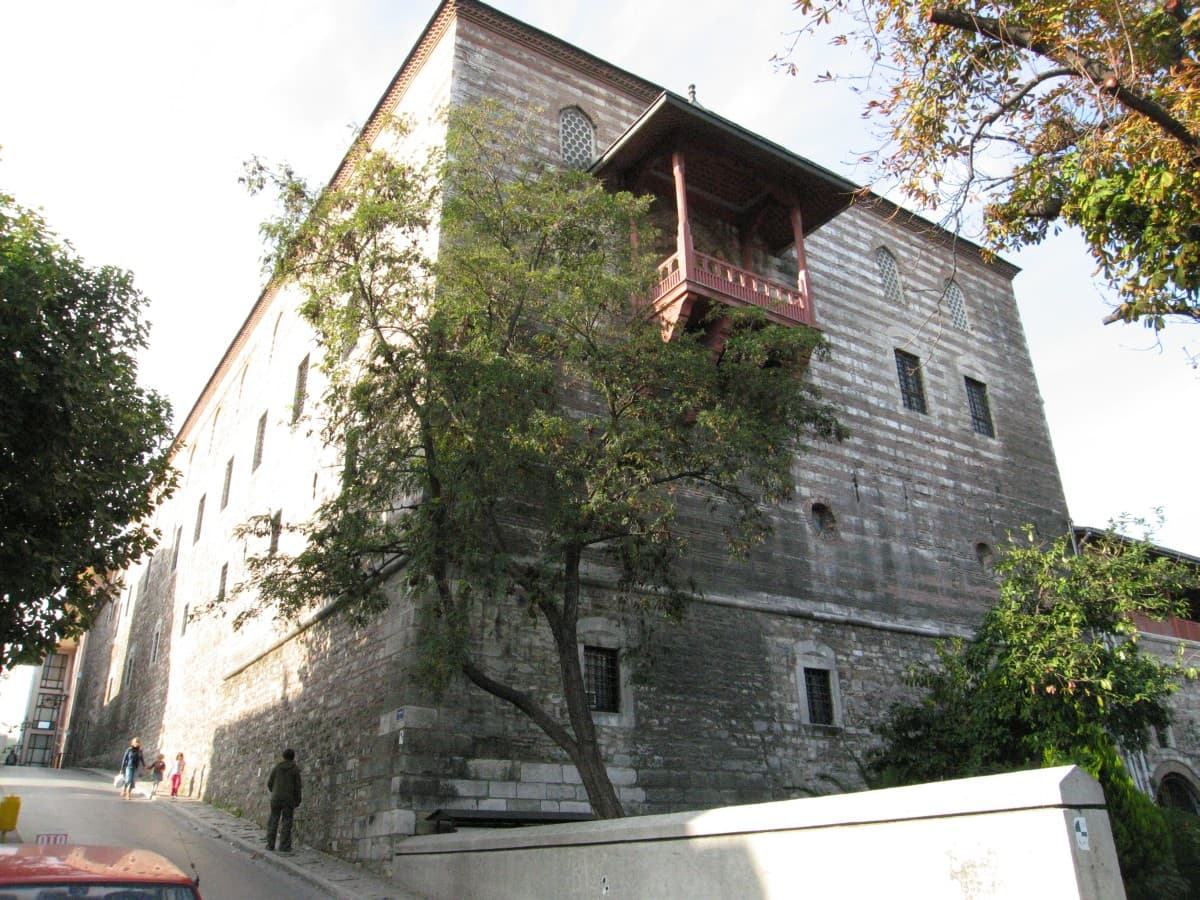 Turkish and Islamic Arts MuseumOne of the finest carpet collections on earth is not in Tehran or Cairo but in a9 minutes walk4.7
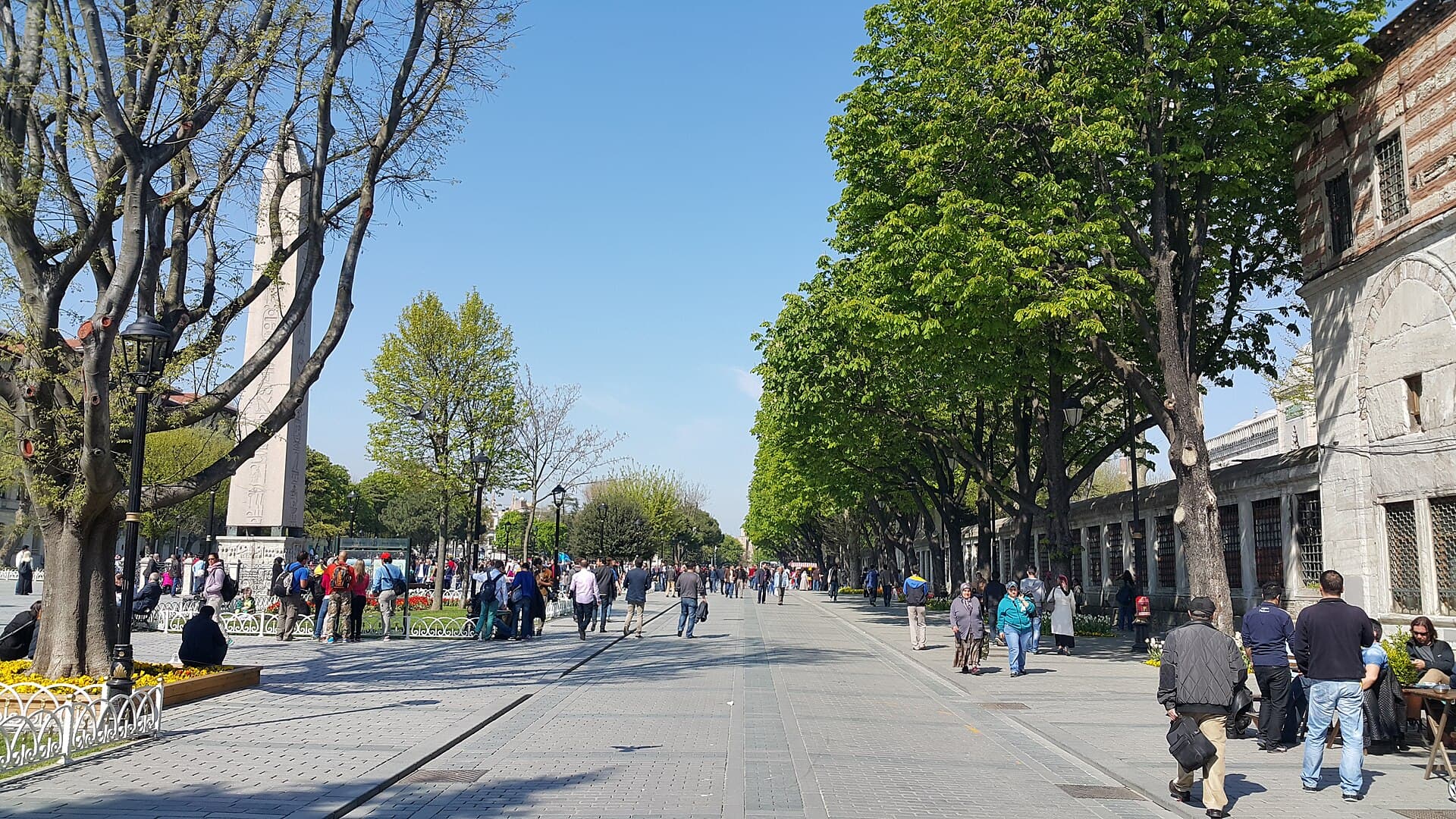 Hippodrome (Sultanahmet Square)About two metres under your feet lies the chariot track where something like a h10 minutes walk4.6
Start far below what was offered — half or less — and expect to settle in the middle. Walking between three shops to learn the price range before buying saves a great deal. Willingness to leave is your strongest tool. The exchange is friendly by nature and needs no tension: bargaining is part of the transaction, not a dispute over it.
The Grand Bazaar is far larger and broader: gold, carpets, leather, antiques and clothing. The Spice Bazaar is smaller and more specialised in spices, sweets, tea and nuts, and closer to the waterfront. The two are about ten minutes' walk apart and can both be seen in one morning.