
The outdoor pools in winter
Water around thirty-eight degrees under sub-zero air: dense steam over everything — the unforgettable Budapest experience.
Marc Ryckaert (MJJR) — CC BY 3.0 · Marc Ryckaert (MJJR) — CC BY 3.0 · Christo — CC0 · Christo — CC0
The Széchenyi Baths are the largest thermal bath complex in Europe, and the thing that most separates Budapest from any other capital. The huge yellow neo-Baroque building opened in 1913 inside the Városliget park and holds eighteen pools — three of them large outdoor basins, the rest indoor, at graded temperatures. The water is not heated: it rises from two deep wells beneath the city at over seventy degrees before being cooled, rich in sulphur, calcium and magnesium. The whole of Budapest sits on a network of hot springs, exploited first by the Romans, then the Ottomans, then the Austrians — and Széchenyi is the last, imperial version of a two-thousand-year-old habit. The scene everyone knows is the middle outdoor pool in winter: thick steam over the water, snow on the pool edge, and men playing chess on floating boards. A winter visit beats a summer one by a wide margin. Allow at least three hours, and buy your ticket online to skip the window queue.
Water around thirty-eight degrees under sub-zero air: dense steam over everything — the unforgettable Budapest experience.
Older men playing chess on floating boards in the hot pool — a genuine daily habit, not a show put on for visitors.
Fifteen pools from 18 to 40 degrees — move between them gradually, the way Hungarians do, rather than all at once.
Yellow neo-Baroque with domes, statues and mosaics — the handsomest bathhouse in Europe, worth looking at before you get in the water.
Városliget, Kós Károly sétány 9-11, Budapest 1146
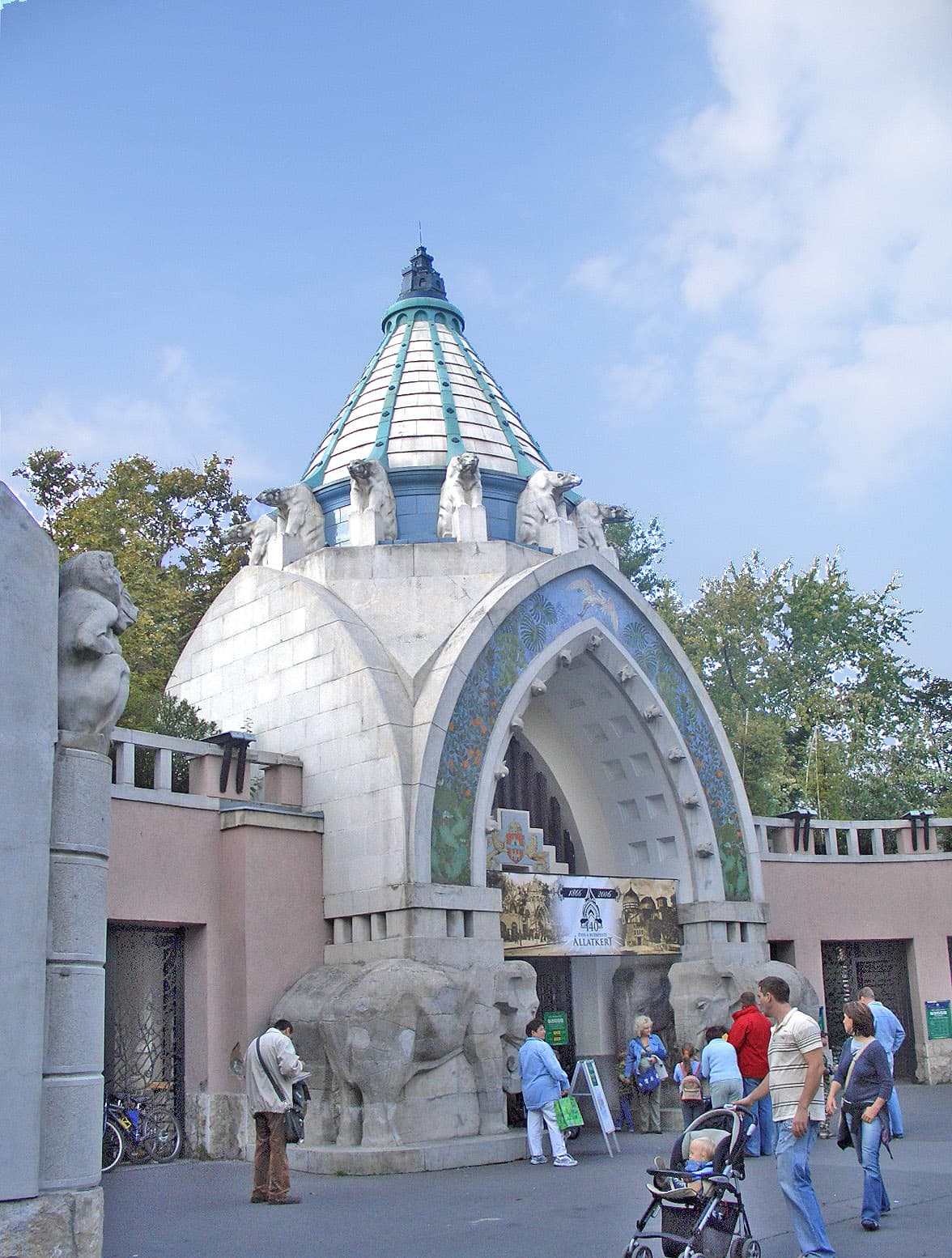 Budapest Zoo & Botanical GardenBudapest Zoo is one of the oldest zoos in the world: it opened in 1866, seven ye4 minutes walk4.4
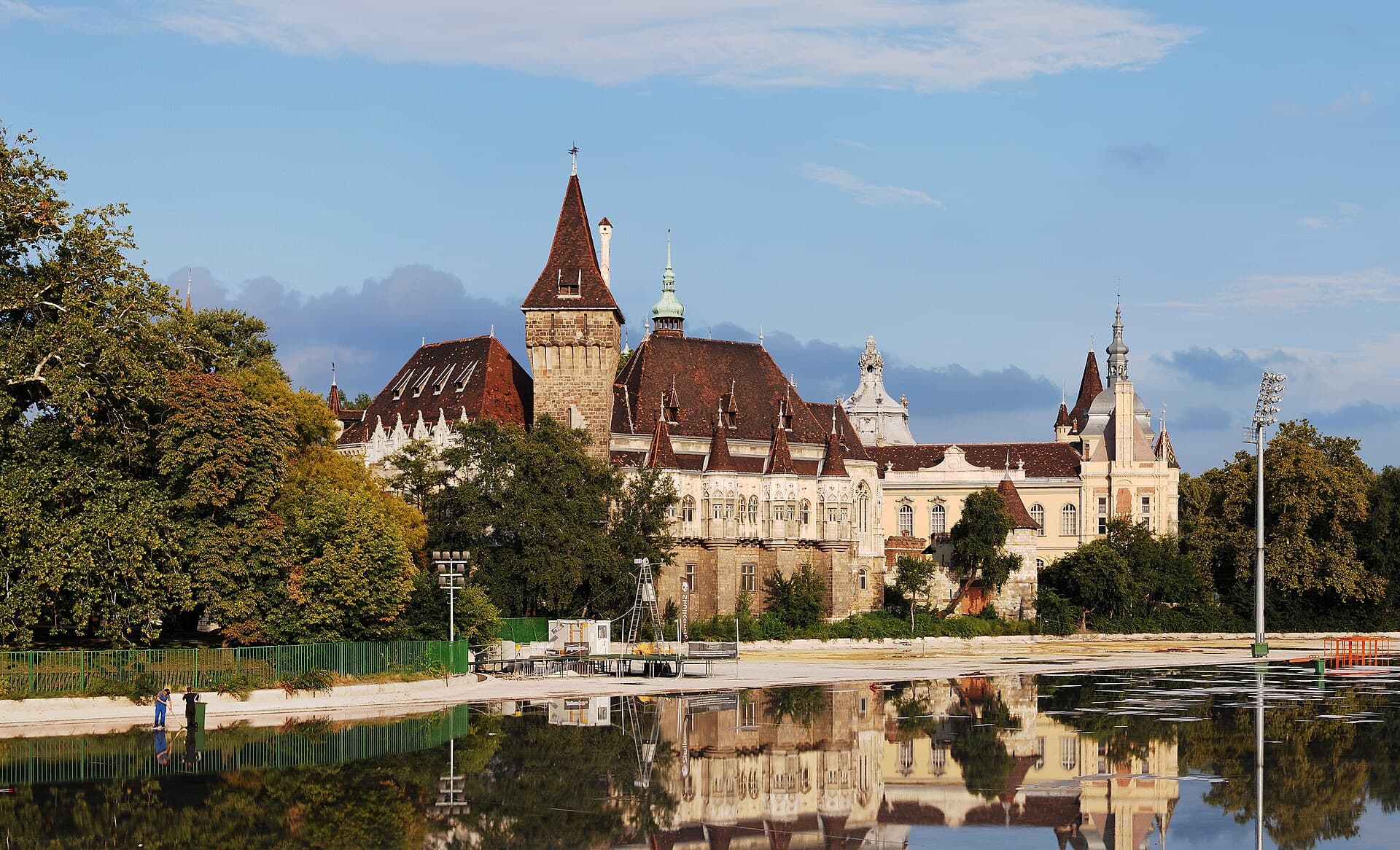 Vajdahunyad CastleVajdahunyad Castle is not a historic castle but a lesson in architectural histor4 minutes walk4.8
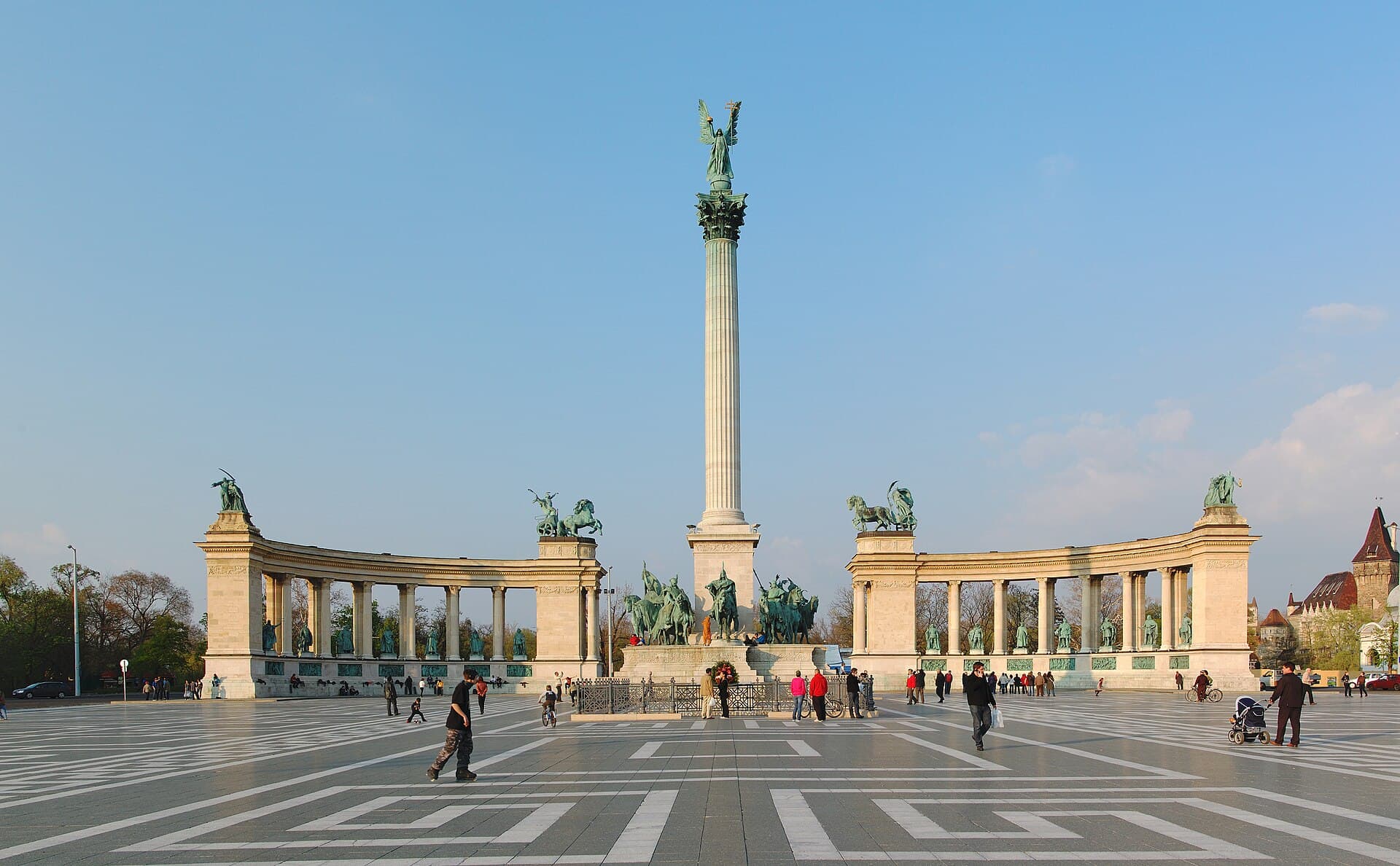 Heroes' SquareHeroes' Square is the largest and most formal square in Budapest, standing where6 minutes walk4.8
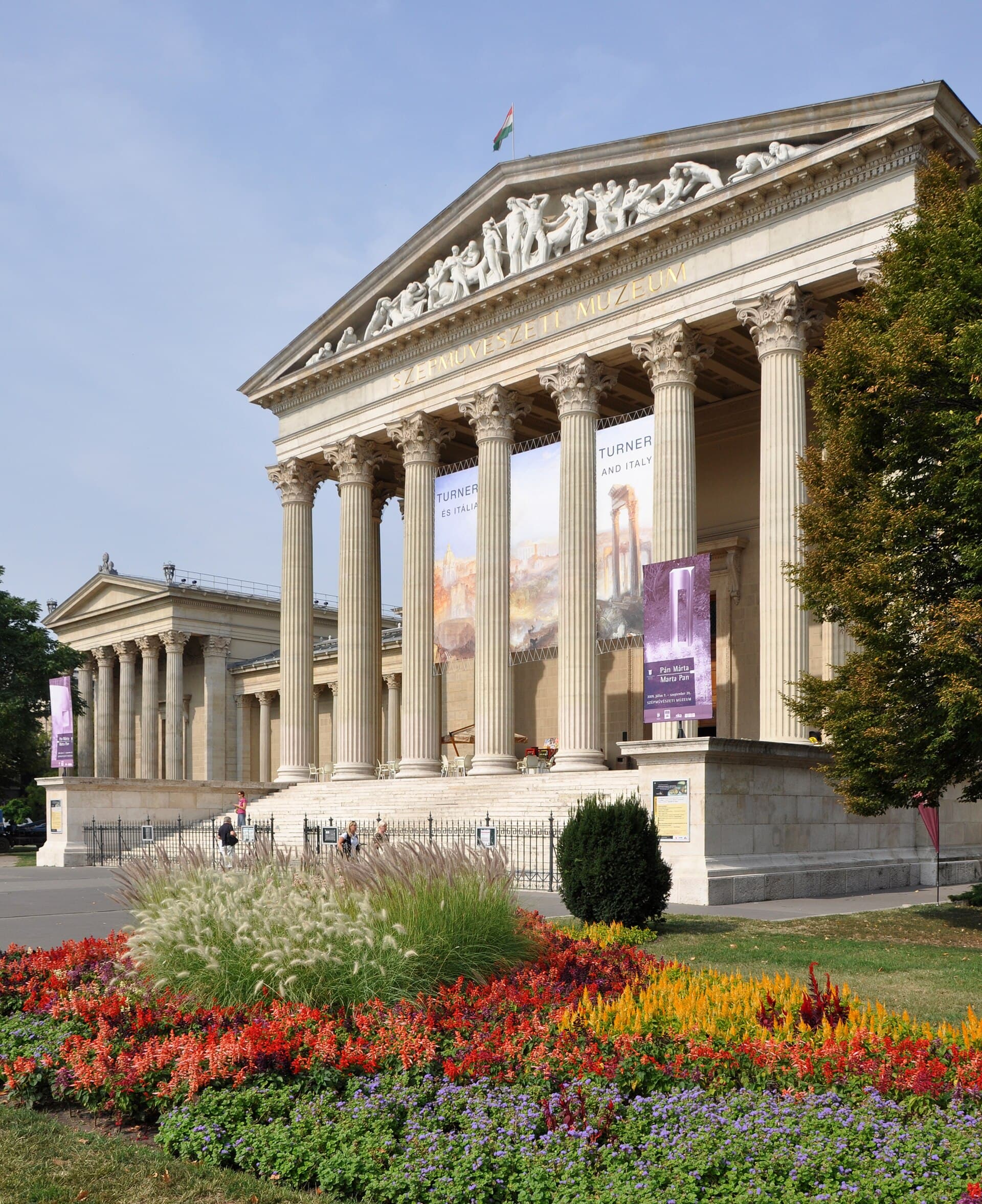 Museum of Fine Arts, BudapestThe Museum of Fine Arts is Hungary's most important museum of foreign art, stand6 minutes walk4.8
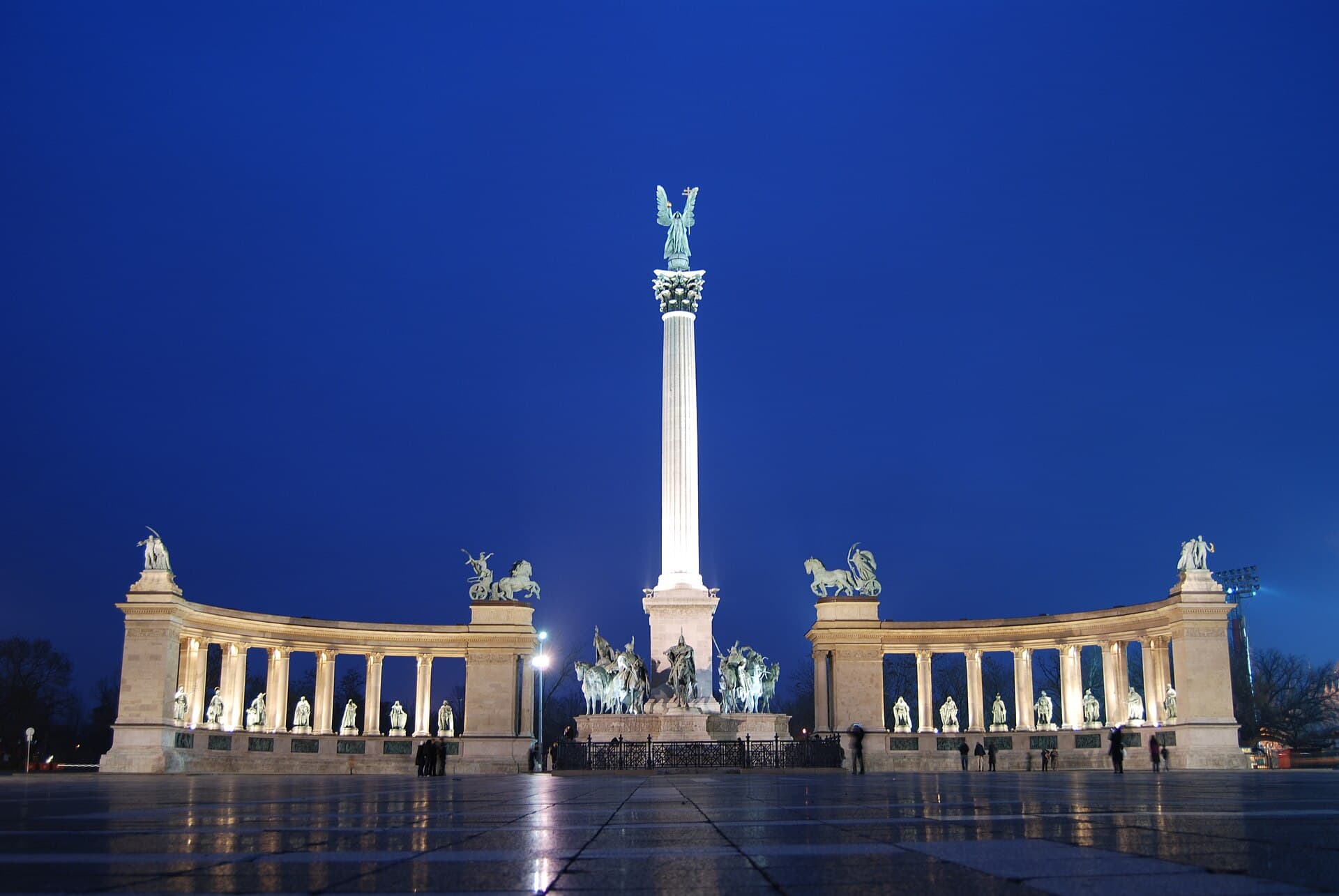 Millennium MonumentThe Millennium Monument is the sculptural group that fills Heroes' Square: a cen6 minutes walk4.6
Yes, Széchenyi is fully mixed and everyone wears a swimsuit in every pool — there is no nude bathing here. Changing areas are separate, and private cabins are available for a small extra fee, which is the better choice for families and for women who want more privacy while changing.
Széchenyi is the biggest and best known, best for the winter outdoor pools and the friendliest to families. Gellért is architecturally lovelier, with Art Nouveau mosaics, and quieter. Rudas is the original Ottoman one, with a 16th-century stone dome — smallest and the most historically authentic. For a single visit: Széchenyi.
Yes — there are moderate-temperature pools suitable for children, though the very hot pools are not advised for under-fourteens or for long stretches. With family, book a private cabin; changing is far easier, and bring flip-flops for everyone.
Three hours minimum — less than that does not justify the ticket. Four or five is the comfortable visit. And remember the Városliget park, Heroes' Square and Vajdahunyad Castle are all minutes away on foot, so make it a full day at this end of the city.