
The Turbine Hall
A 155-metre void that hosts one building-sized artwork each autumn and, between commissions, becomes a concrete ramp children adore.
chris.rycroft — CC BY 2.0 · DiscoA340 — CC BY-SA 4.0 · DiscoA340 — CC BY-SA 4.0 · DiscoA340 — CC BY-SA 4.0
A power station that fed London electricity until 1981 became, in 2000, one of the most visited modern-art museums on earth and the busiest art gallery in Britain, and it kept both its towering chimney and the Turbine Hall that swallows you the moment you walk in. That hall is the image everyone carries away: a void 155 metres long and five storeys high, filled each autumn with a single artwork the size of a building. When a commission is in, the hall is the most talked-about thing in the museum; between commissions it is a vast concrete ramp that children treat as a running track, and it is still worth the look. The permanent collection is entirely free and holds Picasso, Dalí, Warhol, Matisse, Rothko, Louise Bourgeois and Yayoi Kusama, hung by theme rather than by date, so do not expect a tidy timeline. Honesty demands a warning: contemporary art divides people. Some leave dazzled, others leave baffled by an unmade bed or a video loop in a dark room. If you suspect you belong to the second camp, head for the hushed Rothko room and the Surrealists, give it ninety minutes, and lose nothing, because nothing was paid. One warning about the view: the famous free Level 10 terrace of the Blavatnik Building has been closed since 2020, and Tate did not reopen it after losing a 2023 privacy case brought by the owners of the glass flats next door, so do not go up looking for it. The St Paul's panorama is now had from the windows of the Level 6 restaurant in the Natalie Bell Building, or for free from the Millennium Bridge as you leave. The Blavatnik Building is still worth the detour for the Tanks, the old underground oil tanks now given over to performance and video work. Only the major temporary exhibitions cost money, GBP 15-25 per adult in 2026 depending on the show, and in summer they are best booked ahead. For families this is one of London's best rainy-day answers: lifts everywhere, pushchairs roll in without fuss, a multi-faith contemplation room on Level 4 of the Natalie Bell Building works for prayer, and there are cafés on several floors. The nearest Tube is Southwark on the Jubilee line, about ten minutes on foot, though the better approach is from St Paul's on the Central line, across the Millennium footbridge, so you arrive from the river. Opening is 10:00 to 18:00 Sunday to Thursday and until 21:00 on Fridays and Saturdays, when the galleries empty out to a degree that surprises; last entry is half an hour before closing.
A 155-metre void that hosts one building-sized artwork each autumn and, between commissions, becomes a concrete ramp children adore.
The raw concrete oil tanks beneath the Blavatnik Building, kept as they were in the power-station days and given over to performance, film and installation; free, and often the strangest thing in the building.
The refuge for anyone unmoved by contemporary art: Rothko's dark canvases in a hushed room, with Dalí and Magritte in the galleries nearby.
Bankside, London SE1 9TG
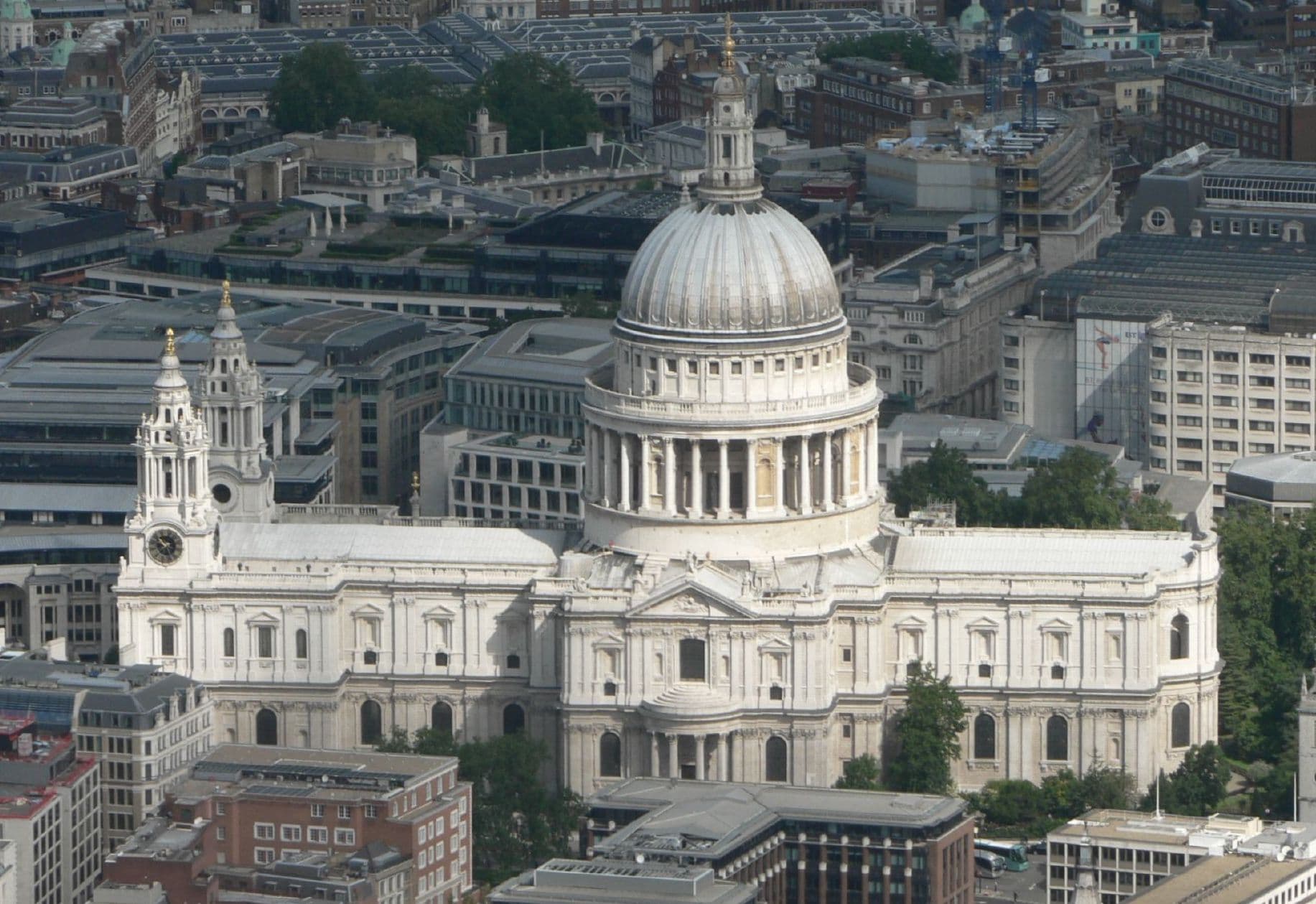 St Paul's CathedralFor two and a half centuries this dome was the highest thing in London, and stan8 minutes walk4.8
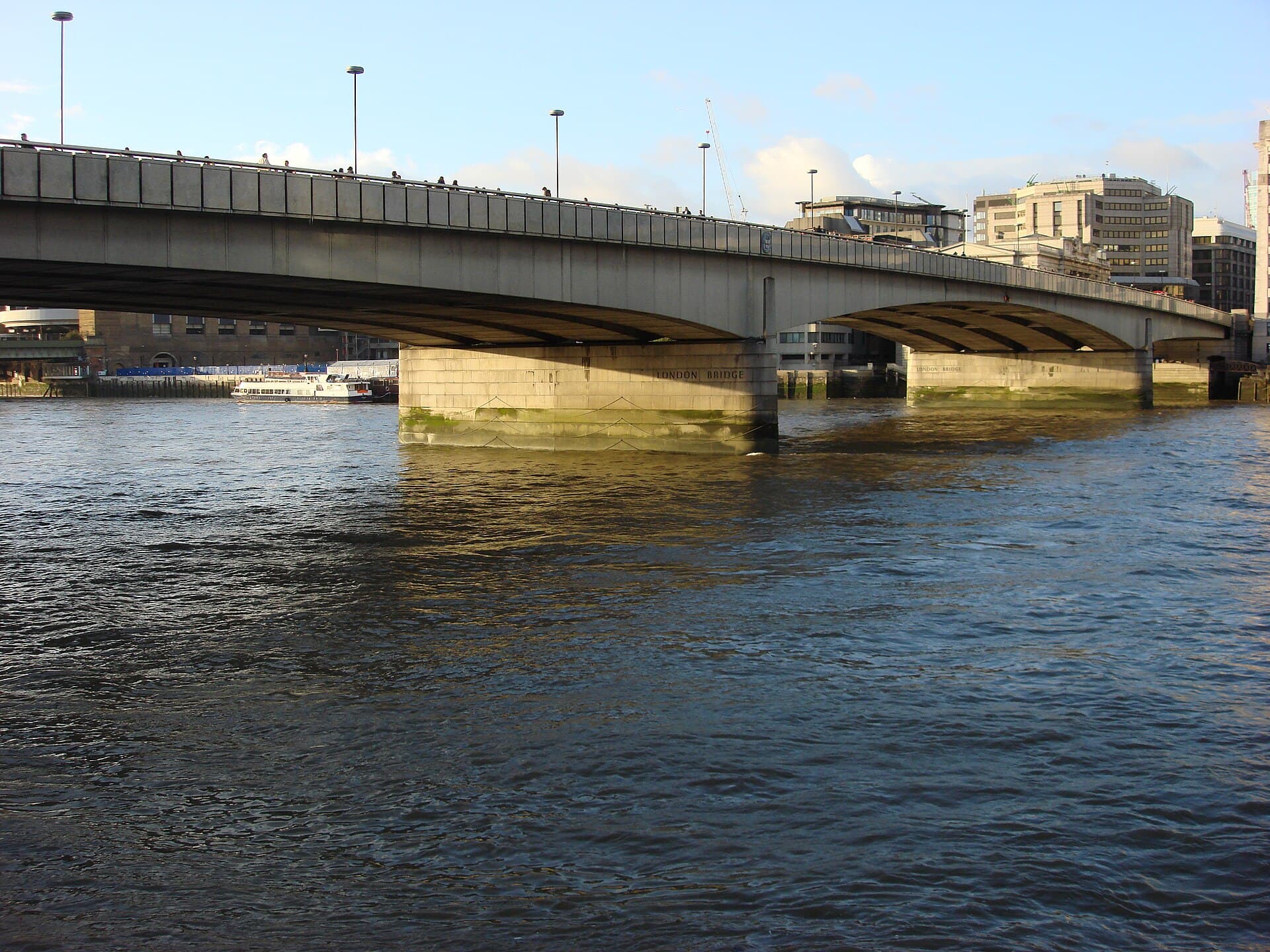 London BridgeNot one stone of the bridge in the nursery rhyme is still in London. Its direct 10 minutes walk4.5
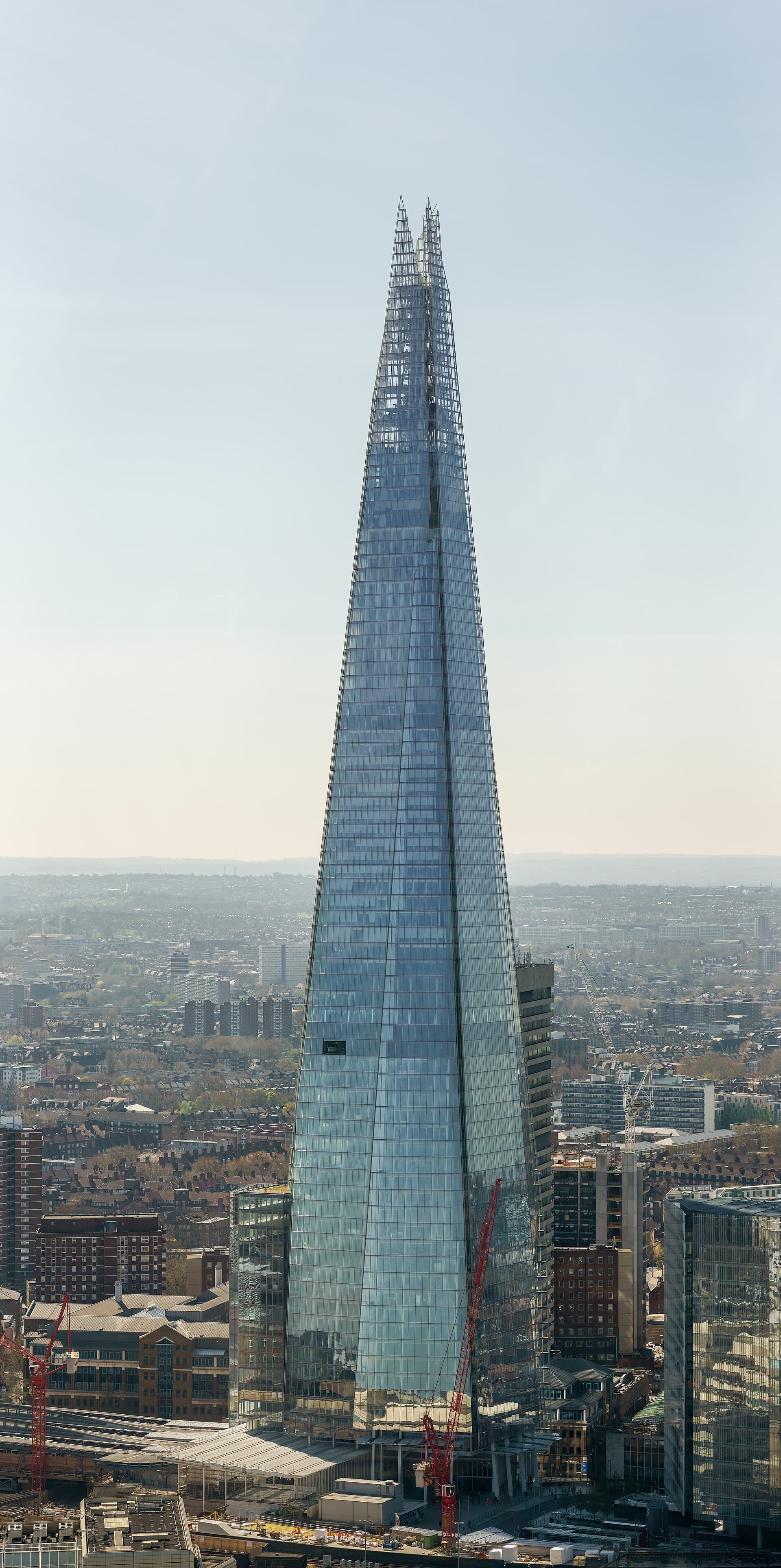 The ShardFrom level 72, roughly 244 metres up with no roof between you and the sky, Tower12 minutes walk4.7
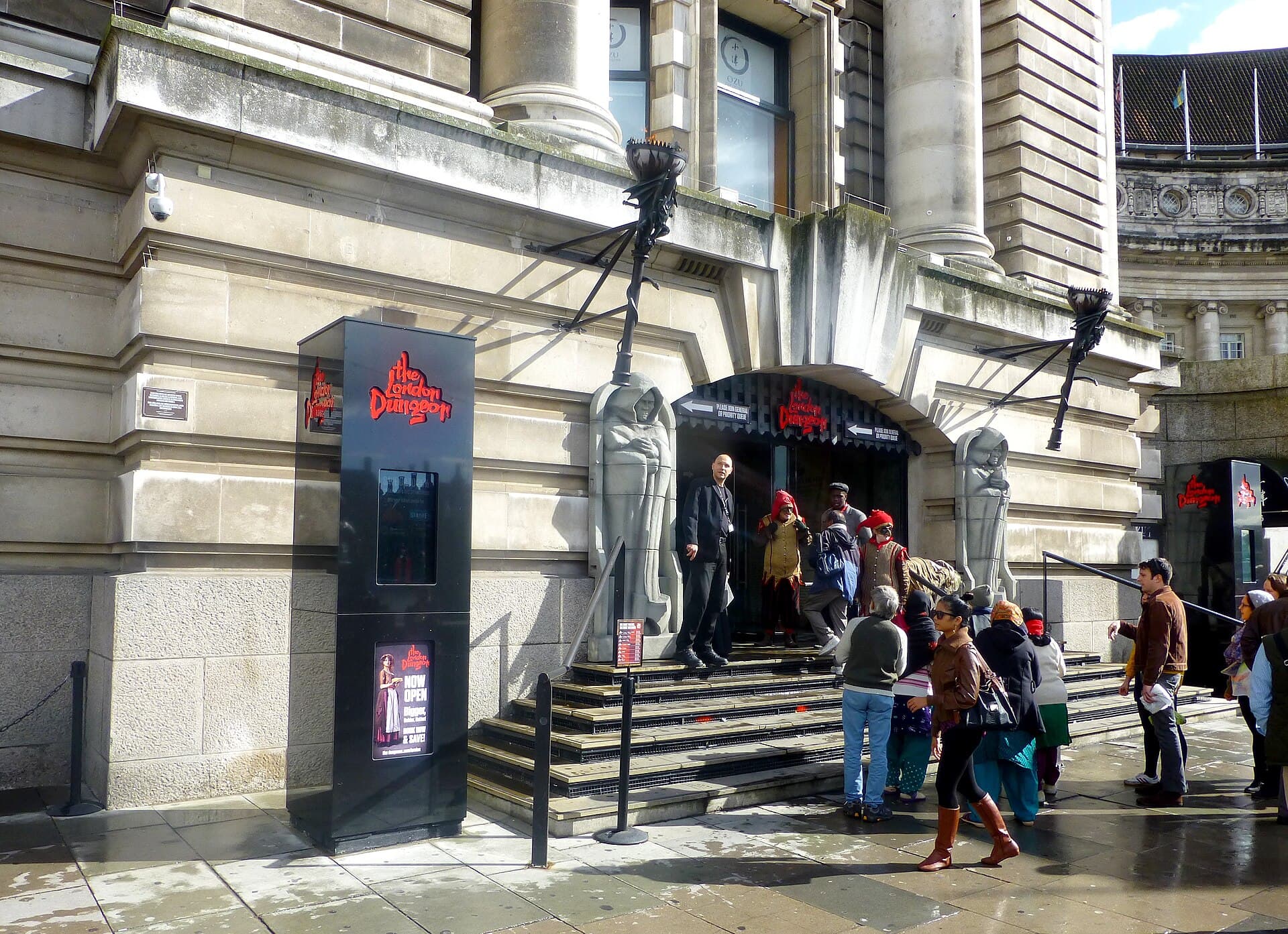 The London DungeonIn the basement of County Hall, a few steps from the London Eye queue, an actor 12 minutes walk4.4
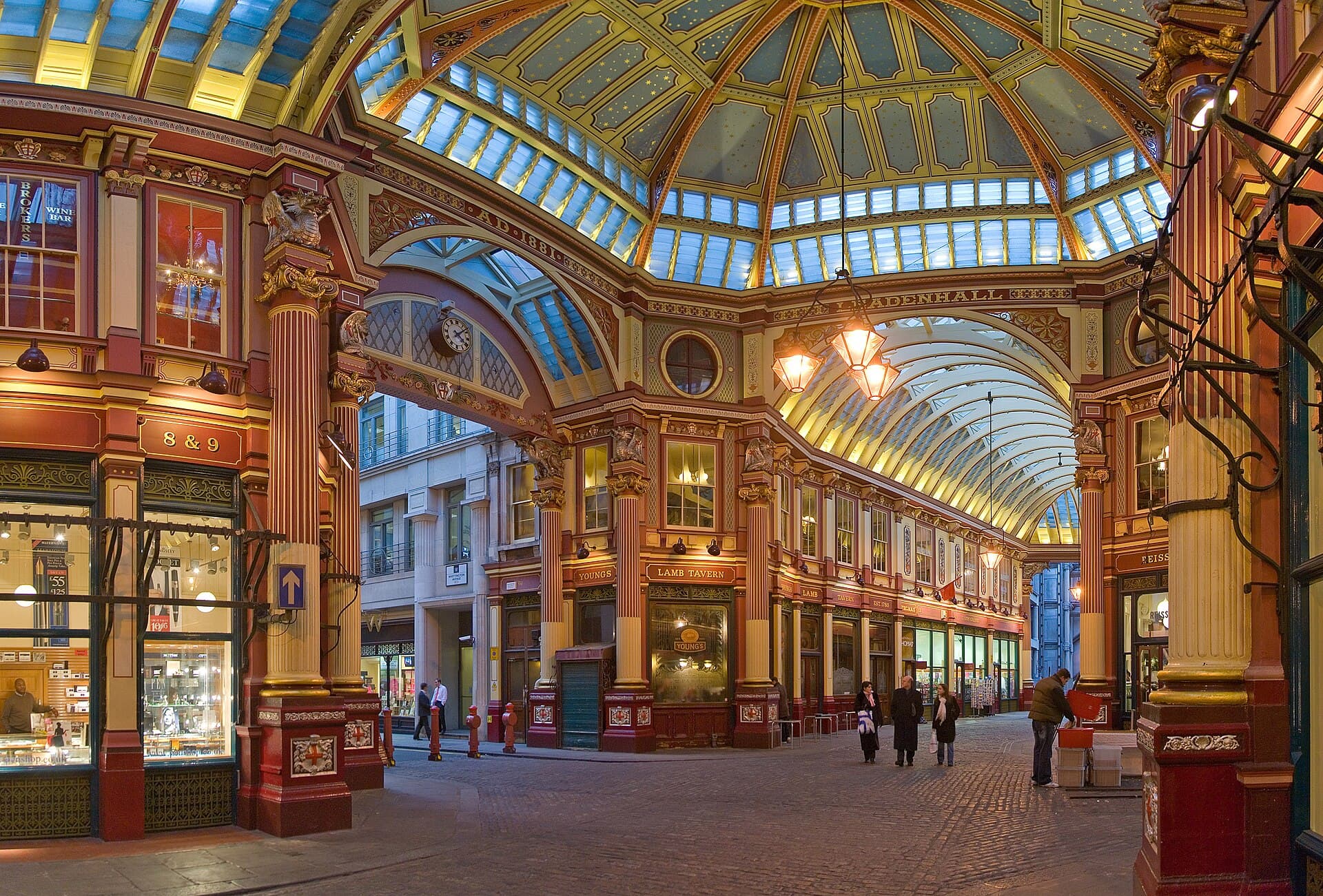 Leadenhall MarketStep out of the glass towers of the City and into a Victorian arcade of wrought 15 minutes walk4.5
With young children Tate Modern is the easier day: entry is free so leaving after half an hour costs nothing, the Turbine Hall ramp is a tolerated running space, lifts and pushchairs are painless, and the bridge across the hall is a reward every age enjoys. If the children want mummies and antiquities the British Museum is the one, but it is far more crowded in summer and does not advertise a prayer room, whereas Tate Modern has a multi-faith contemplation room on Level 4.
Stick to the free galleries on a first visit: the permanent collection, Turbine Hall and the Tanks fill two hours easily. Pay the GBP 15-25 only if the exhibition is about an artist you already know and love; the shows are dense and crowded, and in summer peak slots sell out days ahead.