
The last column
A single pillar re-erected in 1973 from drums of several different columns, with a stork nesting on top from spring to late summer.
Arkiyolok — CC BY-SA 4.0 · shankar s. from Dubai, united arab emirates — CC BY 2.0 · shankar s. from Dubai, united arab emirates — CC BY 2.0 · Sinan Şahin — CC BY 3.0
One of the Seven Wonders of the Ancient World now amounts to a single column with a stork's nest on top. That is the Temple of Artemis today: one pillar reassembled from scattered drums, standing in a boggy field on the edge of Selçuk, ringed by foundation blocks and marble fragments that spend half the year under water. If you do not know the story you see a swamp; if you do, you stand for a while in front of what was once the largest temple in the Greek world. The story is worth reading before you arrive. The temple was built in the sixth century BC with money from King Croesus, then burned down in 356 BC by a man called Herostratus who simply wanted his name remembered, and rebuilt larger than ever: a base of roughly 115 by 55 metres and about 127 columns some 18 metres tall, around three times the footprint of the Parthenon. Pilgrims came from across Anatolia until the Goths raided it in 268 AD; Byzantine builders then carted off the stone for the Basilica of St John on the hill opposite, and a later legend even sends its columns to Hagia Sophia in Istanbul, though historians do not back that up. What you see is what was left once everyone had taken their share. From Kuşadası it is about 20 km, 25 to 30 minutes by car on the Selçuk road, and the temple sits on your left just before the town, with free parking at the gate. The Kuşadası–Selçuk dolmuş from the otogar passes close by and takes around half an hour. Entry is free, there is no ticket desk, and the whole visit runs 10 to 20 minutes: walk out to the column, take the photograph with Ayasuluk castle and the İsa Bey Mosque behind it, walk back. The ground is rough and muddy in winter, so a pushchair is no use, though children enjoy the stork that returns to the nest from March until late summer. Do not make it a trip in its own right. Fold it into your Ephesus day: do the ancient city first, in the cooler morning, stop at the temple on the way back, and finish at the Ephesus Museum in Selçuk, where the famous statues of the Ephesian Artemis, the goddess worshipped in this temple, are displayed; that is where the field finally makes sense. Expect souvenir sellers at the gate, some of them persistent; a smile and a firm no is enough.
A single pillar re-erected in 1973 from drums of several different columns, with a stork nesting on top from spring to late summer.
Ayasuluk castle, the Basilica of St John and the İsa Bey Mosque line up in one frame behind the column.
A base some 115 metres long is still traced by foundation blocks in the ground, around three times the footprint of the Parthenon.
Atatürk Mah., Selçuk–Kuşadası road, Selçuk (İzmir)
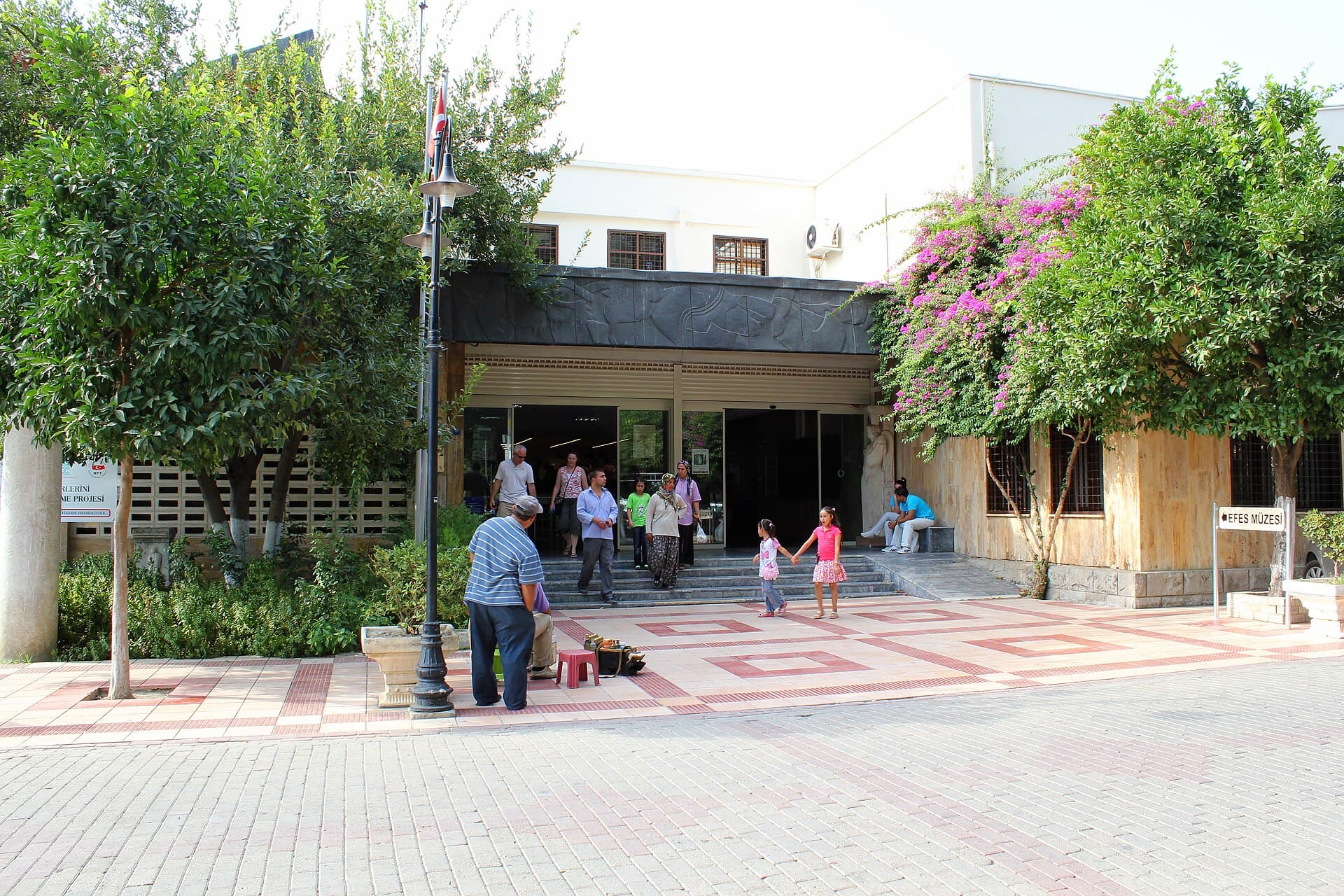 Ephesus Archaeological MuseumEvery statue you miss while walking the marble streets of Ephesus is here, three4 min walk4.6
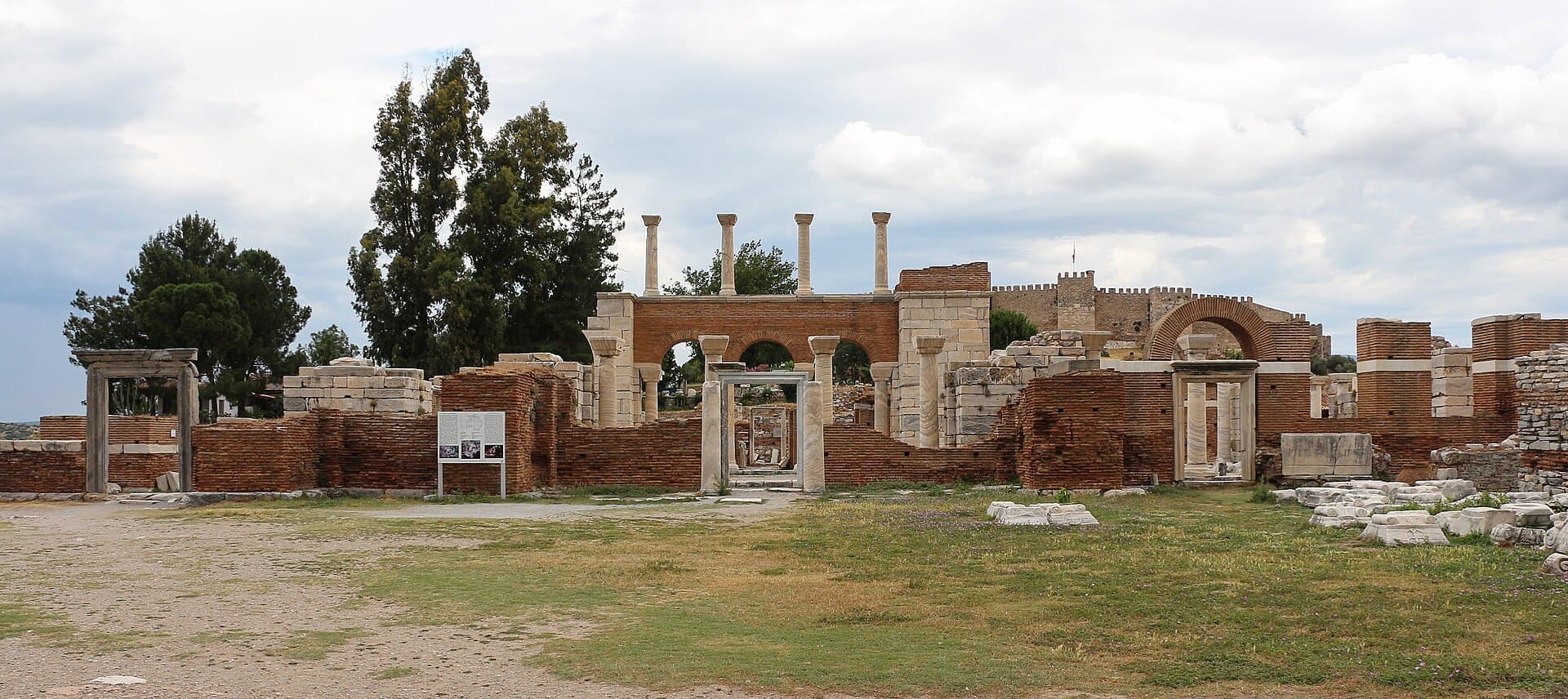 Basilica of St. JohnWhen Justinian ordered a church built over the tomb traditionally held to be tha6 min walk4.6
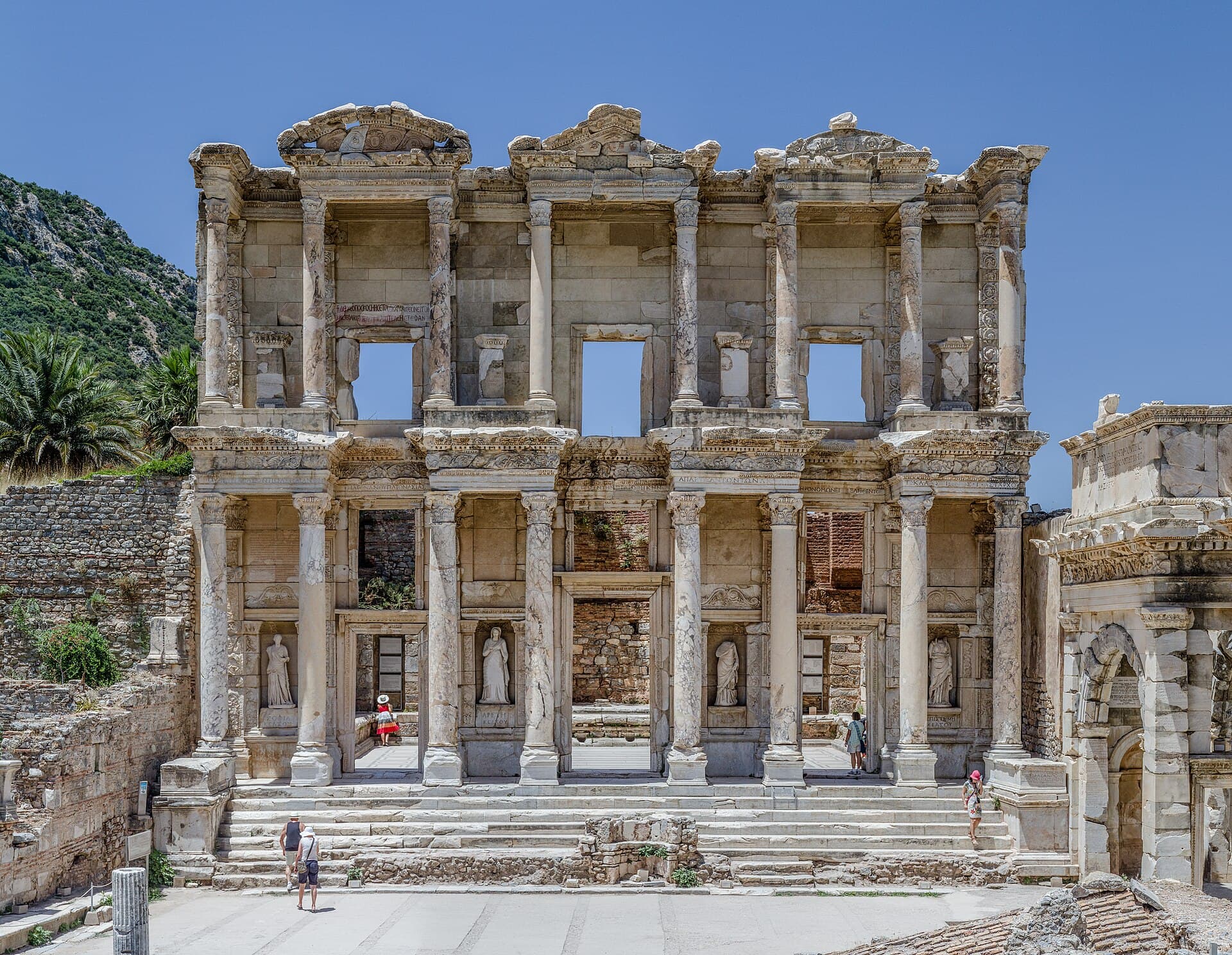 EphesusFew places let you walk a Roman city on this scale: from the Upper Gate to the L22 min walk4.9
Yes, because it costs you nothing: it is on the road between Kuşadası and Selçuk, free, and a quarter of an hour. A special trip for it alone, no; what you will see is one column in a field, and the value is the story and the photo, not the ruins.
At the Ephesus Museum in Selçuk town, a few minutes' drive away, with a fee charged in euros. The two famous marble statues there are what give this field its meaning, so make the museum the last stop of the day.
Sign in to write your review of this place.
No reviews yet — be the first.