
The three columns
Re-erected survivors of the twenty that ringed a circular chamber.
KufoletoAntonio De Lorenzo and Marina Ventayol — CC BY 3.0 · Holger Uwe Schmitt — CC BY-SA 4.0 · Holger Uwe Schmitt — CC BY-SA 4.0 · Holger Uwe Schmitt — CC BY-SA 4.0
**The round building that became the face of Delphi in every photograph** — three re-erected columns on a circular base, among olive trees, with Mount Parnassus behind. It stands on a separate terrace called **Marmaria** ("the marbles"), below the main site along the road, sacred to **Athena Pronaia** — "Athena before the temple" — because pilgrims passed her sanctuary before climbing to Apollo. The tholos itself dates from around **380 BC** and originally had **twenty columns** around a circular chamber. Nobody knows for certain why it was built round, or what it was used for — one of the open questions of Greek architecture. ✅ It is **flat and low-lying**, unlike the sloping main site, so it is easy for anyone to visit. ⚠ And a great many people **drive straight past without stopping**, not realising this is the thing they saw in the pictures.
Re-erected survivors of the twenty that ringed a circular chamber.
Athena's sanctuary, passed by pilgrims before climbing to Apollo.
Olive trees and Mount Parnassus directly behind the columns.
Marmaria, Delphi, 33054 Fokida, Greece
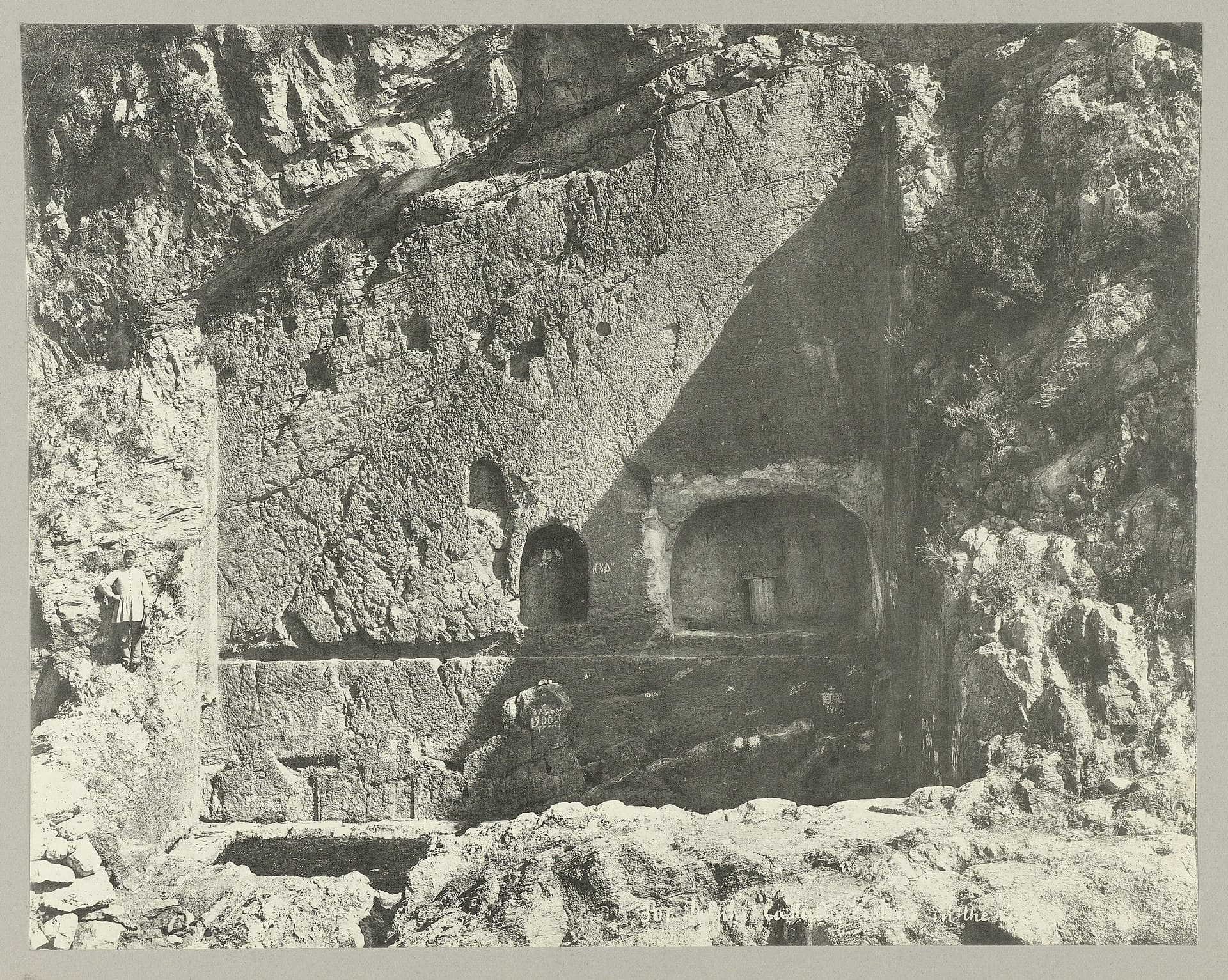 Castalian Spring**The spring you had to wash in before you could ask the oracle** — in a narrow 5 minutes walk4.9
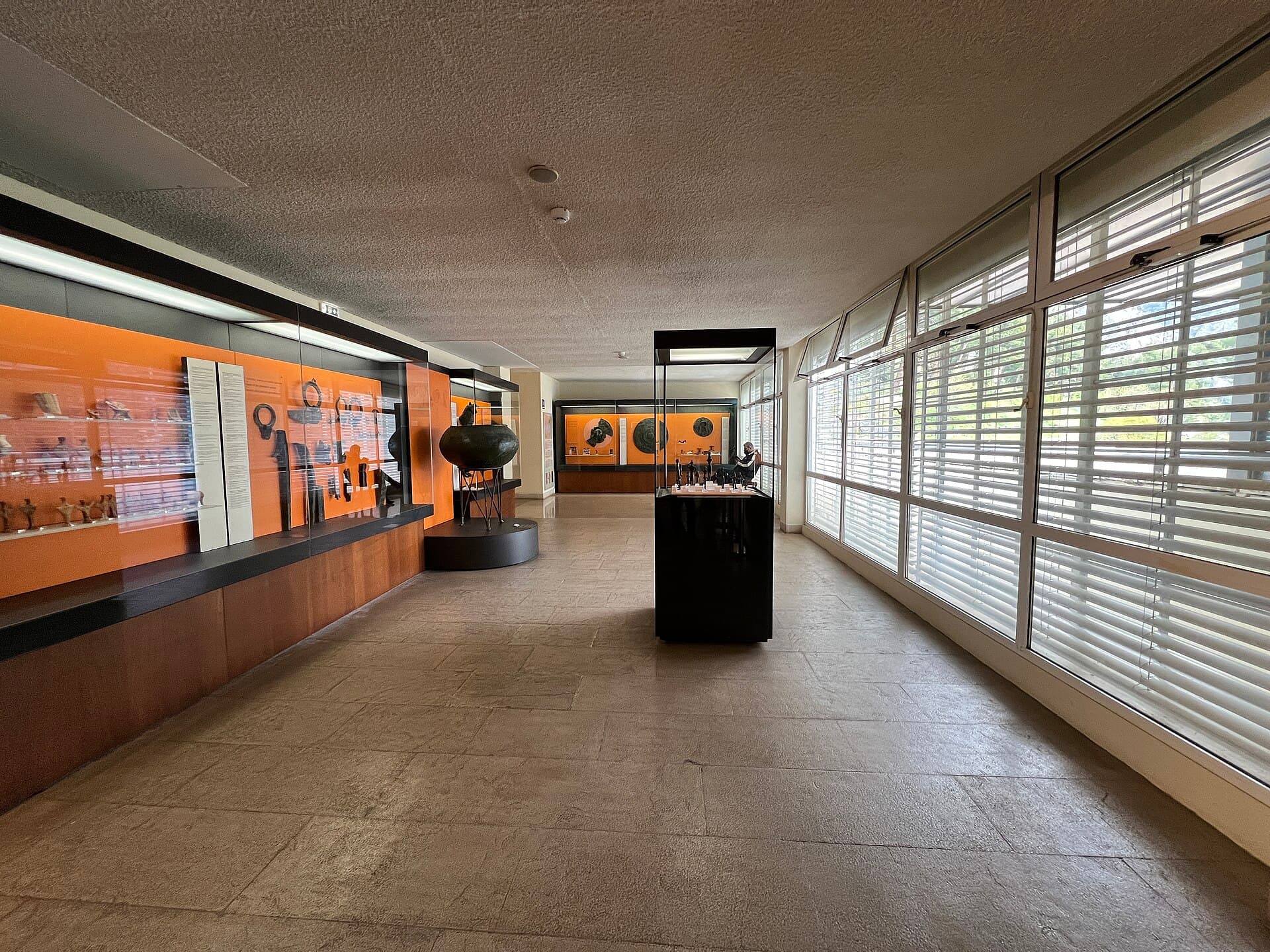 Delphi Archaeological Museum**One of the most important museums in Greece, standing right at the site's gate9 minutes walk4.8
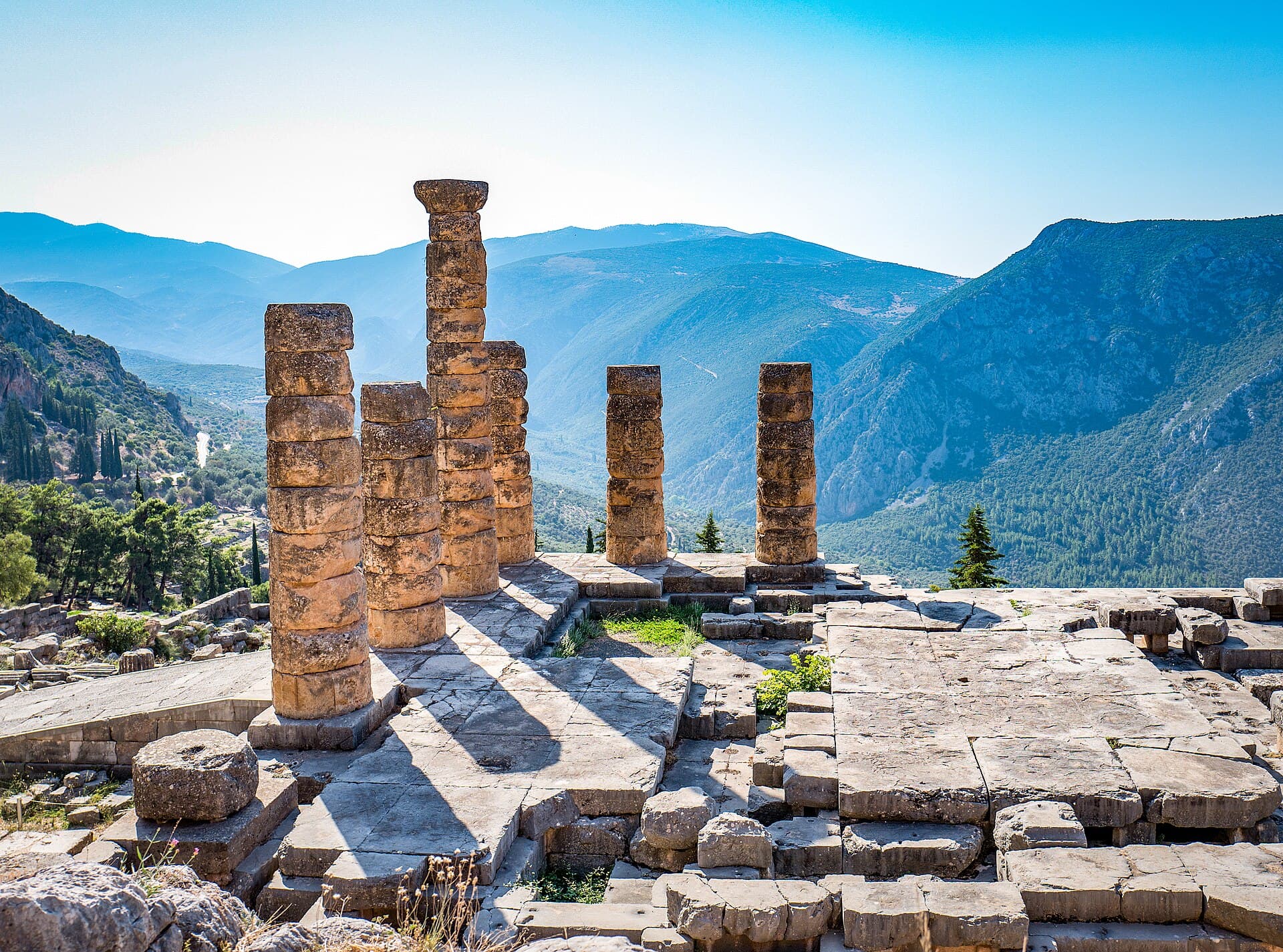 Delphi**The place the Greeks held to be the centre of the world** — literally. The leg10 minutes walk4.9
**Nobody knows — and that is an honest answer, not an evasion.** ✅ **What we know**: round buildings (tholoi) are rare in Greek architecture but they exist, with other examples at **Olympia** and **Epidaurus**. The Delphi one was finished around 380 BC with exceptional care — marble and fine carving — so it was not a minor structure. ⚠ **What we do not know**: **its function**. The hypotheses on offer include a **shrine to a hero or to chthonic powers**, a treasury, a commemorative monument, or a building tied to rites whose details are lost — and no inscription or ancient text settles it. ✅ **Why does that matter to a visitor?** Because it is a reminder that what we know about the Greeks rests on **what happened to survive**: we know the architect's name, the type of marble and the date, and we do not know why it was built — a gap in the evidence rather than in the explanation.
**Make it your first stop, not your last.** ⚠ **The common mistake**: you arrive at the main site entrance, spend two and a half hours climbing and descending in the sun, then come out **tired**, decide you have seen Delphi, and leave — while the tholos sits **300 metres down the road**, unseen. ✅ **The right order**: stop at **Marmaria first** as you come in from the Arachova side — it is on your left before the main site — and give it twenty minutes while you are still fresh, then carry on to the site and museum. ✅ **A practical point**: if you are on an organised tour from Athens, **ask explicitly before booking** whether Marmaria is included — many short tours **do not stop there** for lack of time, and do not tell you so.