
Cherry blossoms
Round the water.
Tim Evanson — CC BY-SA 2.0 · Tim Evanson — CC BY-SA 2.0 · Victoria Stauffenberg — Public domain · Anita Mishra — CC BY-SA 3.0 · Anita Mishra — CC BY-SA 3.0 · Victoria Stauffenberg — Public domain · NPS Photo — Public domain · Tim Evanson — CC BY-SA 2.0
A man-made reservoir between the Potomac River and the Washington Channel, south of the Washington Monument, created in the late 19th century as a scenic centrepiece and a way of flushing the channel. Today it is the heart of the National Cherry Blossom Festival every spring. The festival celebrates the gift of Japanese cherry trees from Tokyo's mayor Yukio Ozaki to Washington on 27 March 1912, and the trees planted around the basin have become America's most famous spring sight, drawing visitors from around the world. A path circles the basin past the Jefferson Memorial, the Martin Luther King Jr. Memorial and the Franklin Delano Roosevelt Memorial, and in season you can rent pedal boats to glide among the blossoms. It is free and always open. The blossoms usually peak in late March or early April for just a few days, so follow the bloom forecasts, and go at sunrise to avoid the heavy crowds.
Round the water.
In season.
Without crowds.
West Potomac Park, south of the Washington Monument
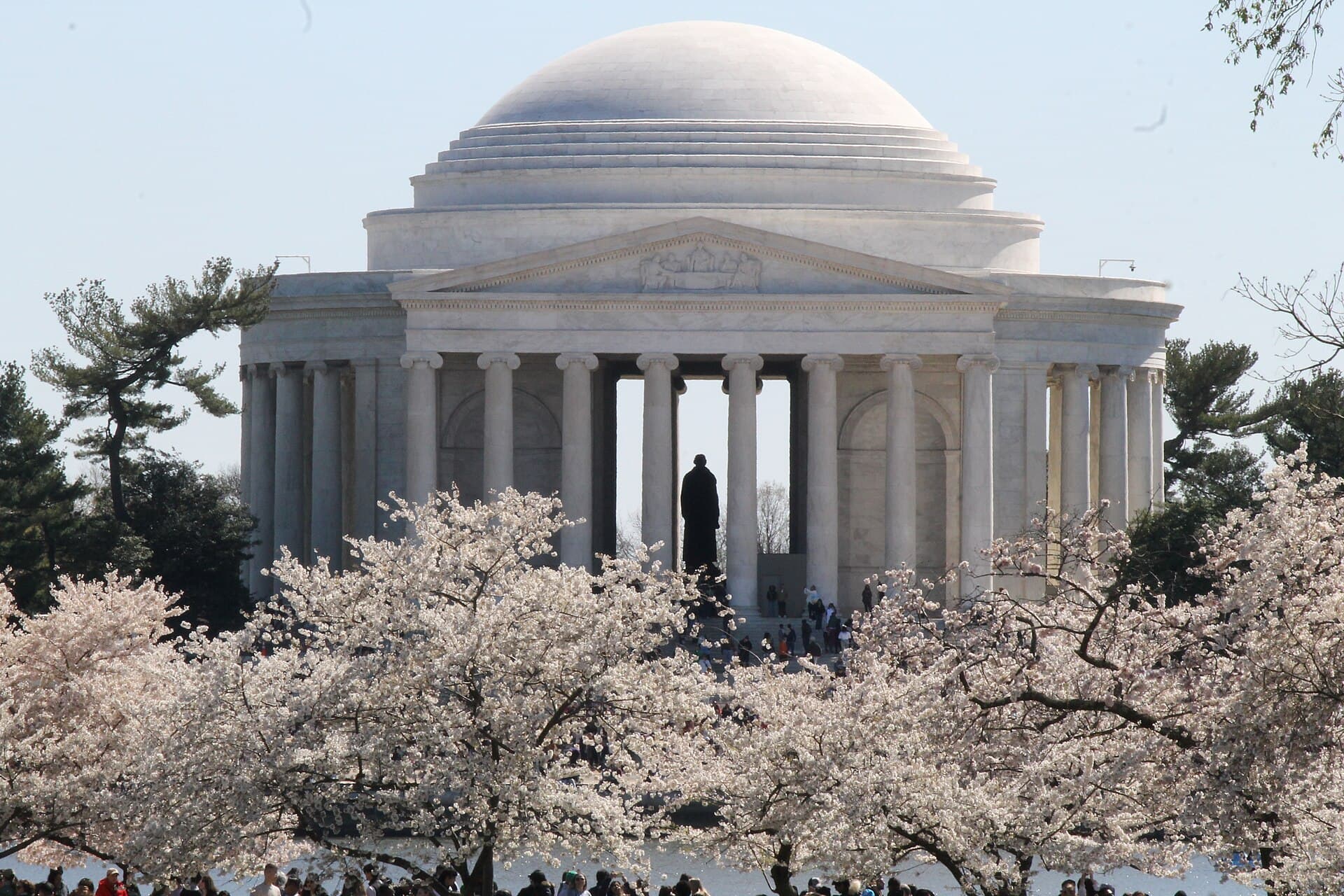 Jefferson MemorialA national memorial to Thomas Jefferson, principal author of the Declaration of 4 minutes walk4.7
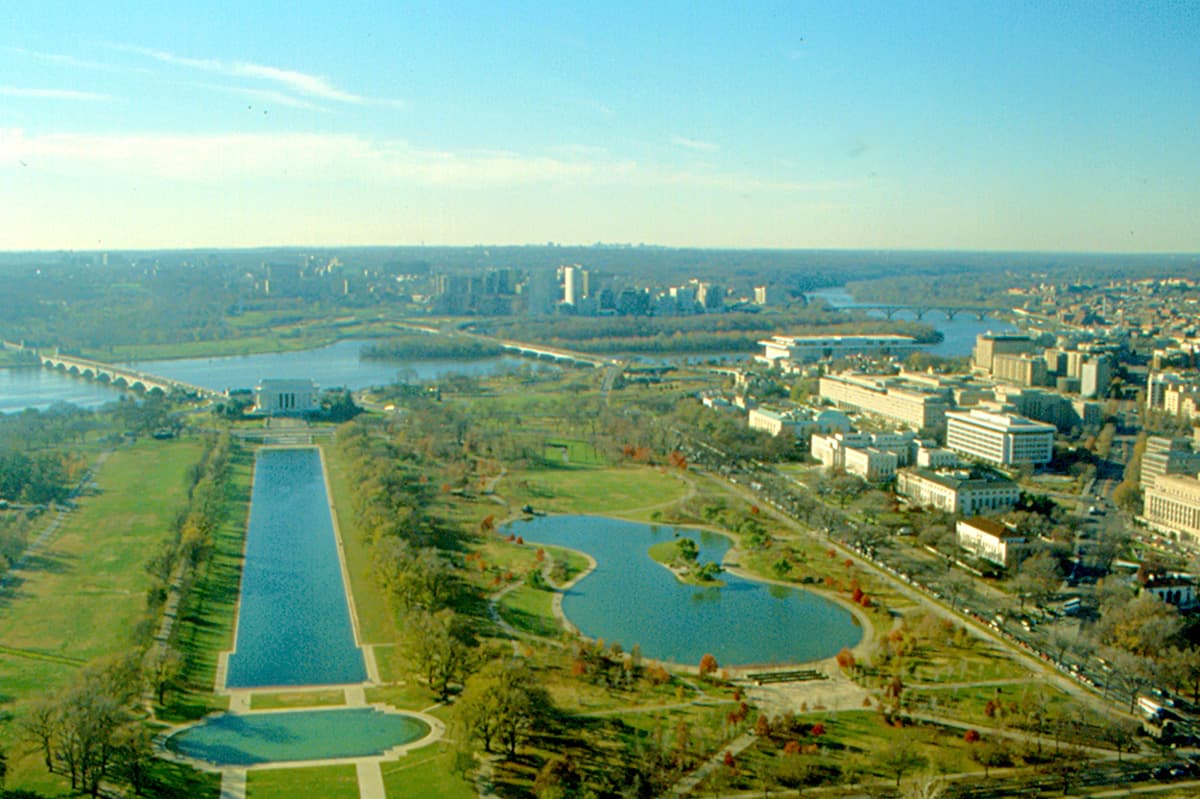 National MallThe great national park in the heart of Washington, D.C., running about three ki5 minutes walk4.7
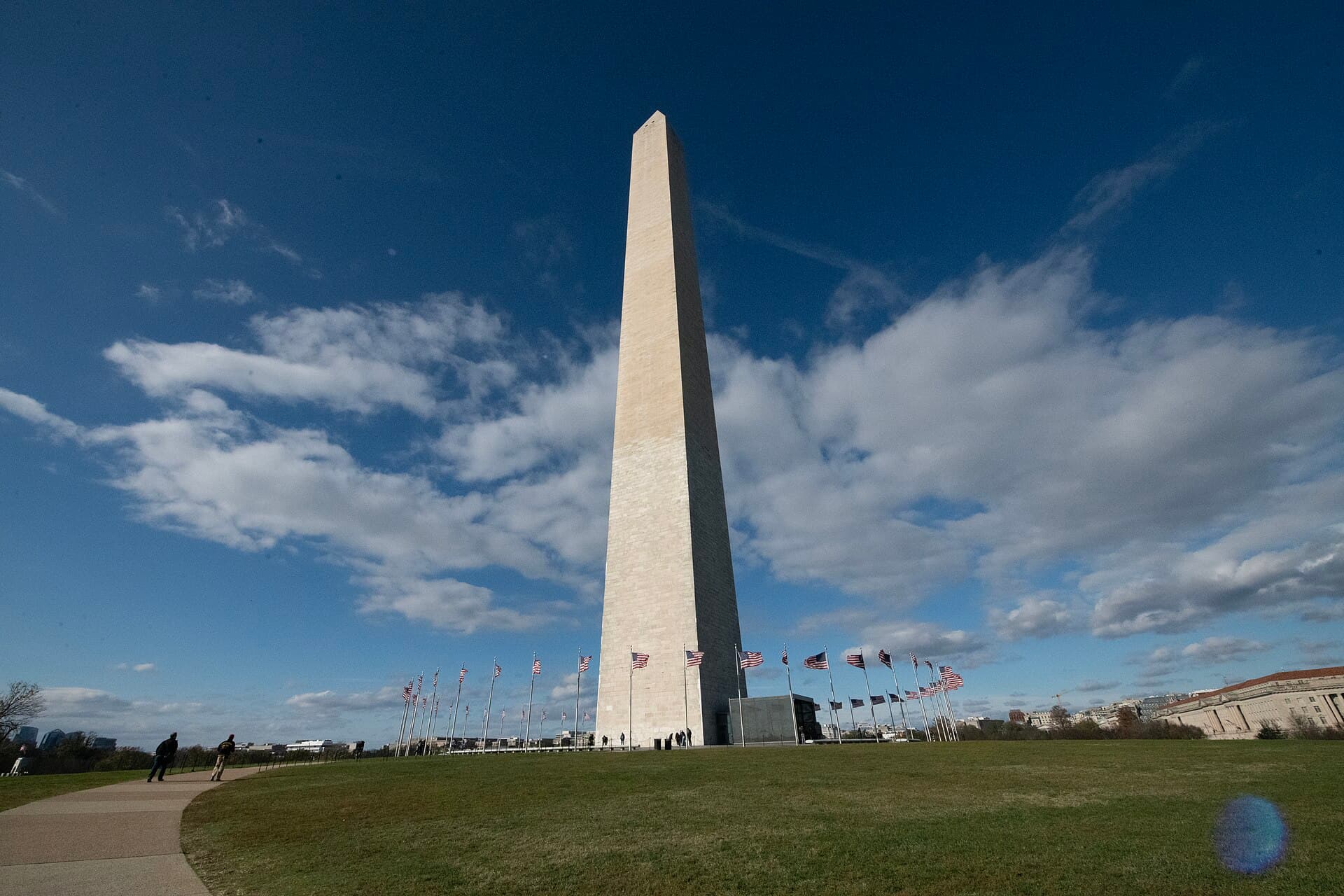 Washington MonumentA white obelisk 169 metres tall at the centre of the National Mall, built to hon8 minutes walk4.6
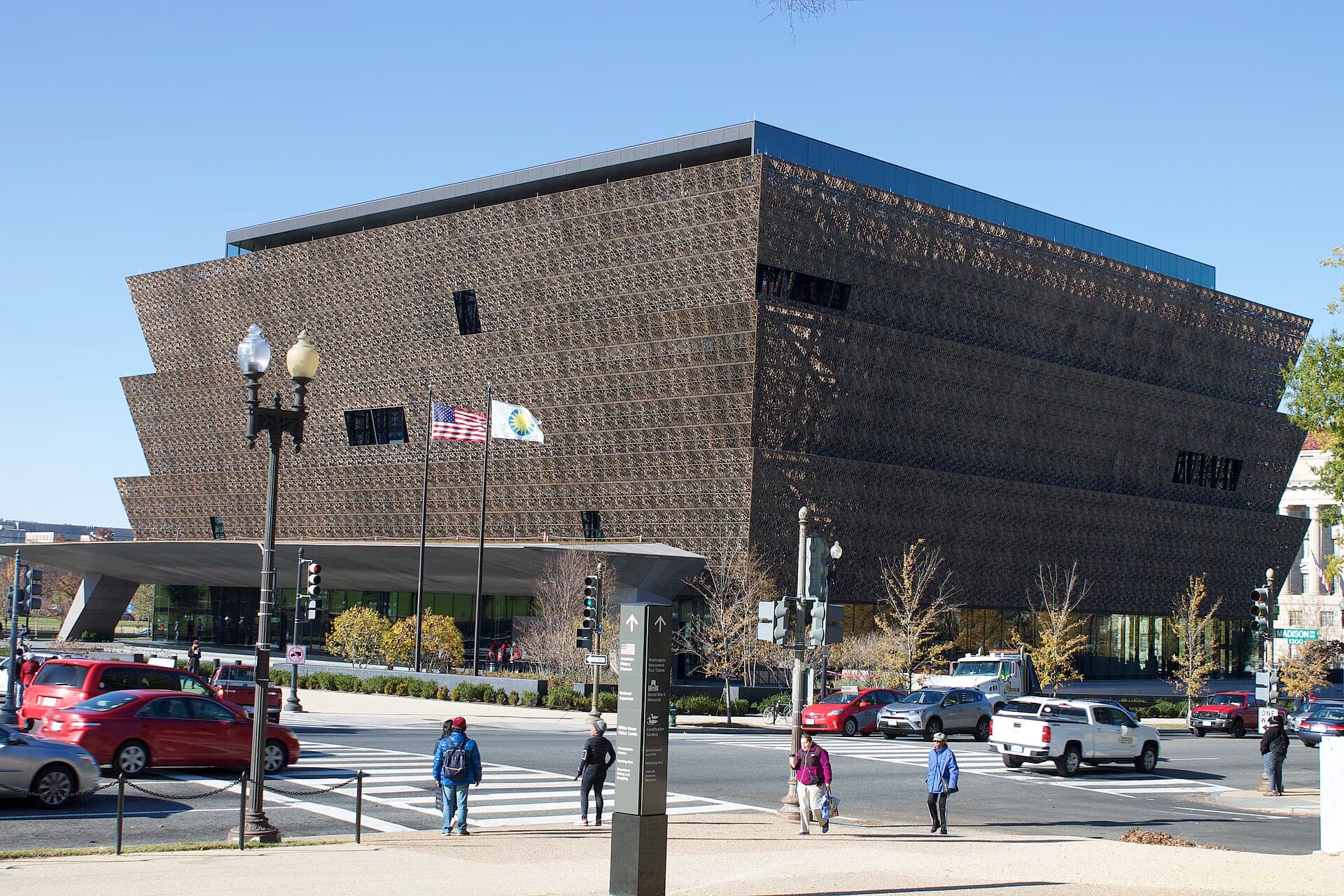 National Museum of African American History and CultureA Smithsonian museum on the National Mall beside the Washington Monument, the wo12 minutes walk4.7
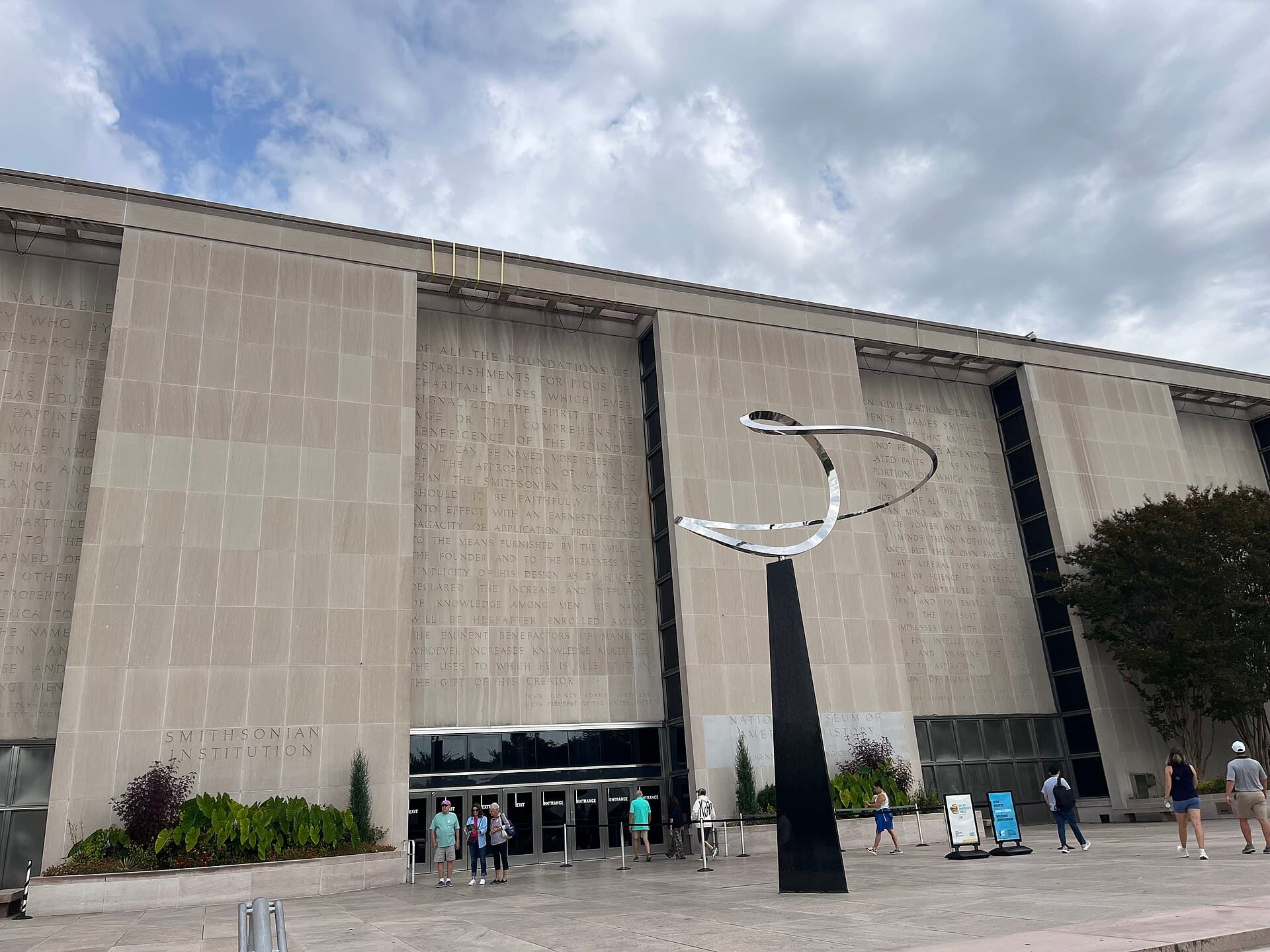 National Museum of American HistoryThe Smithsonian museum of the heritage of the United States in social, political14 minutes walk4.8
They usually peak in late March or early April for a few days; go at sunrise.