
The tomb chamber
An octagonal space under a low dome with carpets, lamps and Quranic inscription — five centuries of pure Ottoman plainness.
Marek Mróz — CC BY-SA 4.0 · FOTO:Fortepan — ID 53615: Adományozó/Donor: Szabó Lóránt. — Public domain · GFreihalter — CC BY-SA 3.0 · Derzsi Elekes Andor — CC BY-SA 3.0
The tomb of Gül Baba is the oldest surviving Islamic monument in Budapest and the northernmost Ottoman Sufi shrine still standing in Europe. Gül Baba was a dervish of the Bektashi order who accompanied the Ottoman army into Hungary and died in Buda in 1541 — tradition holds that he died during the thanksgiving prayer held in Matthias Church after its conversion to a mosque, in the presence of Sultan Suleiman the Magnificent himself. The shrine was built between 1543 and 1548: an octagonal stone building under a low dome, entirely plain, as Ottoman tomb architecture requires. When the Ottomans withdrew from Buda in 1686 the building served for a time as a chapel, then returned to its original purpose, and it has been restored with joint Turkish and Hungarian funding. Today it receives visitors from Turkey, the Balkans and the Arab world. The tomb stands on the slope of Rózsadomb, the Hill of Roses, inside a terraced garden of roses, fountains and colonnades whose balcony looks over the Danube and the roofs of Pest. Entry is normally free, the place is completely quiet and well off the usual tourist route — and for an Arab Muslim traveller it is among the most rewarding stops in Budapest.
An octagonal space under a low dome with carpets, lamps and Quranic inscription — five centuries of pure Ottoman plainness.
Terraces, fountains and roses down the hillside — Gül Baba is said to have brought rose cultivation to Buda, and the hill takes its name from it.
A quiet outlook over the Danube, Margaret Island and the roofs of Pest, with no crowd at all — rare in Budapest.
A century and a half of Ottoman rule left Budapest this shrine, the Rudas baths and little else — here you see it intact.
Mecset utca 14, Rózsadomb, Buda 1023
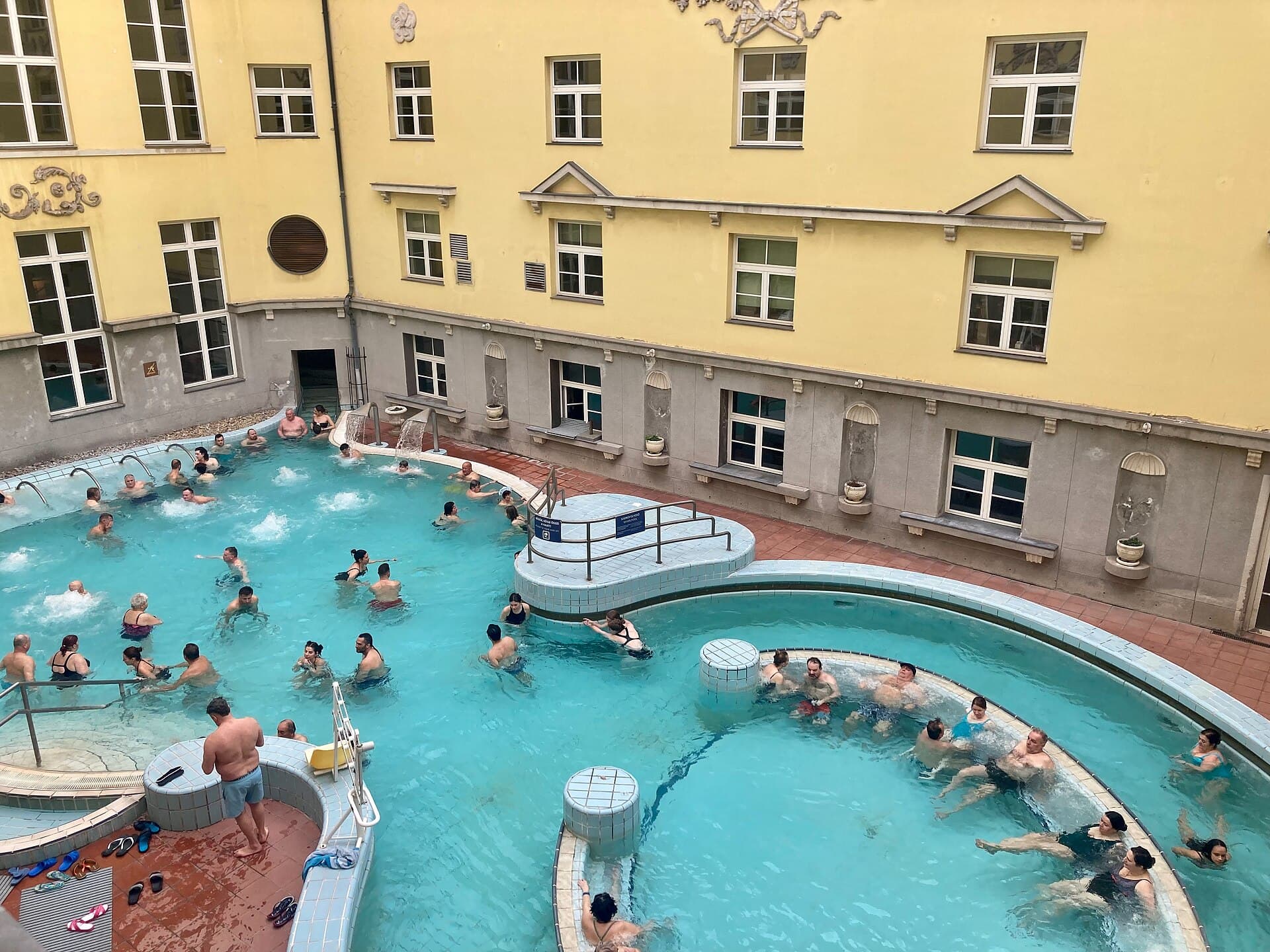 Thermes Szent LukácsThe Lukács Baths are the bath Budapest itself uses. No tour coaches, no queues, 3 minutes walk4.4
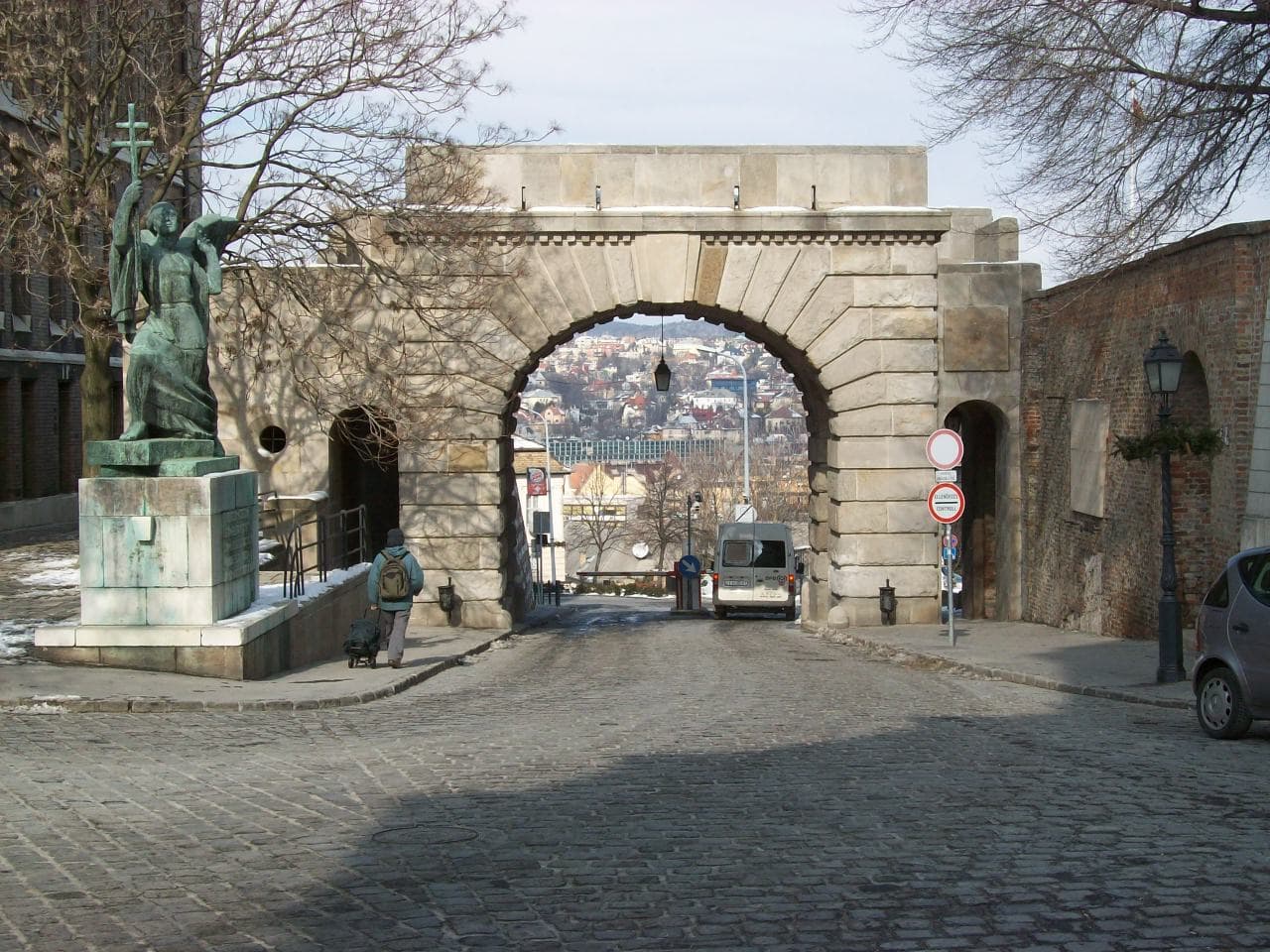 Vienna GateThe Vienna Gate is the northern entrance to the Castle District, named because t16 minutes walk4.5
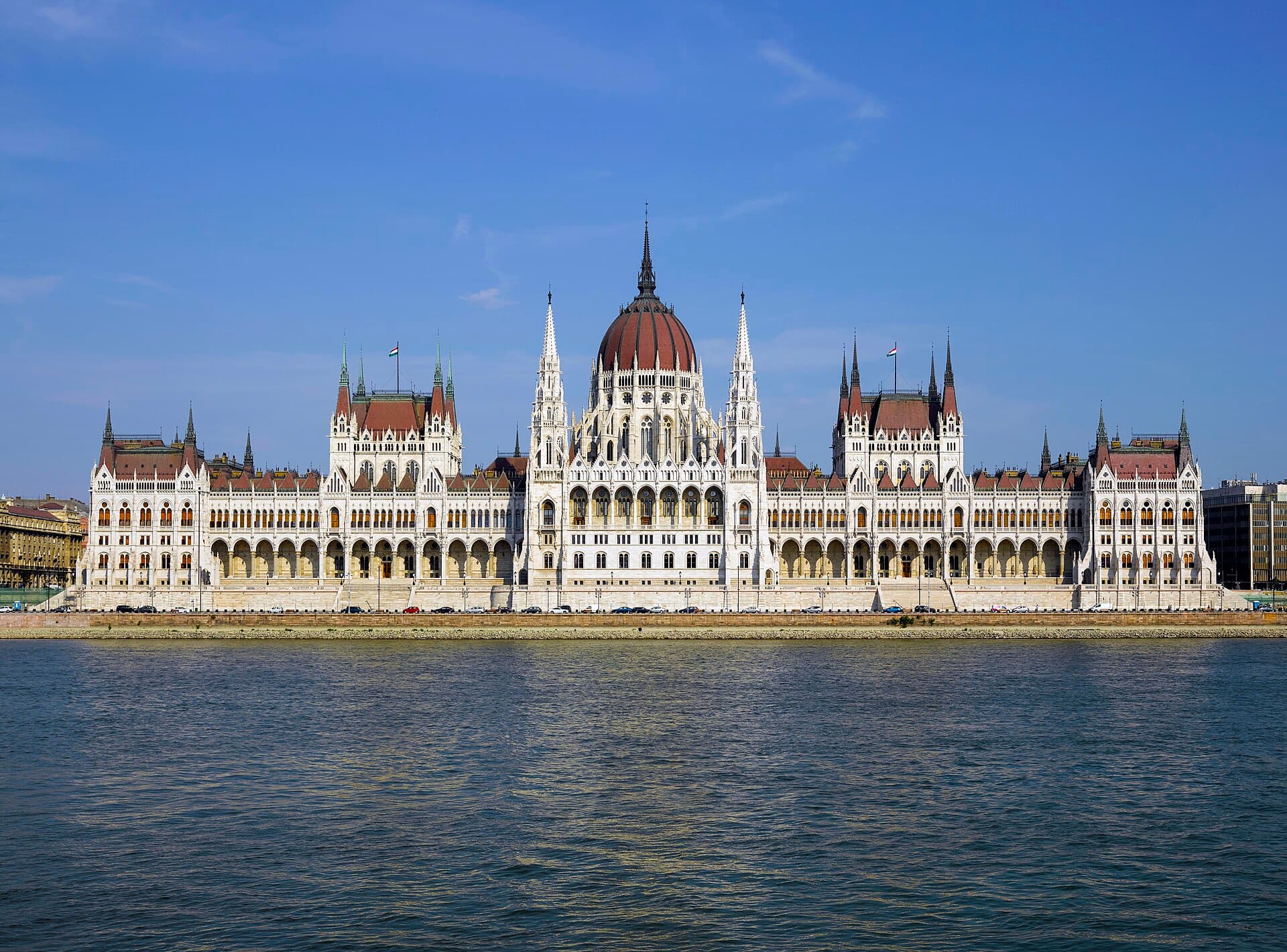 Hungarian Parliament BuildingThe Hungarian Parliament is the largest building in the country and the most fam16 minutes walk4.7
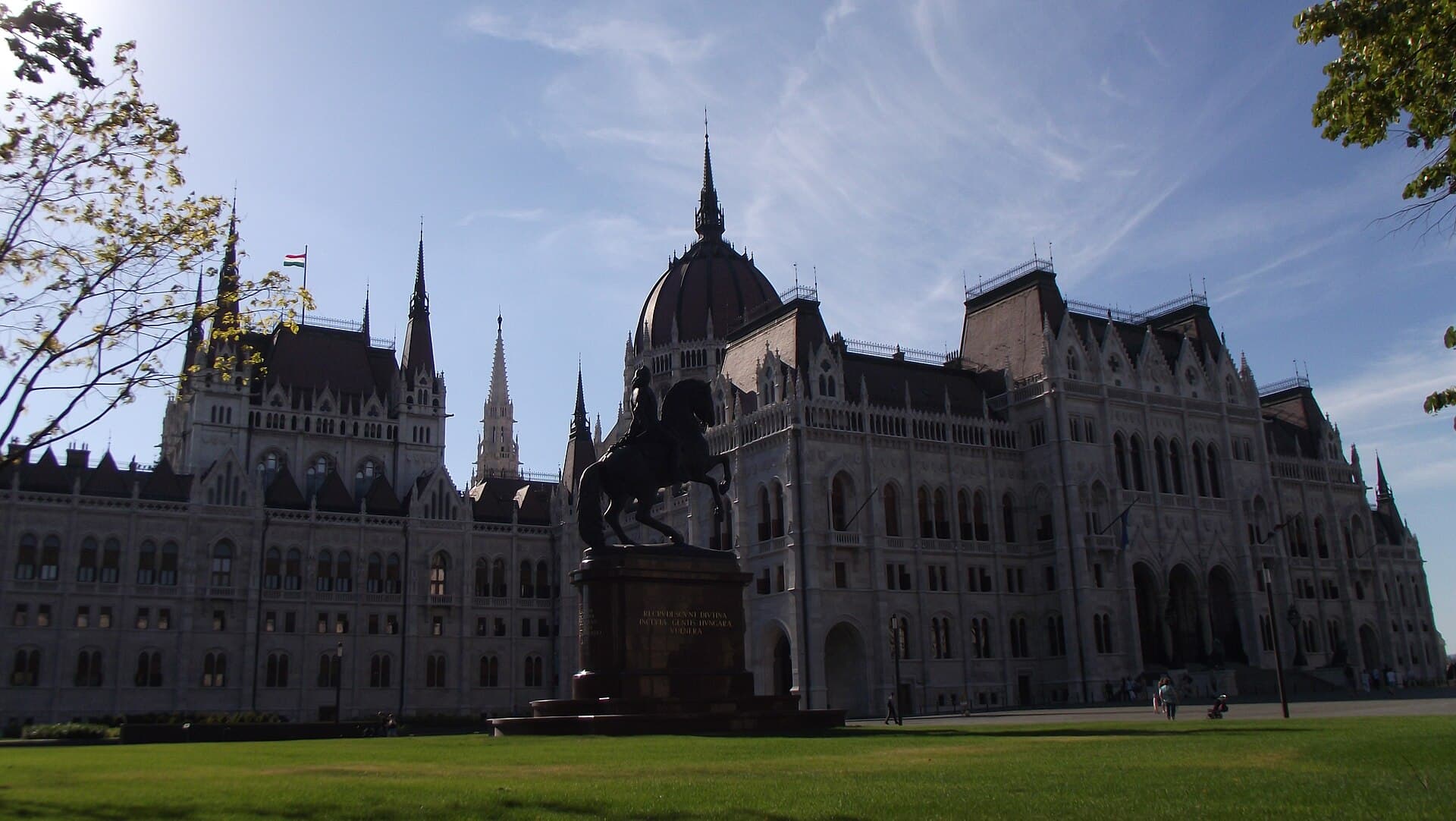 Kossuth SquareKossuth Square is the official square of the Hungarian state: it lies directly b17 minutes walk4.6
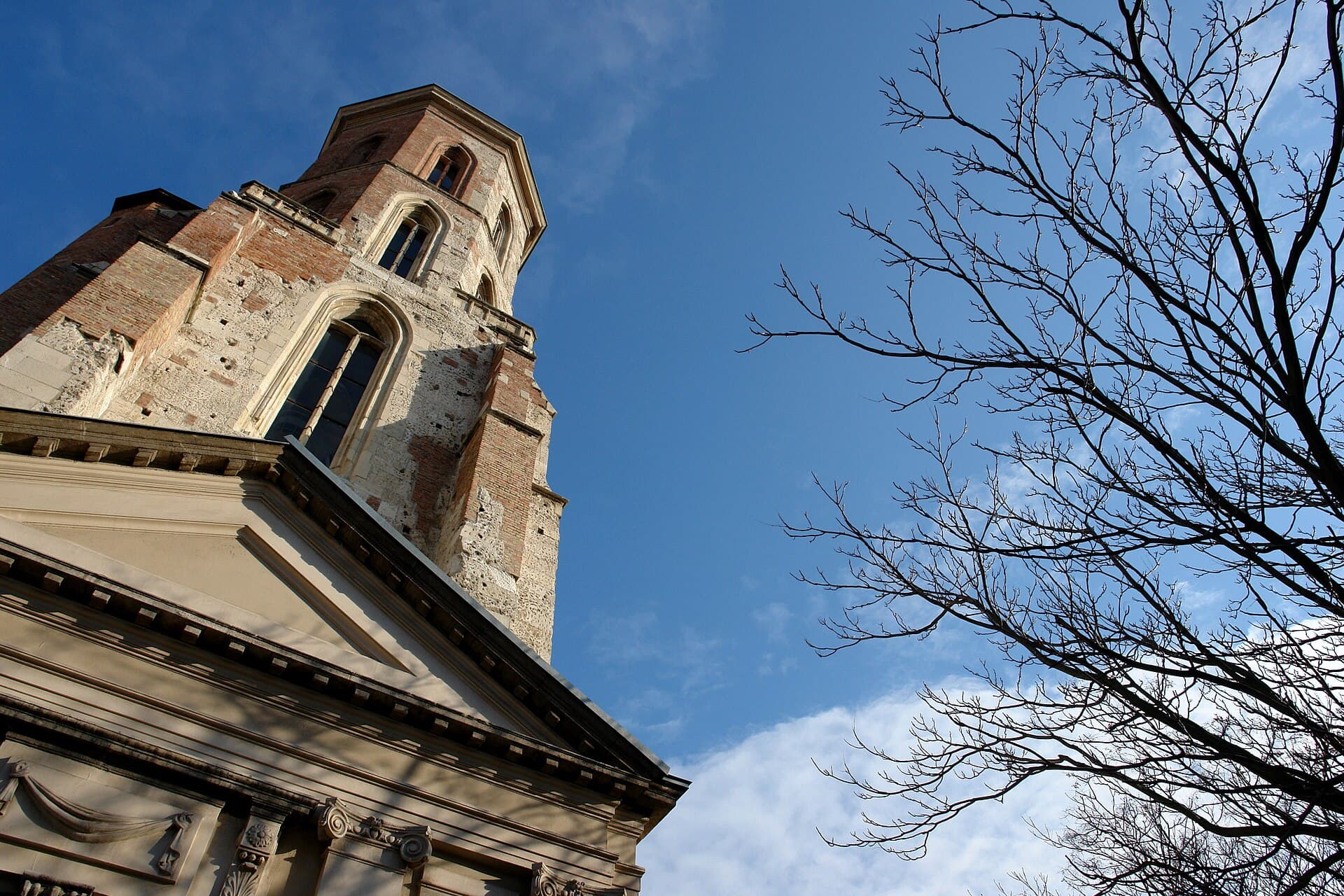 Church of Saint Mary MagdaleneWhat you see at the northern end of the Castle District is not a church but a ch18 minutes walk4.3
An Ottoman dervish of the Bektashi order who accompanied Suleiman the Magnificent's campaigns into Hungary and died in Buda in 1541. His name means "father of roses" in Turkish, and he is credited with bringing rose cultivation to the region — which is where the Hill of Roses beneath his tomb takes its name.
It is a shrine rather than a congregational mosque, and no regular collective prayers are held, but Muslim visitors quietly make duʿāʾ there and it is entirely accepted. For the five daily prayers, look up Budapest's Islamic centres — locations and times are available online.
Clearly yes for an Arab or Muslim traveller: this is the northernmost Ottoman Sufi shrine in Europe, quiet, free and beautifully gardened. Ten minutes uphill from the tram, and it opens a side of Budapest's history no general guide mentions.
Margaret Island is minutes away over Margaret Bridge, and the Lukács baths are close by on the Buda bank. The three make one afternoon in northern Buda.