
The execution yard
The gallows in the back yard where Deniz Gezmiş and two comrades were hanged in 1972, the heaviest moment of the tour.
ilhan turun — CC BY 3.0 · YGulyayeva — CC BY-SA 4.0 · Canercangul — CC BY-SA 4.0 · Canercangul — CC BY-SA 4.0
The gallows are still standing. In the back yard of this prison, at dawn on 6 May 1972, the student leader Deniz Gezmiş and two comrades were hanged, and the name Ulucanlar has been shorthand for the harshest chapters of Turkish politics ever since. For 81 years, from 1925 to 2006, Ankara's central prison, the first built under the Republic, took in poets, journalists, students and future prime ministers; the state closed it, and in 2011 Altındağ municipality reopened it as a museum, billed as the first time in Turkey a prison was turned into a cultural space rather than flattened. The route runs through the communal wards much as they were, iron bunks in rows and what survives of the inmates' writing on the walls, then into the cramped, cold solitary cells, and out to the execution yard, where 19 people were hanged over the prison's lifetime. One ward is given over to the poets and writers who passed through, Nazım Hikmet and Necip Fazıl the most famous; another holds belongings of political figures including Bülent Ecevit, later prime minister four times over. One block was nicknamed the «Hilton» for its relatively humane conditions, and journalists and politicians were held there; a screening room runs documentary footage on the building's history. The twenty-odd wax figures scattered through the rooms are a matter of taste: some add presence, some look overdone. This is not a place for small children. The mood is heavy, the rooms are dark and cold, and the panels describe torture and hangings without softening anything. Teenagers and adults with any curiosity about modern Turkey, though, will leave understanding why the three coups sit so deep in the national memory. The tour is mostly at ground level with barely a stair, and an hour to ninety minutes covers it. The fee is token by tourist standards, around 100 lira at the door, and the Müze Kart is no use here because the museum is municipal, not state-run. It sits in the Hacettepe quarter a few minutes on foot from the restored Ottoman houses of Hamamönü, so pair the two in a half day: the prison first, then coffee and sweets in Hamamönü's lanes to shake it off.
The gallows in the back yard where Deniz Gezmiş and two comrades were hanged in 1972, the heaviest moment of the tour.
The poets' and writers' ward with Nazım Hikmet and Necip Fazıl memorabilia, and the relatively comfortable «Hilton» block where journalists and politicians were held.
Cramped, cold and dark rooms, with what survives of the inmates' writing on the walls.
Hacettepe Mah., Ulucanlar Cad. No:63, Altındağ
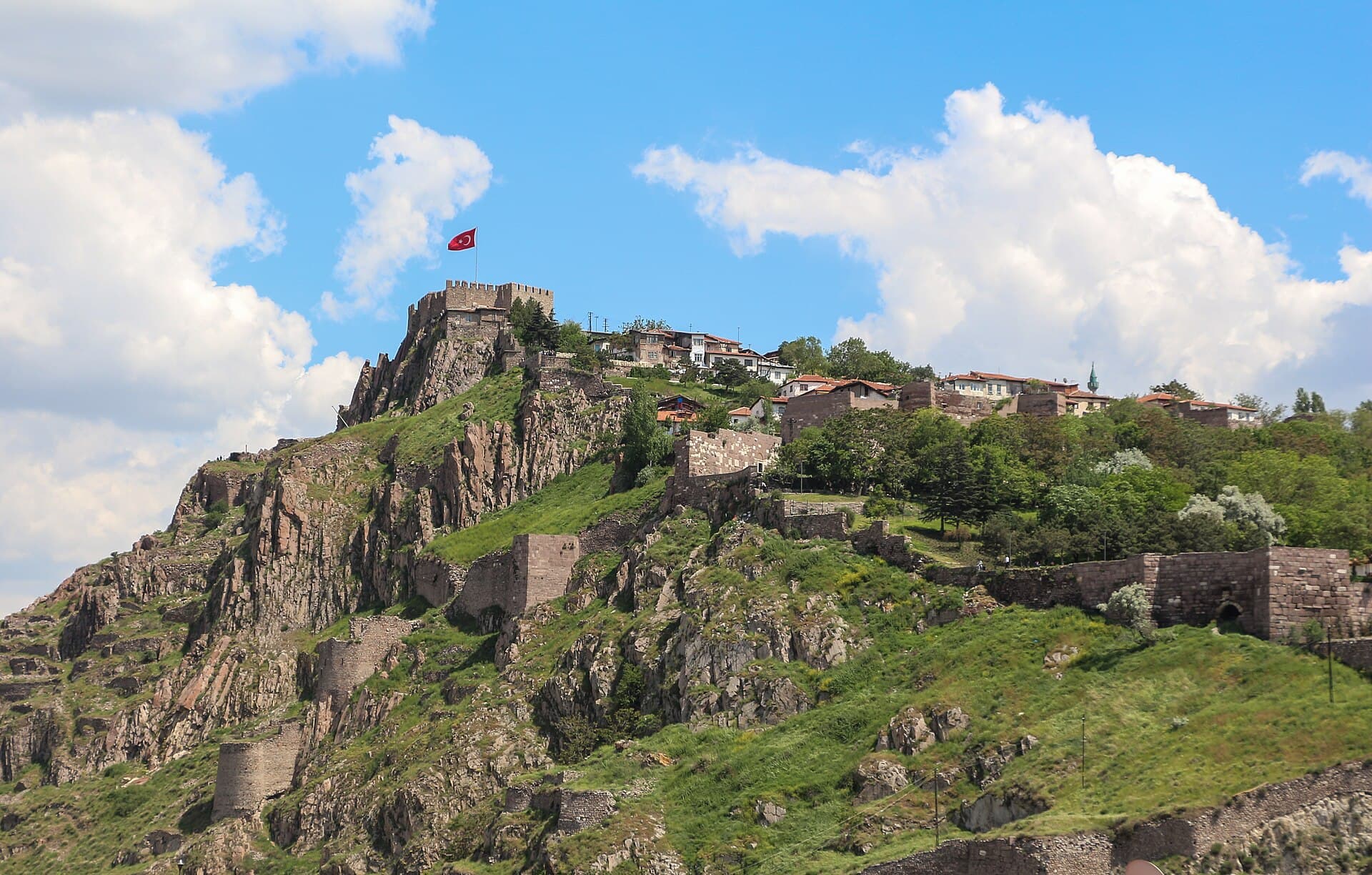 Ankara CastleLook closely at the walls of Ankara Castle and you will find Roman column drums,10 min walk4.3
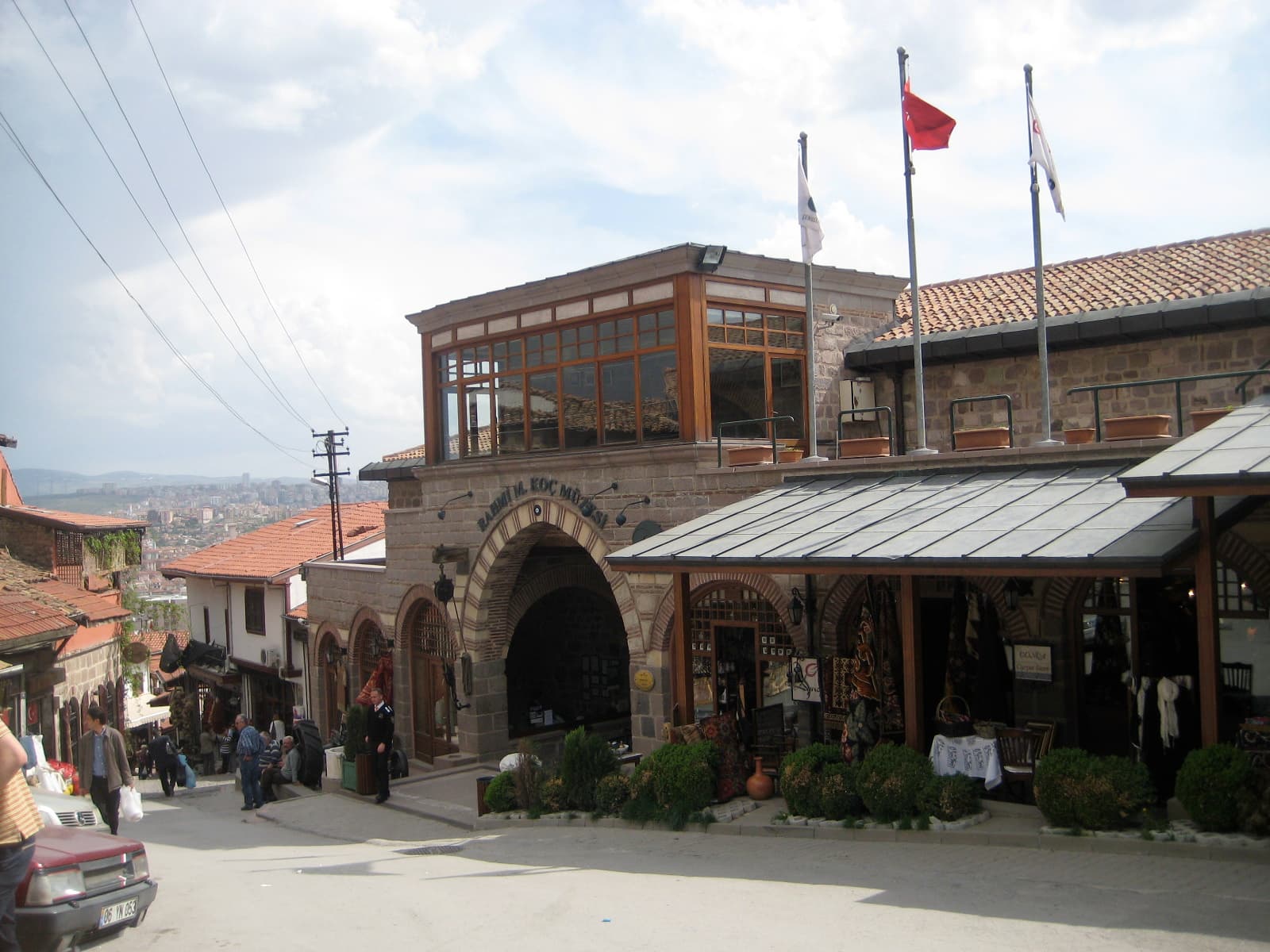 Çengelhan Rahmi M. Koç MuseumA boy called Vehbi Koç once spent his summer holidays behind the counter of a sm10 min walk4.7
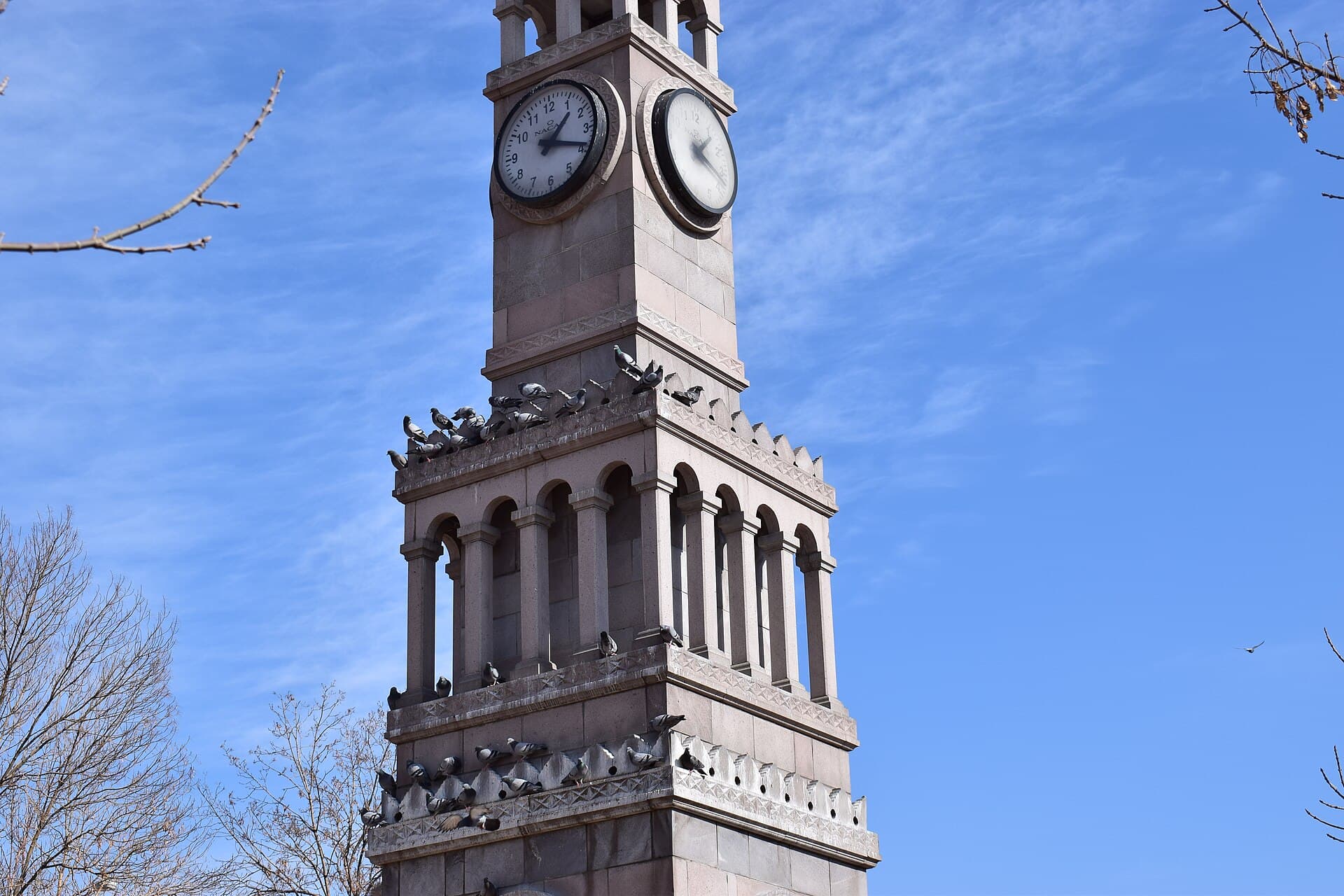 HamamönüTurkey's national anthem was written here, in a small room of a dervish lodge in11 min walk4.5
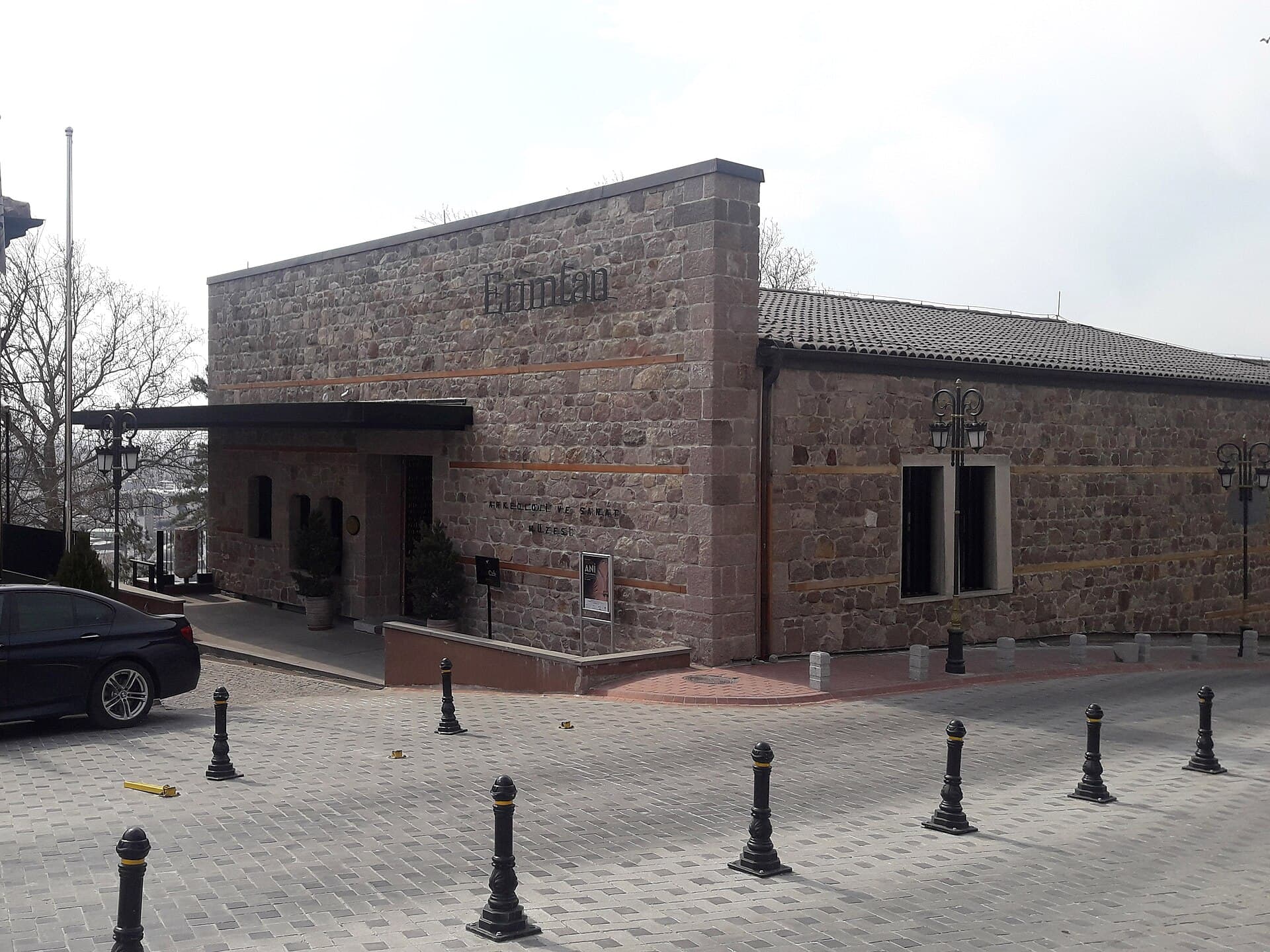 Erimtan Archaeology and Arts MuseumIt started with a few Roman ring stones, bought by a Turkish engineer in 1960, a11 min walk4.4
 Museum of Anatolian CivilizationsUnder the ten domes of a fifteenth-century covered market where Ankara's merchan12 min walk4.7
No. A single day goes to Anıtkabir, the Museum of Anatolian Civilizations and the castle. Ulucanlar is a second-day stop, paired with neighbouring Hamamönü in a half day.
Teenagers yes, under-tens no; the rooms are dark and the stories are brutal. The route is mostly flat, but the atmosphere is the problem, not the stairs.
Sign in to write your review of this place.
No reviews yet — be the first.