
Landmark buildings
Martinelli and the Theatro Municipal.
Diego Torres Silvestre from Sao Paulo, Brazil — CC BY 2.0 · Agent010 — CC BY-SA 4.0 · CC BY-SA 2.0 · Fernando Soares de S… — CC BY-SA 3.0 · joao batista Shimoto — CC BY-SA 3.0
The Anhangabaú Valley is a wide open space at the heart of historic São Paulo, covering about 43,000 square metres between the Chá and Santa Ifigênia viaducts and marking the line between the «Old Centre» and the «New Centre». It was once the valley of a small river of the same name; the river was covered over and the valley became a broad promenade above a road junction that people cross between the east and west of downtown. From the valley you see some of the city's emblems: the Martinelli skyscraper, the Theatro Municipal, the Matarazzo building that houses city hall, and the Altino Arantes tower. It is also the city's great stage: on 16 April 1984 about 1.5 million people gathered here for the «Diretas Já» rally demanding direct presidential elections, the largest public gathering in Brazil's history, and the yearly Virada Cultural puts on shows here. The space is always open and best crossed by day on a walk between the Theatro Municipal, the São Bento monastery and the Municipal Market, keeping an eye on belongings as anywhere downtown.
Martinelli and the Theatro Municipal.
A view over the valley.
A yearly arts marathon.
Between the Chá and Santa Ifigênia viaducts, central São Paulo
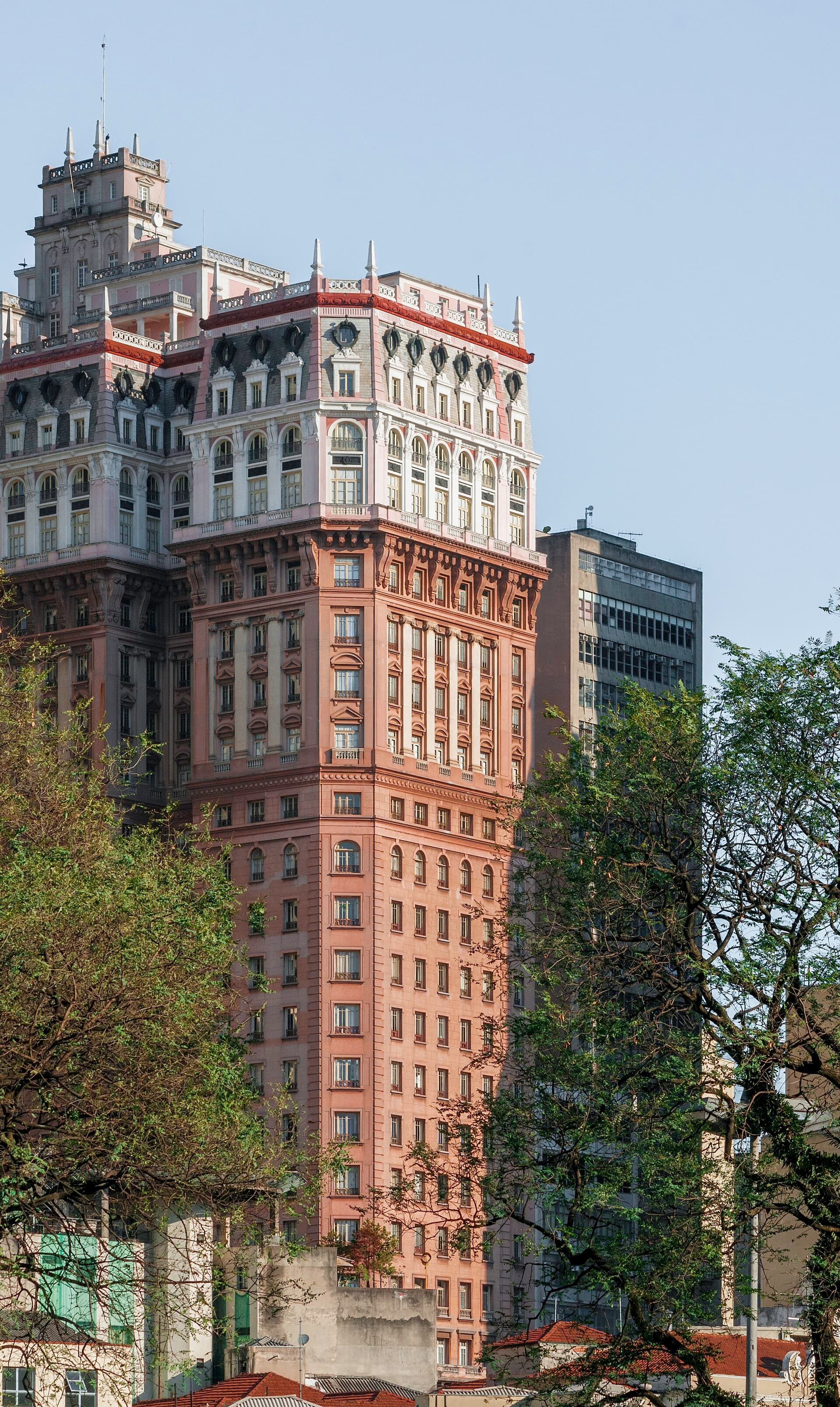 Edifício MartinelliThe Edifício Martinelli was Brazil's first skyscraper, built by the Italian busi2 minutes walk4.4
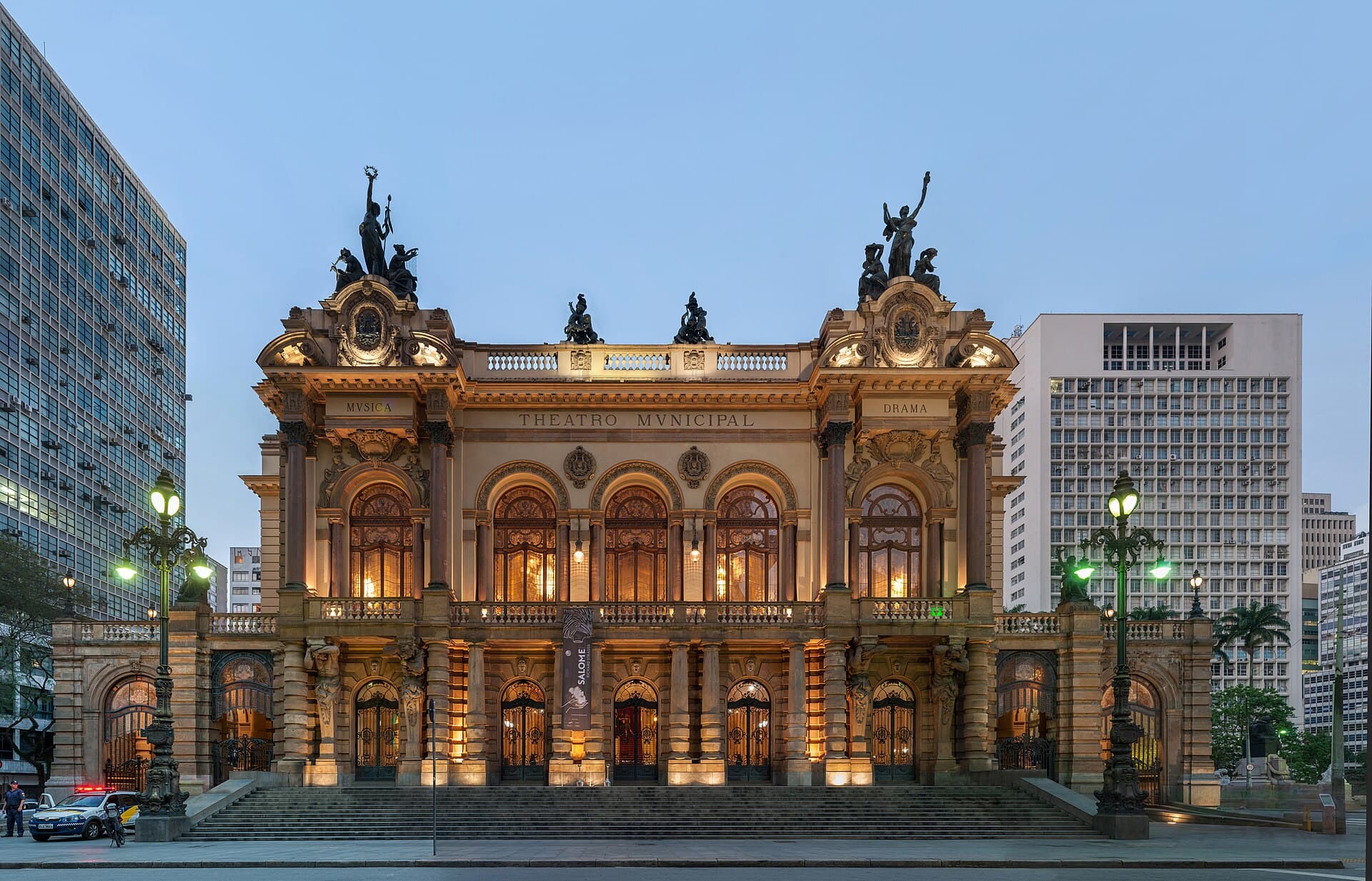 Theatro Municipal, São PauloThe Theatro Municipal is one of São Paulo's great landmarks, on Morro do Chá, Te3 minutes walk4.9
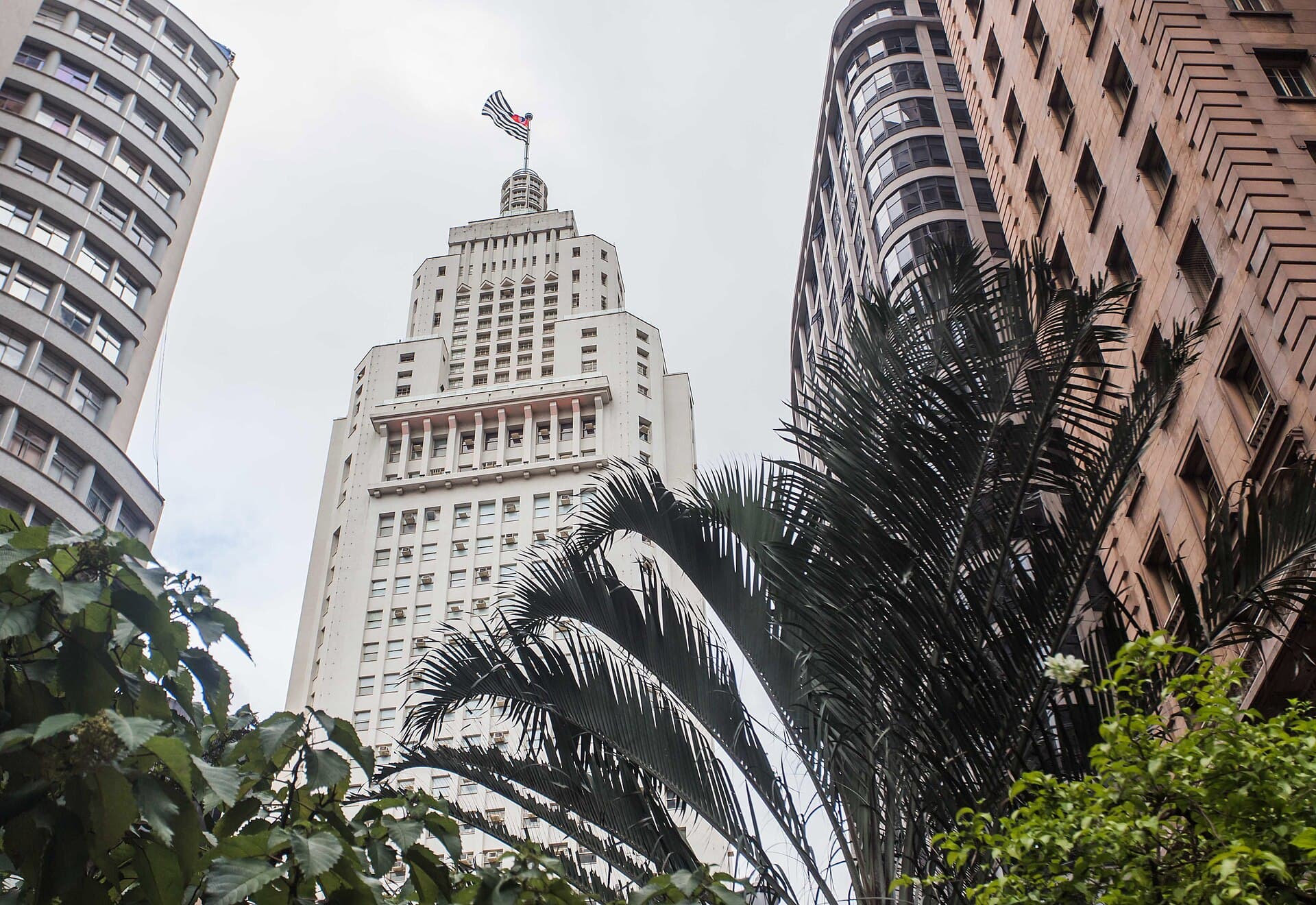 Farol Santander (Altino Arantes Building)Farol Santander is the present name of the Altino Arantes Building, the Art Deco3 minutes walk4.6
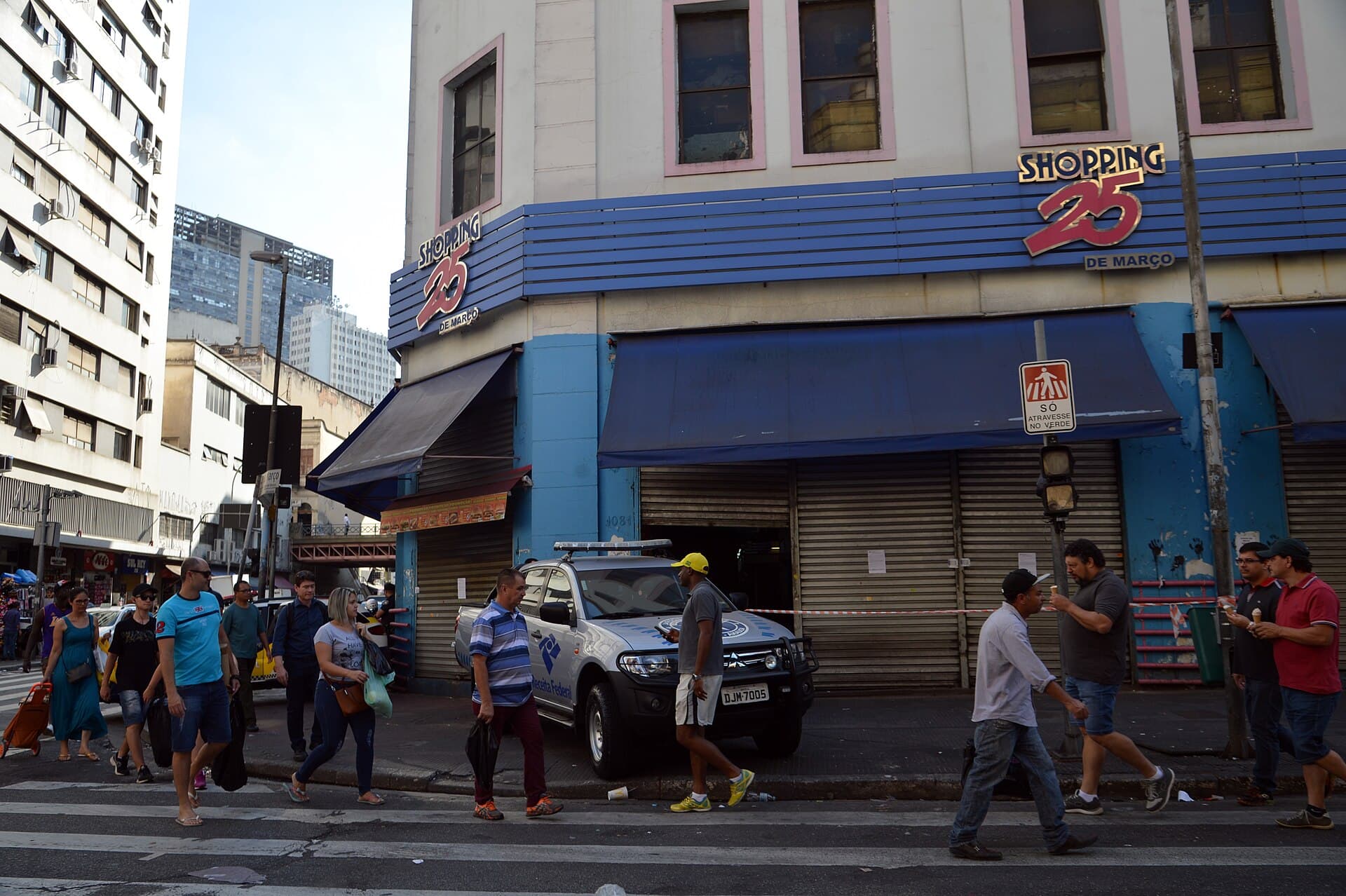 Rua 25 de MarçoRua 25 de Março is São Paulo's best-known street for popular shopping, and its s6 minutes walk4.4
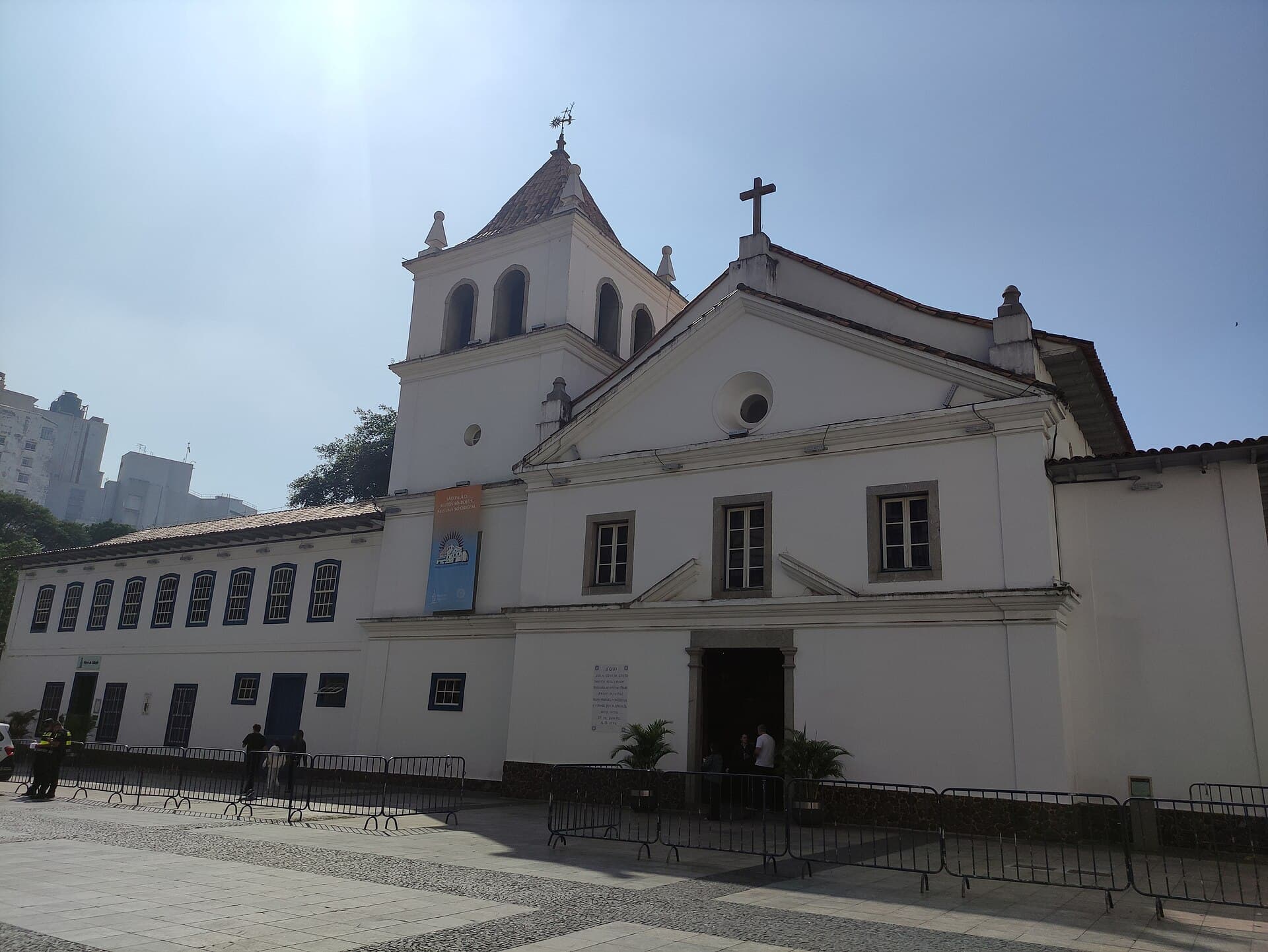 Pateo do CollegioThe Pateo do Collegio marks the spot where São Paulo was founded: here, on 25 Ja6 minutes walk4.4
About 1.5 million people gathered for the «Diretas Já» rally for direct presidential elections, the largest public gathering in Brazil's history.