
Museu Anchieta
The city's beginnings.
Ferik80 — CC BY-SA 4.0 · Wilfredor — CC0 · Slyronit — CC BY-SA 4.0 · Regina Kalmann — Public domain
The Pateo do Collegio marks the spot where São Paulo was founded: here, on 25 January 1554, Jesuit priests including Manuel da Nóbrega and José de Anchieta opened a mission school on a plateau between the Tamanduateí and Anhangabaú rivers, in a first building that was a hut roofed with palm leaves. The Jesuits were expelled in 1640, returned in 1653 and left for good in 1759, when the buildings became the seat of the colonial governors. The original structures were later rebuilt in other styles and the church collapsed in 1896; what stands today is a reconstruction housing the Museu Anchieta, which tells the story of the city's beginnings, beside a small square in the historic centre. Tickets cost R$26 (half price R$13), free for children up to 7; Tuesday to Saturday 9:00-16:45.
The city's beginnings.
25 January 1554.
A small square.
Largo Pátio do Colégio 2, central São Paulo
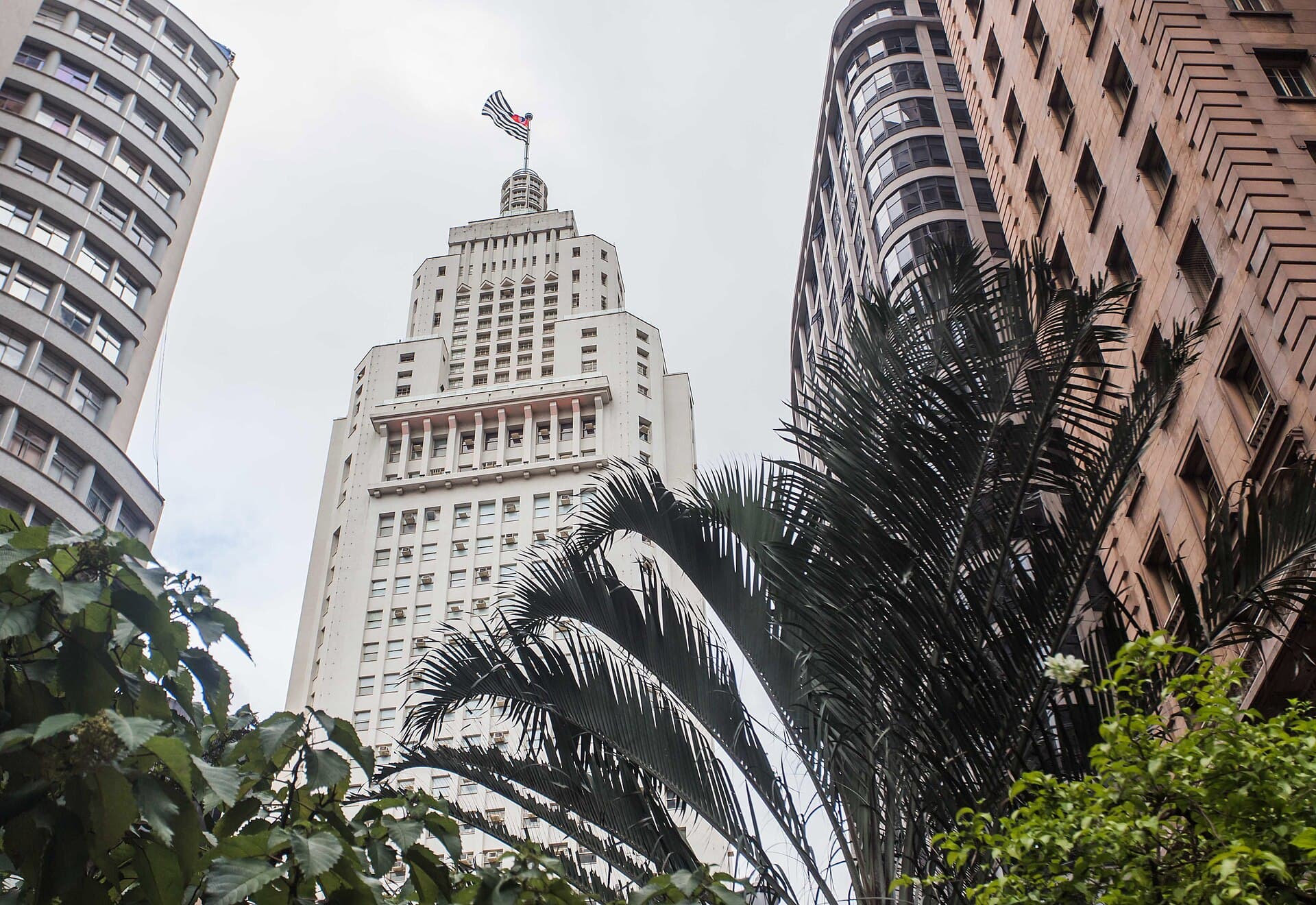 Farol Santander (Altino Arantes Building)Farol Santander is the present name of the Altino Arantes Building, the Art Deco4 minutes walk4.6
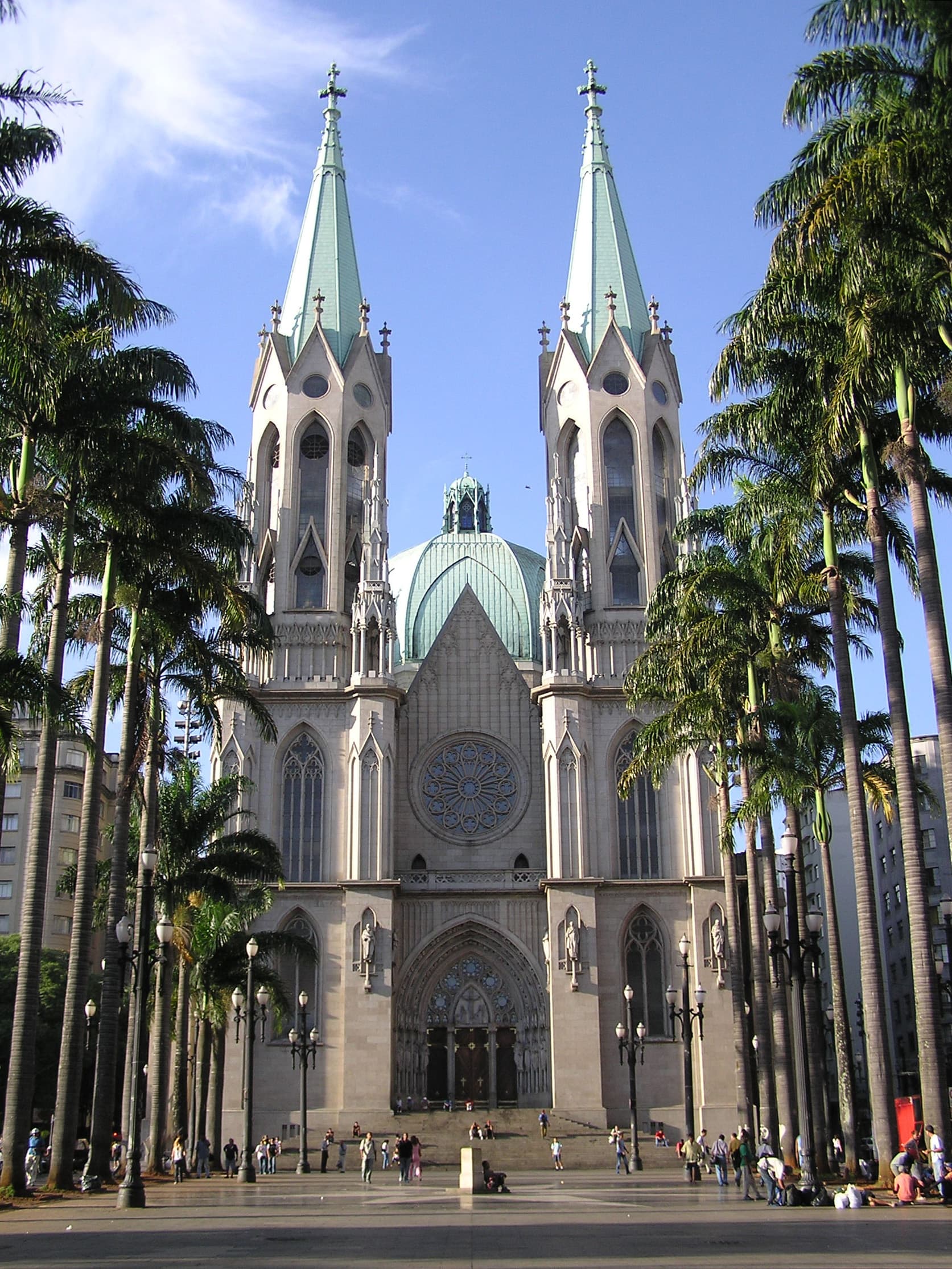 São Paulo Cathedral (Sé)The Sé Cathedral is São Paulo's largest Catholic church, overlooking Praça da Sé5 minutes walk4.8
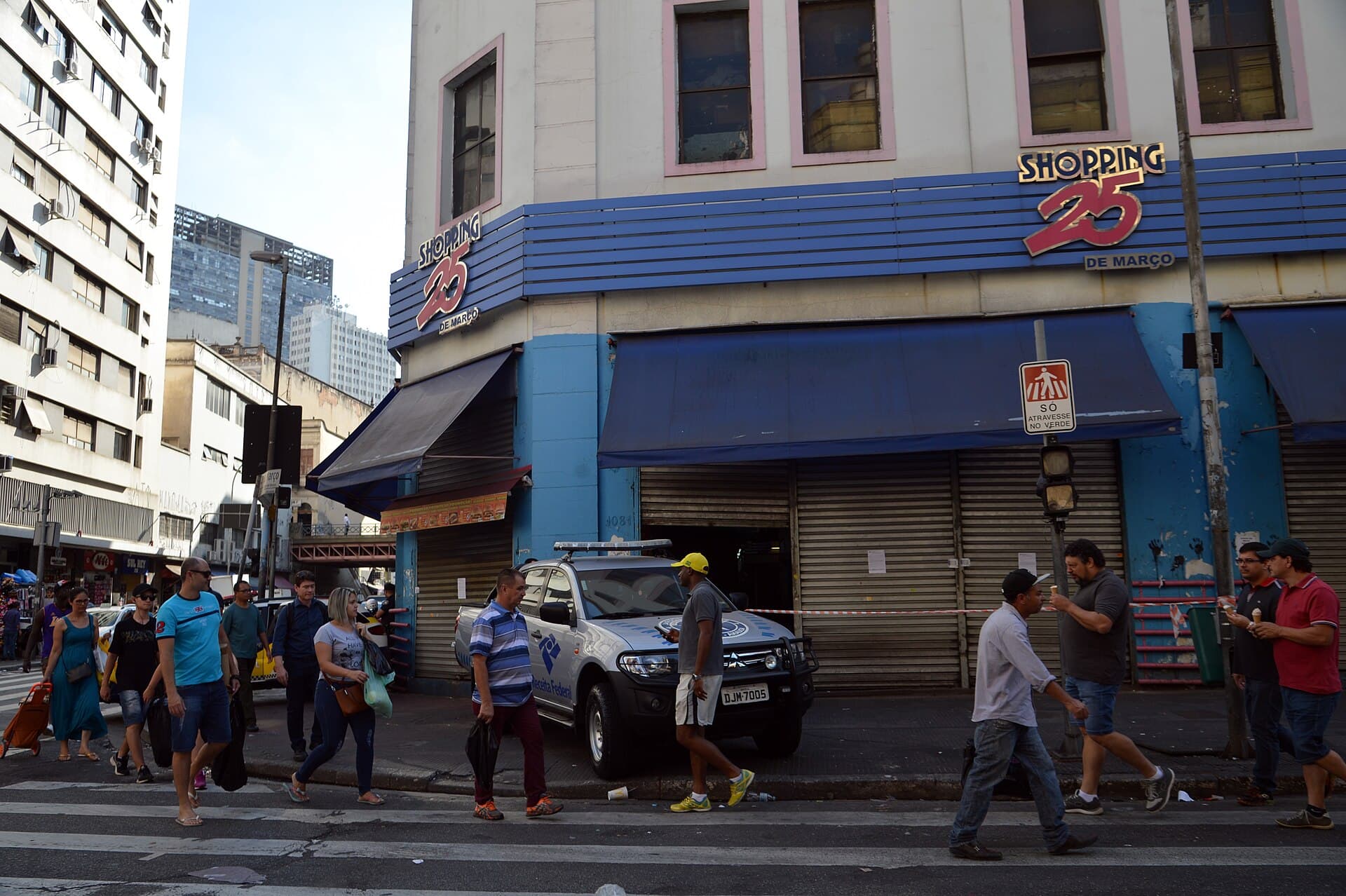 Rua 25 de MarçoRua 25 de Março is São Paulo's best-known street for popular shopping, and its s6 minutes walk4.4
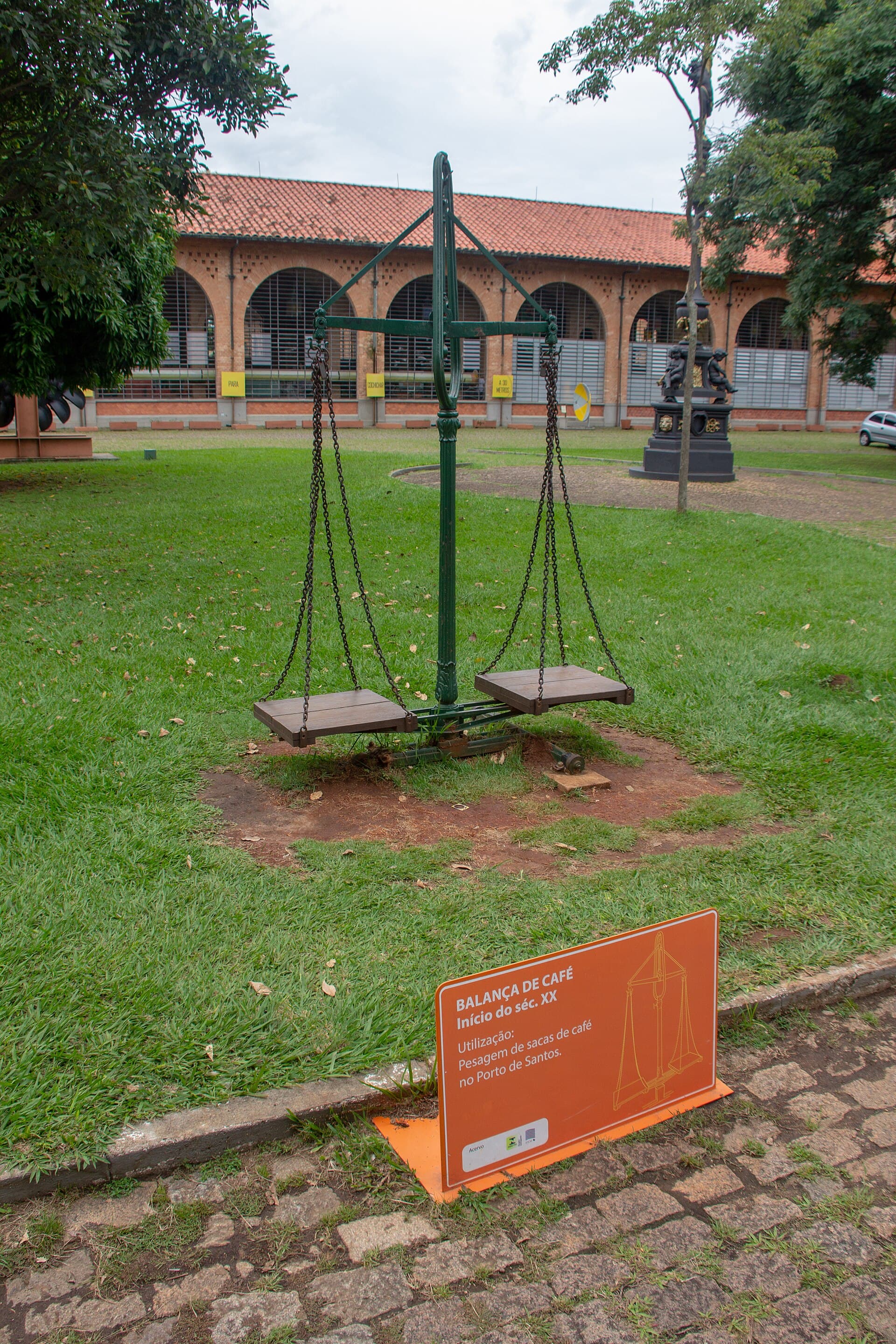 Catavento MuseumThe Catavento is an interactive science museum opened in 2009 in the Palácio das8 minutes walk4.9
 Theatro Municipal, São PauloThe Theatro Municipal is one of São Paulo's great landmarks, on Morro do Chá, Te9 minutes walk4.9
It marks the founding of São Paulo on 25 January 1554, when the Jesuits opened their mission school there.