
Colourful houses
On the slopes.
Djknusper — CC BY-SA 4.0 · Carlos Figueroa Rojas — CC BY-SA 4.0 · Diego Delso — CC BY-SA 3.0 · Carlos Figueroa Rojas — CC BY-SA 4.0
A unique port city climbing more than forty hills above a Pacific bay, in the nineteenth century the most important port on the southern coast before the Panama Canal opened, so European merchants built colourful houses on its slopes. UNESCO listed its historic quarter as World Heritage in 2003. Its loveliest parts are Cerro Alegre and Cerro Concepción: winding lanes and narrow stairways, wooden and metal-clad houses painted blue, yellow and red, and huge murals covering the walls until the city became an open-air museum of street art, plus cafés and restaurants with terraces over the port. From the Gervasoni and Yugoslavo promenades stretch views over the bay, ships, cranes and rooftops stacked up the hills. Many reach the top by the historic funiculars instead of the stairs. Wear comfortable shoes for the slopes, and join a morning walking tour to learn the story of the murals and houses. Valparaíso has street theft in quiet, steep lanes, so stay in the busy tourist hills by day and take taxis at night.
On the slopes.
Street art.
Port views.
Cerro Alegre and Cerro Concepción above Valparaíso port
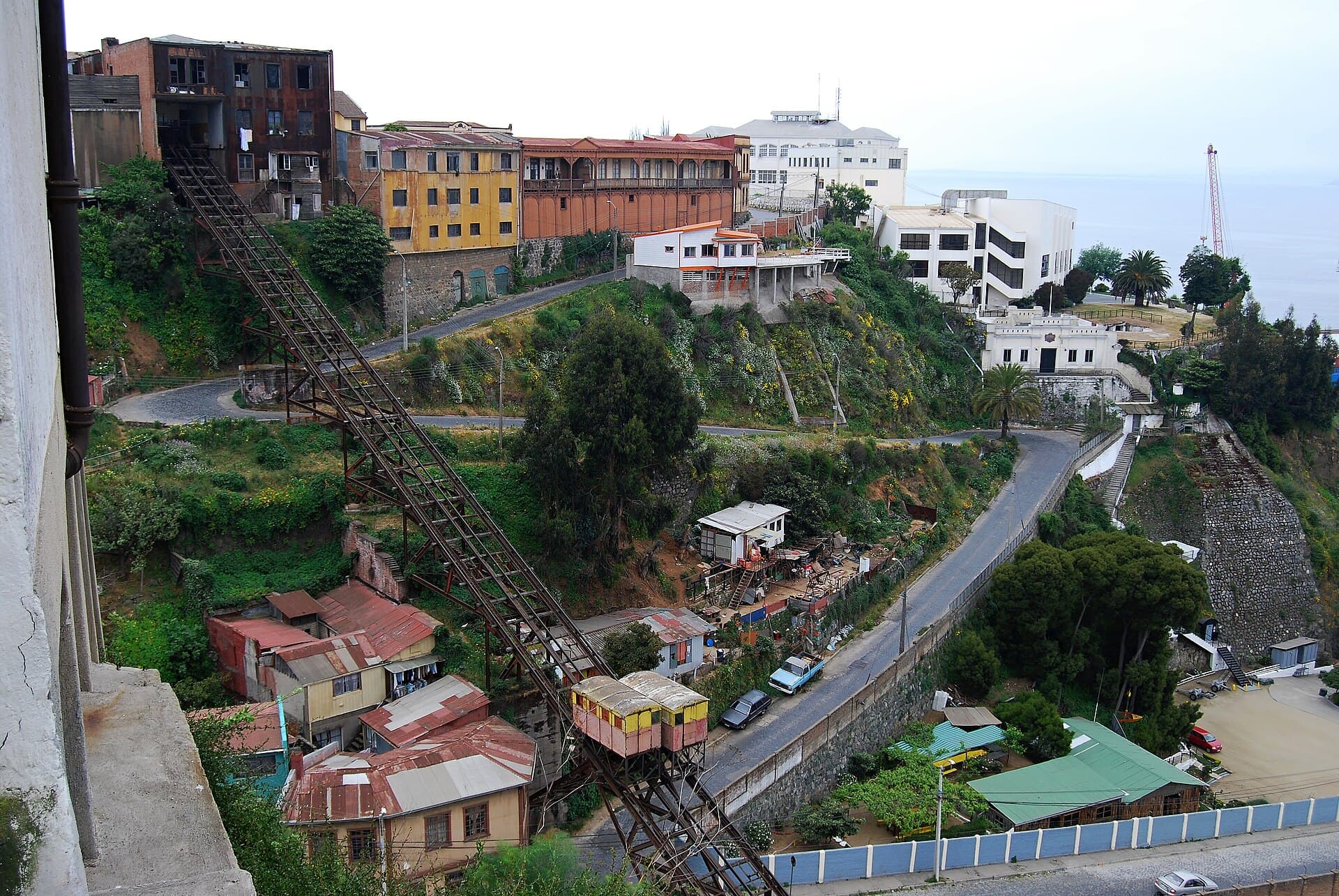 Valparaíso's Historic Funiculars (Ascensores)Valparaíso's emblem and its quirkiest transport: small wooden cars hauled by cab2 minutes walk4.6
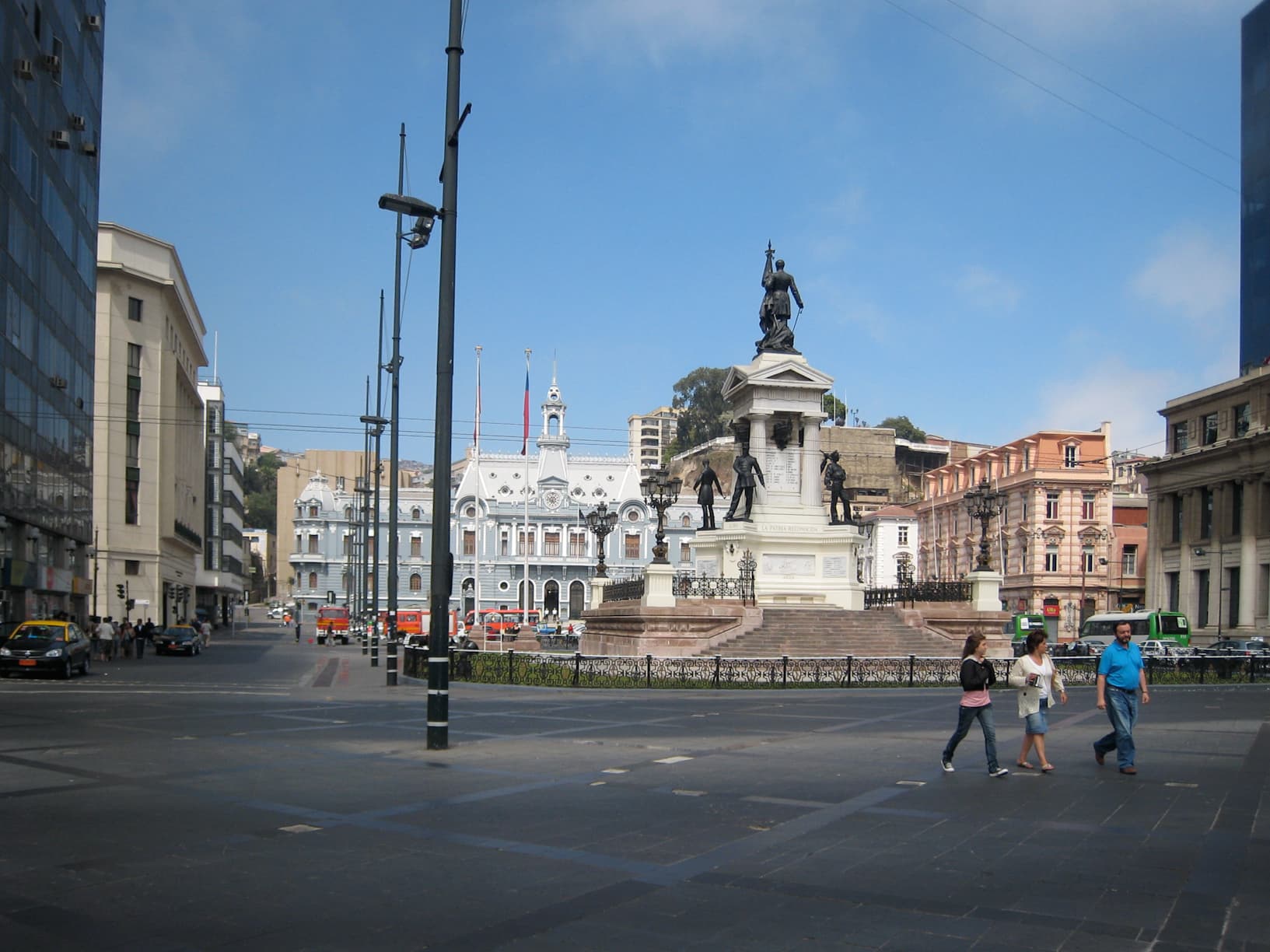 Plaza SotomayorValparaíso's grand civic square, at the foot of the hills on the edge of the por6 minutes walk4.6
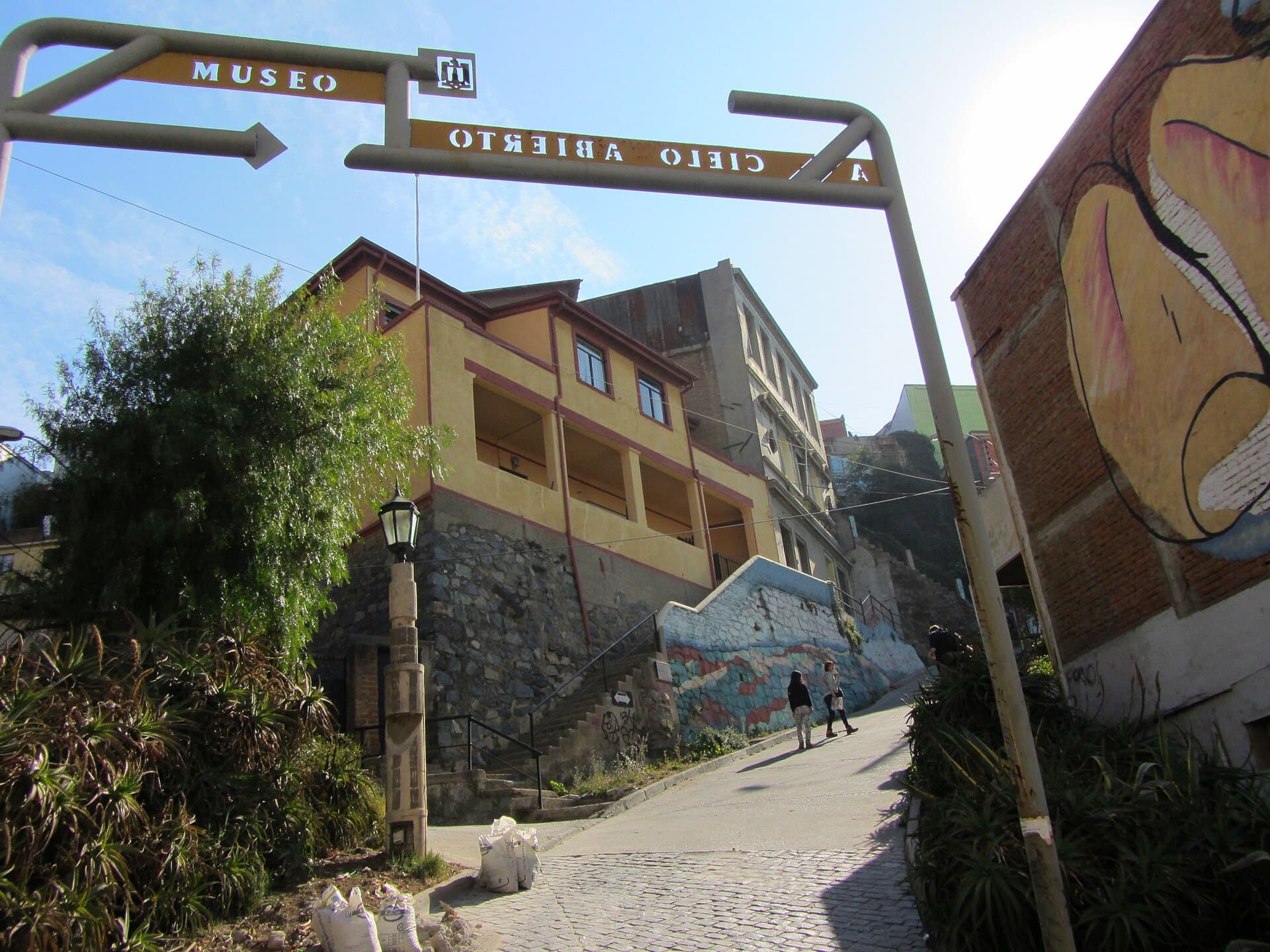 Open-Air Museum of MuralsA museum with no walls or tickets in the lanes and stairways of Cerro Bellavista10 minutes walk4.1
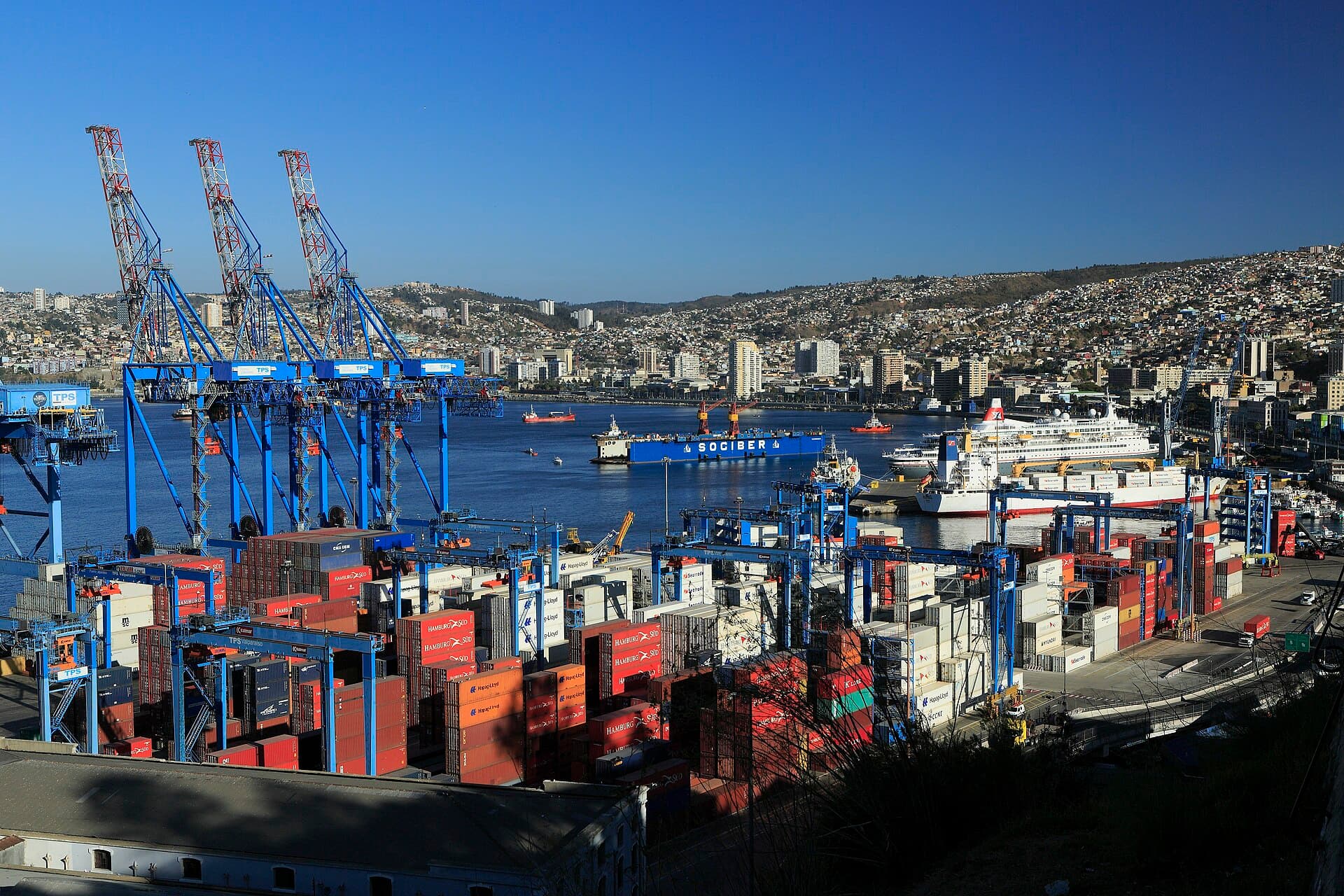 Paseo 21 de Mayo and Artillery HillA promenade and lookout on the edge of Artillery Hill right above Valparaíso's p15 minutes walk4.5
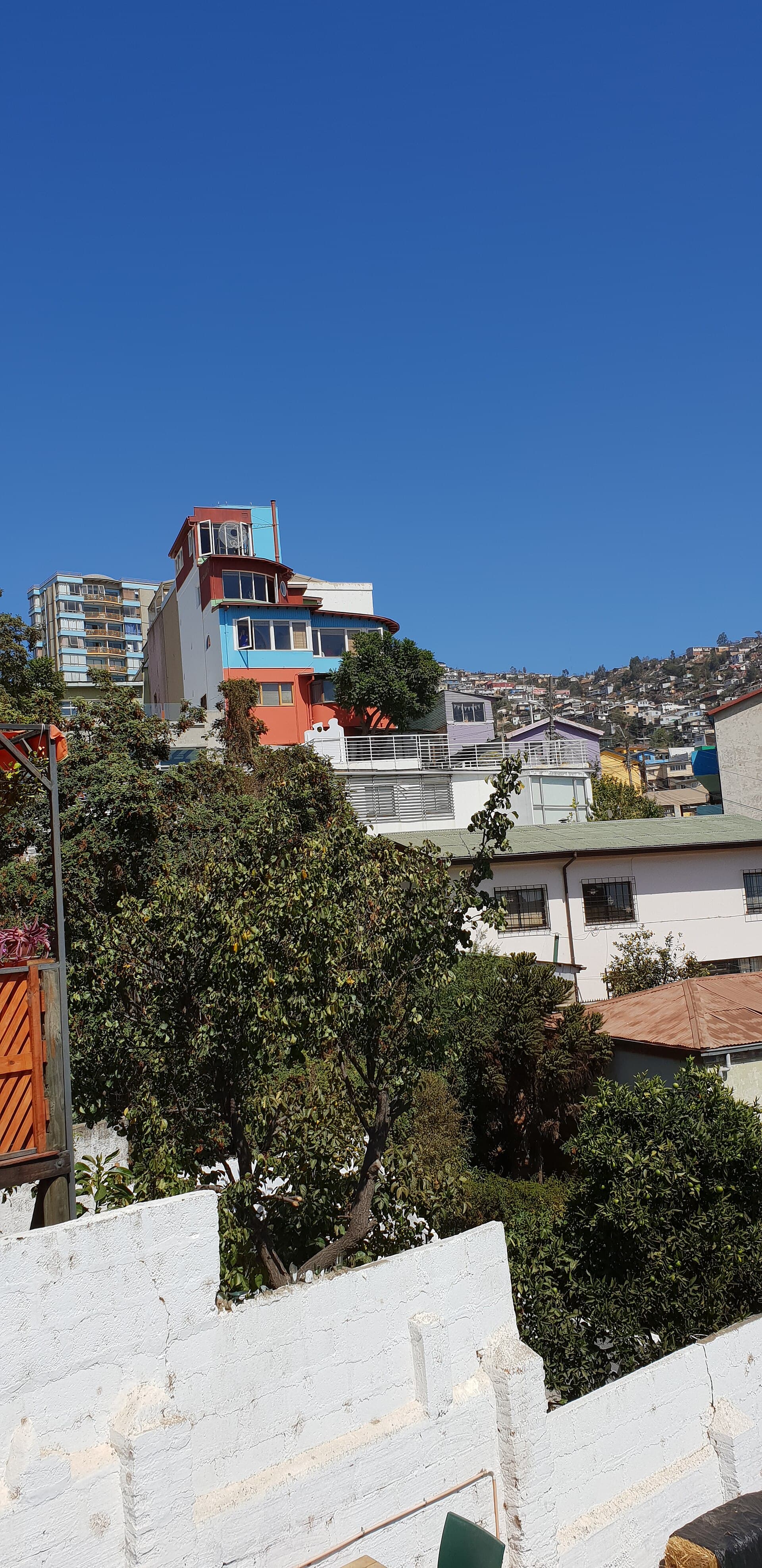 La Sebastiana, Neruda's HousePablo Neruda's house in Valparaíso, on Cerro Bellavista, which he bought with fr16 minutes walk4.3
Cerro Alegre and Concepción are busy and fairly safe by day, but avoid quiet lanes and night wandering, and beware pickpockets.