
The Pilgrim Fathers' Church
Where they prayed before sailing, still standing.
J. Kuyper — Public domain · Jan Abrahamsz Beerstraaten / Johannes Becx — Public domain · Cornelis Pietersz. de Mooy — Public domain
Delfshaven is the one part of Rotterdam that looks like an old Dutch town — and that is no accident: it was a separate town until 1886, and it survived the 1940 bombardment that erased Rotterdam's centre because it lay outside the target. It grew in the fourteenth century as the harbour for the inland city of Delft, which had no access to the sea, and that is where the name comes from: Delft's harbour. Today its canals are narrow, its brick houses steep-roofed and a windmill stands on the quay, and it is the only place in the city where you can see what Rotterdam was before the war. The quarter has a world-historical significance: from its quay the Pilgrim Fathers sailed in 1620 aboard the Speedwell on the voyage that ended — after they changed ships in England to the Mayflower — on the coast of North America. The church where they prayed before departing still stands and is known as the Pilgrim Fathers' Church.
Where they prayed before sailing, still standing.
Steep-roofed brick houses and a quayside windmill.
Voorhaven, 3024 Rotterdam
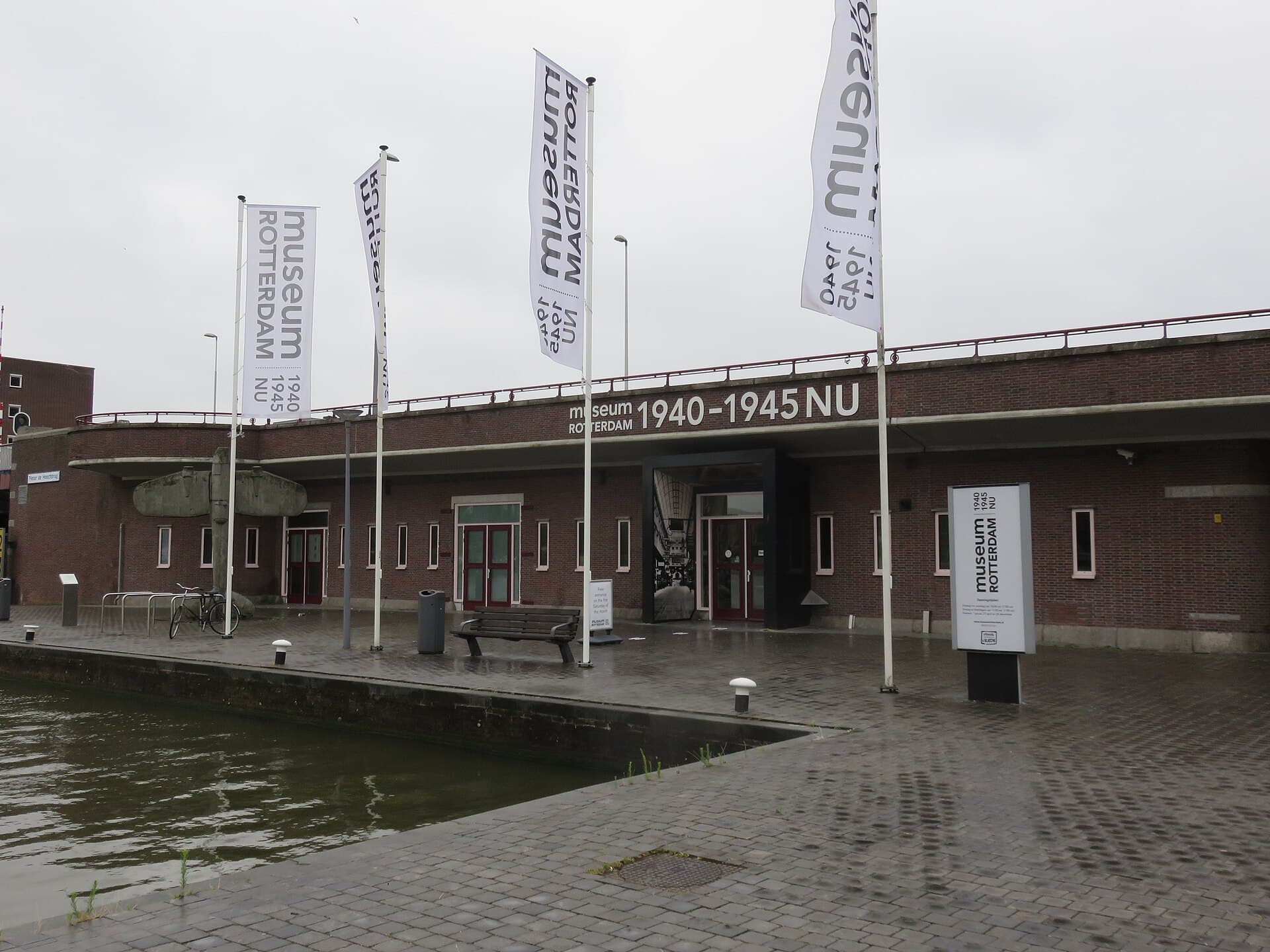 Museum RotterdamThe city history museum, covering Rotterdam's story from a small harbour to Euro8 minutes walk4.4
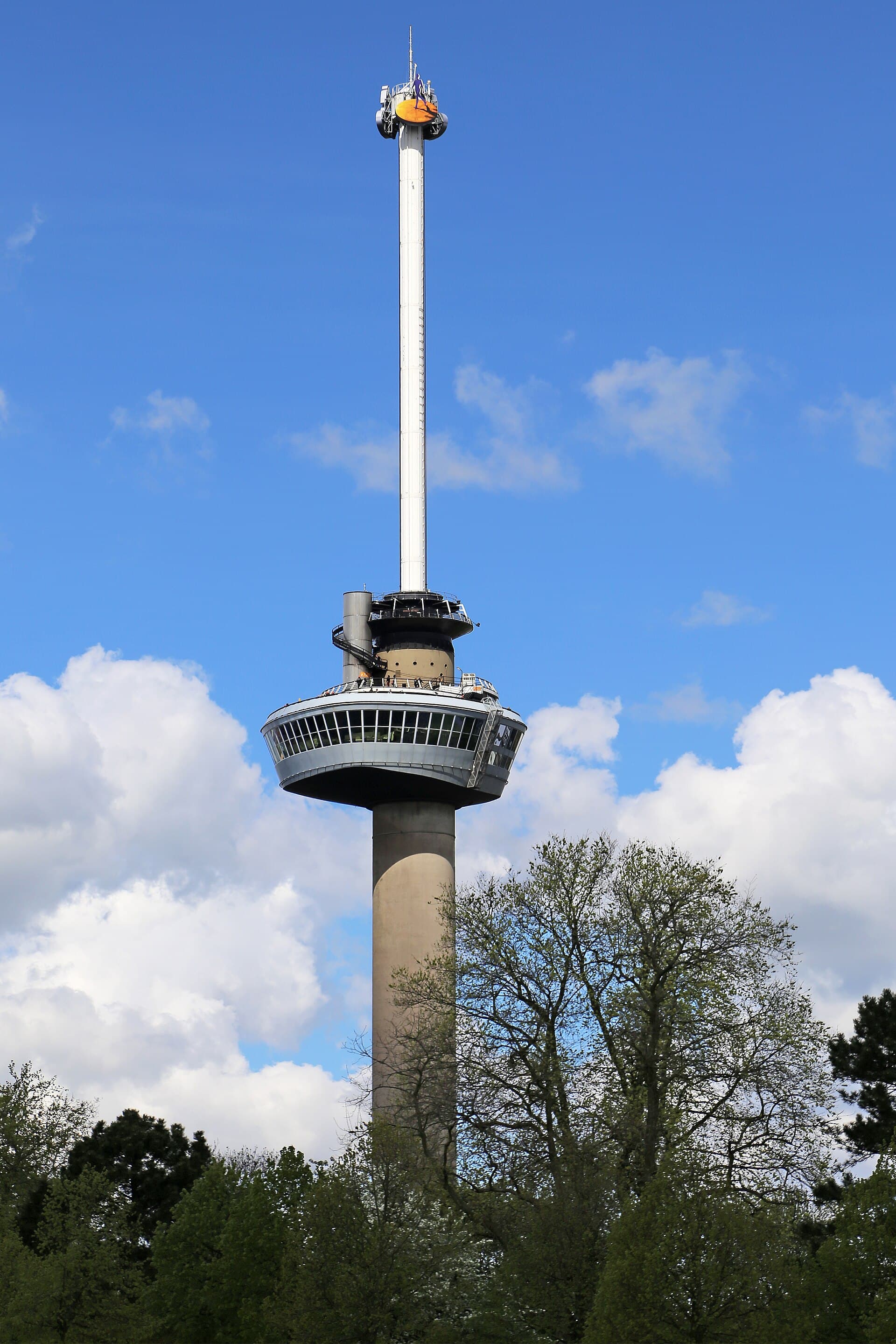 EuromastAn observation tower on the edge of Rotterdam's park, built in the early 1960s a16 minutes walk4.3
 Depot Boijmans Van BeuningenA giant mirror bowl amid the Museumpark — the world's first fully open art depot20 minutes walk4.5
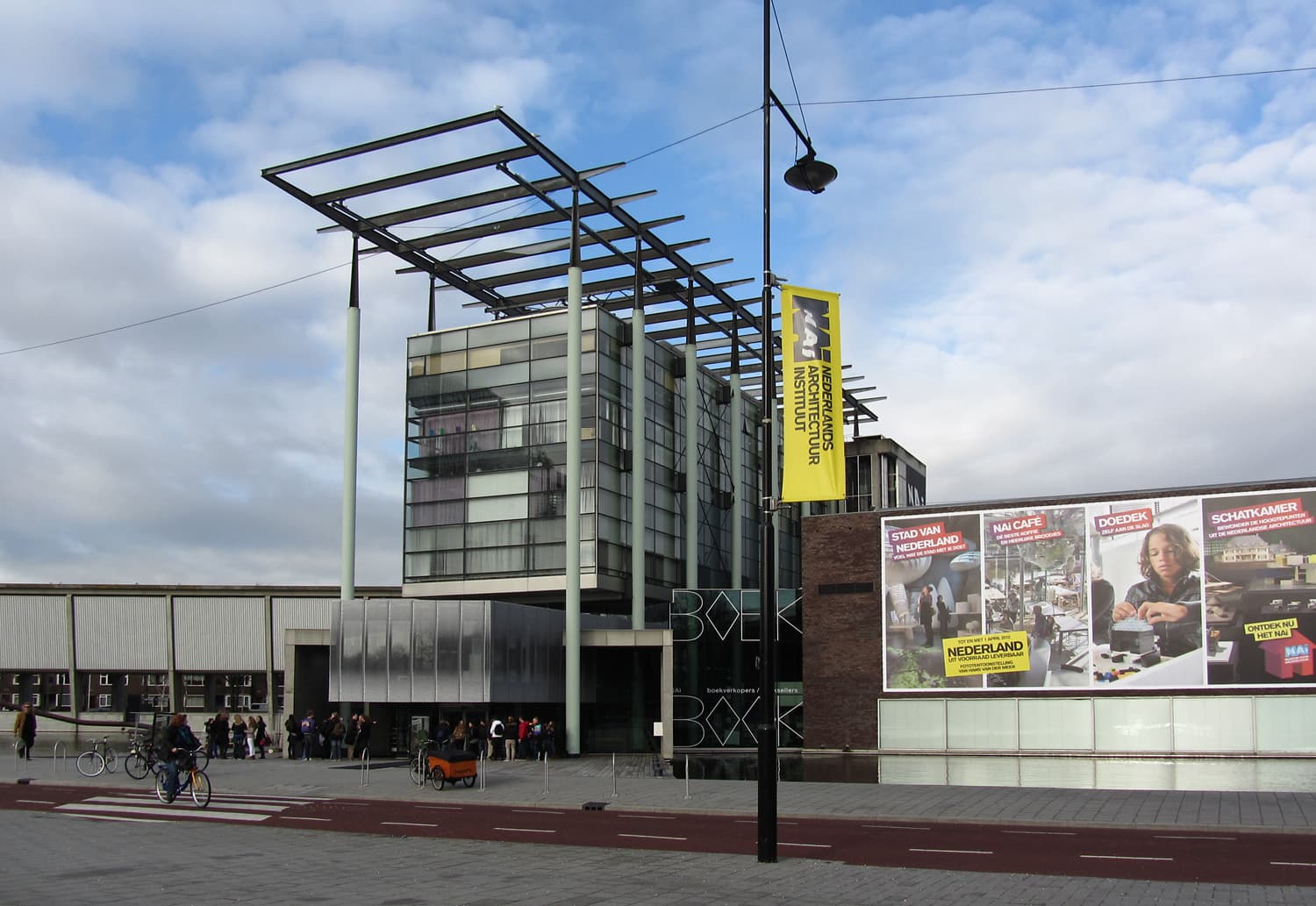 Het Nieuwe InstituutHet Nieuwe Instituut is the national institution for architecture, design and di20 minutes walk3.7
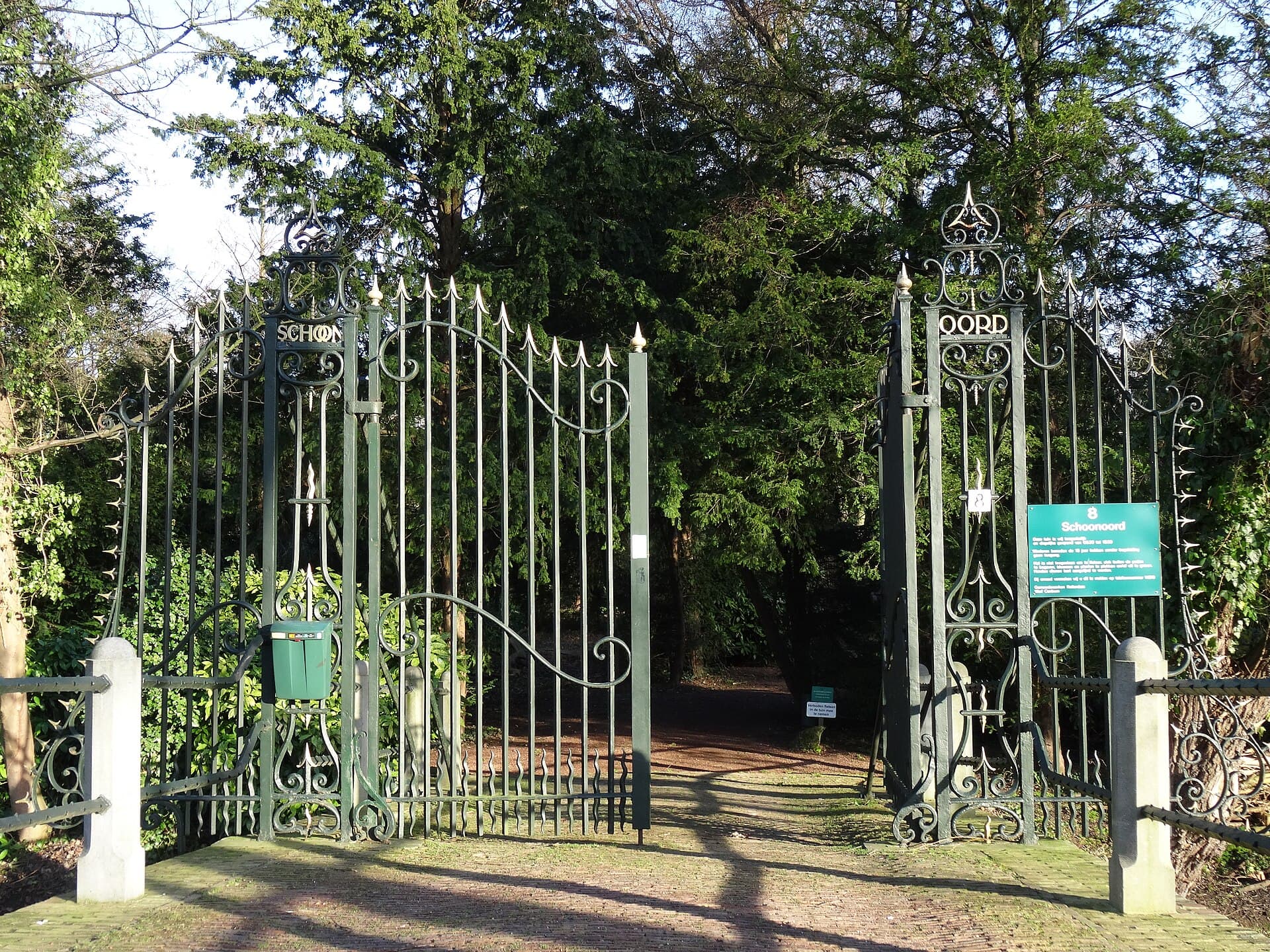 Park SchoonoordA small English landscape-style park beside Het Park in Rotterdam, laid out in t20 minutes walk4.8
An English Protestant congregation that separated from the Church of England and was persecuted for it, fleeing to the Netherlands in 1608 where religious freedom was wider, and settling in Leiden for about twelve years. But they feared their children were dissolving into Dutch society, and decided to emigrate to the New World to build a community on their own terms. They sailed from Delfshaven in 1620 and reached what became Massachusetts — and they are the origin of American Thanksgiving.