
The Grimani Galatians
One falling, one kneeling, one dead — Roman copies after Pergamene originals, the museum's most arresting group and a set Venetian artists came here to study.
Ethan Doyle White — CC BY-SA 4.0 · Bjoertvedt — CC BY-SA 4.0 · Jean-Pol GRANDMONT — CC BY 4.0 · Jean-Pol GRANDMONT — CC BY 4.0
Centuries before anyone invented the museum, Venice had a room of ancient marble that any passer-by could walk into and look at. In 1523 Cardinal Domenico Grimani left his Greek and Roman sculpture to the Republic; his nephew Giovanni enlarged the collection and bequeathed it in turn, and by the end of the sixteenth century the statues stood in the anteroom of the Marciana Library as a public statue gallery, one of the first in Europe. The city's painters and sculptors came here to practise the classical body, and the antiquity that looks so assured in Venetian Renaissance painting passed through this room before it reached the canvas. What survives is that inheritance, spread through quiet rooms in the Procuratie Nuove: Roman copies of Hellenistic originals, led by the three Grimani Galatians — one falling, one kneeling, one already dead; a room of imperial portrait heads with the hard, unflattering realism Rome did better than anyone; sarcophagi and altars carved with battles and the rape of Persephone; then cases of engraved gems and coins. It is a small, selected collection rather than an encyclopaedic one, and forty unhurried minutes will cover it. If you came to Venice for Venice — water, brick, Tintoretto — this will not be the memory you take home. If you love classical sculpture, it is among the finest holdings in northern Italy, and it is nearly empty in a city where nothing is empty. The practical point matters most: this is not a sight you queue for separately. You enter through the Museo Correr in the Napoleonic Wing, as part of the Marciana route that links Correr, these archaeological rooms and the monumental halls of the Marciana Library — and the single St Mark's Square Museums ticket covers the Doge's Palace as well. It rose from 30 to 35 euro for adults on 1 January 2026 — reported at the time as the most expensive public museum ticket in Italy — and drops to 30 euro if you book on the official site at least thirty days ahead. There is no cheaper archaeology-only ticket and no discount for skipping it. So visitors walk through daily without registering that they have crossed from a civic museum into a state one, and that they have already paid for it. Hours run 10:00 to 18:00 from April to October and 10:00 to 17:00 from November to March, with last entry an hour before closing; the museum lists 1 January and Christmas Day as closed. Piazza San Marco is the lowest ground in the city and the first to flood during autumn and winter acqua alta, and these galleries are upstairs — which makes the museum a dry, warm refuge on a bad-weather day, though reaching the door may mean the raised walkways. Coming from the Vallaresso vaporetto stop involves no bridges, but the route inside is largely stairs, so with a pushchair or a wheelchair ask staff at the entrance about the lift before you commit to the climb.
One falling, one kneeling, one dead — Roman copies after Pergamene originals, the museum's most arresting group and a set Venetian artists came here to study.
The same marbles were opened to the public in the Marciana Library's anteroom in the late 1500s, when the word museum still meant almost nothing.
Portrait heads of emperors and their households, carved with a hard realism that flatters nobody — the most rewarding room to linger in.
Piazza San Marco 17/52, Procuratie Nuove — entered through the Museo Correr in the Napoleonic Wing, 30124 Venice
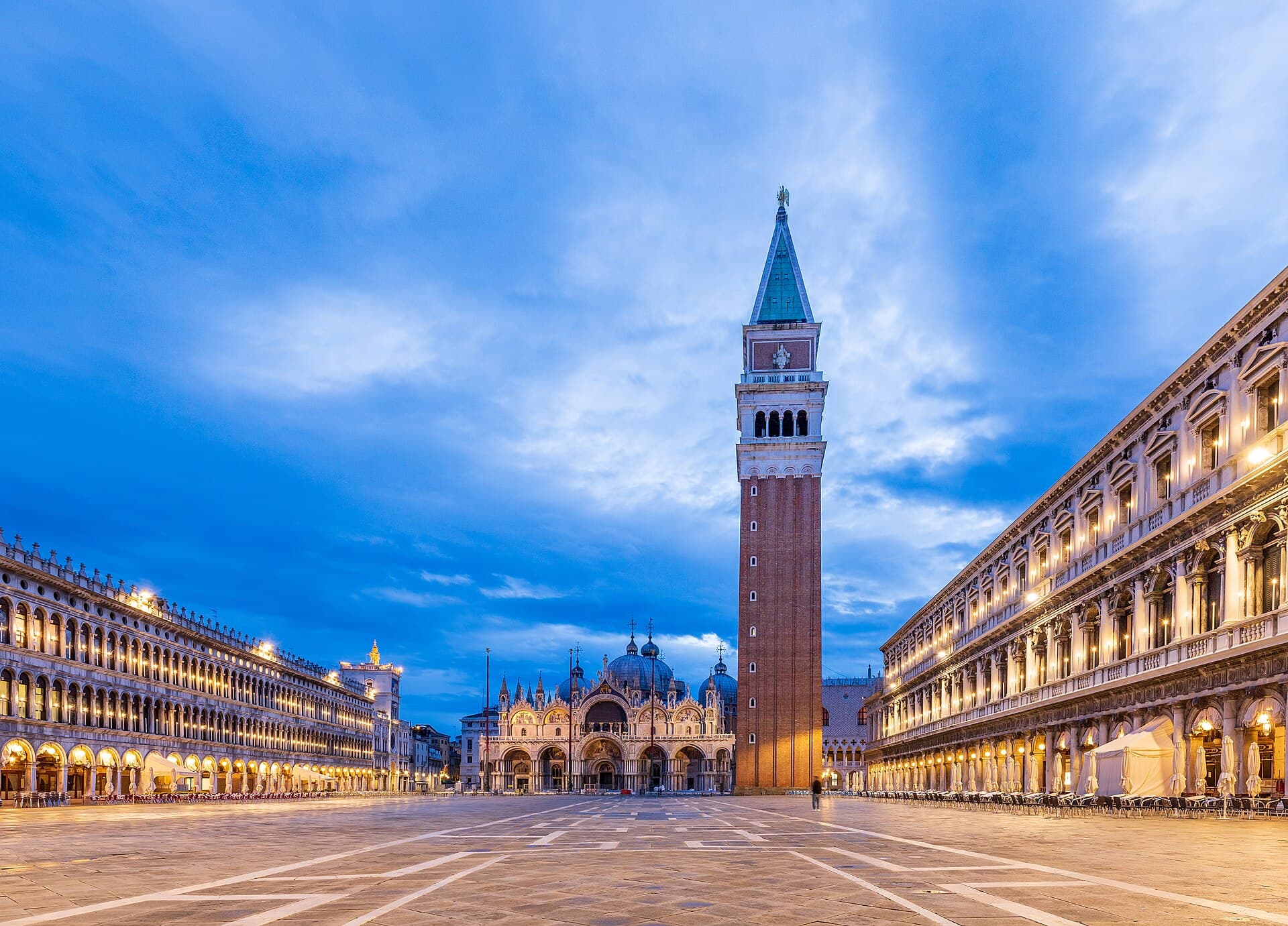 St Mark's SquareSt Mark's Square is the heart of Venice and its only true piazza — everything el1 minute walk4.8
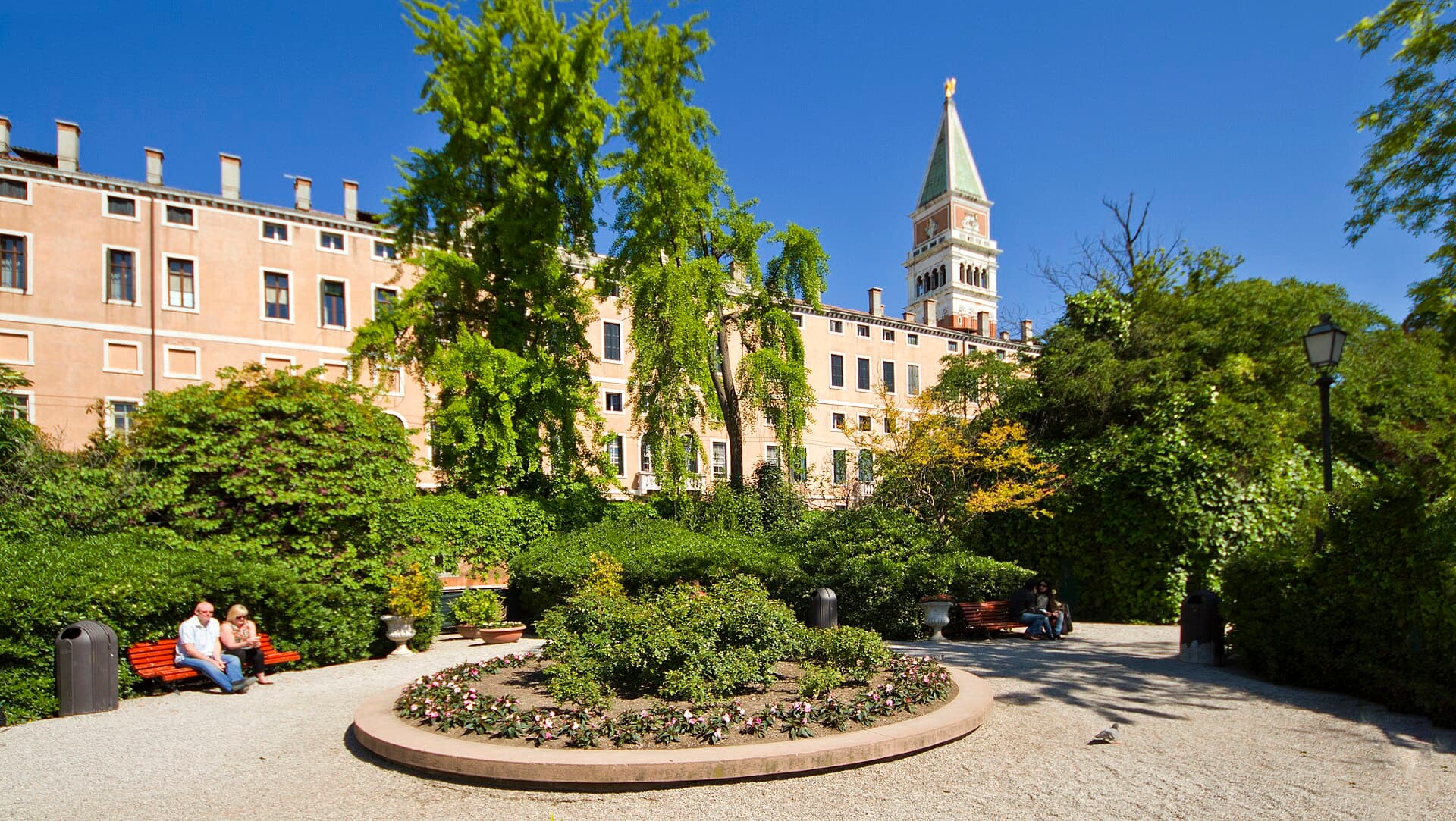 Giardini RealiA small garden between St Mark's Square and the waterfront in Venice, among the 1 minute walk4.4
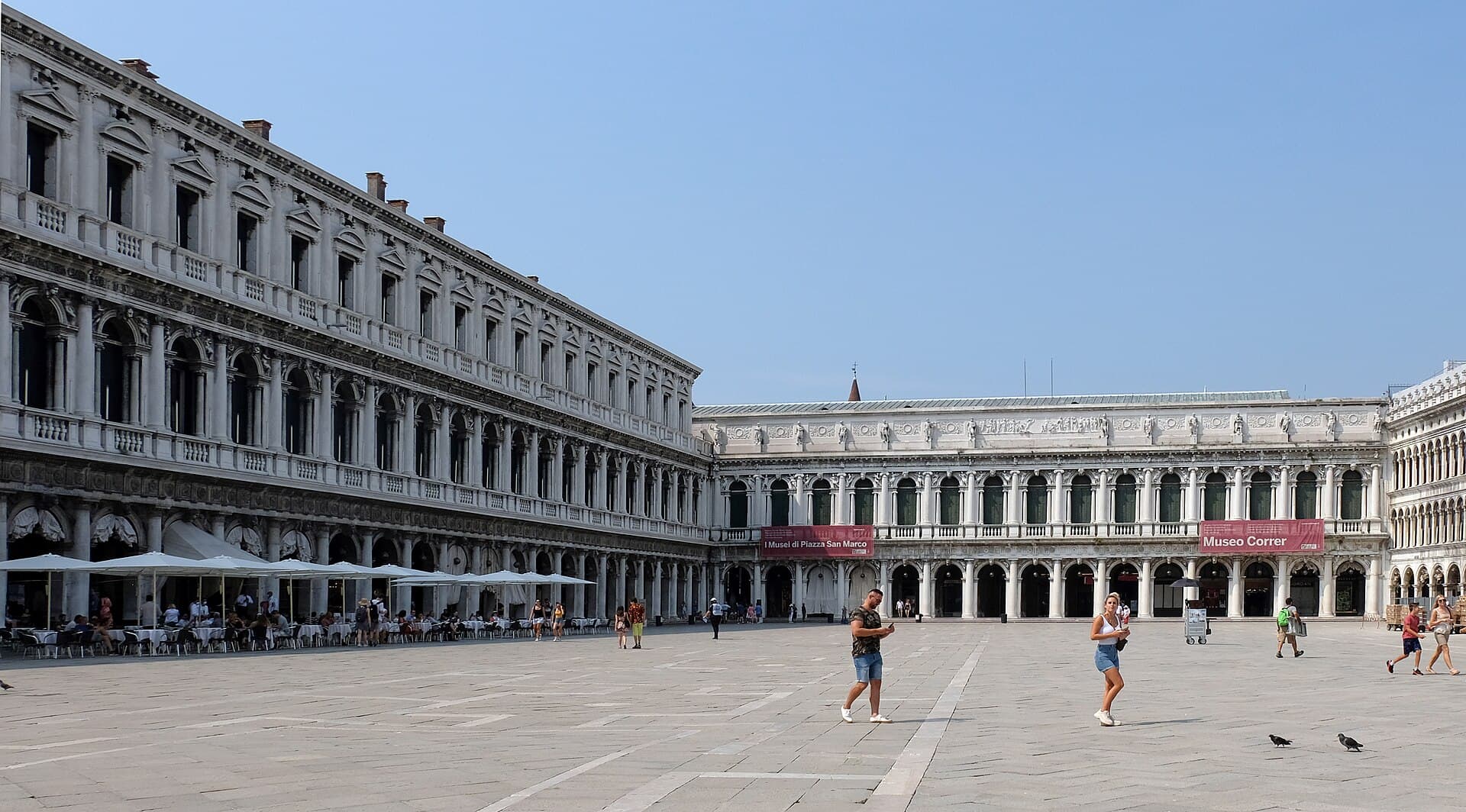 Correr MuseumThe Correr fills the Napoleonic wing overlooking St Mark's Square, and it is the1 minute walk4.4
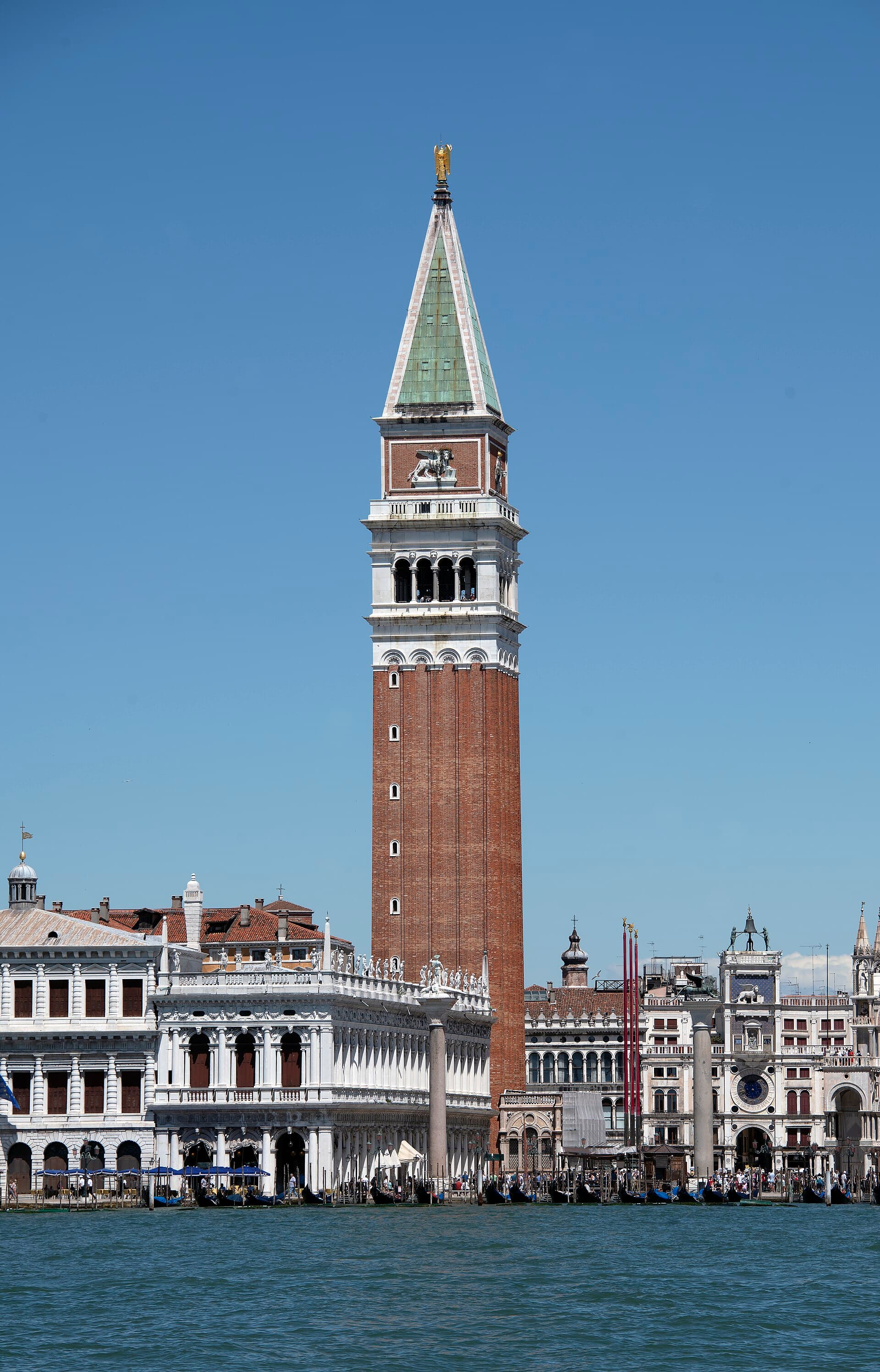 St Mark's CampanileThe Campanile is Venice's tallest structure — about 99 metres of red brick crown1 minute walk4.8
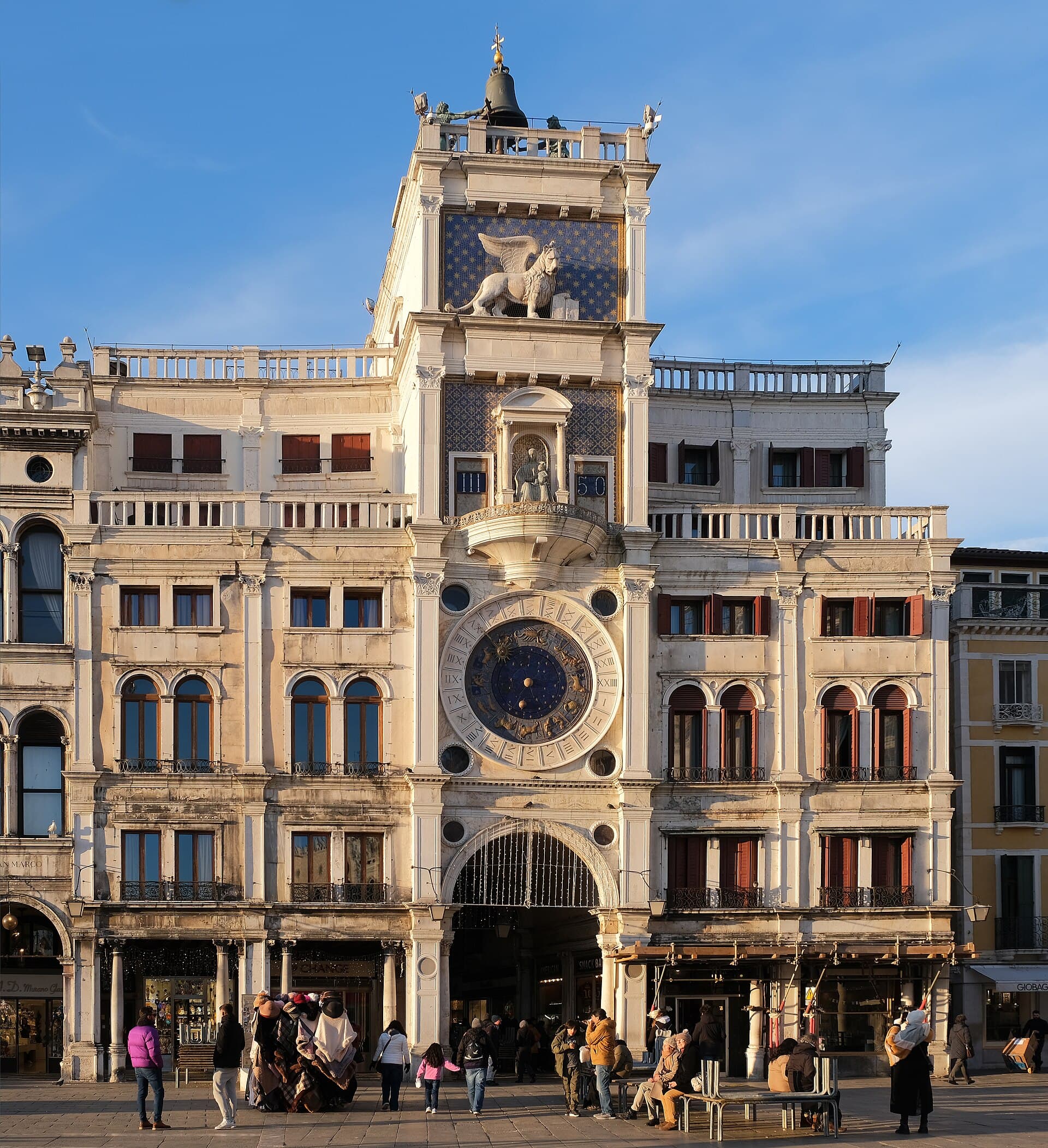 St Mark's ClocktowerThe Clocktower stands over the gateway joining St Mark's Square to the Merceria 2 minutes walk4.8
No. It sits inside the same St Mark's Square Museums ticket you buy for the Doge's Palace and the Correr, and you enter through the Correr's door in the Napoleonic Wing as part of one route. There is no cheaper standalone ticket and no refund for skipping it — if you hold the ticket, you have paid for this whether you walk in or not. Book on the official site at least thirty days ahead and the adult price drops to 30 euro.
Honestly, no. On a single day the Doge's Palace, the Basilica and simply walking away from the square are all worth more of your time, especially once the 5 euro access fee that day visitors pay on busy dates between April and July and the vaporetto fares that add up fast have taken their bite. But if you are staying two days or more and already hold the ticket, save it for rain, high water or brutal heat: forty minutes in cool, empty rooms a few metres from the worst crowd in Europe.