
The position
On the citadel square corner below the Clock Tower.
Beata Jankowska — CC BY-SA 4.0 · Pivari.com — CC BY-SA 4.0 · Cezar Suceveanu — CC BY-SA 4.0 · Cezar Suceveanu — CC BY-SA 4.0
A yellow three-storey house on the corner of the citadel square, with a plaque saying that **Vlad II Dracul**, prince of Wallachia, lived here between 1431 and 1435 — and that his son Vlad III, whom the world later knew as Dracula, was probably born in it. Probably is the right word. No document records the birthplace, and historians accept Sighișoara as the likeliest because the father was resident there in those years, minting coin in Hungary's name. The byname Dracul comes from the Order of the Dragon he was admitted to, and Dracula means son of Dracul. The house today is a **restaurant on its ground floor**, with one small room upstairs shown for a nominal charge, holding furniture, dim lighting and a bit of theatre — closer to a tourist attraction than a museum. Go because the building itself is genuine and stands at the heart of the citadel, not in expectation of exhibits.
On the citadel square corner below the Clock Tower.
A genuine fifteenth-century house, not a reconstruction.
Strada Cositorarilor 5, Sighișoara Citadel
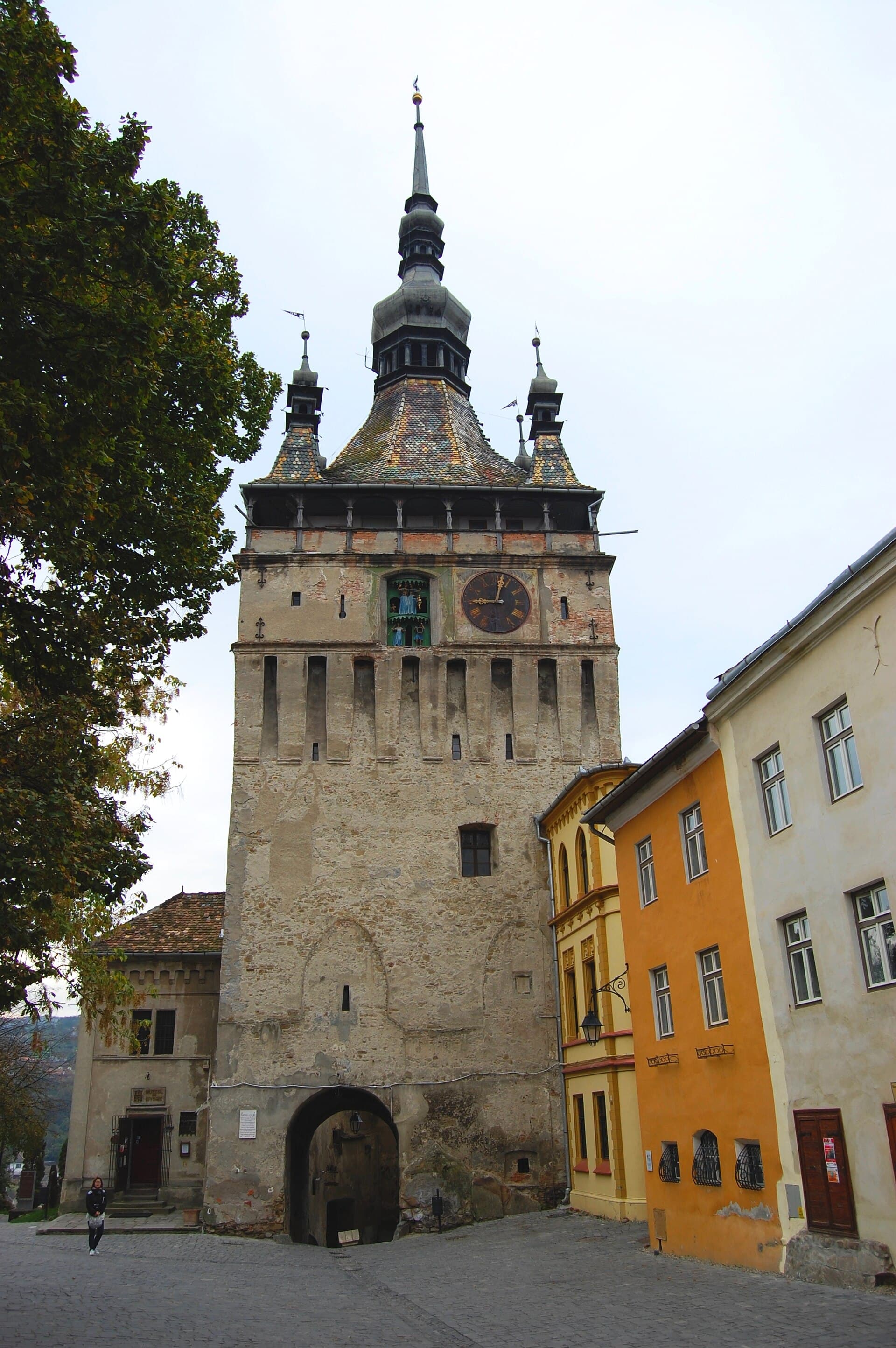 The Clock Tower of SighișoaraThe Clock Tower is the image of Sighișoara: sixty-four metres tall under a roof 1 minute walk4.8
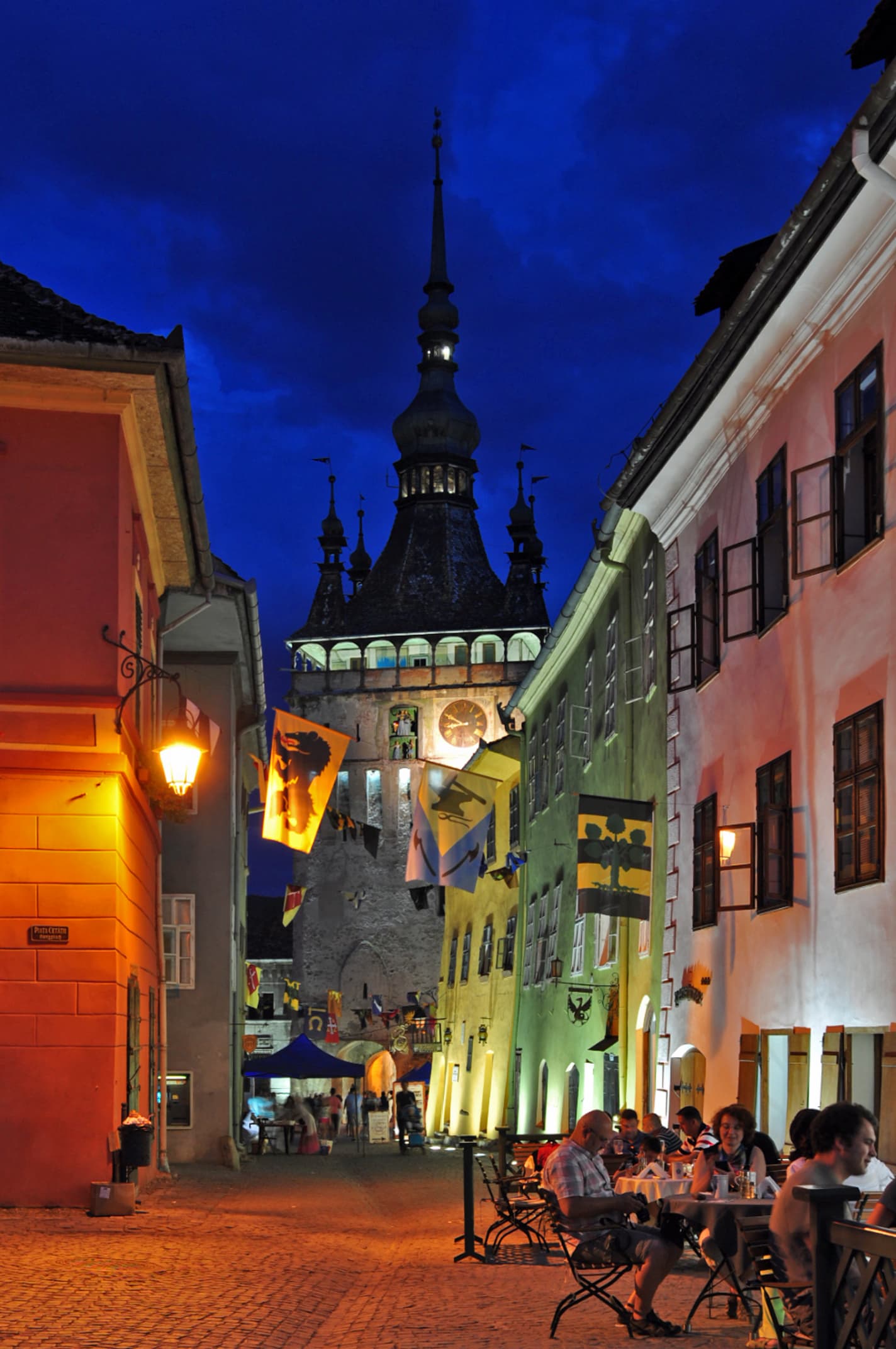 Sighișoara CitadelSighișoara Citadel is on the World Heritage list, and its precise description is1 minute walk4.7
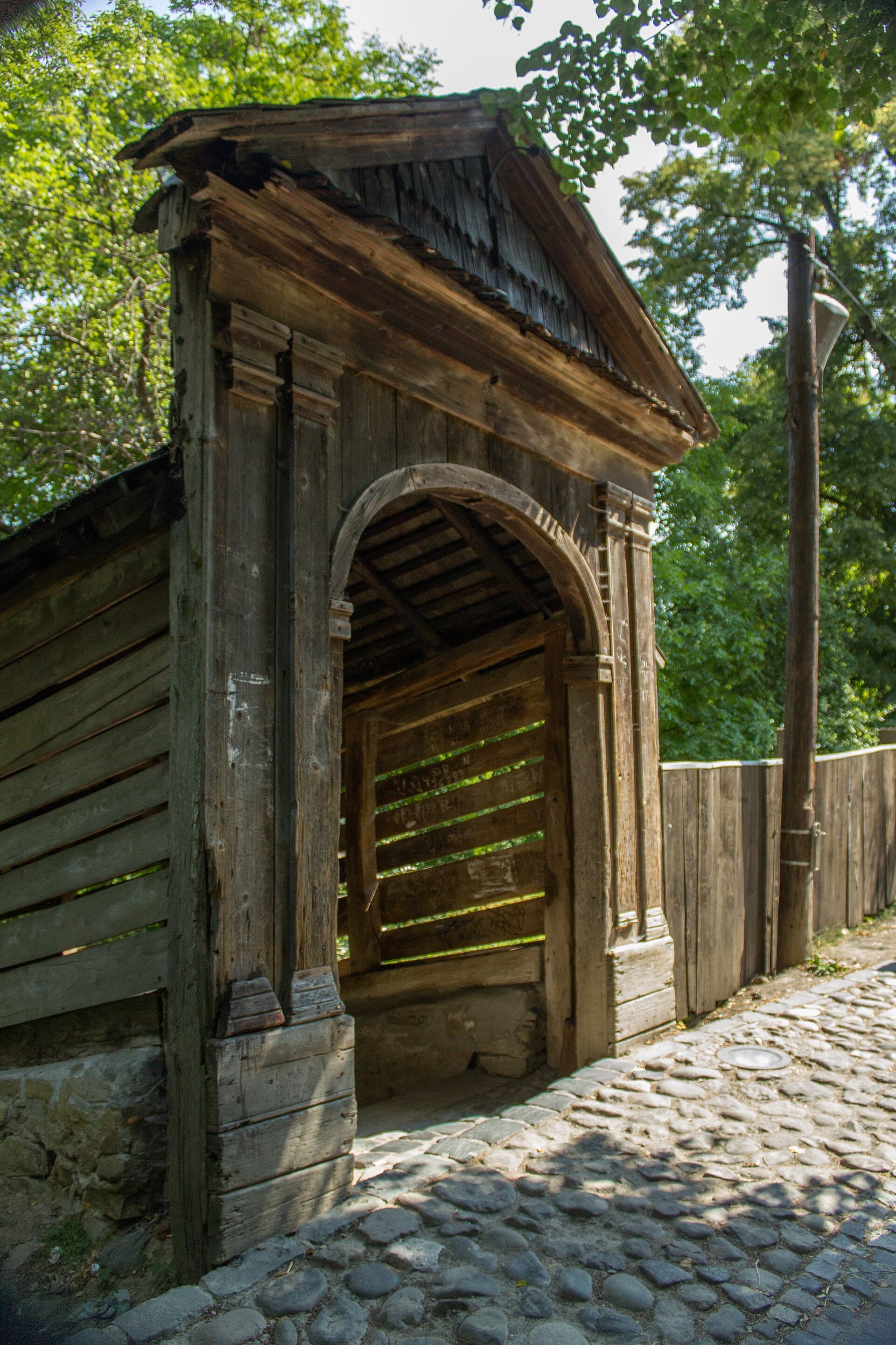 The Covered StairwayThe Scholars' Stairs are a long timber tunnel climbing from the heart of the cit1 minute walk4.8
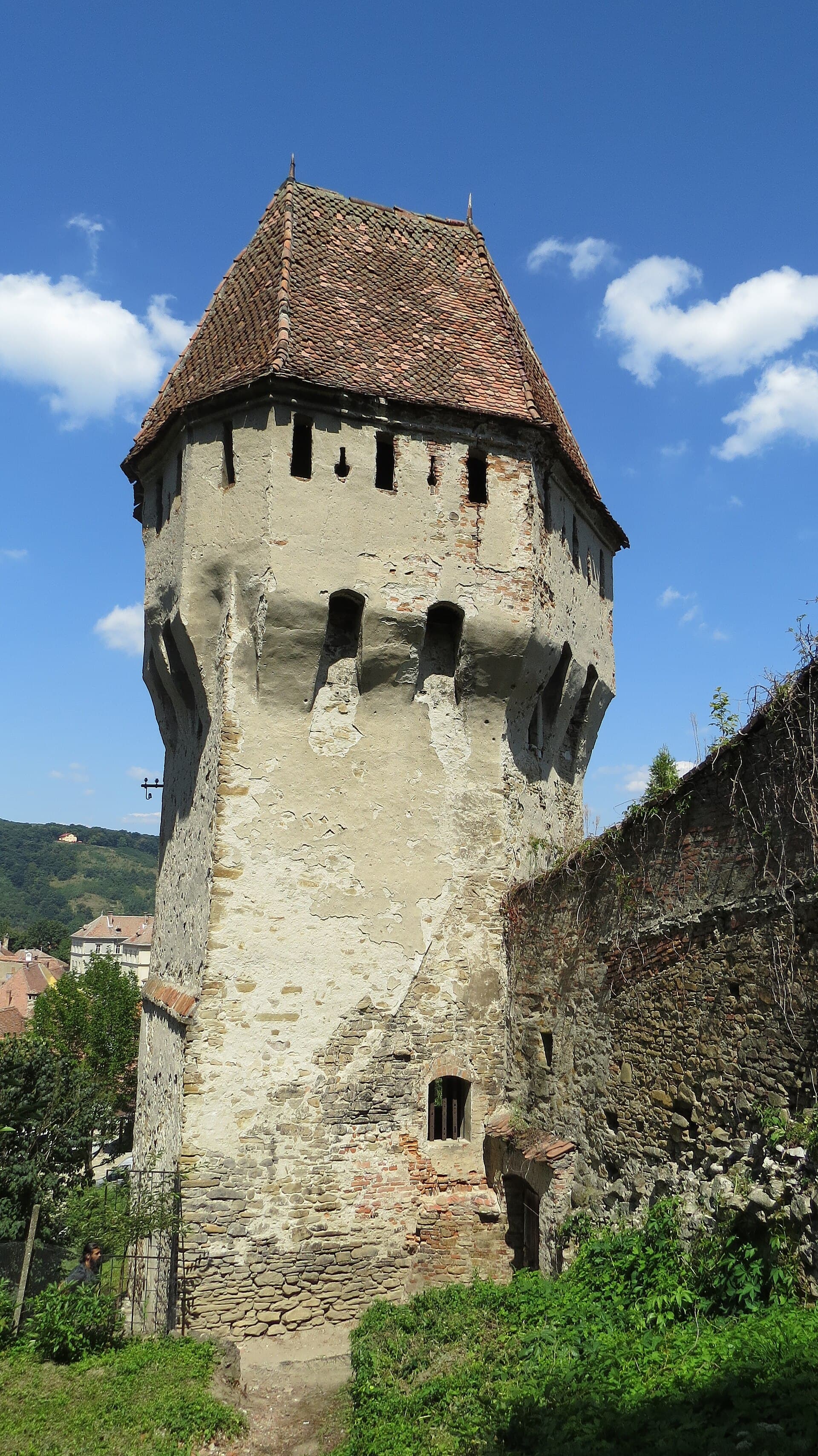 The Tinsmiths' TowerThe Tinsmiths' Tower is one of the nine surviving towers of Sighișoara's walls, 2 minutes walk4.5
Far less than people assume. Bram Stoker wrote it in 1897 and never visited Romania. He had named his character Count Wampyr, then found in the Whitby library a book on Wallachia noting that Dracula meant devil in Romanian, liked the name and changed it. He took the name and the general geography and nothing else: there is no blood-drinking, no immortality and no castle in the Borgo Pass in Vlad's life. The real Vlad was a prince who fought the Ottomans and became known for the cruelty of his punishments, and in Romania he is a complicated national figure rather than a monster — many Romanians find the association irritating.