
Malls
And old shops.
Benlisquare — CC BY-SA 4.0 · EditQ — CC BY-SA 4.0 · caoyadong — CC BY-SA 3.0 · Another Believer — CC BY-SA 4.0 · Another Believer — CC BY-SA 4.0 · Bairuilong — CC BY-SA 4.0 · David290 — CC BY-SA 3.0 · No machine-readable author provided. 枫难寻~commonswiki assumed (based on copyright claims). — Public domain
Beijing's best-known shopping street, a broad pedestrian avenue east of the Forbidden City with trading going back to the mid-Ming; its name comes from the princes' residences built here under the Qing and a sweet-water well found nearby. It runs between big malls, international stores, huge bookshops and long-established shops, some more than a century old, and is dotted with bronze sculptures of scenes from old Beijing life. Side lanes branch off it for street food and snacks, with unusual skewered foods alongside traditional sweets; many contain pork, so check ingredients or choose well-known halal restaurants. Wandering is free; the street stays lively into the evening when the shopfronts light up, and the metro stops right there. Avoid holiday peak times if you want to shop in comfort.
And old shops.
Old Beijing.
Street food.
Dongcheng District, east of the Forbidden City, Beijing
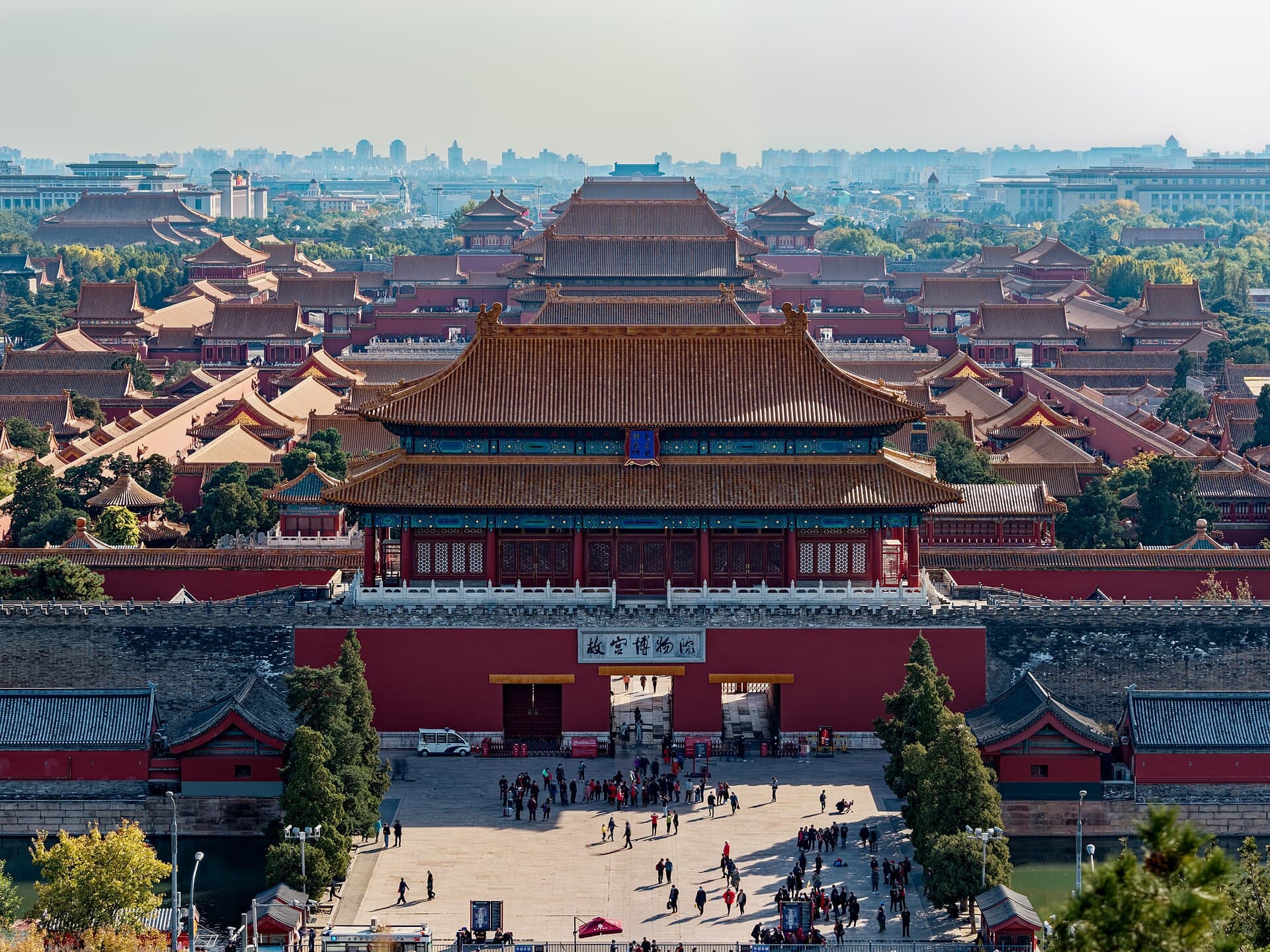 Forbidden CityThe imperial palace complex in the heart of Beijing, built between 1406 and 142017 minutes walk4.7
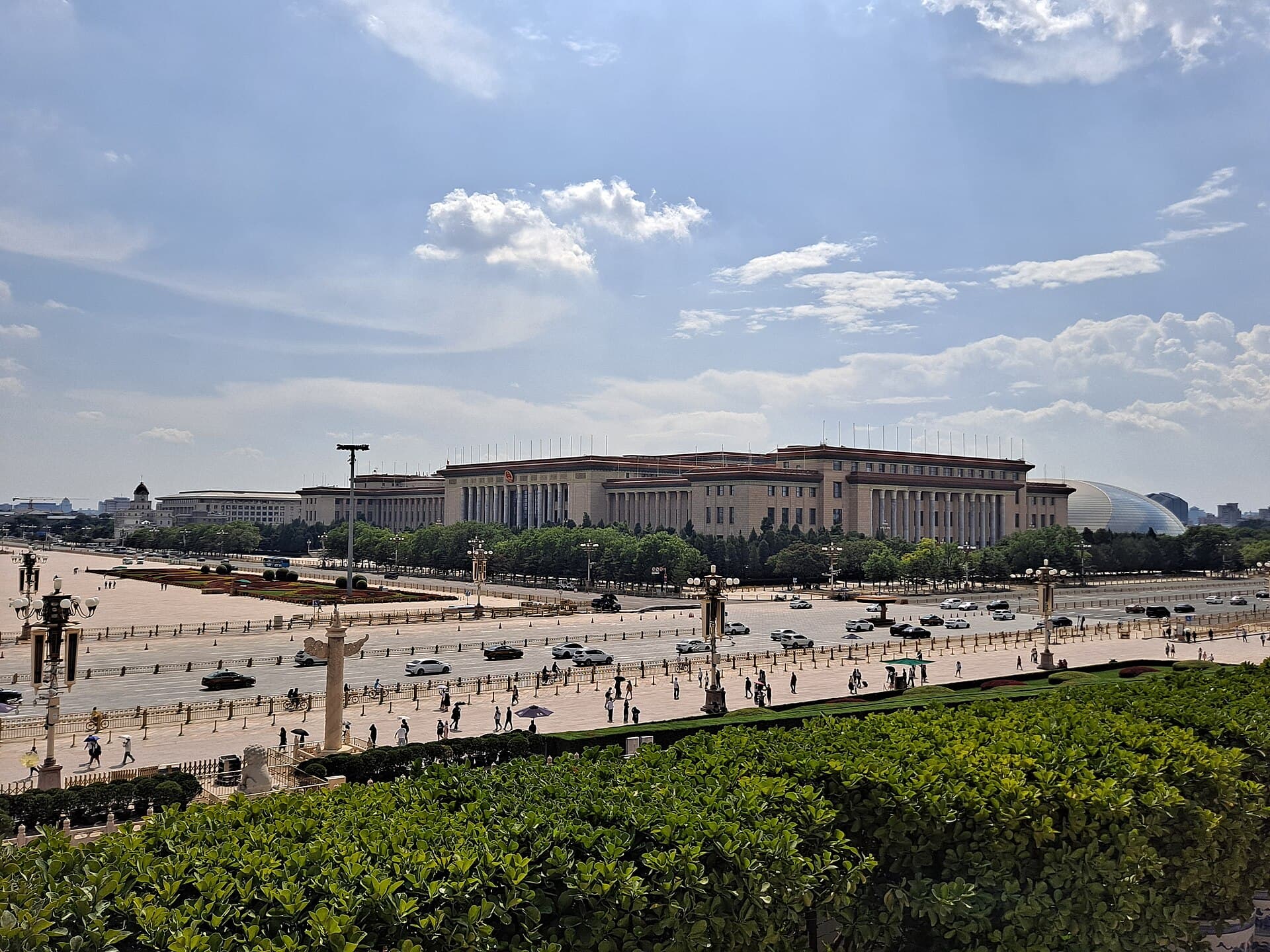 Tiananmen SquareA vast square in the heart of Beijing, named after the Tiananmen, the «Gate of H17 minutes walk4.5
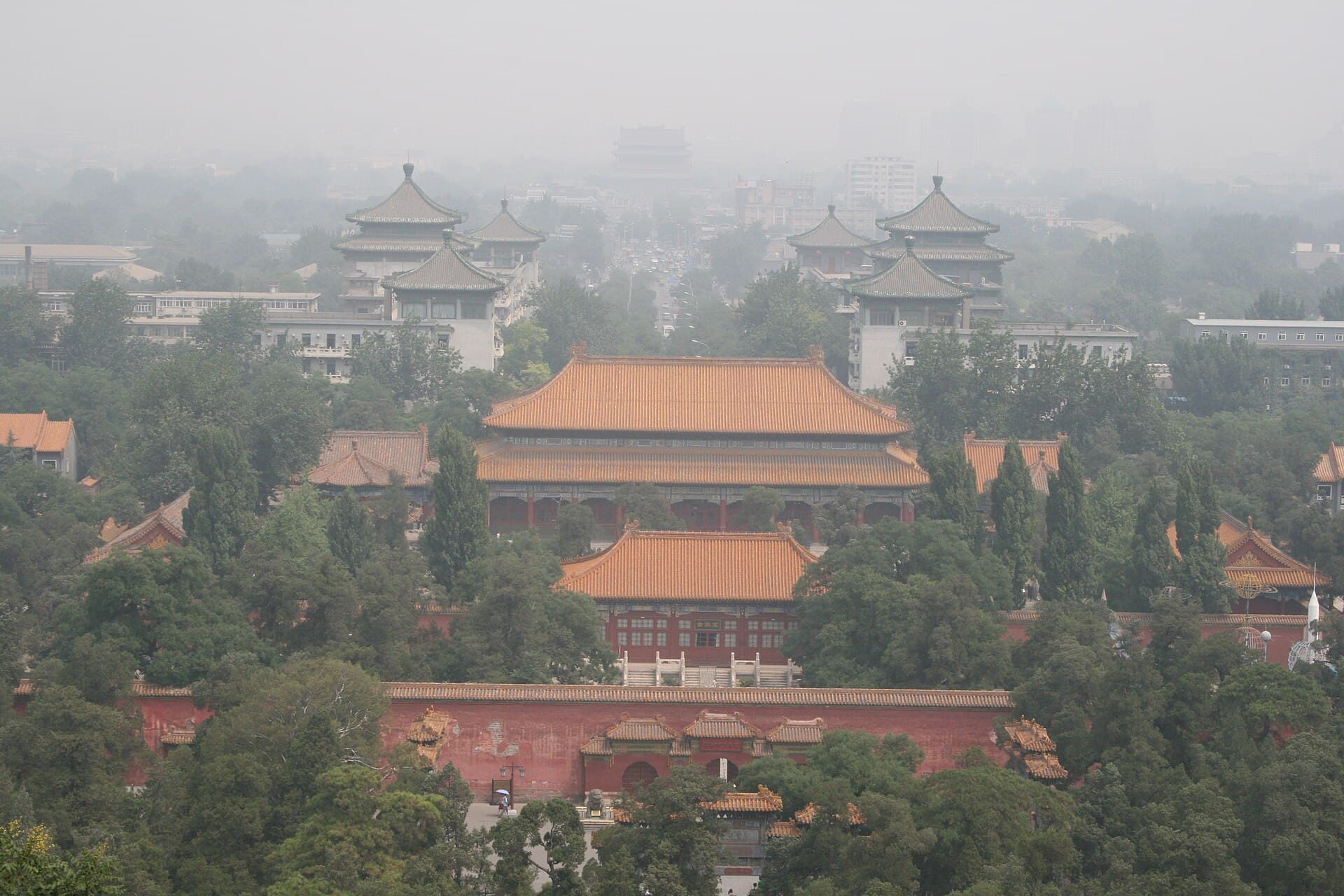 Jingshan ParkAn imperial park of 23 hectares directly north of the Forbidden City, once a pri23 minutes walk4.5
Many stall foods contain pork, so check ingredients, pick well-known halal restaurants or head to the Niujie area.